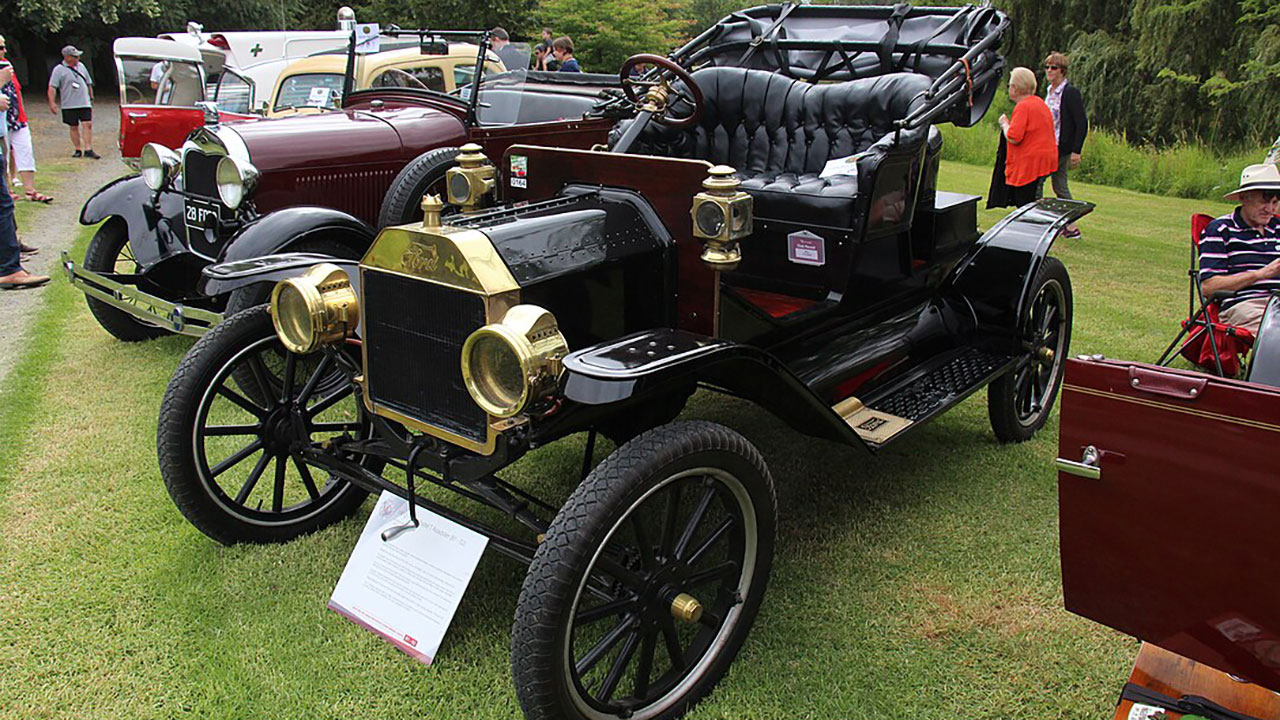
Antique vehicles offer a glimpse into the past, showcasing the evolution of automotive design and engineering. Preserving these vehicles requires careful attention to detail, especially when it comes to sourcing and maintaining tires that are both period-correct and safe for modern roads. For antique vehicle enthusiasts, understanding the nuances of tire selection and upkeep is crucial to maintaining both the performance and the historical integrity of their prized possessions.
Understanding Antique Vehicle Tire Requirements
One of the most important aspects of maintaining an antique vehicle is ensuring that its tires match the original specifications. Historical accuracy in tire selection goes beyond aesthetics; it involves understanding the vehicle’s original performance capabilities and how the tires contribute to that. For example, a 1931 Ford Model A originally came with bias-ply tires, which have a distinctly different structure and appearance compared to modern radial tires. Matching these specifications helps maintain the authenticity of the vehicle while also respecting its historical significance.
However, while historical accuracy is important, safety cannot be overlooked. Modern tire technology offers significant improvements in terms of traction, durability, and safety, which can be crucial for driving on today’s roads. For instance, while the original tread patterns may look appealing, they may not provide the grip needed for modern driving conditions. Balancing these factors involves choosing tires that offer modern safety features while mimicking the look and feel of the original tires. This balance ensures that the vehicle remains safe to drive without compromising its vintage appeal.
Tire size and tread pattern also play a crucial role in maintaining a vehicle’s historical integrity. Older vehicles often have unique tire sizes and tread designs that are not commonly found in contemporary tire catalogs. Enthusiasts should research the original specifications of their vehicles and consult with specialists who can guide them in choosing the right tires. For example, the tread pattern on a 1955 Chevrolet Bel Air plays a significant role in its iconic look, and finding a close match can make a significant difference in the overall authenticity of the restoration.
Sourcing Tires for Antique Vehicles
Finding the right tires for antique vehicles can be a daunting task, especially given the limited availability of vintage-style tires. However, there are reputable suppliers that specialize in this niche market. Companies like Coker Tire and Universal Vintage Tire offer a wide range of historically accurate tires that cater to various makes and models. These suppliers not only provide authentic-looking tires but also ensure that their products meet modern safety standards.
In some cases, custom tire manufacturing might be the best option for enthusiasts who require specific historical accuracy. Custom manufacturers can create bespoke tires that are tailored to meet precise historical needs, from unique tread patterns to specific sidewall designs. While this option can be more costly, it offers the chance to achieve a level of historical precision that off-the-shelf products may not provide. For those restoring a limited production vehicle or a particularly rare model, this might be the only viable option.
Evaluating the cost and availability of vintage tires in today’s market is an essential step for any antique vehicle owner. Vintage tires can vary significantly in price depending on their rarity and the level of detail involved in their production. It’s important to factor in these costs when planning a restoration project. Additionally, given the niche nature of the market, availability can fluctuate, making it crucial to establish relationships with suppliers and stay informed about new offerings and inventory changes.
Maintenance Practices for Antique Vehicle Tires
Proper maintenance of antique vehicle tires is essential to prevent deterioration and ensure longevity. One of the key considerations is storage. Tires should be stored in a cool, dry place away from direct sunlight to prevent dry rot, which can compromise the integrity of the rubber. Using tire covers and keeping the tires off the ground can further protect them from environmental damage.
Regular inspection is another critical maintenance practice. Antique vehicle owners should routinely check their tires for signs of wear and tear, such as cracks, bulges, or uneven tread wear. Catching these issues early can prevent more significant problems down the line and ensure that the tires remain safe for use. It’s advisable to follow a consistent inspection schedule, especially if the vehicle is driven regularly.
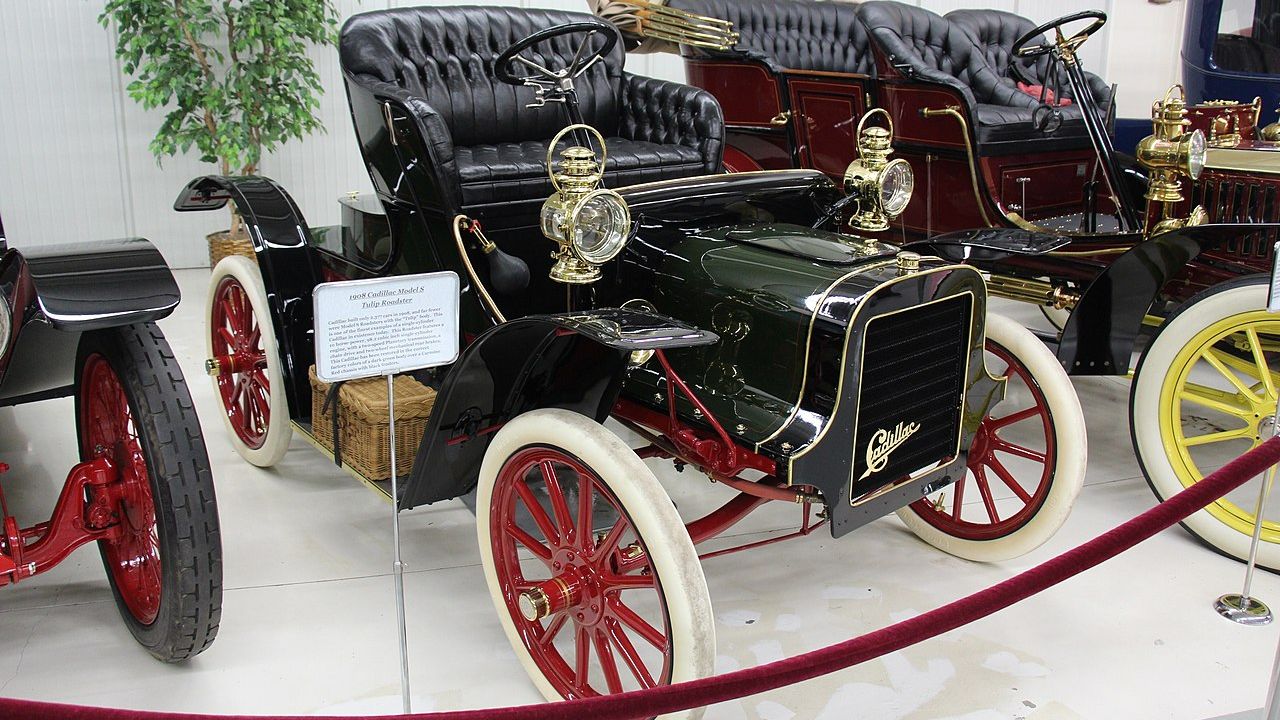
Balancing and alignment are also important for maintaining the performance and lifespan of antique tires. Over time, tires can become unbalanced, leading to uneven wear and reduced handling. Regularly checking and adjusting the balance and alignment can help ensure smooth operation and minimize wear on the tires. This is particularly important for antique vehicles, as improper alignment can affect their unique handling characteristics.
Common Challenges and Solutions in Antique Tire Care
One of the common challenges faced by antique vehicle owners is dealing with obsolete tire sizes. Many vintage vehicles use tire sizes that are no longer in production, making it difficult to find suitable replacements. In such cases, enthusiasts might need to explore the option of modifying existing tires or rims to accommodate available sizes. This often involves consulting with professionals who specialize in vintage vehicle restorations.
Environmental factors also pose a challenge to antique tire care. Tires are susceptible to damage from UV rays, temperature fluctuations, and other environmental conditions. Using tire protectants and parking the vehicle in a shaded or indoor area can help mitigate these effects. Additionally, maintaining proper tire pressure is crucial, as under- or over-inflation can exacerbate wear and lead to premature failure.
Navigating legal regulations is another aspect of antique tire care that owners must consider. Depending on the region, there may be specific laws and regulations governing the types of tires that can be used on antique vehicles, particularly if the vehicle is driven on public roads. Staying informed about these regulations can help prevent legal issues and ensure that the vehicle remains compliant with local laws.
Resources and Community Support for Antique Vehicle Enthusiasts
Connecting with clubs and associations can be invaluable for antique vehicle enthusiasts. Organizations like the Antique Automobile Club of America (AACA) offer a wealth of resources and support, from tire sourcing tips to maintenance advice. These clubs often host events and workshops where members can learn from each other and gain hands-on experience with tire care and preservation.
Online forums and marketplaces also provide a platform for enthusiasts to share knowledge and find rare tires. Websites like Hemmings and the forums on Classic Car Community allow users to exchange advice, post questions, and buy or sell vintage automotive parts. These digital resources can be a lifeline for those seeking hard-to-find tires or looking for guidance from more experienced collectors.
Workshops and events provide further opportunities for learning and networking. Many clubs and organizations host tire-specific workshops where participants can gain practical skills and insights into tire maintenance and restoration techniques. These events often feature expert speakers and demonstrations, offering an engaging way to deepen one’s understanding of antique vehicle care.
Like Fast Lane Only’s content? Be sure to follow us.
Here’s more from us:
*Created with AI assistance and editor review.