

When you think of U.S. military vehicles, you’re not just looking at machines—you’re looking at the tools that kept operations moving, troops protected, and missions on track in the harshest environments. These aren’t built for looks or comfort. They’re built to perform under pressure, with designs that prioritize reliability, adaptability, and raw capability.
From tanks that defined modern warfare to multi-role trucks that hauled gear through combat zones, these ten vehicles earned their place through decades of real-world use. They’re not icons because they’re flashy—they’re icons because they worked when it mattered most.
M1 Abrams Main Battle Tank
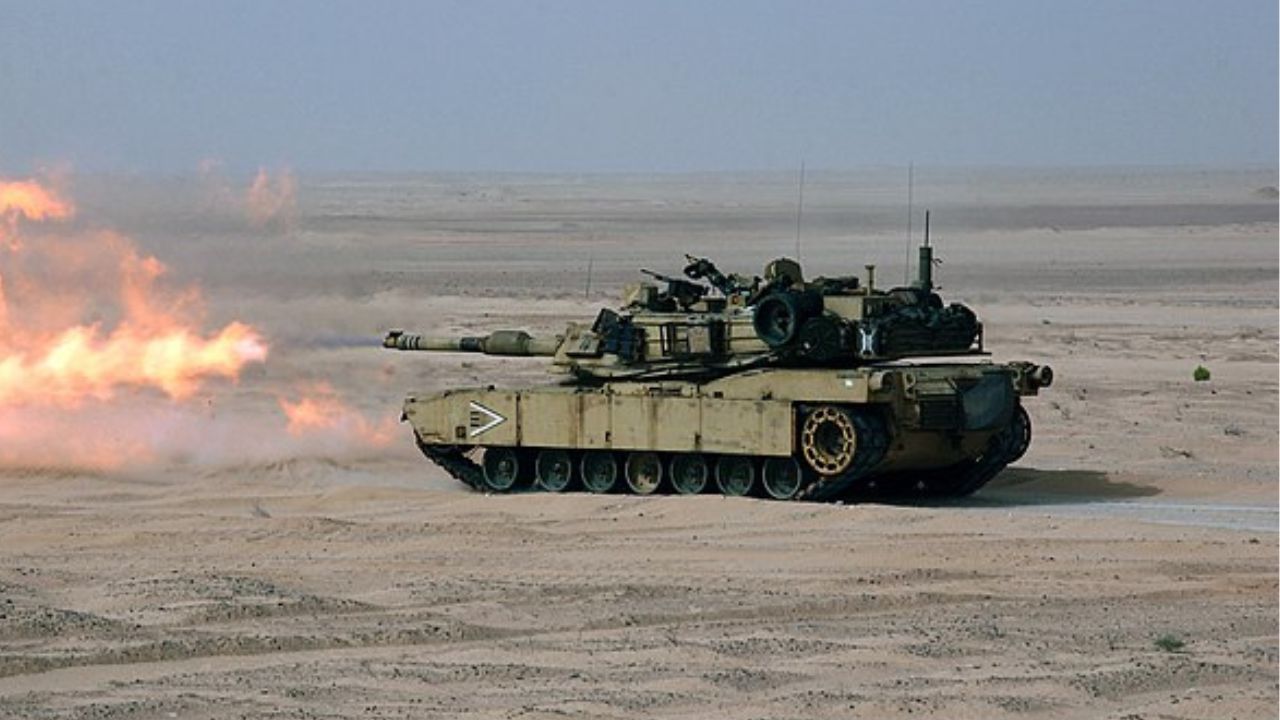
The M1 Abrams is about as no-nonsense as it gets. Since its debut in 1980, it’s set the bar for modern armored warfare. Powered by a 1,500-hp gas turbine engine, it hits speeds up to 45 mph—impressive for a 60-ton tank. Its Chobham composite armor and 120mm smoothbore cannon give it serious teeth.
Inside, it’s tight but well laid out for its four-man crew. Everything’s built around functionality, from the advanced fire control systems to its layered armor protection. It’s not flashy—it’s engineered to survive and dominate, and that’s exactly what it does.
Humvee (HMMWV)
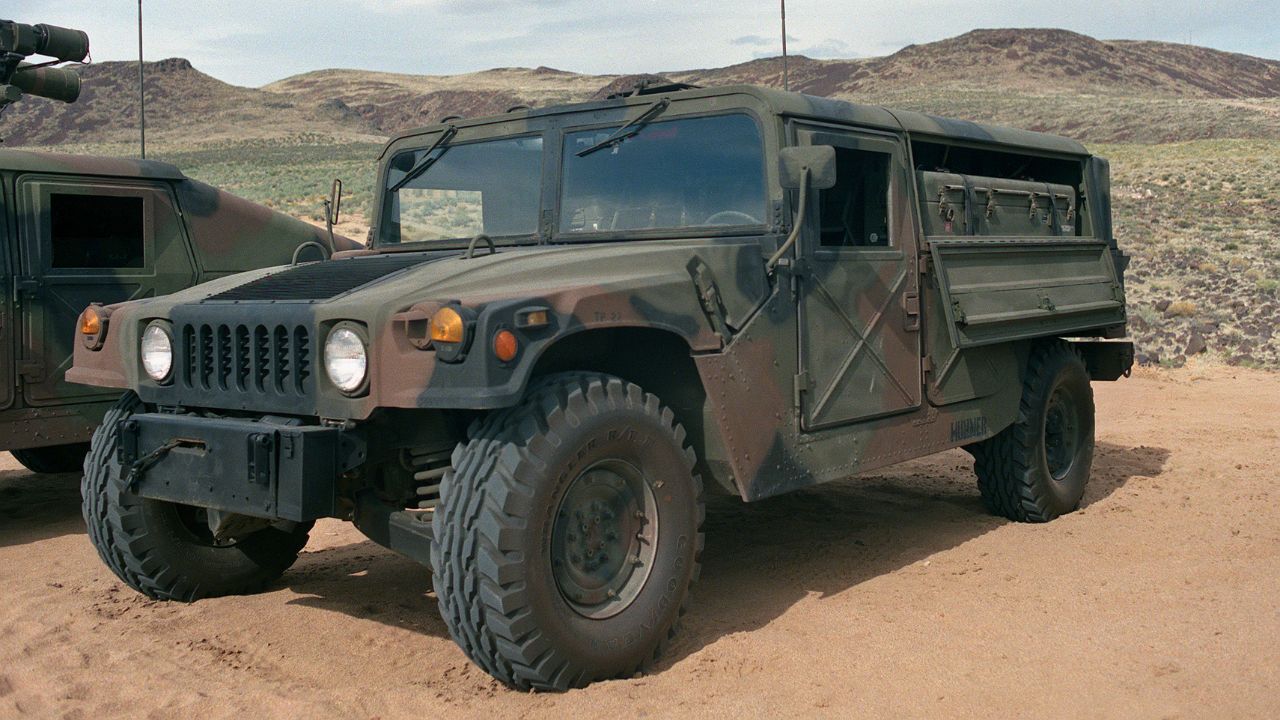
Introduced in the mid-‘80s, the Humvee replaced a fleet of aging Jeeps with something far more capable. It’s got a low center of gravity, full-time four-wheel drive, and portal gear hubs to give it excellent off-road clearance. Powered by a 6.2L or 6.5L V8 diesel, it tops out around 70 mph.
It’s not comfortable in a civilian sense, but it’s functional—room for gear, weapons, and personnel, with modular bodies that can be adapted for patrols, cargo, or command use. The Humvee helped redefine military mobility in the modern era.
M2 Bradley Infantry Fighting Vehicle

The M2 Bradley was never meant to just carry troops—it was built to fight alongside them. With a 25mm Bushmaster chain gun and TOW missile launcher, it packs a surprising punch. It’s powered by a Cummins VTA-903T diesel making 600 hp, pushing it to around 40 mph.
Crewed by three with room for six infantry, the interior is basic but heavily protected. Infrared vision, reactive armor, and a range of surveillance tools make it more of a combat partner than a transporter. It’s been in use since the 1980s for good reason—it gets the job done.
M35 “Deuce and a Half” Cargo Truck
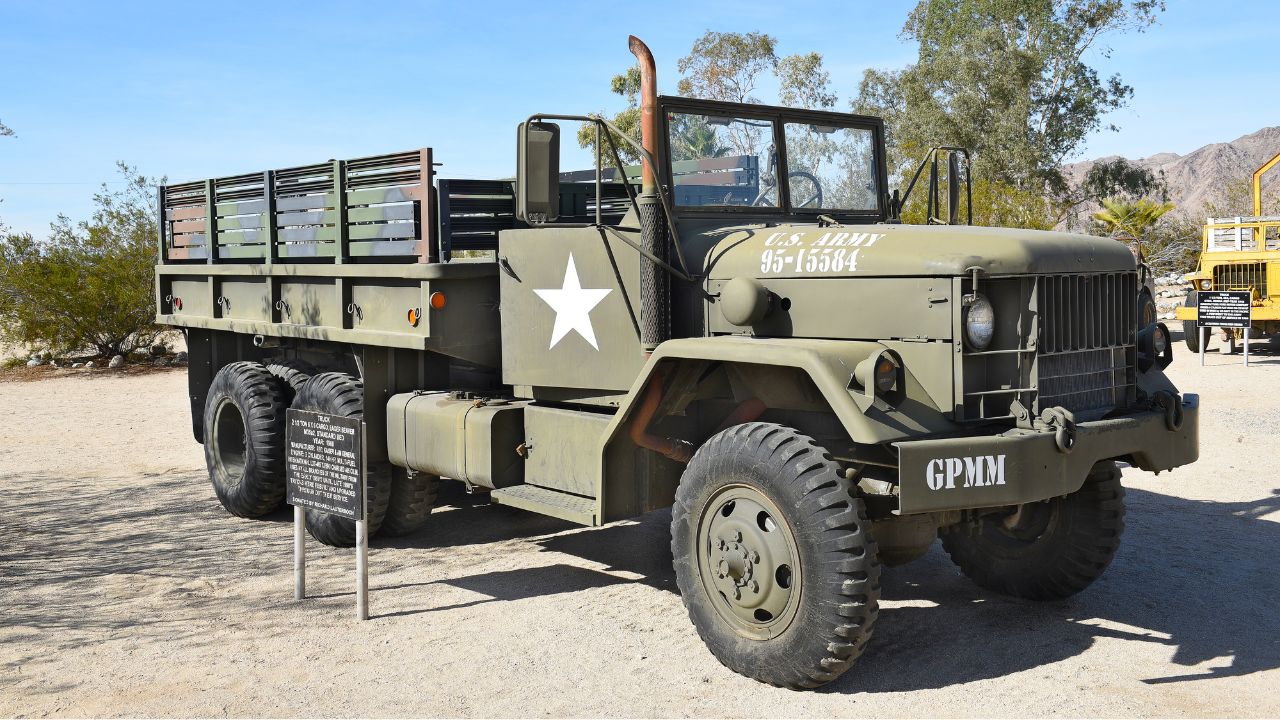
The M35 earned its nickname from its 2.5-ton payload capacity, but its durability gave it staying power from the 1950s through the 1990s. A straight-six multifuel engine made it incredibly versatile—diesel, gasoline, or even jet fuel in a pinch.
Its 10-wheel drive system and rugged leaf-spring suspension let it haul cargo just about anywhere. No frills inside—just simple gauges, hard benches, and a heater if you were lucky. It wasn’t meant to impress; it was built to haul everything from ammo to troops in the worst terrain imaginable.
Willys MB Jeep
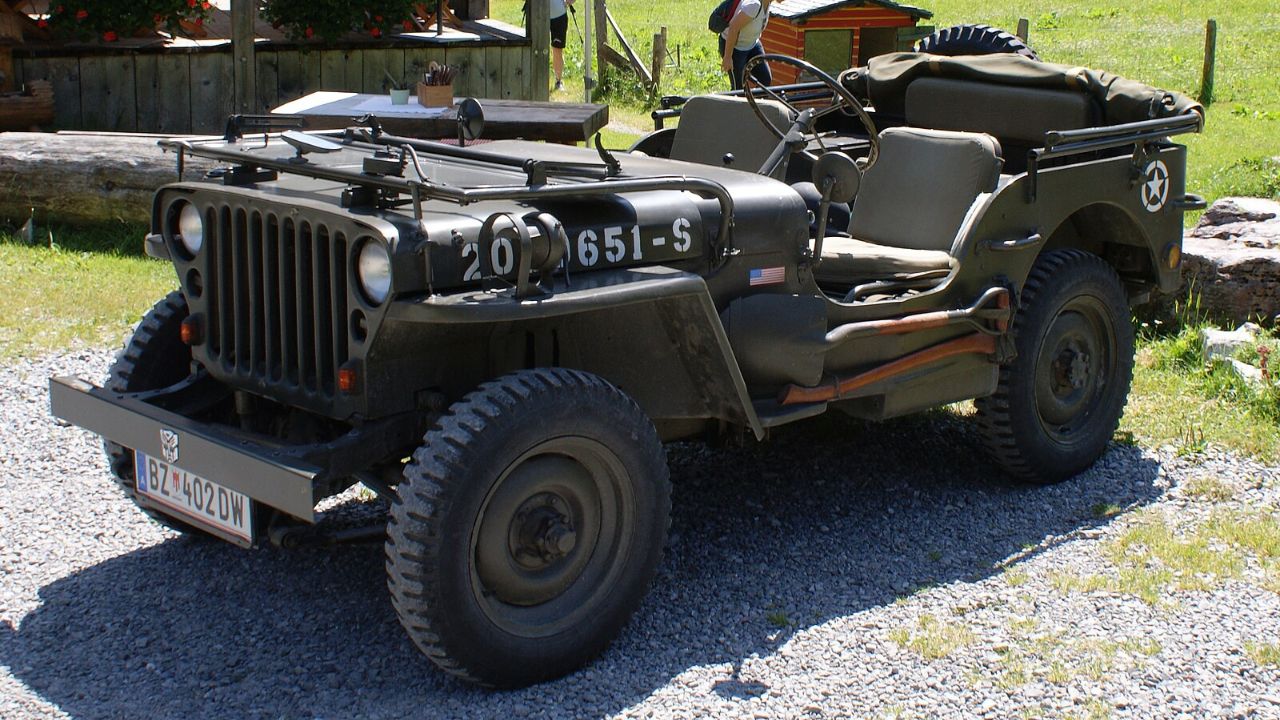
The Willys MB wasn’t the first four-wheel-drive vehicle, but it’s arguably the one that changed the game. Weighing under 2,500 lbs with a 60 hp Go-Devil engine, it was simple, light, and incredibly nimble. Top speed? Around 65 mph on pavement.
There’s nothing soft about the ride—leaf springs and a spartan interior mean you feel every bump. But that simplicity made it easy to repair in the field. It could ford streams, tow small artillery, and go where trucks just couldn’t. It didn’t just support the troops—it went wherever they did.
M3 Half-Track

The M3 Half-Track blurred the line between truck and tank. Introduced in WWII, it had a White 160AX 6-cylinder engine making 147 hp, enough to move its 9-ton body over rough terrain at around 40 mph. Front wheels handled steering, while the rear tracks gave it better off-road grip.
The layout was designed for utility: it seated up to 13 troops, with space for machine guns, radios, or cargo. Armor was thin, but enough to stop small arms fire. It wasn’t glamorous, but it brought mobility to front-line infantry and artillery crews in a way trucks couldn’t.
Oshkosh M-ATV
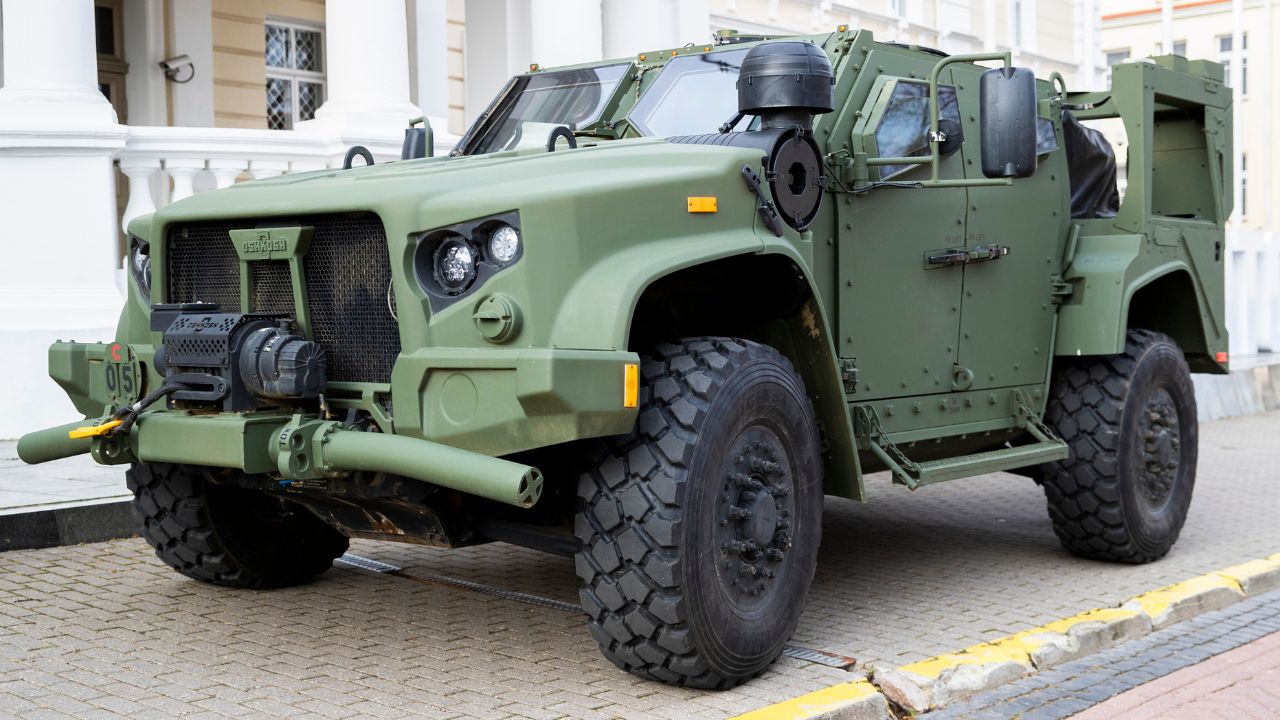
Built to withstand modern threats like IEDs, the Oshkosh M-ATV brought MRAP-level protection with off-road agility. Its Caterpillar C7 engine puts out 370 hp, moving the 25,000-lb beast up to 65 mph. TAK-4 independent suspension gives it 16 inches of wheel travel—more than some Baja racers.
Inside, it’s all business: shock-absorbing seats, mine-resistant floors, and touchscreen diagnostics. Every inch was designed to keep crews alive in the worst conditions. While it’s not “fast” in a sports car sense, it’s quick for what it is—and far more nimble than earlier armored trucks.
M4 Sherman Tank

The M4 Sherman wasn’t the biggest or most powerful WWII tank, but it was everywhere. Powered by a range of engines—including radial aircraft engines and diesels—it typically made about 400–500 hp. Its 75mm gun was effective, but outclassed by late-war German tanks.
Still, the Sherman’s real strength was reliability and numbers. Crews praised its ease of repair and straightforward controls. The interior was cramped but familiar to thousands of U.S. troops. It may not have been the heavyweight champ, but it punched above its weight when it mattered most.
FMTV (Family of Medium Tactical Vehicles)
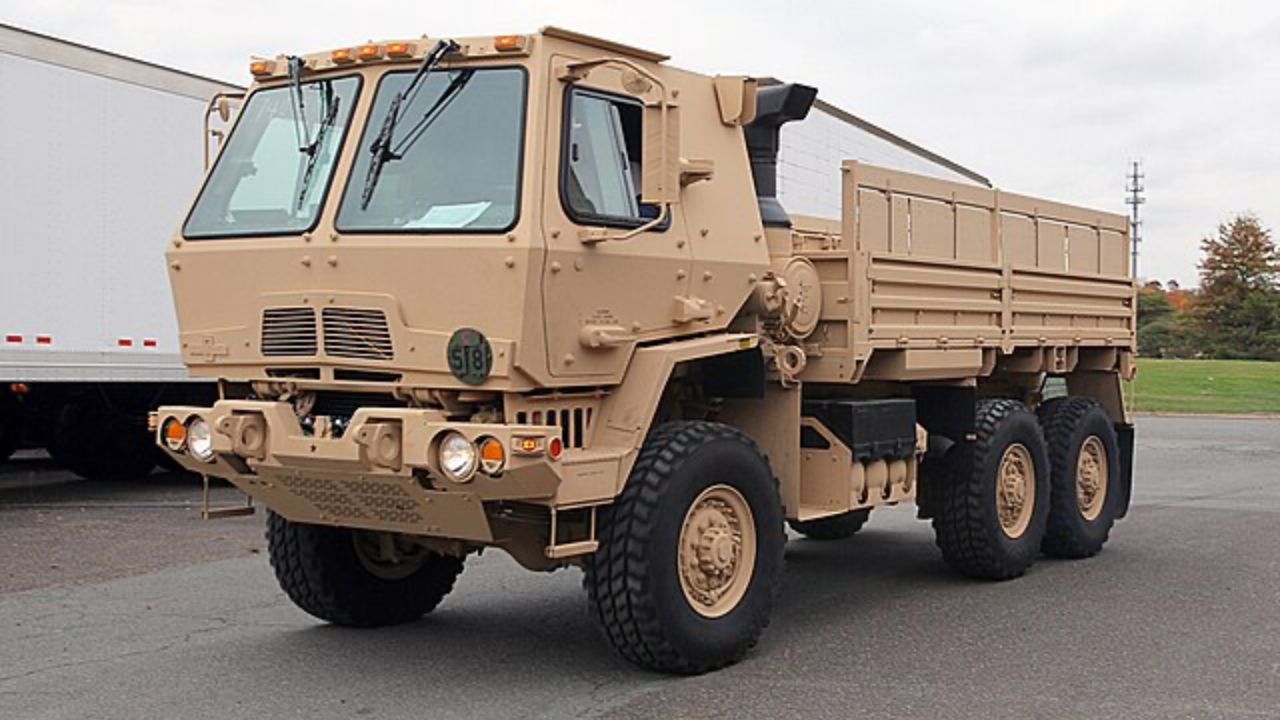
The FMTV line replaced aging cargo trucks with something more modular and easier to maintain. Based on the Austrian Steyr 12M18, these 4×4 and 6×6 trucks use a Caterpillar diesel with 330 hp and an Allison 7-speed automatic.
Its air-ride suspension and central tire inflation make it adaptable to all sorts of terrain. The interior is surprisingly modern for a workhorse: padded seats, climate control, and a digital dash. Whether it’s hauling supplies, communications gear, or troop carriers, the FMTV makes logistics look a lot less painful.
M1A2 SEP v3 Abrams
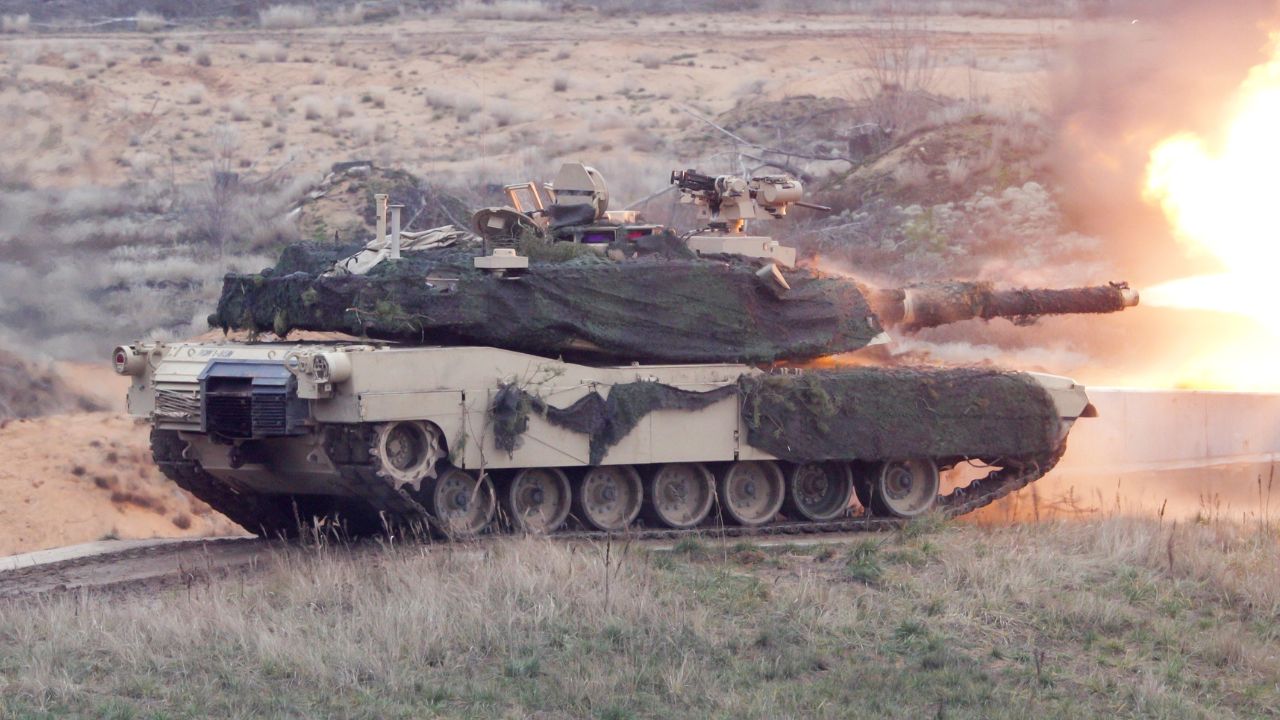
An upgraded version of the M1 Abrams, the M1A2 SEP v3 is the Army’s current top-line tank. It keeps the 1,500-hp gas turbine but adds improved armor, thermal imaging, and data connectivity. It can hit 42 mph while carrying over 70 tons of gear and firepower.
The crew cabin feels like a digital command center now—touchscreen displays, integrated targeting, and active protection systems. This isn’t just an upgrade—it’s a serious evolution. The SEP v3 shows how a 40-year-old platform can still stay at the front of the fight with the right upgrades.
Like Fast Lane Only’s content? Be sure to follow us.
Here’s more from us:
*Created with AI assistance and editor review.

Leave a Reply