The first-generation Toyota MR2 (W10, 1984–1989) proved that mid-engine fun didn’t have to break the bank. With sharp handling, Toyota reliability, and a modest footprint, it delivered real sports car dynamics at a price everyday drivers could manage. Here’s how the MR2 made the mid-engine layout accessible—without cutting corners on performance or style.
Affordable price tag
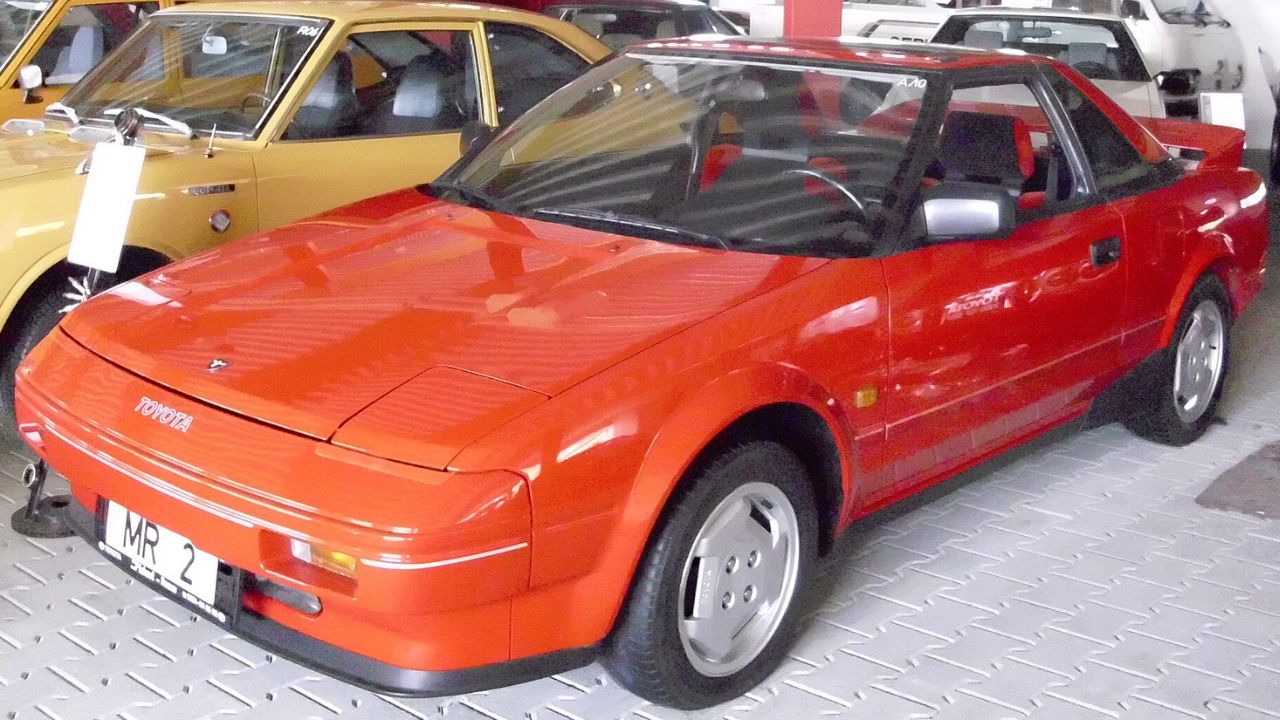
The 1985 MR2 started at around $10,999 and came with the 1.6-liter 4A-GE inline-four, producing 112 horsepower. That got you from 0–60 mph in about 8.1 seconds. With a curb weight around 2,350 pounds and a five-speed manual, it punched above its price point.
Add air conditioning and power windows, and you’d land around $14,000. For comparison, the Porsche 944 cost more than double. The MR2 gave you a real sports car layout for commuter money.
Mid-engine layout
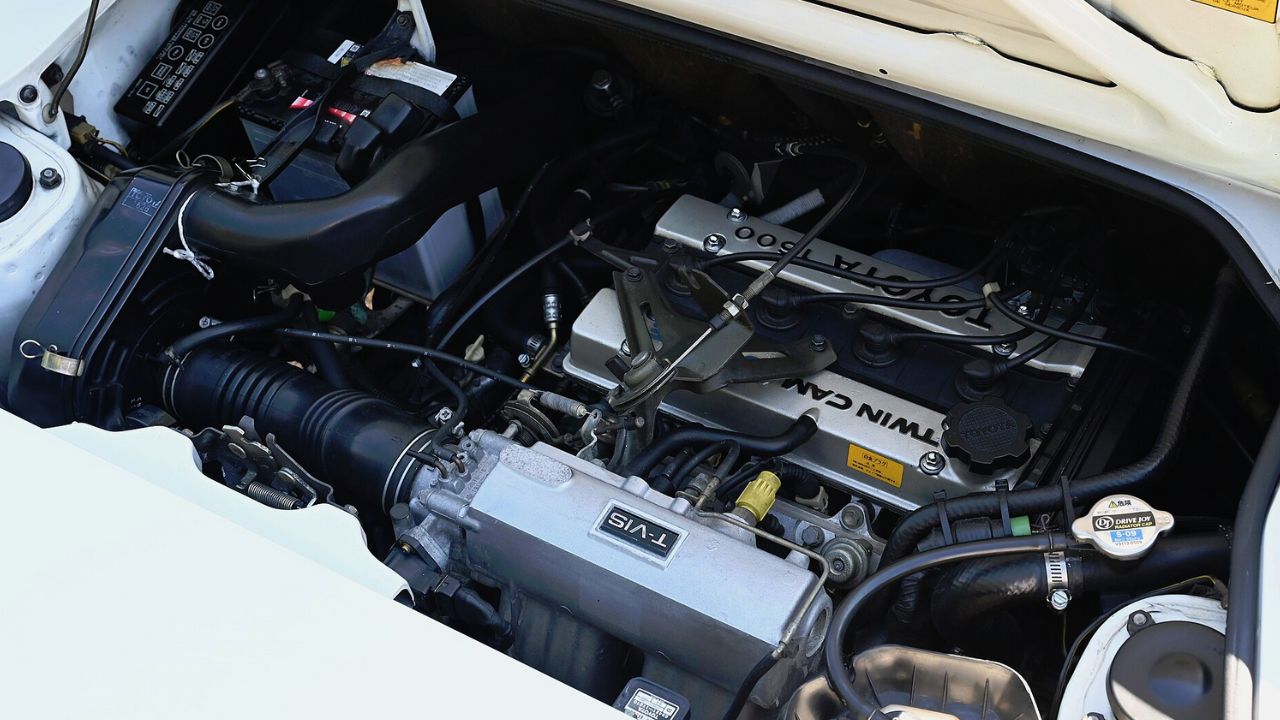
Toyota mounted the 1.6-liter 4A-GE transversely just behind the driver, giving the MR2 near-ideal balance with a 44:56 front-rear weight distribution. MacPherson struts on all four corners and front/rear disc brakes kept things simple and responsive.
Its wedge profile and pop-up headlights gave it presence, but the real charm was inside. A high center console and snappy shifter made the car feel like a scaled-down exotic without the headaches.
Supercharged power
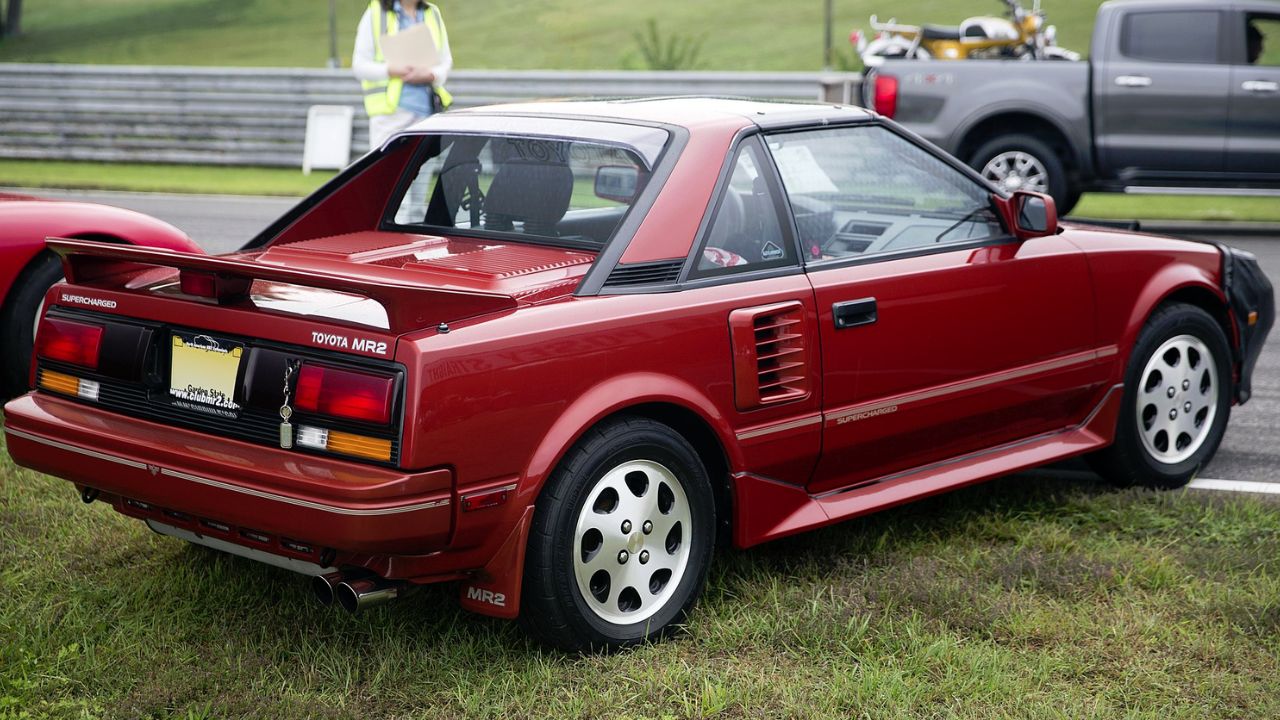
In 1988, Toyota added a supercharged version: the 4A-GZE. It pushed out 145 horsepower and 140 lb-ft of torque, shaving the 0–60 time to around 6.5 seconds. Curb weight rose slightly to ~2,360 pounds.
A small Roots-type blower, raised engine vents, and subtle badging set it apart. Inside, the green “supercharged” indicator light, three-spoke wheel, and tight cockpit kept it focused. It was fast, reliable, and under $16,000—something the Pontiac Fiero GT couldn’t match.
Lightweight design
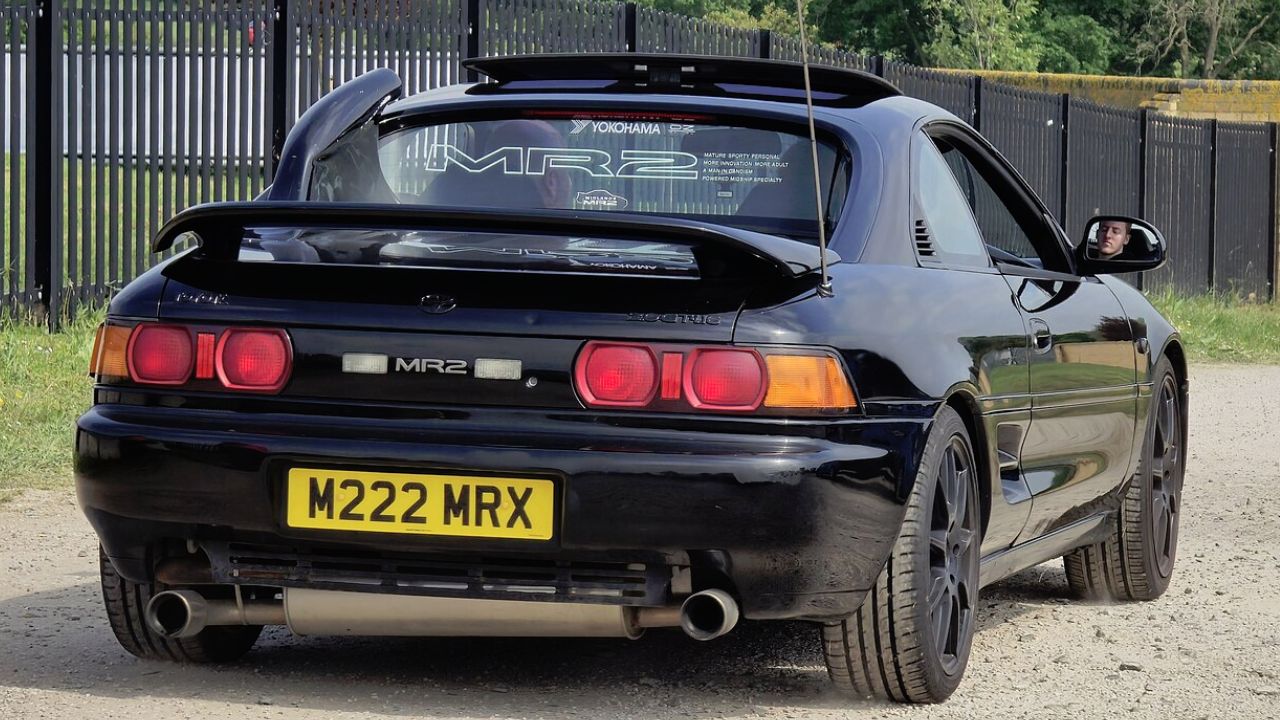
The MR2 weighed just over a ton and used steel bulkheads for added rigidity. That meant sharp turn-in and forgiving limits, even on skinny 185-series tires.
The 97.8-inch wheelbase gave it agility without twitchiness. Inside, cloth seats, a tilt sunroof, and smart storage made it livable. It out-handled heavier rivals like the Fiero, proving that lighter really is better.
Dan Gurney’s input
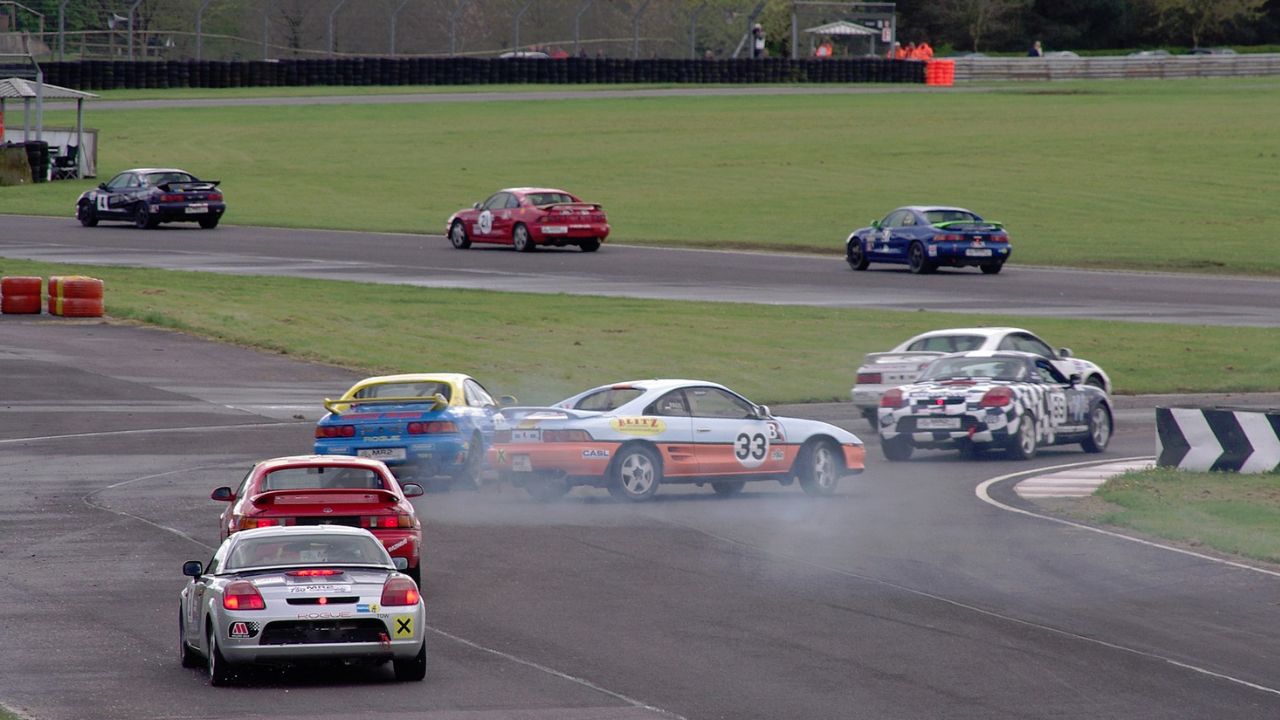
Dan Gurney’s All American Racers reportedly assisted Toyota with chassis tuning during the MR2’s development. Testing at Willow Springs helped fine-tune its handling balance, giving it an edge over similarly priced front-drivers.
While Gurney’s involvement wasn’t extensive, Toyota took performance seriously. The result was a car that could hang in the corners with more expensive hardware—without gimmicks.
Reliable engineering
The 4A-GE engine was based on Corolla architecture but tuned for revs and responsiveness. It made 112 horsepower and 97 lb-ft of torque, topping out around 120 mph with the five-speed manual.
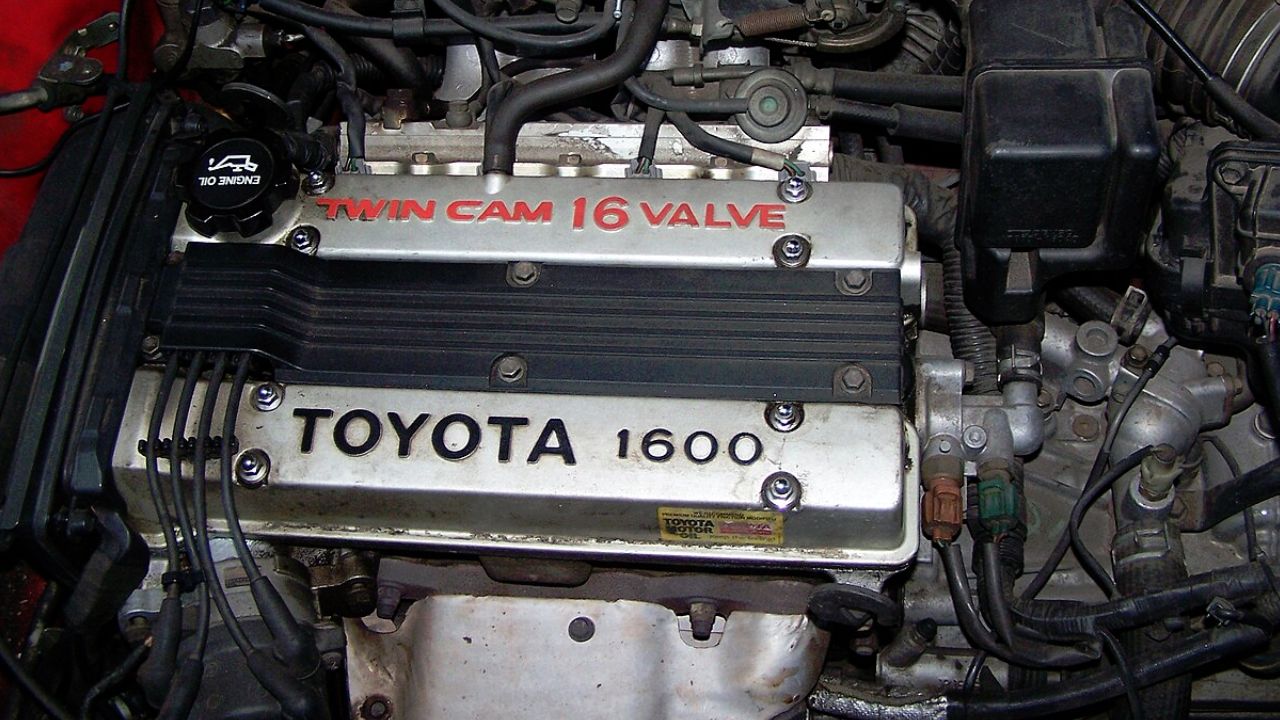
Toyota quality meant long service intervals, durable plastics, and minimal drama. Car and Driver ran one 30,000 miles without issue, making it a sensible buy even for a first-time sports car owner.
T-top fun and cabin space
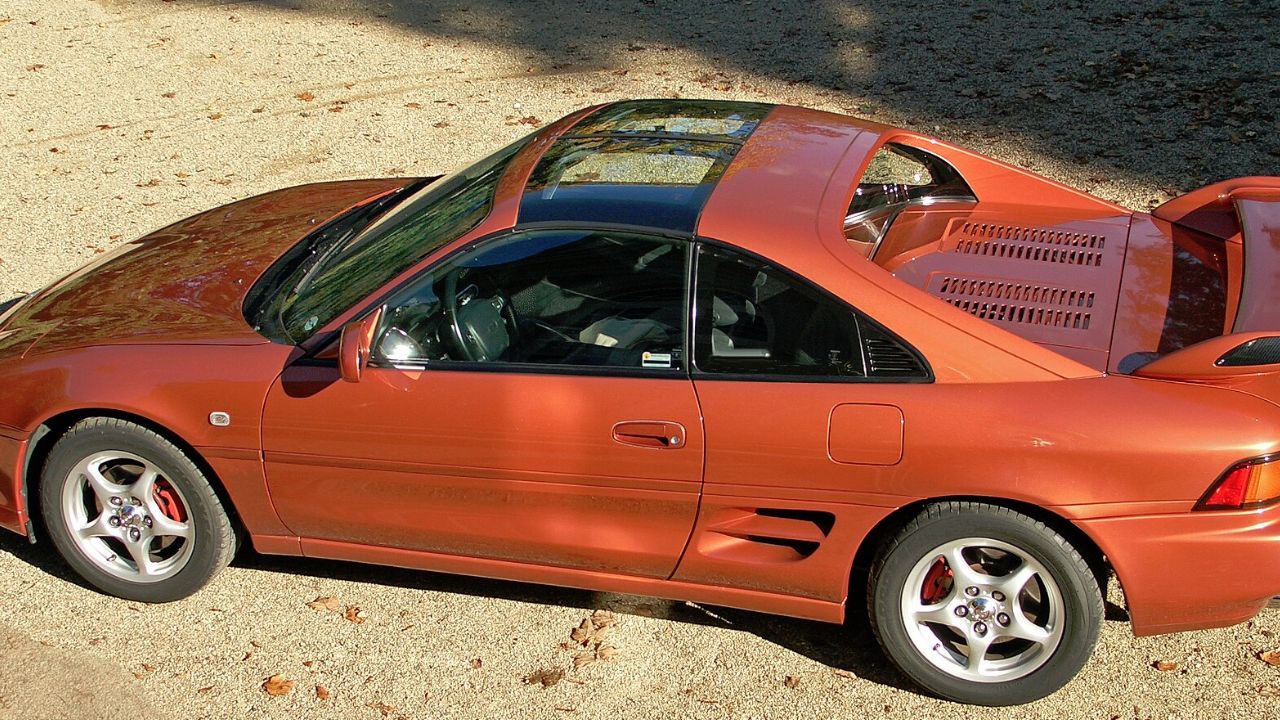
Starting in 1987, Toyota offered T-tops that brought open-air driving without the flex of a convertible. The glass panels popped out easily and stowed behind the seats.
Inside, the MR2 felt surprisingly roomy for its size. Dual trunks—one up front and one in back—made it practical. Compared to the cramped Fiero, it was better laid out, better built, and easier to live with.
Motorsport pedigree
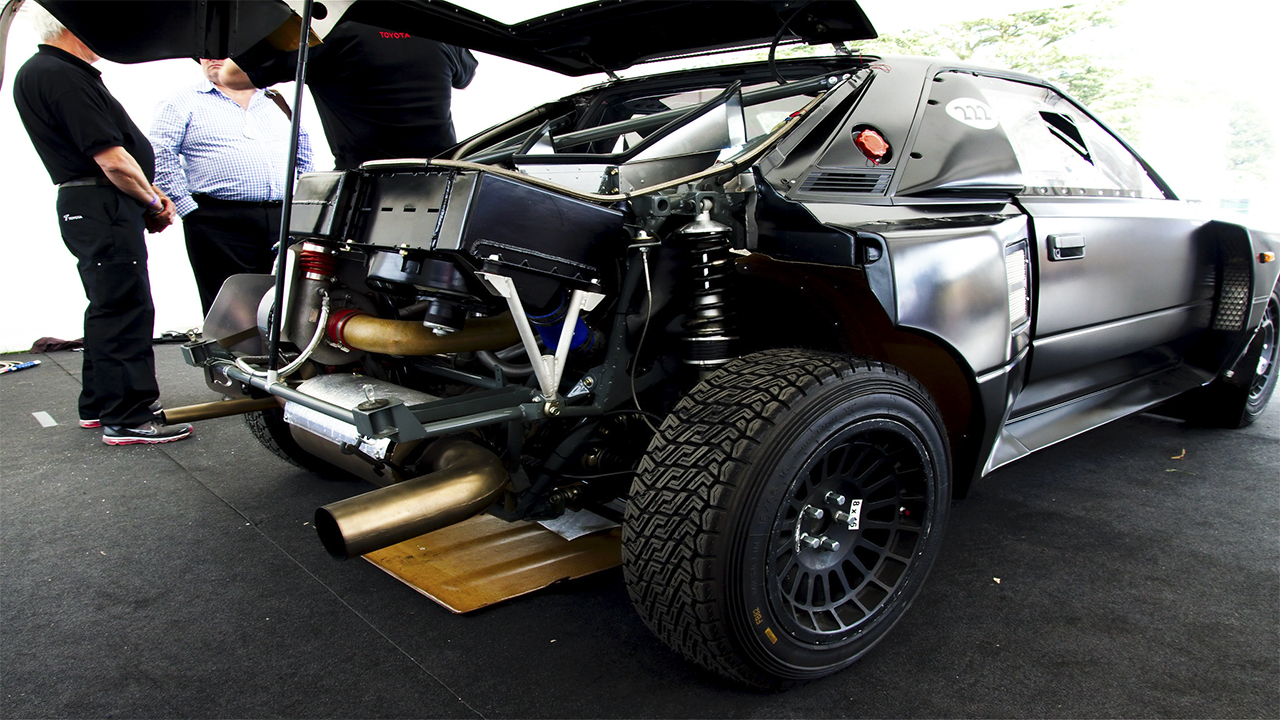
Toyota built the 222D rally prototype based on the MR2 shell, targeting Group S competition. It featured AWD and a turbocharged 2.0-liter engine making over 600 hp. Though never raced, it showed what the MR2 platform could handle.
For regular drivers, the MR2’s SCCA autocross success spoke volumes. It was light, quick, and adaptable—and a favorite among budget racers and weekend warriors.
Cultural impact
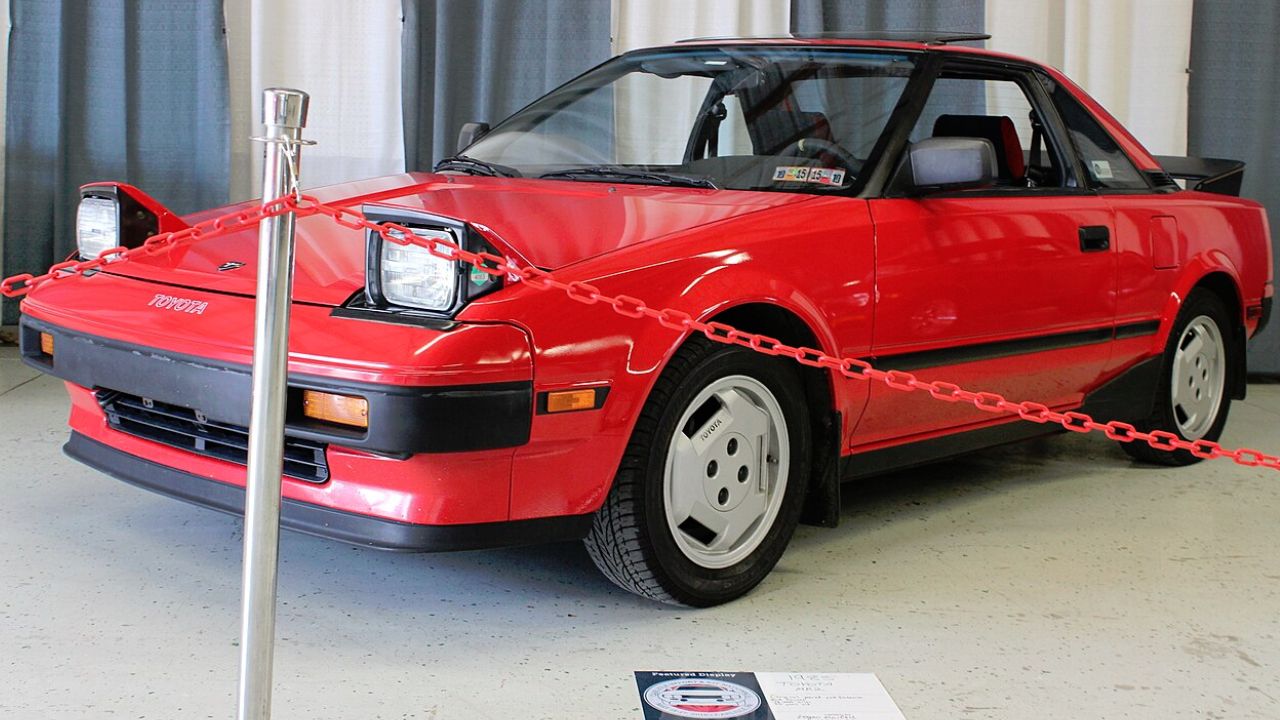
The MR2 won Motor Trend’s 1985 Import Car of the Year and sold nearly 97,000 W10s in North America. It left a lasting impression thanks to its unique layout, clean styling, and everyday usability.
Today, values range from $8,000–$12,000 for well-kept examples. For a generation of drivers, the MR2 proved you didn’t need Italian money—or a wrenching habit—to enjoy a real sports car experience.
Like Fast Lane Only’s content? Be sure to follow us.
Here’s more from us:
*Created with AI assistance and editor review.