Congressional leaders have turned a failed push for year-round E15 gasoline into a promise to “study” ethanol policy, creating a new task force just as tempers in farm country are boiling over. Instead of locking in permanent access to the 15 percent ethanol blend, lawmakers stitched together a compromise that keeps the government funding fight on track while punting the core question of how aggressively to back corn-based fuel.
That choice has exposed a widening rift between Midwestern Republicans who call ethanol a lifeline for rural economies and colleagues who worry about refinery jobs, air quality rules, and the politics of picking energy winners. It has also set up a high-stakes test of whether a task force born in a spending brawl can deliver the durable policy farmers say they were promised.
The deal that collapsed and the task force that replaced it
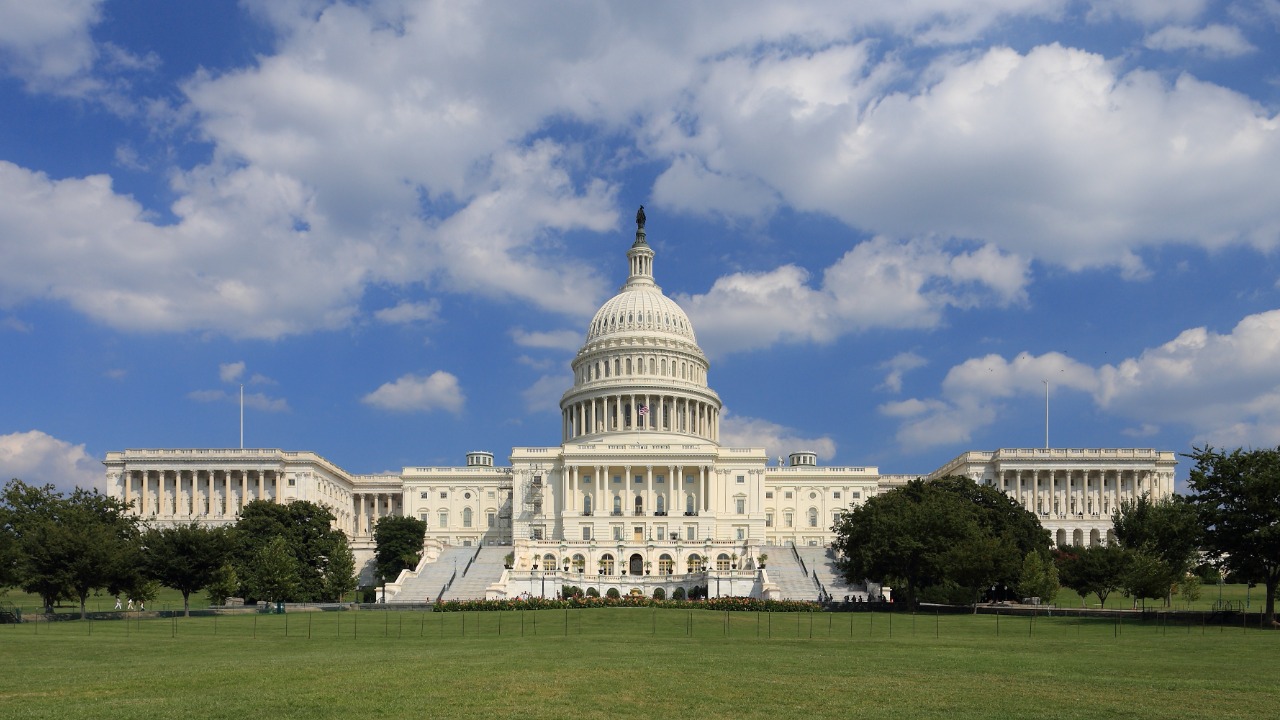
The immediate spark for the new ethanol panel was a breakdown in negotiations over the latest government funding package, where Midwestern lawmakers had pushed hard to tuck in language allowing year-round sales of E15. When that effort fell apart, congressional leaders moved instead to create an ethanol-focused working group, a move that let the broader spending bills advance while shelving the most divisive piece of the energy fight. The arrangement emerged as part of a scramble to keep the government open while tempers flared inside The Capitol Building over everything from border security to domestic energy.
To win over holdouts, GOP leaders agreed to set up what they described as a serious forum for hashing out ethanol policy, tying that promise directly to the floor strategy on a $1.2 trillion funding package. The commitment to a new working group on E15 was part of the price for moving ahead with debate, as party leaders tried to keep the focus on the broader spending fight while assuring rural members their top issue would not be forgotten. That bargain was laid out as GOP leaders mapped out the floor plan for the minibus and tried to contain a rebellion from their own side.
Inside the “E-15 Rural Domestic Energy Council”
At the center of the compromise is an “E-15 Rural Domestic Energy Council,” a task force designed to study how year-round E15 sales would ripple through fuel markets, refineries, and farm communities. The panel is expected to dig into the technical and economic questions that have dogged the blend, including how it interacts with air quality regulations that currently limit summertime sales in many regions. According to one outline of the deal, the Rural Domestic Energy would be tasked with examining E15 sales, the U.S. refining sector, and related energy security questions.
Supporters of ethanol have tried to take some comfort in the fact that the council is not open-ended. The agreement gives the group an accelerated schedule to produce legislative recommendations, a timeline that is meant to reassure farm groups that this is not just another Washington study destined to gather dust. As one account put it, Importantly for ethanol supporters, the council must move quickly to submit its ideas, even as some Senate leaders remain wary of locking in year-round E15.
Farm country’s patience snaps
Out in the corn belt, the reaction has been far less diplomatic. In Ohio, farmers who have watched this debate drag on for years erupted after Congress again failed to deliver permanent E15 access, venting their anger at local meetings and in public statements. One report described how Home in the Buckeye Briefs section captured the frustration of Ohio producers like Dennis Vennekotter, who see E15 as a crucial way to move corn through the market.
National farm leaders have been just as blunt. According to According to AFBF President Zippy Duvall, farm groups had spent months expecting both disaster aid and an E15 provision to ride on the government funding package, only to see both priorities stripped out in the final stretch. That same account noted that the fallback idea was the formation of an E15 council, a consolation prize that many growers now view as a poor substitute for the certainty they were seeking.
Corn growers and ethanol advocates lash out
Corn organizations that have spent years lobbying for E15 did not hide their anger at seeing the issue kicked to a task force. In Ohio, Ohio farmer and National Corn Growers issued a statement that captured the mood, warning that growers were tired of seeing the issue pushed “down the road once again.” His frustration echoed across state lines, as producers who invested in blender pumps and storage to handle E15 wondered how many more seasons they would be asked to wait.
State groups were just as pointed. In Missouri, one account quoted leaders saying “Missouri corn growers are outraged by Congress’s decision to punt year-round E15 once again and instead create a so-called task force,” a line that neatly captured the skepticism greeting the new council. National trade groups were no calmer, with the Media and News News Releases arm of the RFA saying it was Extremely Disappointed by Congress and urging that year-round E15 still be considered for future adoption.
Why House Republicans blinked
Inside the House, the ethanol fight became a proxy for deeper divisions over how far Republicans should go in reshaping energy markets through federal policy. Speaker Mike Johnson, R-La., spent the night in negotiations trying to head off a revolt from Midwestern Republicans who were threatening to block the funding bills unless they got a clear path for E15. In the end, leadership concluded that a task force and a promise of future action were the only way to keep the spending package alive without alienating members from refinery-heavy districts or those wary of expanding federal mandates.
The floor drama played out as The House on Thursday rebuffed, at least for now, efforts by Midwestern lawmakers to secure year-round E15, underscoring how divided Republicans remain on the issue. At the same time, a separate effort to give biofuels a more formal voice in policy debates moved ahead, with a new House biofuels group launched even as the spending fight raged. In that context, EST coverage noted that Rep Don Bacon, R-Neb, called biofuels legislation “the No. 1 issue for our farmers,” a reminder of how central this fight has become in districts far from the coasts.
More from Fast Lane Only