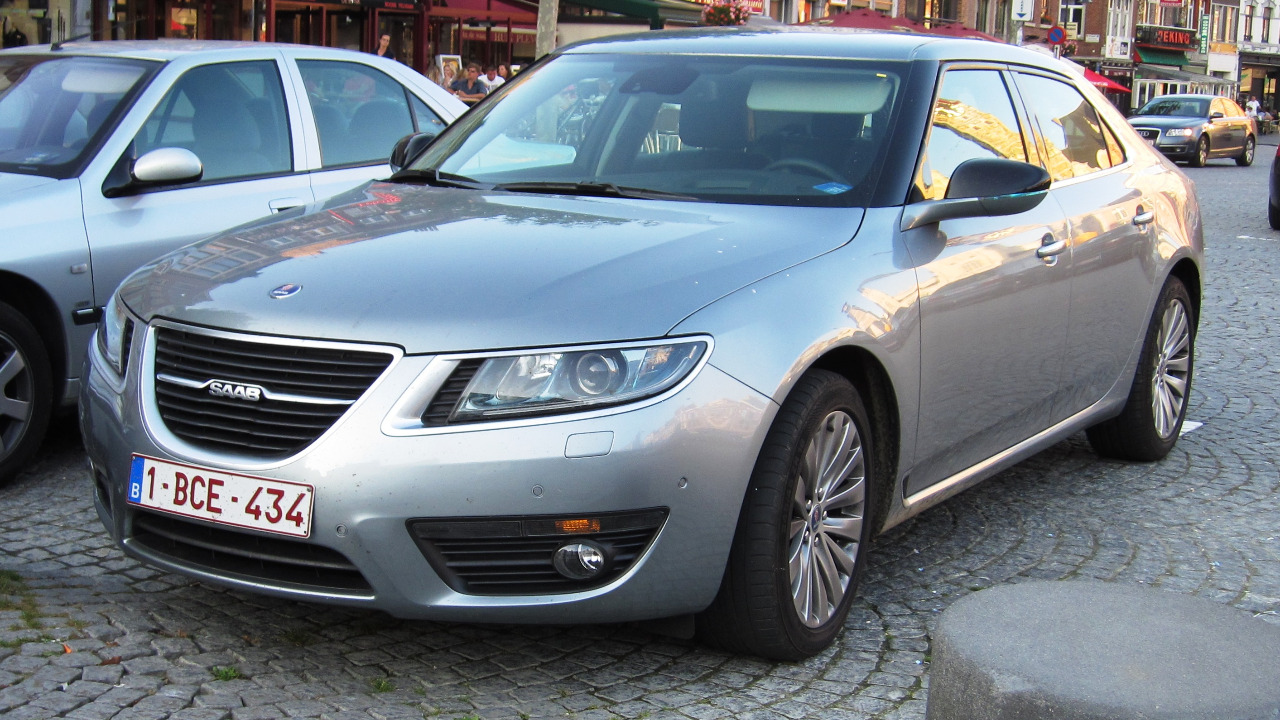
Buying a used car can be a smart way to save money, but it’s essential to choose wisely. Some vehicles, despite their initial appeal, might leave you with more headaches than joyrides. From high-maintenance luxury sedans to discontinued models with scarce parts, knowing which cars to avoid is crucial. Here’s a look at some used cars that may not deliver the satisfaction you’re hoping for.
High-Mileage Luxury Sedans
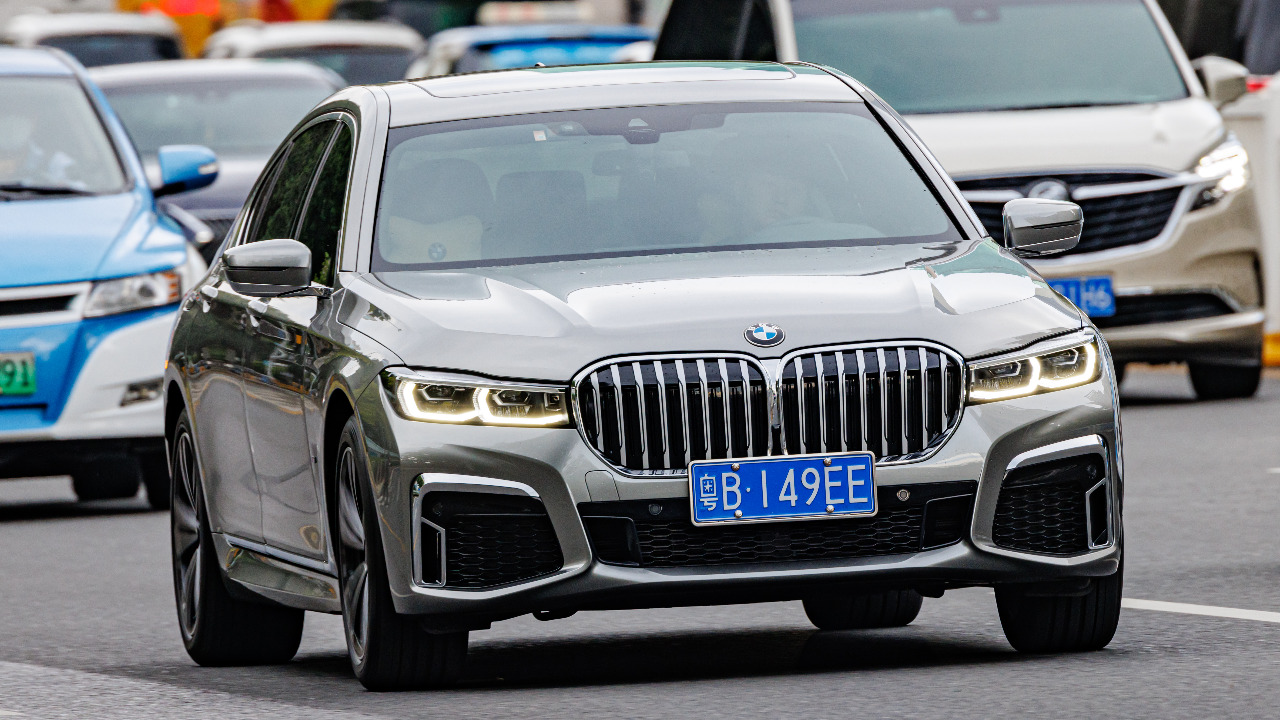
Luxury sedans like the 2007 BMW 7 Series or the 2008 Mercedes-Benz S-Class may have initially dazzled with their opulence, but high mileage can turn them into a costly affair. These cars often come with complex systems that age poorly, leading to frequent, expensive repairs. Even routine maintenance can drain your wallet, given the premium parts and specialized labor they require.
The allure of a luxury badge fades quickly when faced with persistent electronic glitches and mechanical problems. Before succumbing to their charm, consider the long-term financial implications of maintaining such vehicles. You might find that their prestige isn’t worth the potential burden.
Early 2000s Minivans
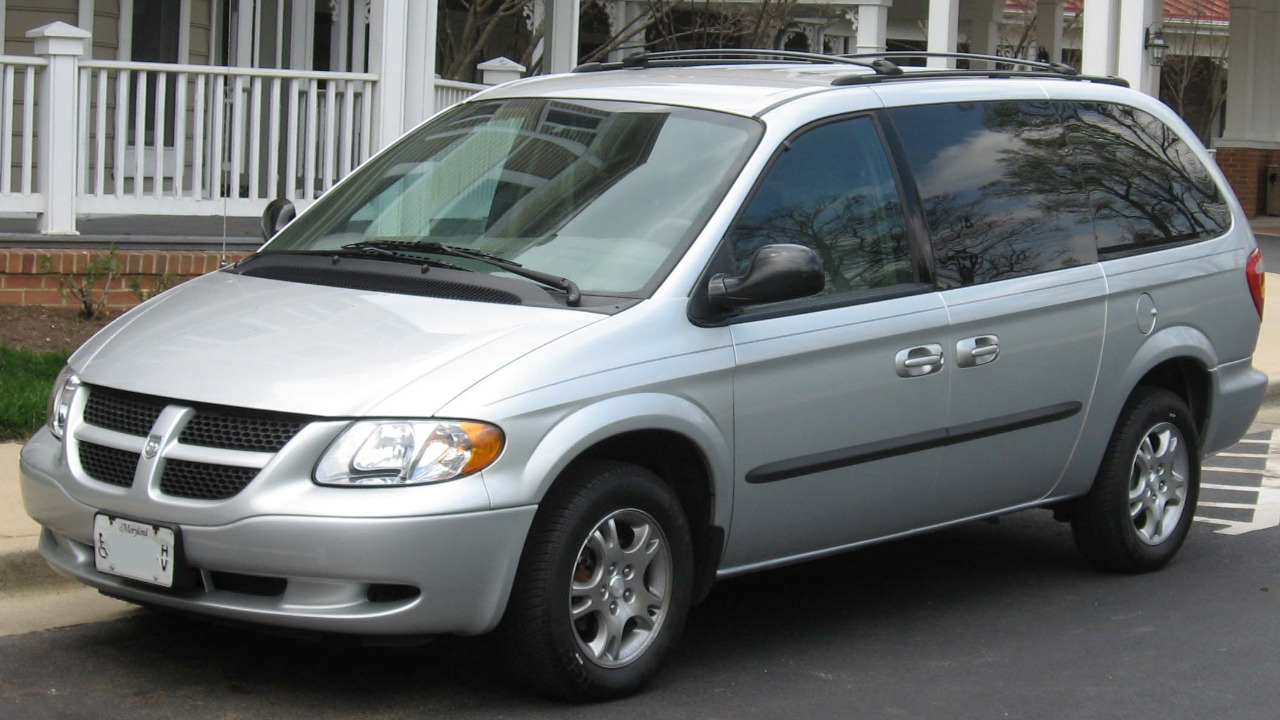
Minivans from the early 2000s, such as the 2001 Dodge Caravan or 2003 Honda Odyssey, might seem like practical choices for families. However, these vehicles are often plagued by transmission issues and engine problems. They also tend to have outdated safety features, which could compromise your family’s security on the road.
While their spacious interiors and family-friendly amenities are appealing, be prepared for the possibility of hefty repair bills. Before committing, it’s wise to research specific model years for common issues and consider investing in a more reliable option.
Over-Hyped Electric Cars
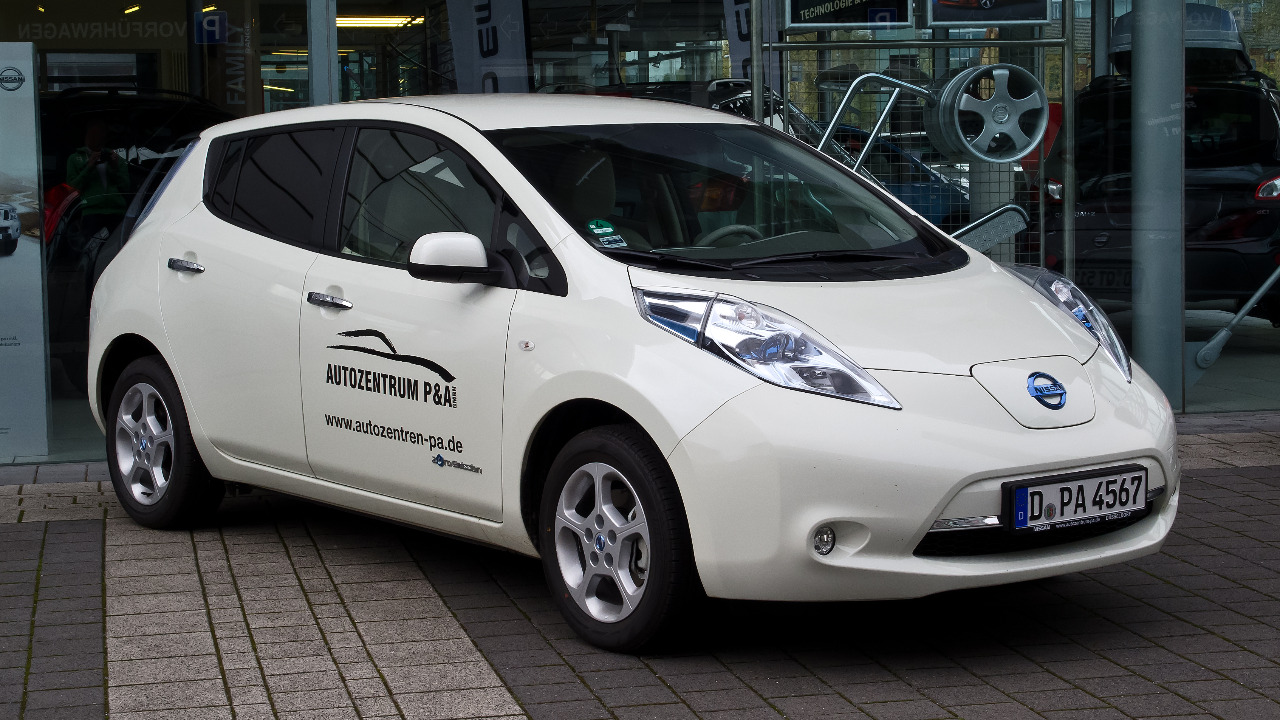
Some electric cars have gained a reputation that doesn’t quite match their real-world performance. Vehicles like the 2012 Nissan Leaf, for example, were groundbreaking at the time but suffer from limited range and battery degradation issues today. These factors can significantly impact usability and resale value.
As electric vehicles evolve rapidly, older models may not support new charging infrastructure or technologies, leaving you with an outdated car that’s hard to maintain. It’s crucial to weigh the benefits against potential inconveniences before purchasing a used electric car.
Diesel Vehicles with Emission Scandals
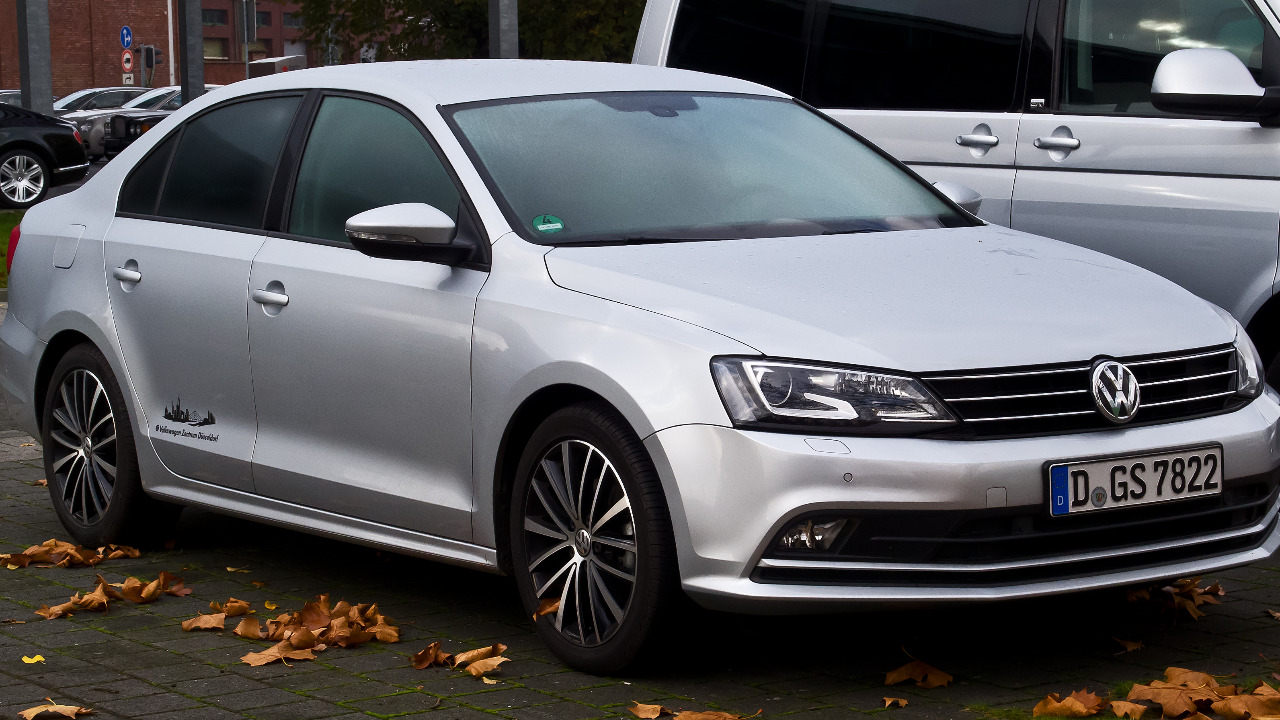
Diesel cars affected by emission scandals, like the Volkswagen Jetta TDI, carry a stigma that can be hard to shake. These vehicles might offer good fuel economy and performance, but the tainted reputation can affect resale value and limit where they can be driven due to stricter emission standards.
Beyond the scandal, diesel vehicles often require more expensive maintenance, particularly if emission control systems were tampered with. Consider these factors and research whether any software updates or fixes have been applied before deciding on such a purchase.
First-Generation Hybrid Models
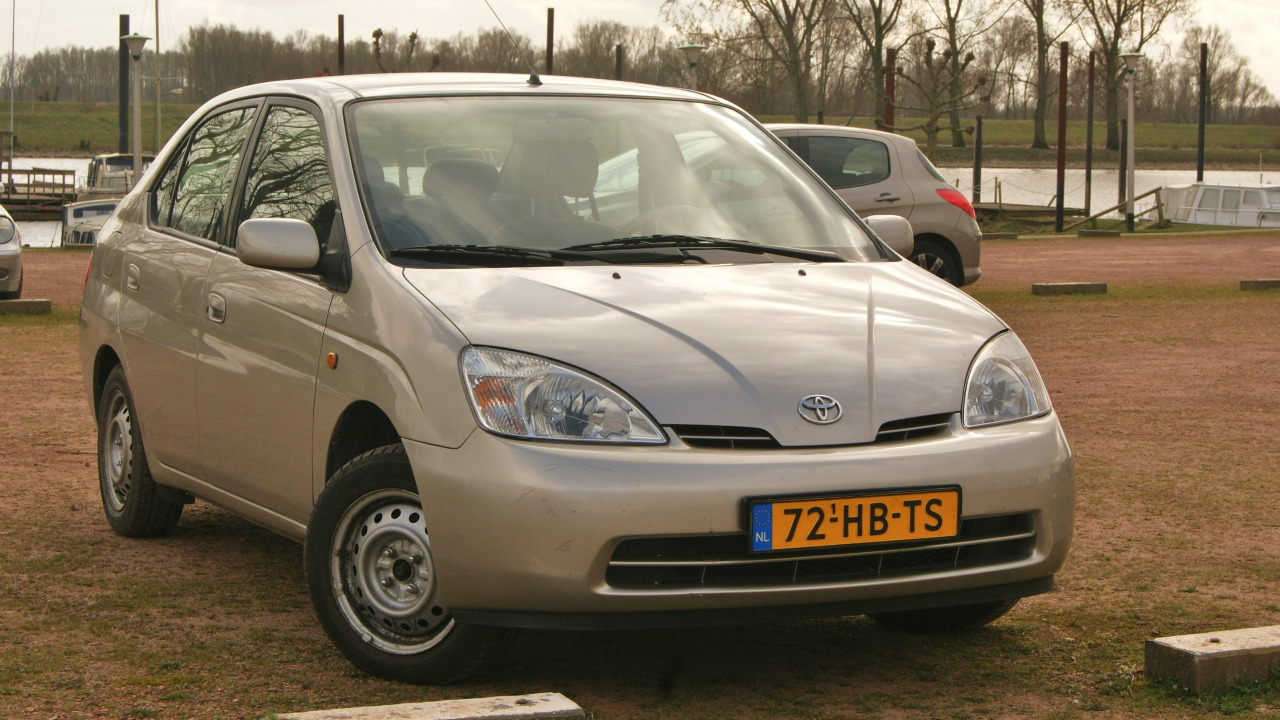
Early hybrids like the 2001 Toyota Prius or the 2007 Honda Insight introduced a new era of fuel efficiency but came with their own set of challenges. Battery life is a significant concern, as replacement costs can be prohibitive. Moreover, the technology has advanced considerably, making these first-gen models less appealing in terms of performance and features.
If you’re considering a first-generation hybrid, evaluate the condition of the battery and research any known issues with the specific model year. It might be wise to opt for a newer hybrid that offers better efficiency and reliability.
Compact Cars with Known Engine Issues
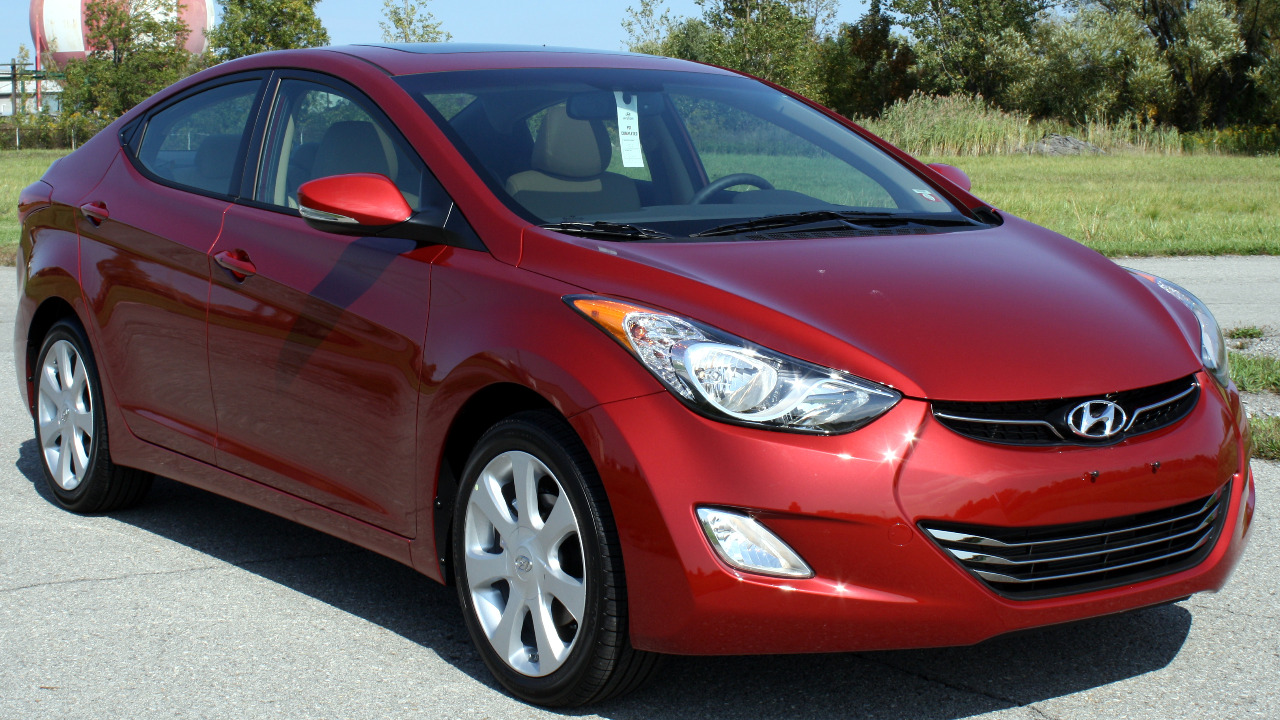
Compact cars like the 2010 Ford Focus or the 2012 Hyundai Elantra might seem like economical choices, but they are infamous for engine problems. Issues such as faulty transmissions and troublesome electrical components can make these vehicles a poor investment.
While their initial purchase price is attractive, the potential for ongoing repairs can quickly negate any savings. Before buying, it’s essential to verify the service history and check if any recalls have been addressed to avoid unexpected surprises.
Older SUVs with Faulty Transmissions
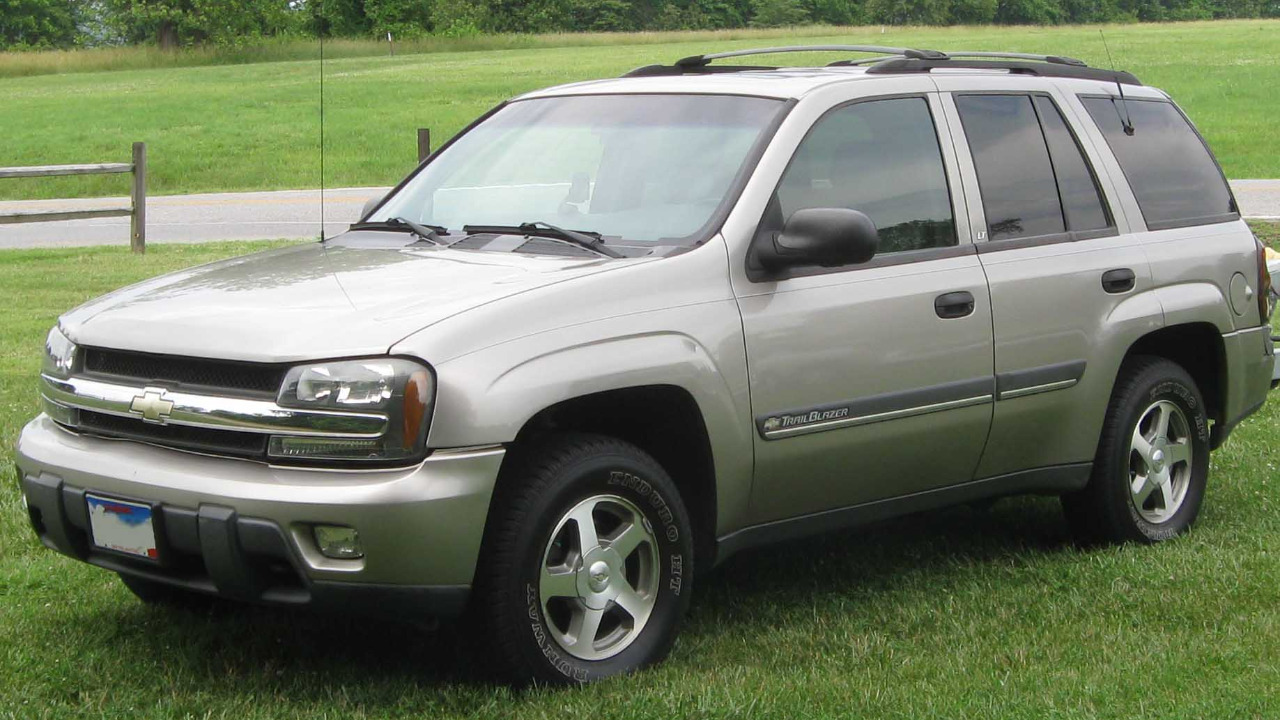
SUVs like the 2005 Chevrolet TrailBlazer or the 2006 Ford Explorer are notorious for transmission issues as they age. Repairs can be costly, and these vehicles often suffer from poor fuel economy, which adds to the overall expense of ownership.
The allure of a rugged, spacious SUV might be strong, but the risks associated with older models are worth considering. Investigate the transmission’s condition and be prepared for potential repair costs if you choose to go this route.
Budget Sports Cars with High Maintenance Costs
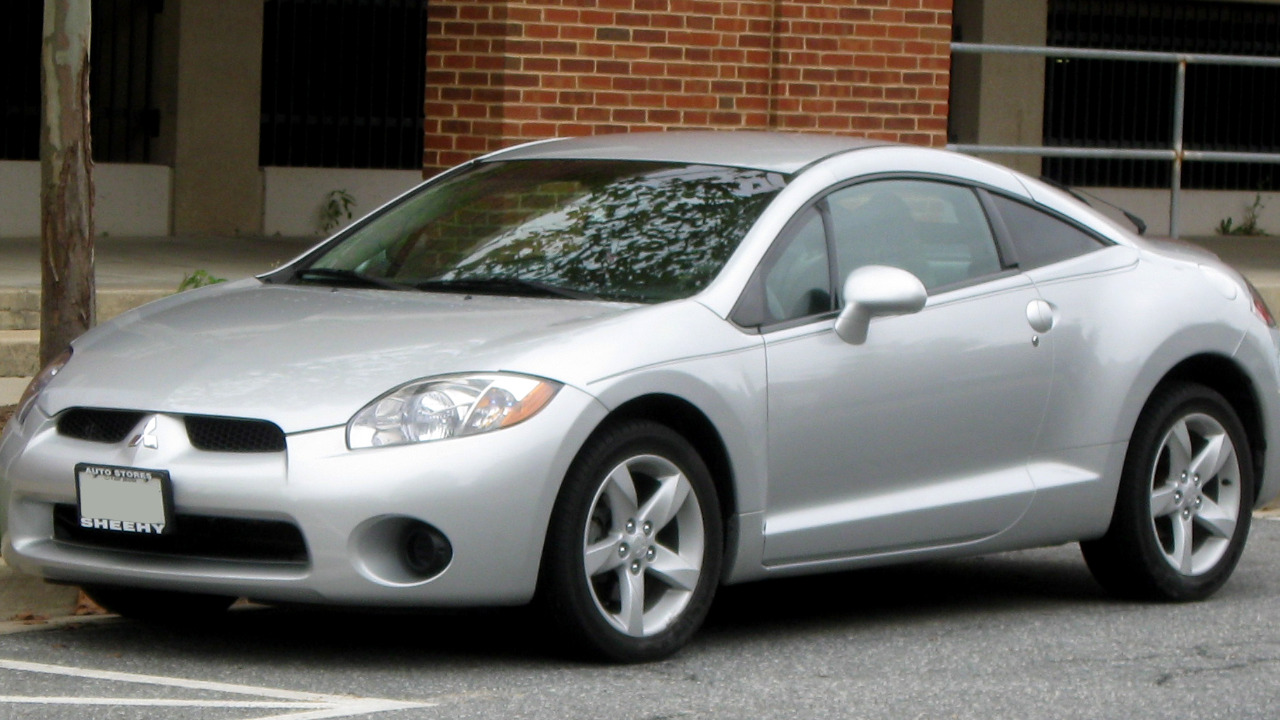
Sports cars like the 2008 Mazda RX-8 or the 2010 Mitsubishi Eclipse can promise thrilling drives at an affordable price, but they often come with high maintenance costs. Issues with rotary engines or turbochargers can lead to significant repair bills.
While these cars might fit a tight budget initially, the long-term costs can be steep. Ensure you’re aware of the specific challenges associated with these models and factor in potential maintenance expenses before making a purchase.
Discontinued Models with Limited Parts Availability
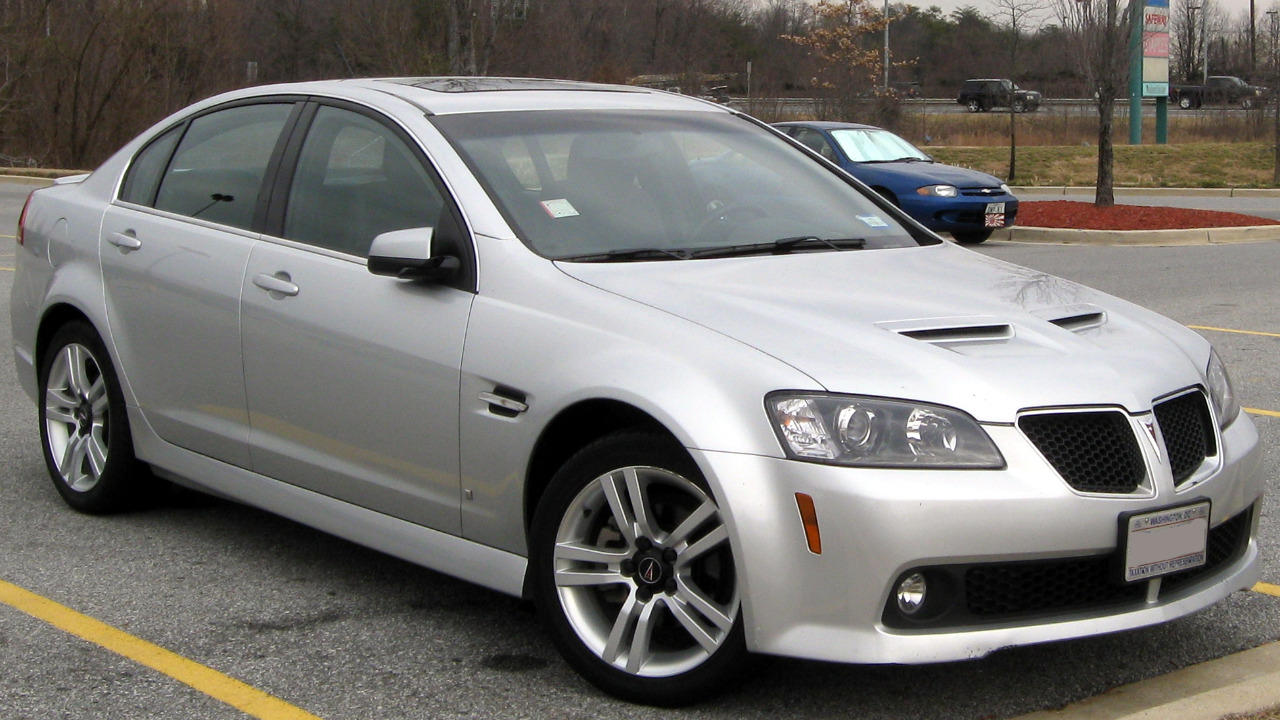
Buying cars like the 2009 Pontiac G8 or the 2011 Saab 9-5, which are no longer in production, can lead to difficulties in finding replacement parts. This scarcity not only drives up the cost of repairs but can also lead to extended downtime when your vehicle needs work.
Before purchasing a discontinued model, research the availability of parts and consider whether the design and features are worth the potential inconvenience. It might be a good idea to explore alternatives that offer better support and reliability.
Convertibles with Poor Roof Mechanisms
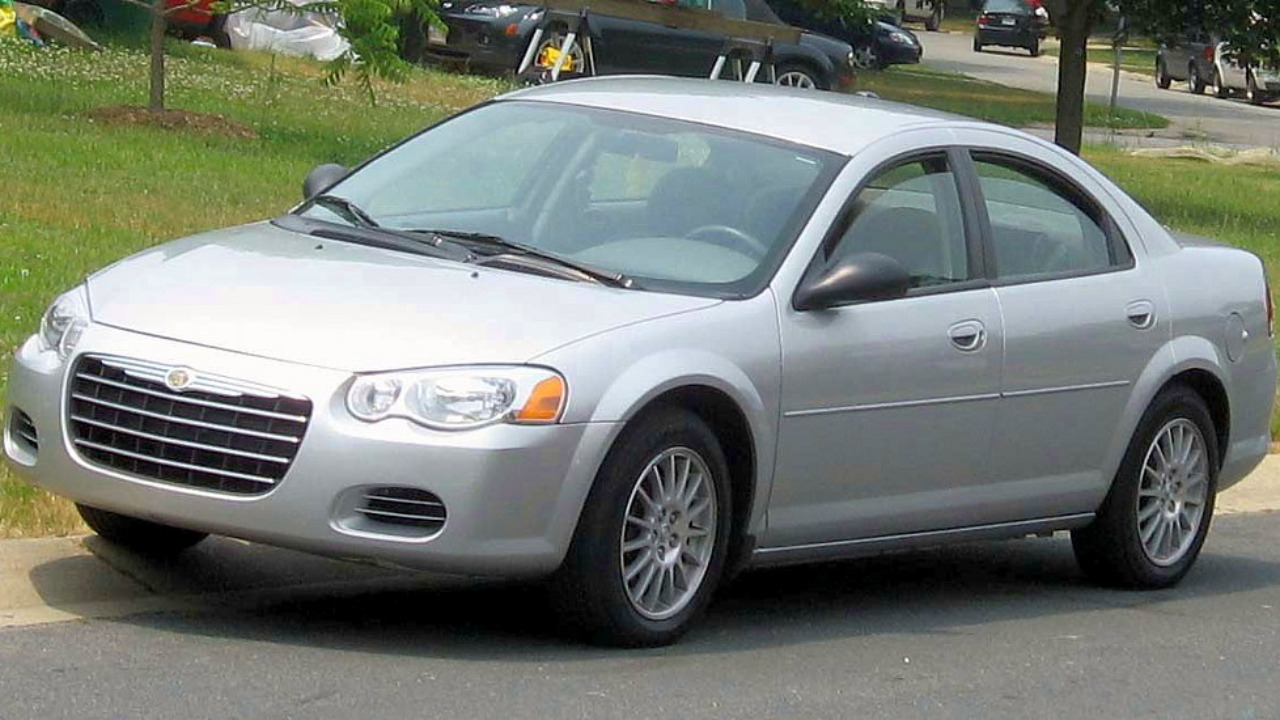
Convertibles like the 2006 Chrysler Sebring and the 2007 Volkswagen Eos often suffer from problematic roof mechanisms. These issues can lead to leaks, wind noise, and expensive repairs, detracting from the open-air driving experience.
While the allure of a convertible is undeniable, ensure the roof mechanism is in good condition and factor in potential repair costs. A thorough inspection by a qualified mechanic is advisable before making a decision.
Vehicles with a History of Recalls
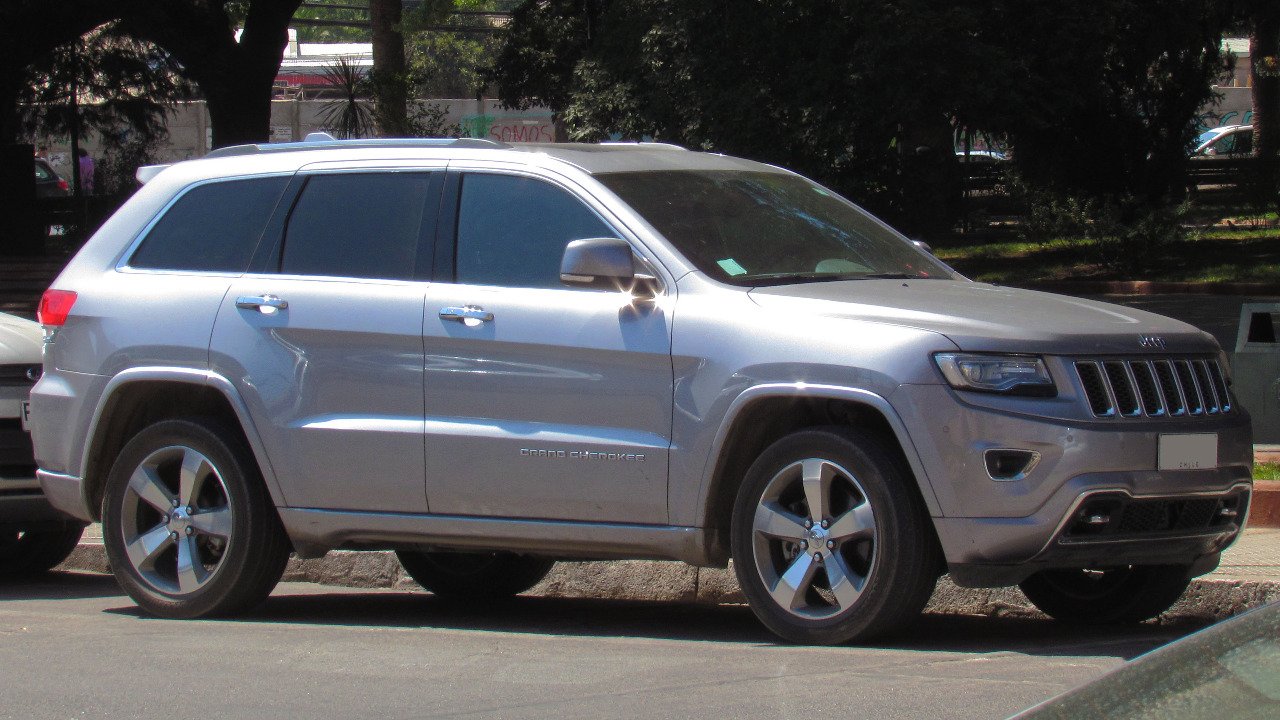
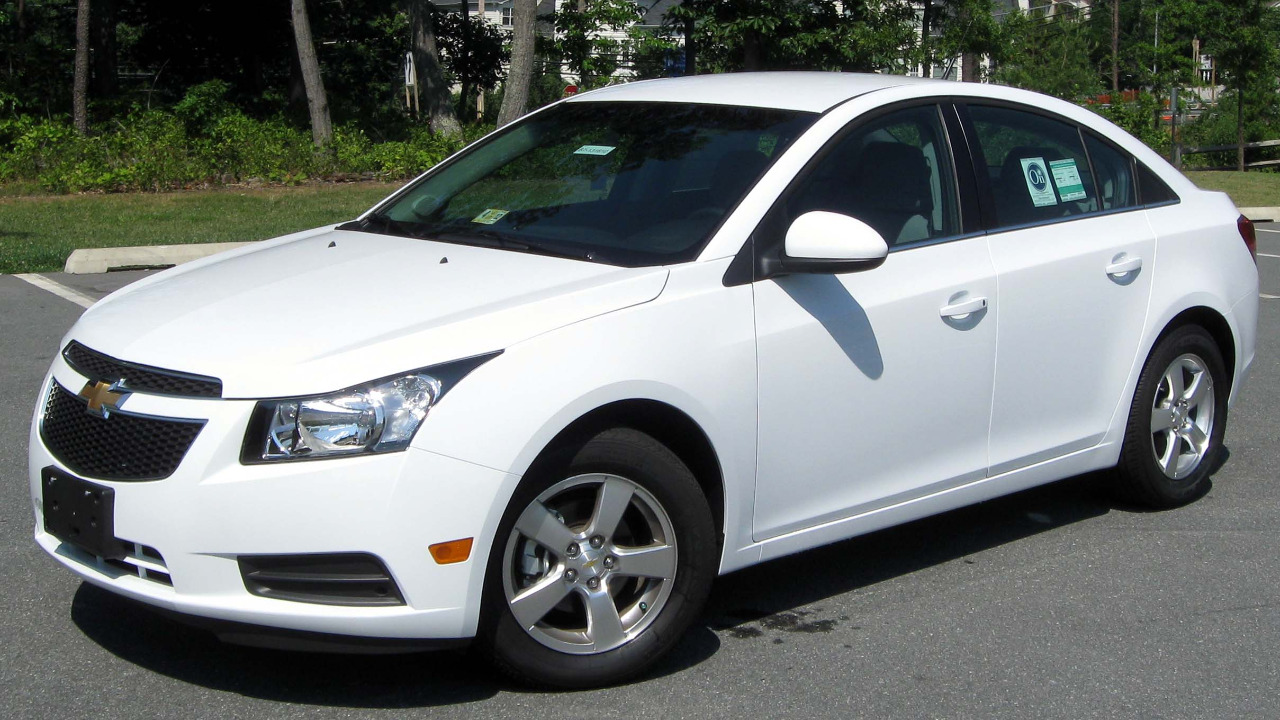
Cars such as the 2014 Jeep Grand Cherokee or the 2011 Chevrolet Cruze have been subject to numerous recalls, which can indicate underlying issues. Dealing with recalls can be a hassle, and vehicles with frequent recalls may have unresolved problems that impact reliability.
Before purchasing, check the recall history and ensure all necessary fixes have been applied. Better yet, consider models with a stronger track record for reliability and fewer recalls.
Imported Cars Lacking Local Support
Imported vehicles, especially those not officially sold in your country, can present challenges when it comes to maintenance and support. For instance, some European or Japanese models may lack local dealerships or service centers, complicating repairs and part sourcing.
Before buying an imported car, research the availability of parts and service options in your area. It’s crucial to ensure that you’ll have access to the support needed to keep the vehicle running smoothly.
Like Fast Lane Only’s content? Be sure to follow us.
Here’s more from us:
- All New Trans Am: 10 Things You Need to Know
- The Fastest Farm Truck Ever Built
*Created with AI assistance and editor review.