Panel vans used to be everywhere—on job sites, city streets, backroads, you name it. Built to haul gear, parts, or supplies, these vans weren’t about flash or speed. They were tools, designed with just enough comfort to get you through the day and enough space to make them useful. Somewhere along the line, they got replaced by crossovers, box trucks, and soulless fleet vehicles.
But the old ones had character. Clean lines, simple drivetrains, and a kind of honest utility that’s hard to find now. These ten vintage panel vans weren’t built to impress—they were built to work. And that’s exactly why they should come back.
1940 Ford Panel Delivery
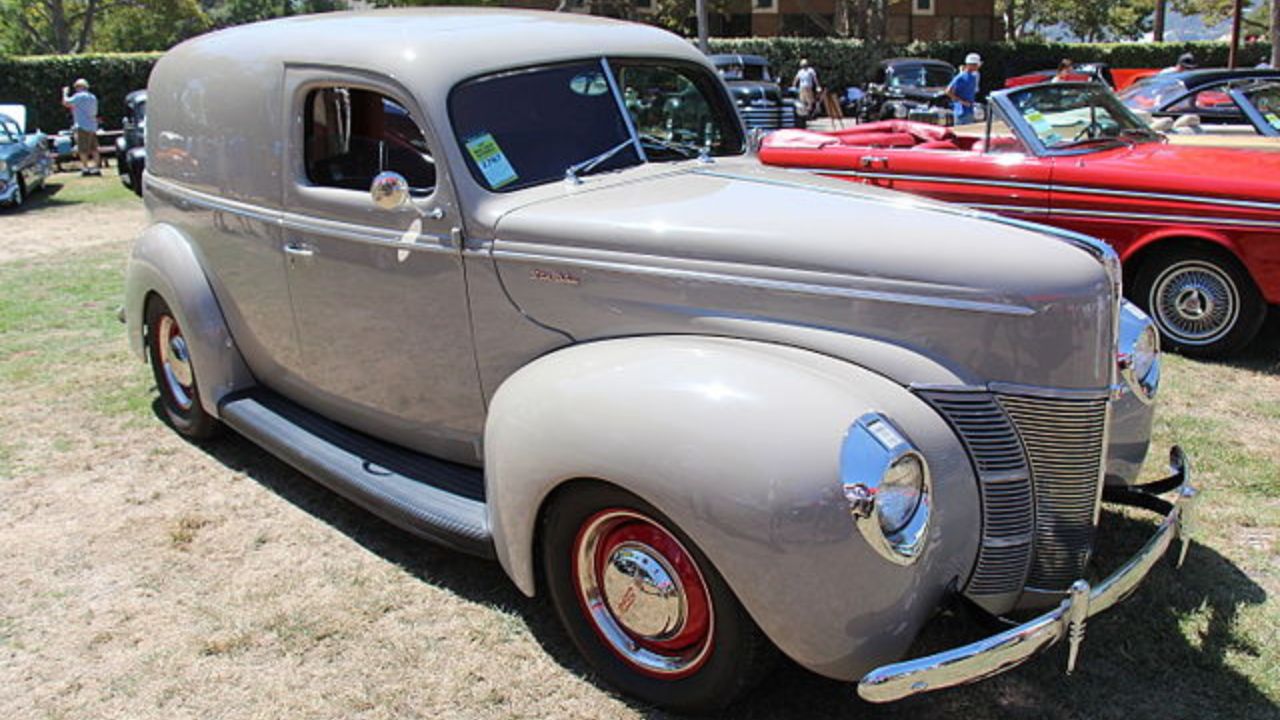
The 1940 Ford Panel Delivery had clean, rounded styling borrowed from the Ford passenger car lineup. It came with a 221-cubic-inch flathead V8 pushing 85 horsepower—not fast by today’s standards, but smooth and reliable for the time. It used a 3-speed manual and solid axles front and rear.
Inside, it was bare-bones. Metal floors, basic bucket seat, and zero insulation. But it was exactly what small businesses needed. It looked good in livery, had decent cargo capacity, and could be fixed in any small-town garage. Ford made thousands, but few were babied enough to survive.
1955 Chevrolet 3100 Panel Truck
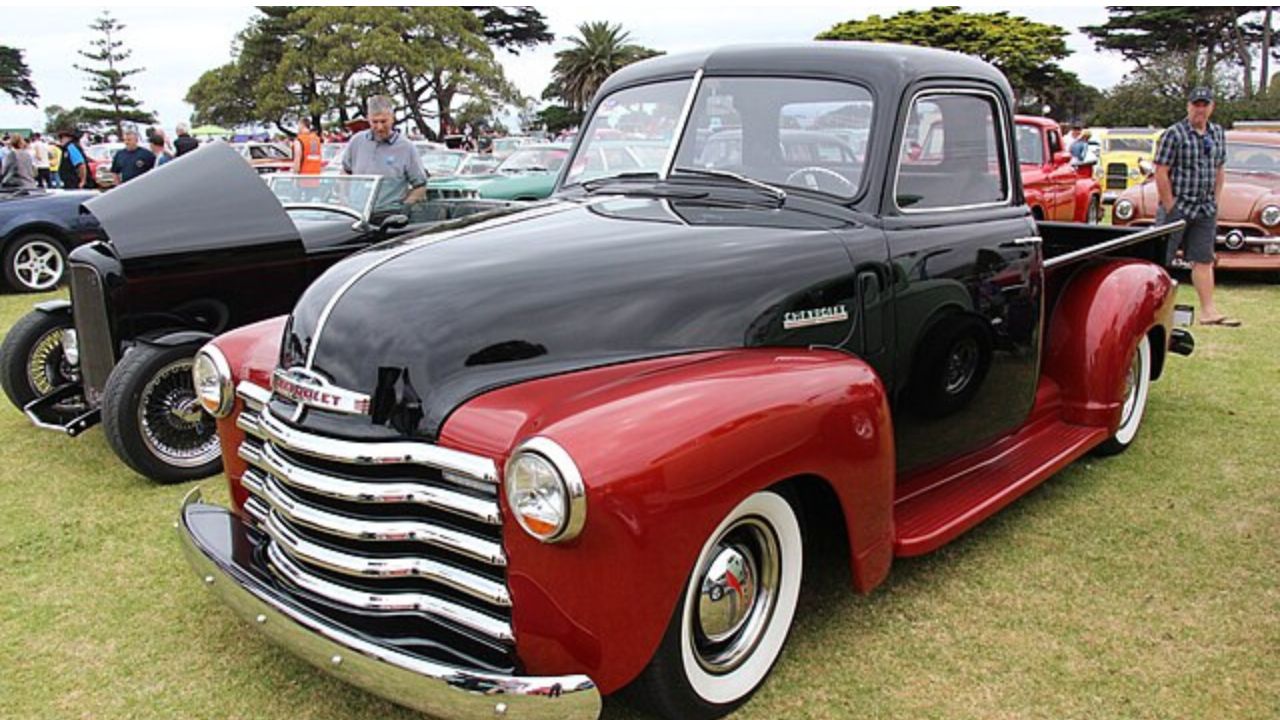
Part of Chevy’s Task Force lineup, the 3100 Panel Truck rode on a half-ton pickup chassis and shared its styling with the ’55 pickups. The rounded fenders and split windshield gave it a stout, clean shape. Under the hood, the 235 straight-six was standard, though a 265 V8 was available later.
It wasn’t plush. Vinyl seats, metal dash, and plywood cargo floor. But it had presence and utility, especially for tradesmen or local delivery routes. The rear barn doors swung open wide, and the ride quality wasn’t bad for a truck-based design. Today, it’s mostly remembered by hot rodders.
1961 International Harvester Metro Van
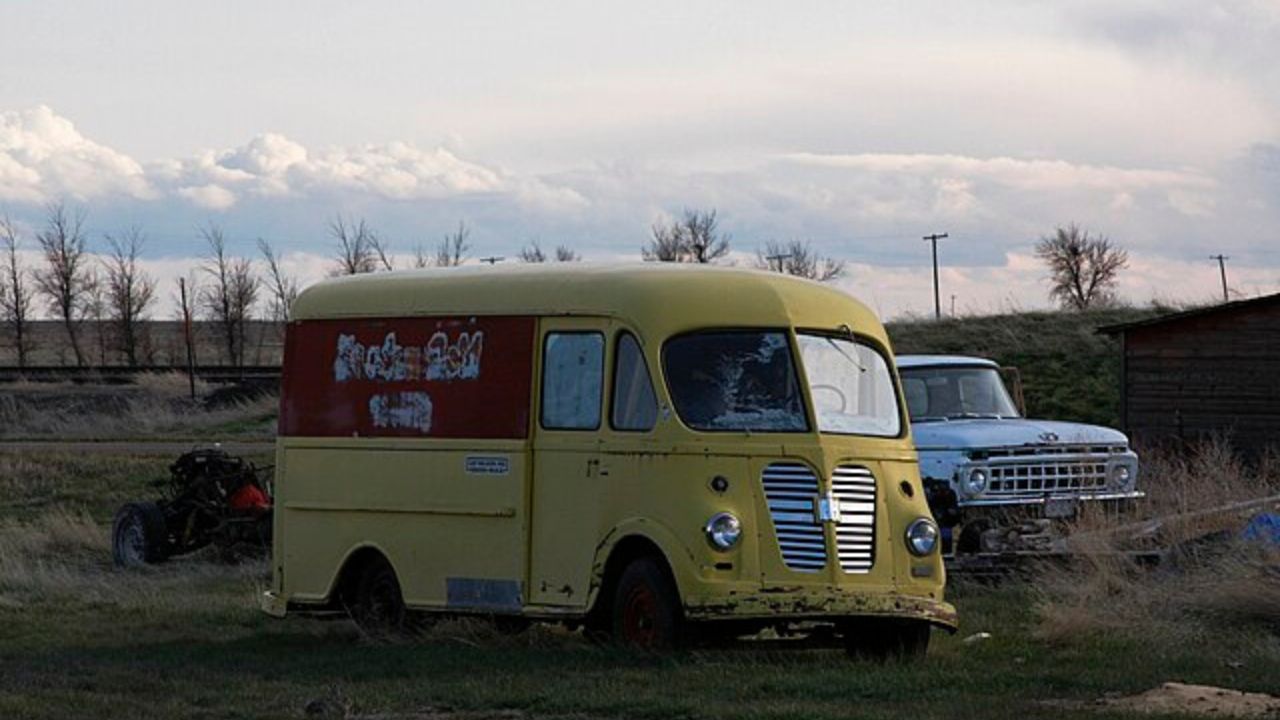
The Metro Van was built more like a commercial appliance than a passenger car, which makes sense—International Harvester made tractors, not sports coupes. Still, it had a kind of squared-off charm. Boxy, utilitarian, and endlessly modifiable. The early ’60s versions came with a 220 or 240 cubic-inch inline-six.
The cab was set way forward, almost on top of the front axle, and the driving position was more upright than modern vans. You got sliding doors, steel wheels, and zero luxuries. But it did the job, and that’s what mattered to bakeries, plumbers, and electricians.
1965 Dodge A100 Panel Van
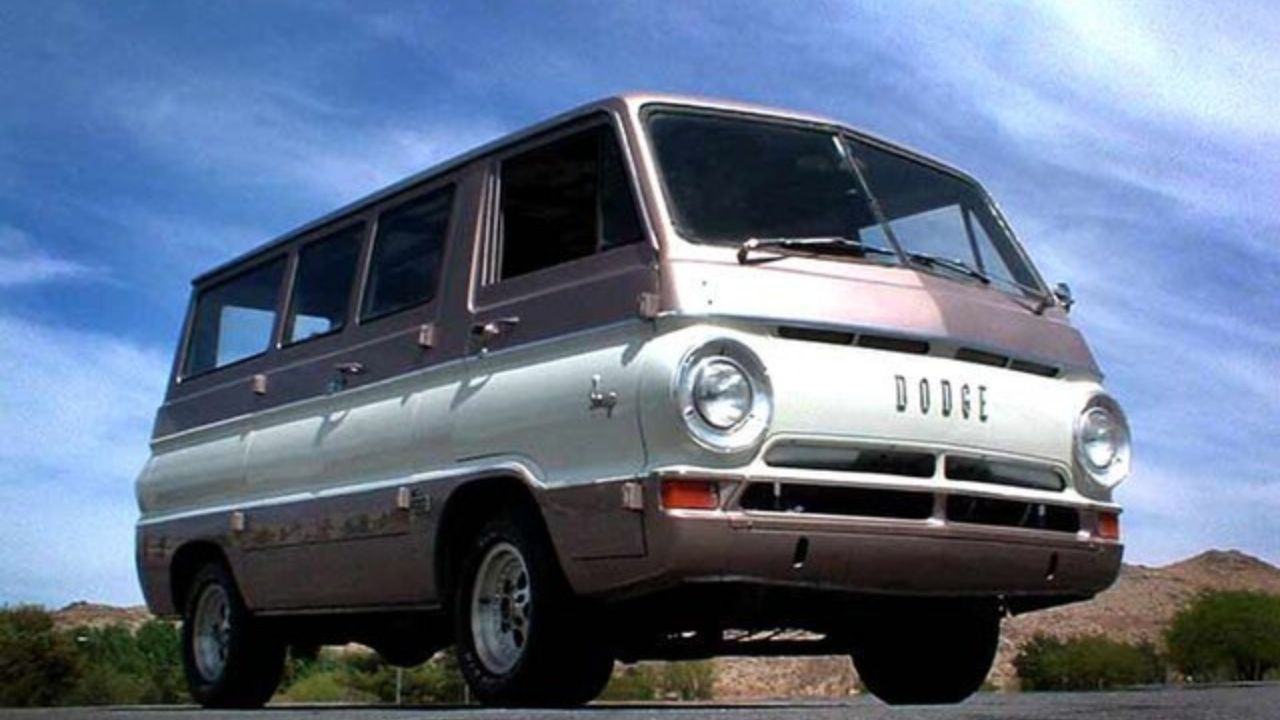
The A100 had a short 90-inch wheelbase and a cab-over design that put the driver just inches from the front bumper. It looked cartoonish from some angles, but it was functional—and surprisingly nimble. Most came with either a 170 or 225 Slant-Six, though V8s showed up later.
The engine sat between the seats, under a doghouse cover. That meant heat and noise, but also good traction with the weight pushed toward the center. Cargo capacity was solid for its size, and it fit in tight city alleys. You still see them used as custom vans or drag builds.
1951 Chevrolet Sedan Delivery
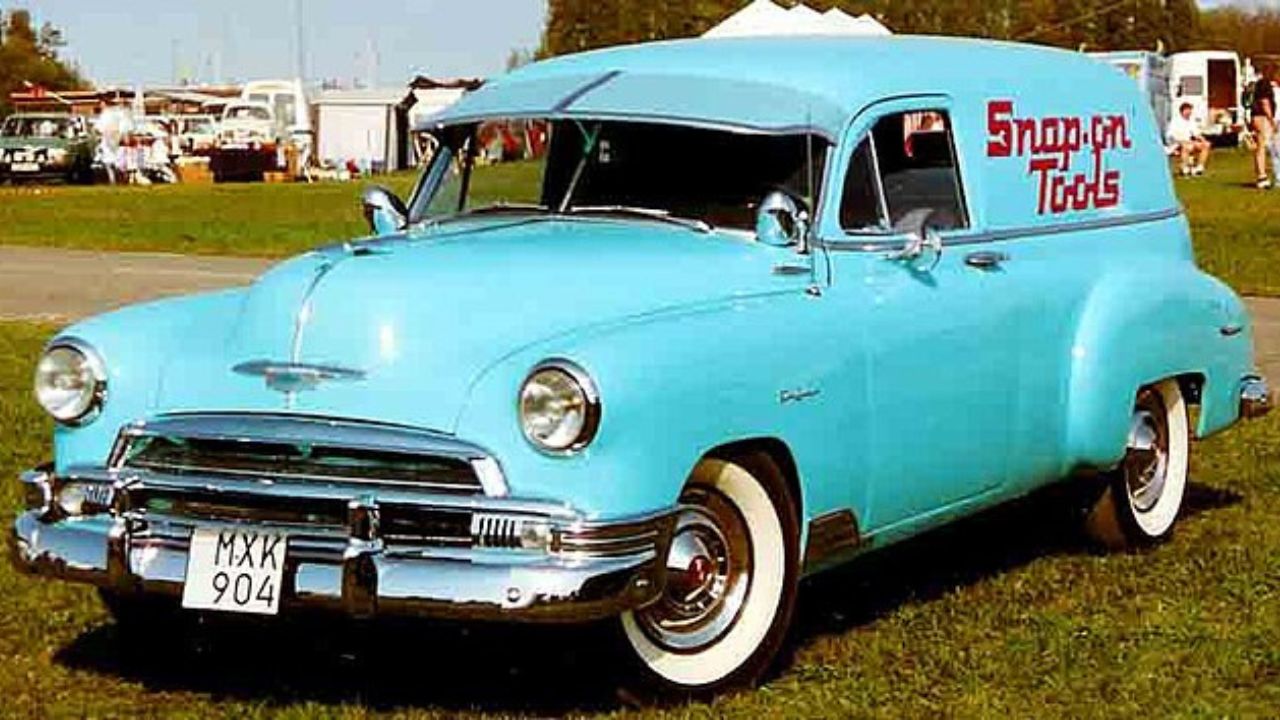
More car than truck, the ’51 Sedan Delivery used the Deluxe sedan platform but replaced the back half with a solid cargo compartment. It came with the usual 216 or 235 inline-six and a 3-speed manual. The body was low-slung and shared a lot of trim with passenger Chevys.
It was a good fit for pharmacists, florists, and photographers—anyone who needed space but not a full truck. The rear floor was flat, the tailgate lifted up, and the ride was smoother than most commercial vehicles. It was the kind of van that looked good with hand-painted lettering on the side.
1963 Ford Econoline Panel Van
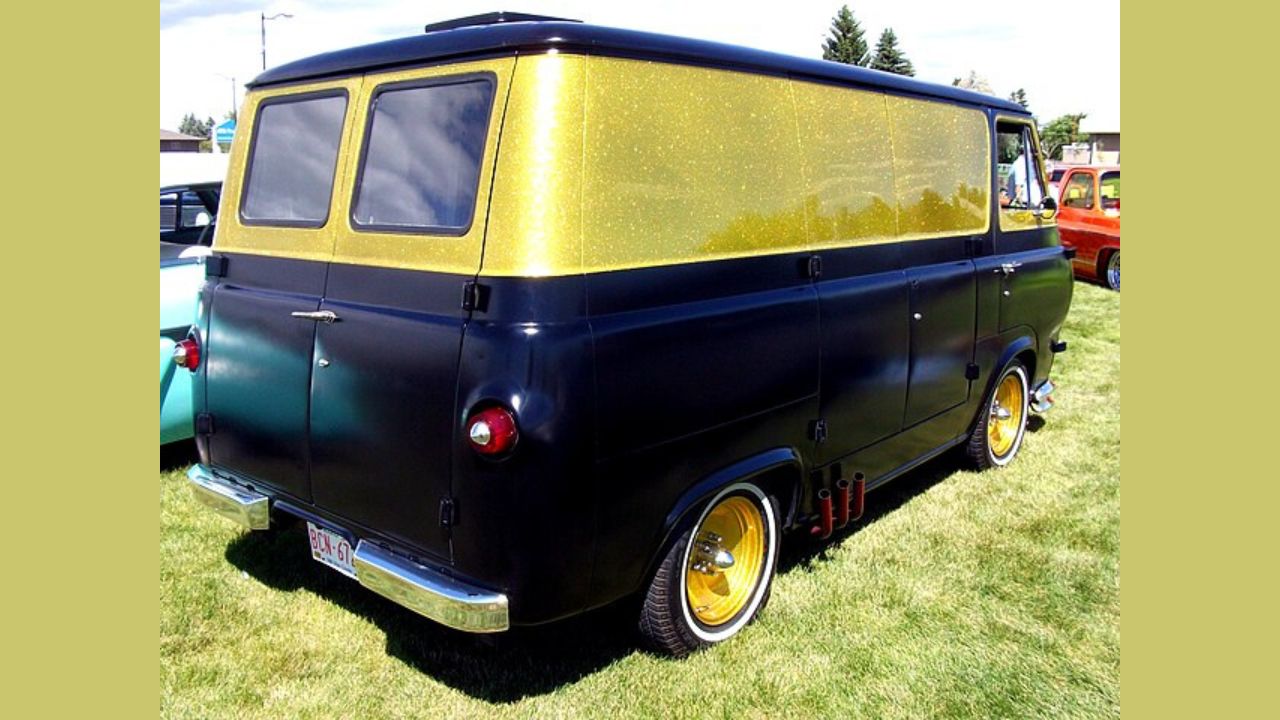
The first-gen Econoline used a cab-over design and rear-wheel drive layout borrowed loosely from Ford’s Falcon. It came with either a 144 or 170 cubic-inch inline-six mounted between the seats. You weren’t winning any races, but it was light and maneuverable.
The Econoline’s boxy shape made it ideal for conversion, branding, or shelving. There was no rear glass in panel form, and the load floor sat low to the ground. Inside, it was simple—rubber mats, steel panels, and a metal ceiling. It got the job done without pretending to be anything more.
1958 Morris J2
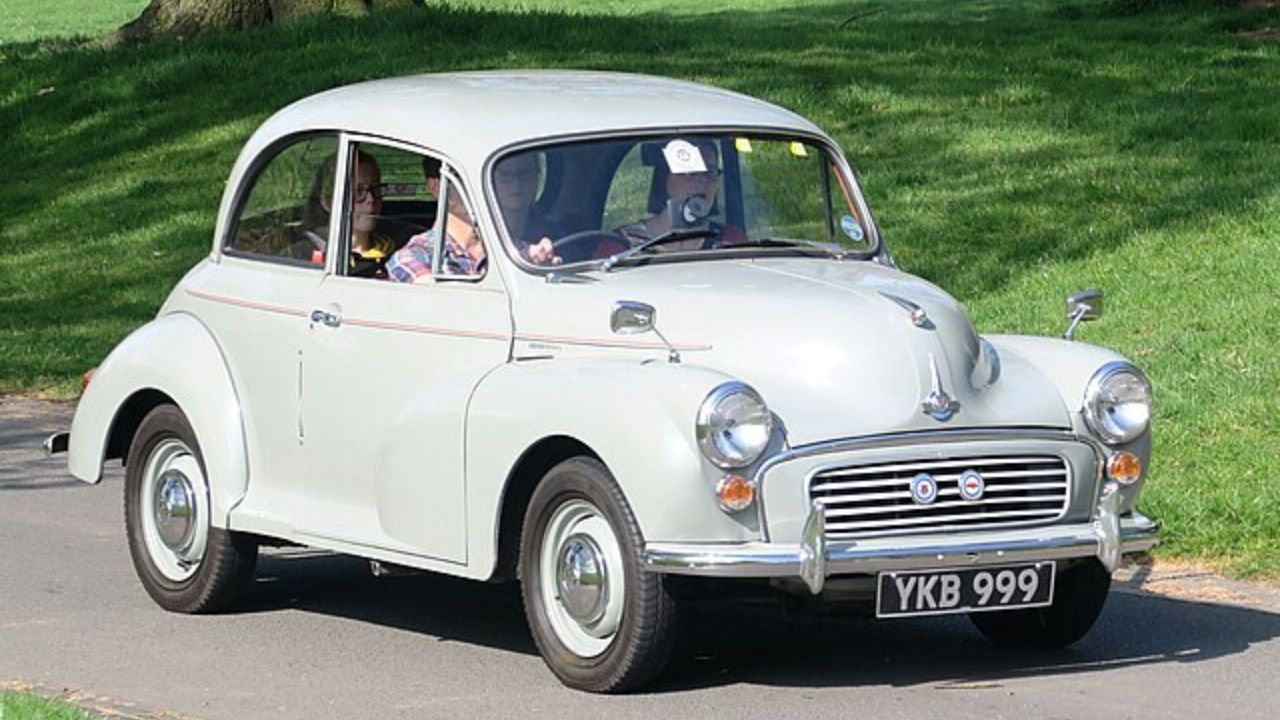
Not many Americans remember the Morris J2, but it was everywhere in post-war Britain. Compact, cab-over, and slow, the J2 used a 1.5L BMC engine putting out just under 50 horsepower. It wasn’t meant for highways; it was made for tight urban streets and light deliveries.
It had sliding doors, front-engine layout, and just enough space in the back to haul supplies or fit basic camper gear. It weighed under 2,500 pounds and could be parked almost anywhere. While it never caught on in the U.S., it’s the kind of van that would make sense again in modern cities.
1970 Chevrolet G10 Panel Van
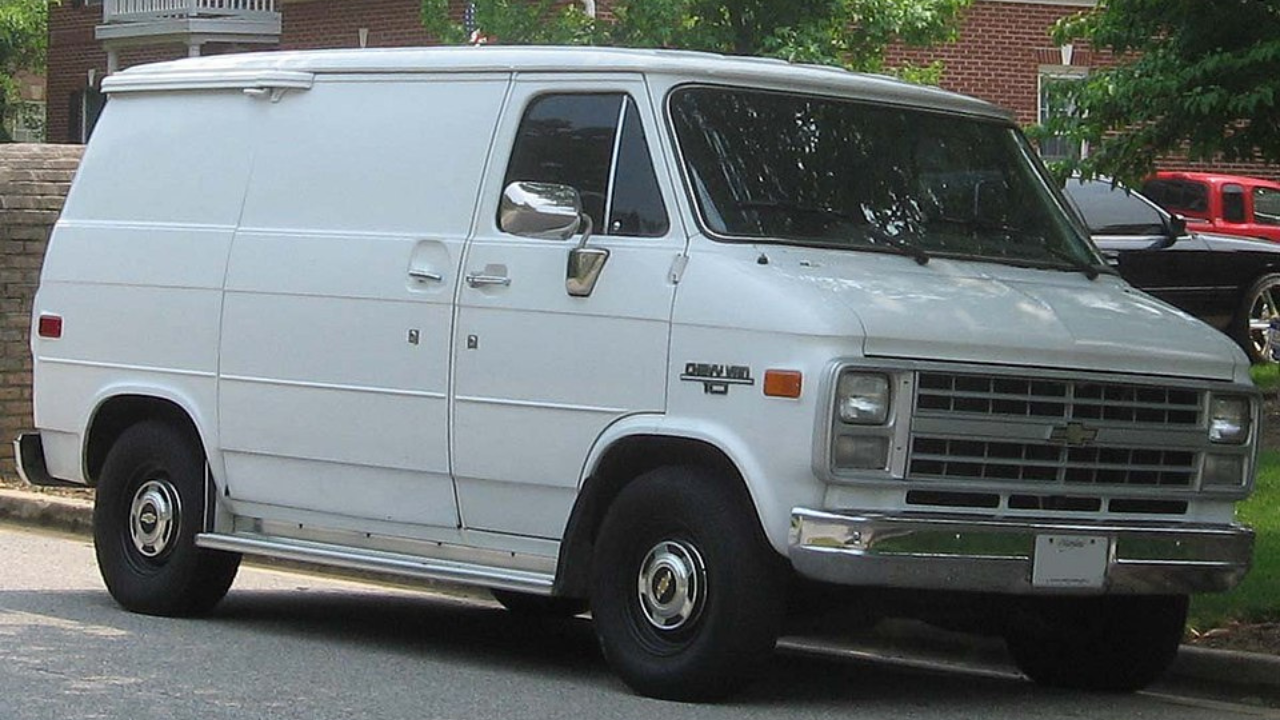
Before it became a shag wagon icon, the G10 panel van started life as a working rig. Early models used a unibody layout with coil spring rear suspension, which gave it a smoother ride than most vans of the time. Engines ranged from the 250 straight-six to small-block V8s.
No windows, just steel sides and double rear doors. You could outfit it with shelves, partitions, or even a mattress. Inside, it was all hard surfaces, with minimal padding or insulation. But it had space, power, and easy parts availability—three things that still matter.
1971 Volkswagen Type 2 Panel Van
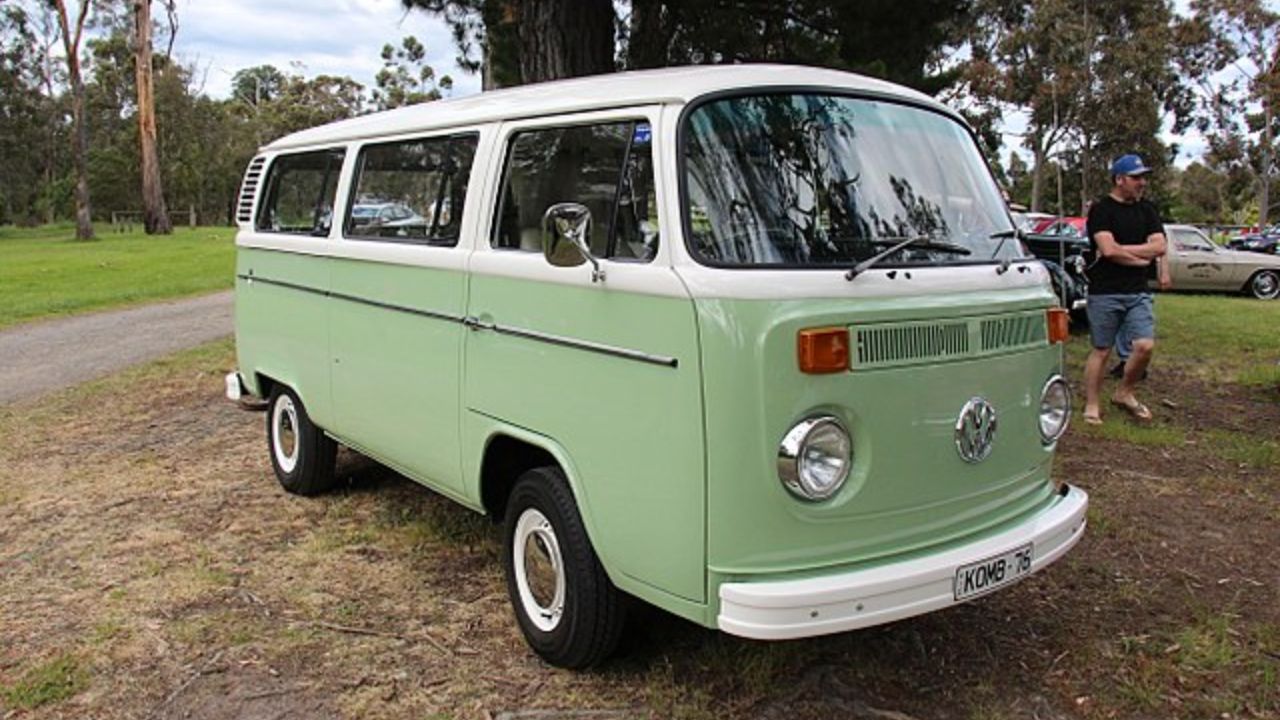
The Type 2 Panel Van was a workhorse in disguise. Everyone remembers the Microbus with curtains and peace signs, but the panel version was made for hauling cargo, not people. It came with a 1.6L air-cooled flat-four pushing about 50 horsepower—not fast, but reliable.
The floor was flat, the engine was tucked in the rear, and access was easy through side cargo doors. It wasn’t fancy, but it made sense for small business use. These vans were everywhere in Europe and South America, and they’re still running in parts of the world where simplicity wins out.
1957 Divco Model U

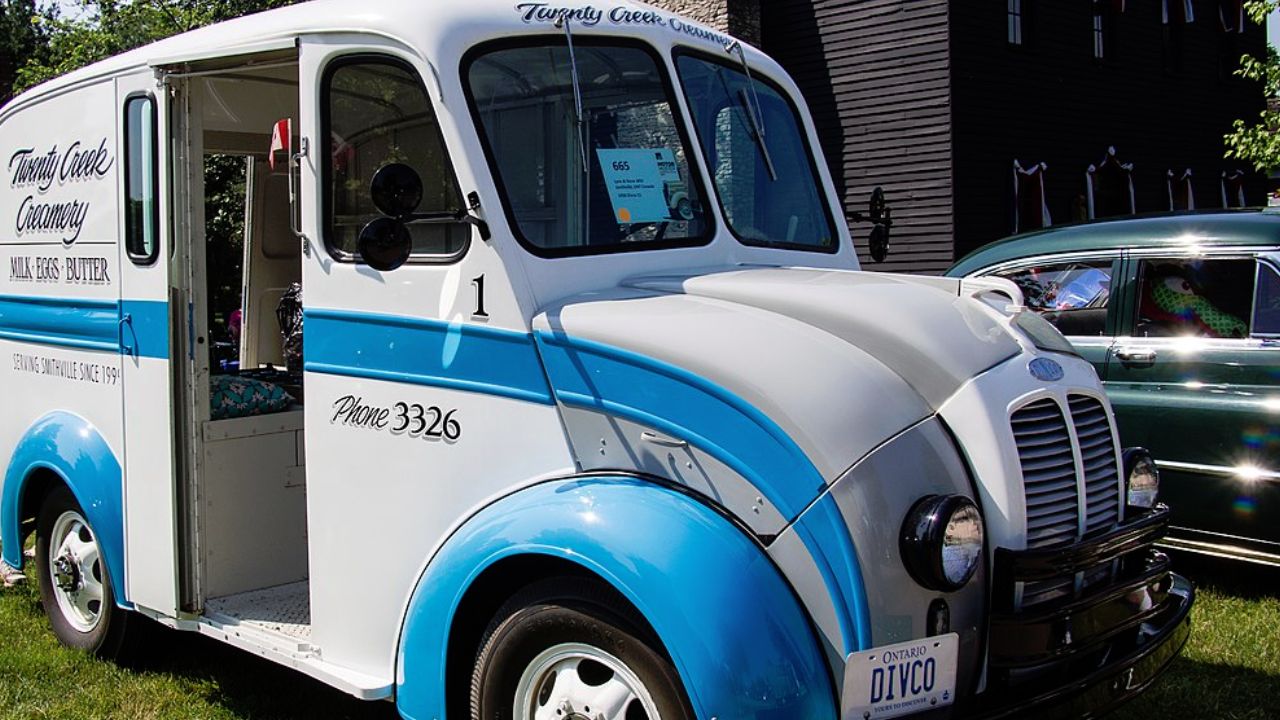
The Divco Model U was built for one thing: daily delivery. Mostly used by milkmen, it featured a high-step van design with a standing driver position and large sliding doors. It had a Ford-sourced inline-six or flathead V8, depending on the year.
What made the Divco unique was its semi-walk-through layout. You could drive it from a standing or seated position using a hand throttle and brake lever. Payload capacity wasn’t massive, but the layout made deliveries faster. It was basically a specialized tool on wheels—and one that people still remember when they see the silhouette.
Like Fast Lane Only’s content? Be sure to follow us.
Here’s more from us:
*Created with AI assistance and editor review.