
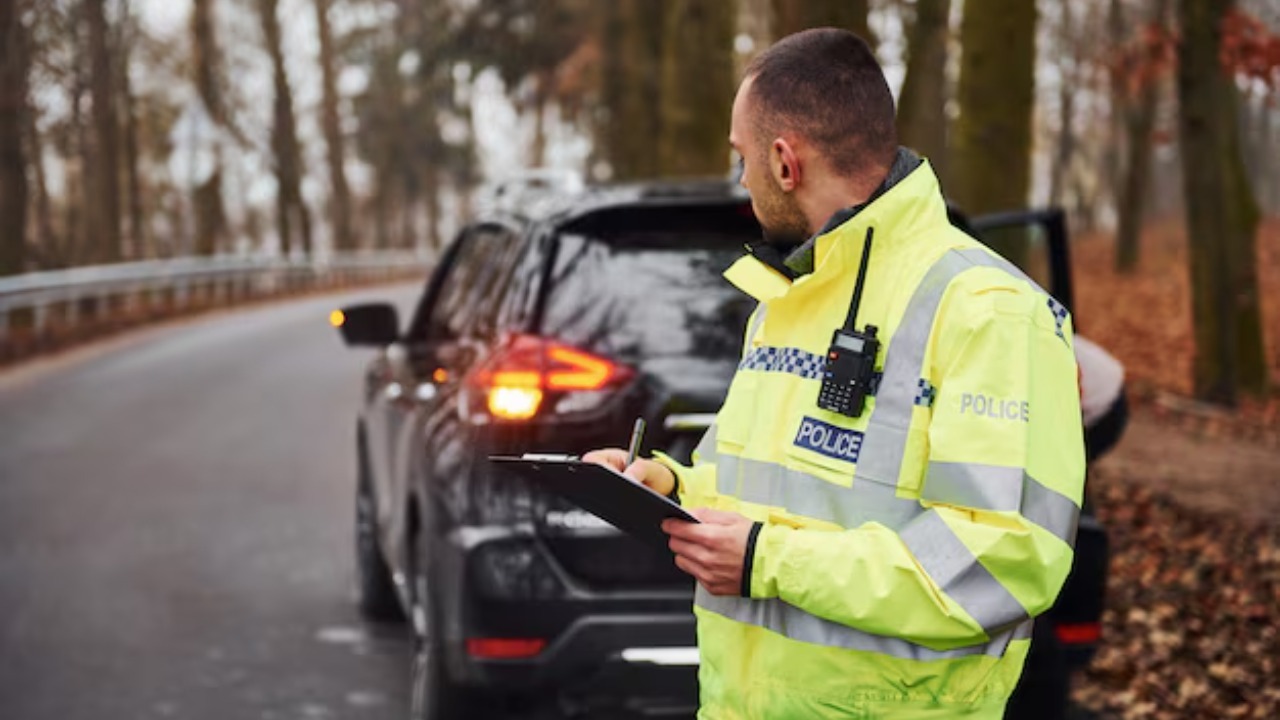
Every traffic stop starts with a calculation: how risky is this for the officer walking up to the driver’s window. That mental math shapes how quickly they move, where they stand, and how cautiously they approach your car. Understanding what feeds that calculation can turn a tense roadside encounter into a brief, uneventful pause in your day.
When I look at how officers are trained and what they say worries them most, a pattern emerges. Certain behaviors, vehicle details, and split-second choices from drivers reliably dial an officer’s guard up or down. The more you understand those triggers, the more control you have over how that approach to your door unfolds.
Why officers see every traffic stop as high risk
From the officer’s side of the windshield, there is no such thing as a “routine” stop. Training materials stress that traffic enforcement is one of the most dangerous parts of patrol work, and that mindset starts before the cruiser’s lights ever come on. Internal guides on officer safety emphasize that traffic stops have cost the lives of Hundreds of officers, which is why even a simple broken taillight can prompt a very deliberate, cautious walk up to your door.
That risk calculus is not abstract. When officers are taught Traffic stop tactics, they are told to start by Developing reasonable suspicion or probable cause and then keep Watching for signs that a driver might be preparing to flee or fight. A separate discussion of Which location of stop is safest, highway or residential, daytime or night, reinforces that every detail of the scene can change the danger level. When you know that is the mental backdrop, an officer’s cautious body language feels less personal and more like standard survival training.
How your driving and first moves set the tone
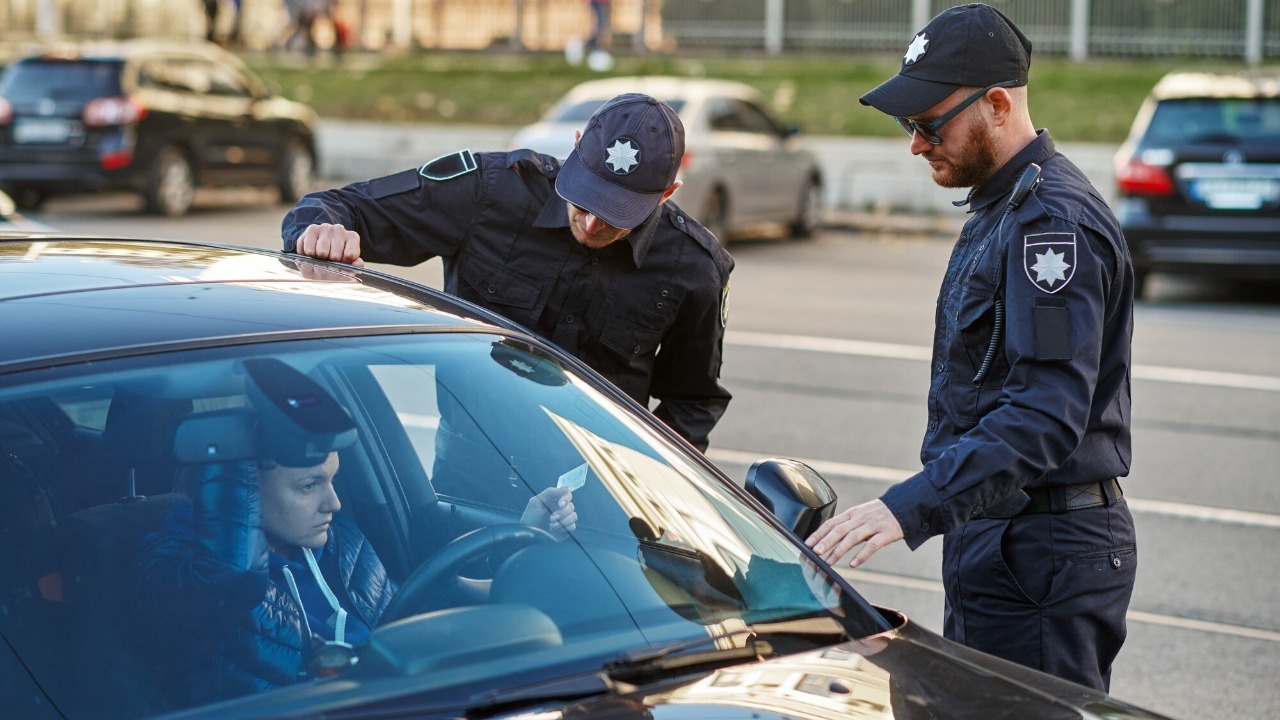
The way you respond in the first few seconds after seeing flashing lights is one of the biggest factors in how guarded an officer will be. Training for drivers stresses that Activate your turn signal promptly and pull over smoothly to a safe spot, rather than braking hard or weaving. Guidance on When you are signaled to stop urges drivers to Pull over as far to the right as safely possible, which gives the officer space away from traffic and reduces the sense that you might suddenly reenter the lane.
Once you are stopped, your body language becomes the next signal. Officers are trained to read non-verbal cues, including Officers watching for Excessive nervousness that goes beyond what is typical, as well as Avoiding eye contact or constant fidgeting. Advice from local departments tells drivers to Stay calm, ask passengers to do the same, and, As the officer approaches, keep your hands in plain view. Sudden leaning, twisting, or reaching under the seat can look like someone hiding contraband or reaching for a weapon, which is exactly the kind of movement that makes an officer slow down, angle their body away from your window, and approach with heightened caution.
What officers are scanning for as they walk up
By the time an officer steps out of the patrol car, they are already running through a mental checklist of threats. Legal guides describe Probable Cause of a stop, from Traffic Violation issues like Moving Violations such as speeding to welfare checks, but once the car is on the shoulder, the focus shifts to survival. One breakdown of officer thinking notes that a key concern is How many people are in the car, with the officer Determining whether anyone is hiding or moving around in the back seat.
Another explanation of officer mindset lists specific Answer points on safety, including Concerns the officer may have about your behavior. If the driver appears agitated, refuses to show hands, or keeps glancing toward a particular spot in the car, that can signal the possible presence of weapons or contraband. Technology-focused training materials even warn officers that a driver might deliberately drop a license on the ground to force the officer to bend down, a distraction tactic flagged in a traffic stop tactics guide. Each of these cues nudges the officer toward a more guarded stance, a wider distance from your window, and a slower, more methodical approach.
How your hands, documents, and passengers affect their caution
Once the officer is at your door, your hands become the main variable in how tense the interaction feels. Disability advocates remind drivers that SAFEty is the officer’s first priority and that any hand movement can be seen as a potential threat. That is why departments urge drivers to place both hands on the steering wheel and wait for instructions before reaching for a wallet or glove box. When you do move, narrating it in plain language, such as “My registration is in the center console, I am going to open it now,” gives the officer a clear script to match what they are seeing.
Paperwork can either calm or complicate that moment. Campus police guidance on What Can You Do if You Are Stopped by police starts with a simple rule: Always carry proper identification, including a valid driver’s license, proof of registration, and insurance. Fumbling through bags or under seats to find those documents, especially after the officer has already arrived at your window, forces them to track your hands and body more closely. Passengers add another layer: advice to keep passengers quiet is not about silencing anyone’s rights, it is about preventing overlapping voices and sudden movements that can make it harder for the officer to assess what is happening inside the car.
Why approaching an officer or arguing from the car raises alarms
One of the fastest ways to spike an officer’s caution is to get out of your vehicle or stride back toward the patrol car. A detailed look at how officers view their cruisers notes that Pulling up beside a police car or walking up on it can make the officer feel cornered and vulnerable, even if the citizen’s intentions are friendly. That same logic applies on the shoulder of a highway: when a driver steps out and starts walking back, the officer loses the advantage of distance and clear sightlines, which is why most will immediately order the person back into the car and may approach with a hand closer to their holster.
Verbal escalation from inside the car can have a similar effect. Training videos on Sep traffic stop safety tips for officers emphasize that none of these encounters are truly routine and that a calm tone is one of the few tools that can keep them from spiraling. When a driver starts shouting, refusing basic instructions, or making sudden accusations, it forces the officer to divide attention between de-escalating and watching for physical threats. That is part of why driver education materials on what to do when stopped stress staying seated, keeping your voice level, and saving disputes for court rather than the roadside.
How officer training and tech shape their cautious approach
Behind every cautious step toward your car is a stack of training sessions and policy memos that tell officers exactly how wary to be. A widely shared explainer on officer safety during a vehicle traffic stop walks through decisions like whether to stop a car on a highway shoulder or in a business area, and how those choices affect cover, lighting, and escape routes. Another set of 6 tips for safe and successful traffic stops urges officers to keep scanning for new threats even after the initial contact, reinforcing the idea that the danger level can change mid-conversation.
Technology is layered on top of that mindset. A traffic safety guide describes how license plate readers, in-car computers, and body-worn cameras are used to gather information before and during the stop, but it also warns about distraction tactics like drivers dropping documents or trying to pull the officer’s attention away from their hands. Even basic driver education, like the reminder from Jan guidance to choose a well-lit area that Try to give both you and the officer more visibility, feeds into how secure that approach feels. When you combine those tools with the core reality that officers are trained to treat every stop as potentially life threatening, it becomes clear why even small choices from drivers can make that walk to your window either measured and relaxed or slow and intensely guarded.


Leave a Reply