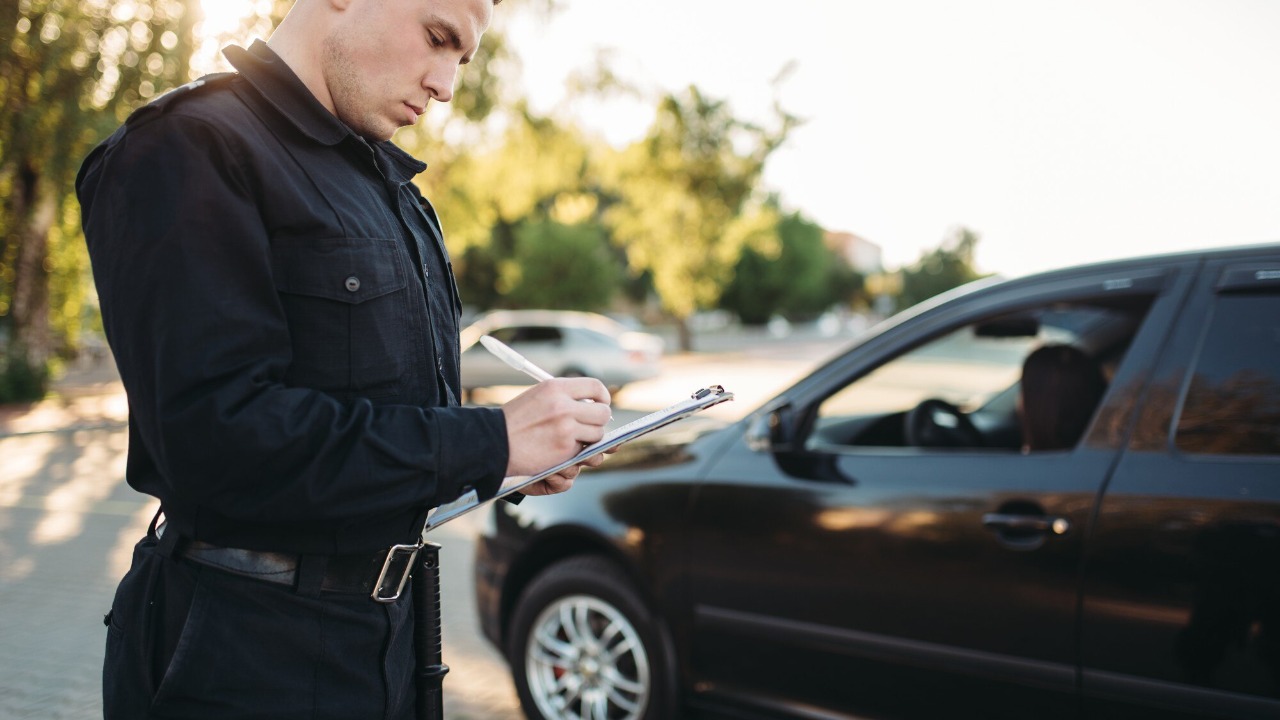
Long before a patrol car’s lights flash in your rearview mirror, an officer may already know who the vehicle is registered to, whether it is flagged as stolen, and what kind of risks they might face when they walk up to your window. By the time they reach your door, they have also scanned your movements, your passengers, and the interior of your car for anything that could signal danger. Understanding what officers check before they even say hello can make a tense moment more predictable and, in some cases, safer for everyone involved.
When I look at how modern traffic enforcement works, it is clear that the quiet seconds between the stop and the first conversation are packed with decisions. Those decisions are shaped by databases, safety training, and legal limits on searches, and they can influence everything from whether you get a warning to whether the encounter escalates into a full vehicle search.
What your plates reveal before the officer steps out
In many stops, the first “look” at your car happens through a computer, not a windshield. When an officer runs your tag, the system can return the vehicle’s make and model, the registered owner’s name, and whether the car has been reported stolen. According to guidance on What Information Do Cops Get When They Run Your Plates, the main information provided is basic registration data, but it can also flag if the owner has a criminal record. That means before the officer even opens their door, a routine speeding stop might already be framed in their mind as a possible stolen-car case or a contact with someone who has outstanding issues in the system.
The same database access can go further. They can tap into criminal databases that show whether the vehicle is associated with any recent crimes or if there are alerts tied to the plate, such as a missing person or a protection order. One legal explainer notes that They also have access to records that help determine if the vehicle is stolen or the owner has a criminal record, and whether the car is associated with any recent crimes. For drivers, that means the officer’s first impression is not just about how you are driving in the moment, it is also about what your plate history suggests before the face-to-face even begins.
How officers visually assess your car and everyone inside
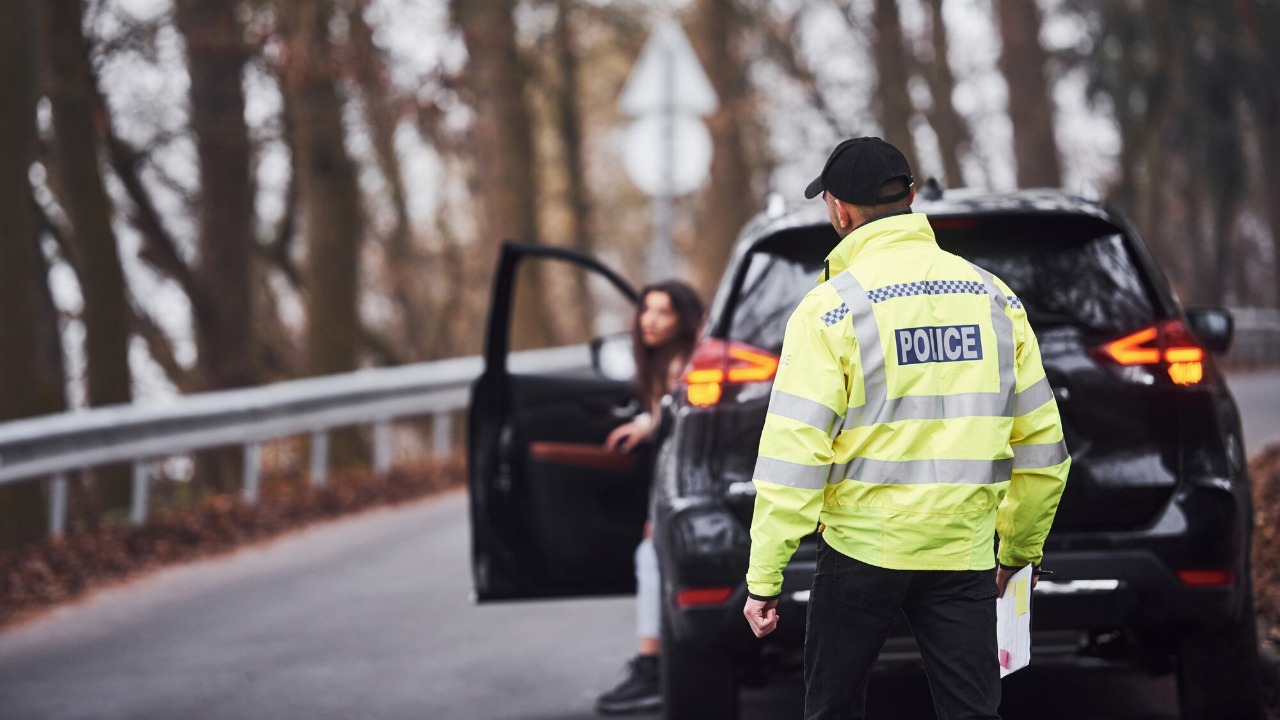
Once the vehicle is stopped, the next layer of scrutiny is visual and immediate. Training materials emphasize that a police officer’s potential concerns when approaching a stopped vehicle include how many people are in the car, where they are seated, and whether anyone appears to be hiding their hands. One safety guide spells this out in detail, noting that How many people are in the car – Determining whether anyone might have access to a weapon is critical for the officer’s safety. That is why you will often see officers approach from the rear, angle their body slightly, and keep their eyes moving between the driver’s hands, the passenger seats, and any bags or compartments within reach.
Departments also teach officers to watch for sudden movements or attempts to conceal objects as they walk up. A campus safety guide explains that The officer will approach your vehicle while watching for sudden movements from the driver and any passengers, and will usually stand behind the driver’s door frame when they first speak. That positioning is not accidental, it is designed to give the officer a partial shield from the traffic lane and a better angle to see inside your car, all before they ask for your license and Registration and insurance.
The quick touches and quiet checks you might not notice
Some of what officers do in those first seconds is so subtle that drivers only notice it later on dashcam footage. One widely shared clip from Jun shows an officer explaining why they touch the rear of a car during a stop, a habit that has become almost ritual in some departments. In the short video, posted in late Jun, the officer jokes about the practice but also hints at its purpose, and the clip, titled “Why Cops Touch The Back Of Your Car,” has circulated as a kind of informal training moment for the public. The video, available as a Jun short, underscores that even a light tap on the trunk can serve as both a way to steady the officer in traffic and a way to leave a trace of contact with the vehicle.
Officers are also trained to scan for open doors, broken windows, or anything that suggests a crime or safety issue before they ever knock on your glass. In one discussion of late-night patrols, a commenter described how, if a cop is patrolling a neighborhood and drives past an open car door at 1 a.m., they are going to take a look, even if they do not immediately see the owner. The same account notes that They might check whether the car was left open by mistake or maybe could not be secured. That kind of quiet inspection, often done with a flashlight and without direct contact at first, is part of the broader safety mindset that shapes how officers interact with vehicles even when the driver is not yet in view.
What they are allowed to ask for, and when a search becomes legal
Once the officer reaches your window, the law gives them clear authority to request certain basics. Legal guidance notes that, if a driver is stopped, police have the right to ask for the driver’s ID, Registration and, in some states, proof of insurance. One legal Q&A explains that Secondly, police have the right to demand these documents, and that all the other parts of the interaction, such as answering questions about where you are going, are more negotiable. That distinction matters because it separates what you must hand over from what you can politely decline to discuss.
The line between a basic stop and a full vehicle search is more complex. Criminal defense guidance stresses that the cop can ask to search your car at any time, but They must have probable cause or your consent to make that search lawful in most situations. One attorney, Robert Luttrell, has described how drivers sometimes feel pressured into saying yes even when the legal standard is not clearly met, and how a roadside search can quickly expand from a simple stop into a full-blown seizure of property. That is why knowing the difference between a request and a lawful order is as important as knowing where your insurance card is.
There are also specific triggers that expand an officer’s search authority. One analysis of vehicle searches notes that law enforcement can often search a car after an arrest, during an inventory of an impounded vehicle, or when contraband is in plain view. A criminal defense blog explains that these rules are part of a broader framework that defines when officers can go beyond a visual scan, and it highlights how those powers can grow once someone is taken into custody. The discussion, published On Behalf of John Wesley Hall in a section labeled Blog and categorized under Drug Crimes, outlines how officers may search a vehicle After an arrest without a separate warrant, which is a key shift from the more limited authority they have in a simple traffic stop.
Border zones, checkpoints, and inspections that feel different
Not every car stop happens on a city street, and the rules change in ways that surprise many drivers. Within certain distances of the border, federal officers have broader authority than local police to question travelers and inspect vehicles. One immigration law guide notes that Within 100 miles of any border, CBP has broader authority than police inside the country, particularly when it comes to searches at checkpoints and ports of entry. A separate overview of the border search exception explains that, Generally speaking, searches within 100 miles (160 km) of the border are more permissible without a warrant than those conducted deeper inside the country, especially at official crossings. That analysis notes that Generally these searches can occur without probable cause, which is a significant departure from the rules that apply to a typical highway stop.
Customs and Border Protection officers also operate in a legal environment that stretches beyond the immediate fence line. A civil liberties guide points out that Dec references to the “border zone” can be misleading, because the reach of U.S. Customs and Border Protection, the federal agency tasked with patrolling the U.S. border and areas that function like border crossings, is much larger than many people imagine. The same guide explains that Customs and Border Protection can operate interior checkpoints and conduct certain searches without the same level of suspicion required elsewhere, which affects how your car and even your electronic devices might be inspected when you travel near the border.
Checkpoints inside the country, such as those set up to catch impaired drivers, follow their own script. At a sobriety roadblock, officers do not pick cars at random in the moment, they follow a pre-set pattern, such as stopping every fourth or fifth vehicle. One legal explainer on impaired driving enforcement notes that, at a checkpoint, officers stop vehicles in a pre-determined pattern, and They ( Police officers) briefly look for signs like slurred speech, red eyes, or the smell of alcohol. That description, linked in a discussion of how DUI checkpoints work, underscores that even at mass stops, officers are still quietly evaluating each car and driver before deciding whether to send them on or pull them aside for further testing.
Commercial drivers, DOT inspections, and what cooperation looks like
For commercial drivers, the pre-contact checks can be even more involved, because officers and inspectors are not just looking at the person behind the wheel, they are also evaluating the truck, its cargo, and its paperwork. Department of Transportation inspections are often described as administrative in nature, focused on compliance with safety regulations rather than criminal investigation. In one Jul discussion among drivers, a commenter in the Comments Section explained that DOT inspections are administrative in nature and can lead to fines but being uncooperative, such as not providing required paperwork, can still cause problems. The same thread notes that DOT officers expect drivers to assist by producing logs, permits, and other documents, and that They may treat refusal as a violation in itself.
Even before a commercial driver steps out of the cab, inspectors may have already checked the carrier’s safety rating, recent violations, and whether the truck’s USDOT number is associated with prior issues. That background shapes how closely they look at the vehicle’s condition and the driver’s hours-of-service records. For a CDL holder, the stakes are higher than a simple ticket, because a failed inspection can sideline a truck, trigger company audits, or even threaten a driver’s livelihood. Understanding that these inspections are framed as administrative, but can still have serious financial and legal consequences, helps explain why cooperation is often advised even when the encounter feels more like an audit than a traditional traffic stop.
Why knowing these quiet checks matters for every driver
When I piece together how officers use databases, visual scans, and legal authority, a pattern emerges: by the time they say “license and registration,” they have already made several judgments about risk, legality, and what might happen next. That does not mean every stop is predetermined, but it does mean your behavior in those first seconds, from keeping your hands visible to calmly providing documents, is being weighed against information they already have. Knowing that They may have seen your plate history, counted your passengers, and watched for sudden movements helps explain why small choices, like turning on your interior light at night or rolling down both front windows, can lower the temperature of the encounter.
It also underscores why rights education remains essential. Whether you are dealing with a local patrol officer, a CBP agent in a Dec border zone, or a DOT inspector at a weigh station, the rules that govern what they can check before speaking to you are not identical. Some, like the border search exception within 100 miles (160 km) of the border, tilt heavily toward government authority, while others, like the need for probable cause before a roadside search, preserve space for drivers to say no. In a landscape where a simple drive can cross from city streets to federal jurisdiction in a matter of minutes, understanding those quiet checks is no longer a niche concern, it is part of being an informed driver.