
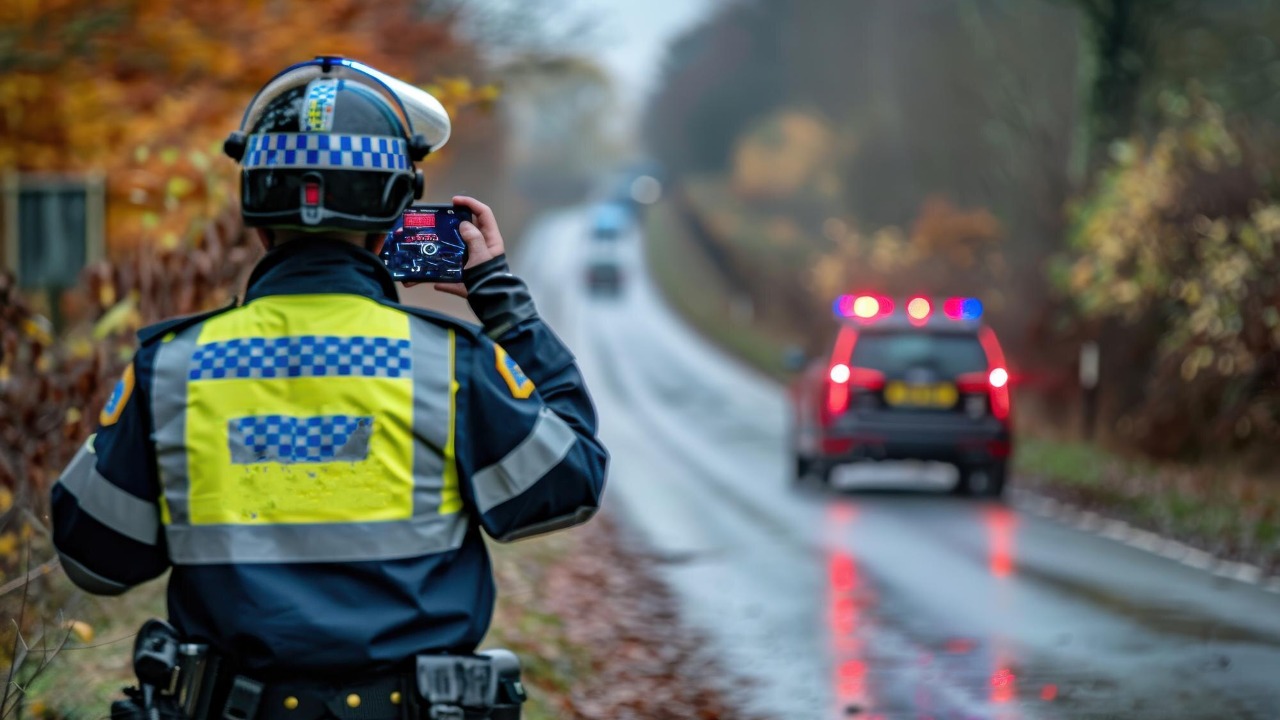
Long before red and blue lights appear in your rearview mirror, an officer has already been sizing up your car, your driving and even the information tied to your license plate. That quiet prelude to a traffic stop is where many decisions are made, from whether to pull you over at all to how cautious the officer needs to be when walking up to your window. Understanding what stands out to police in those moments gives you a better chance to avoid a stop altogether and to handle one calmly if it happens.
From equipment issues to erratic lane changes, from the glow of your dashboard to the data in a patrol car’s computer, the details that catch an officer’s eye are often small but specific. I want to walk through those details in plain language, so you know what your car is silently saying about you before anyone hits the switch on the light bar.
How your driving and equipment look from a patrol car
When an officer is following you, the first things that register are how you are driving and whether your car looks roadworthy. Lawyers who dissect traffic stops for a living point out that officers routinely key on moving or equipment violations, from weaving and late braking to rolling through stop signs. On the equipment side, even a single broken taillight, a missing mirror or a cracked windshield can be enough to justify a stop, because those defects are visible from a distance and easy to document.
Defense attorneys in Texas spell this out bluntly, noting that Equipment Violations give Law enforcement officers a clear legal hook to pull you over. Another firm that challenges drunk driving cases lists Traffic violations like speeding, driving without headlights on or changing lanes without signaling as classic reasons an officer can point to in court. From the driver’s seat, those might feel like minor lapses. From a patrol car, they are bright, blinking invitations to flip on the lights.
Lights, visibility and the signals you send
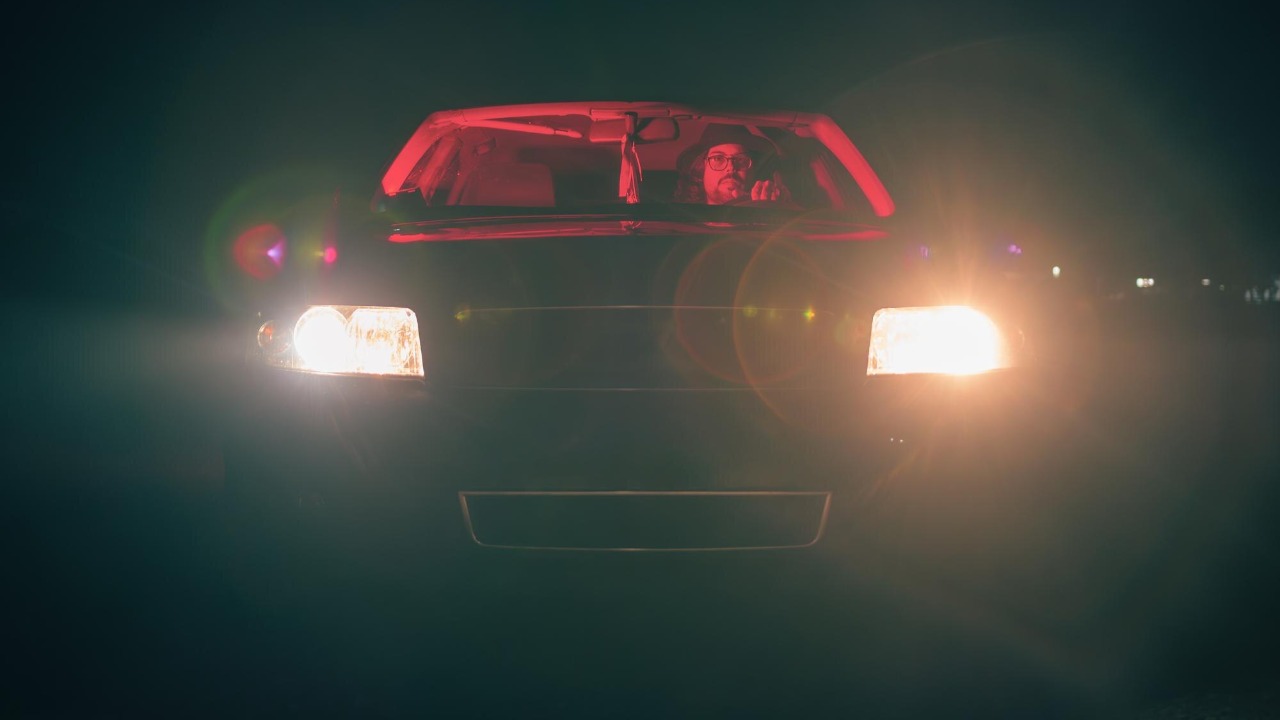
Lighting is one of the easiest cues for police to spot, especially after dark. If your headlights are off or too dim, you are not just harder for other drivers to see, you are also broadcasting a textbook violation. Safety guidance in Ontario notes that When driving your vehicle, full headlights are required between one half hour before sunset and one half hour after sunrise, and in poor visibility conditions, so an officer who sees you rolling through dusk with only daytime running lights has an easy decision to make. Other drivers sometimes try to warn you before police do, which is why people in Austin trade reminders that if someone is flashing their lights at night, it might mean you forgot to turn on your lights or that a cop is ahead.
Inside the cabin, the glow matters too, but not always in the way urban legends suggest. A detailed explainer on interior lighting notes that It is not illegal per se in most states to drive with the dome light on, although parents and drivers often discourage it because it can distract the driver or create a safety hazard. From an officer’s perspective, a bright interior light might actually make it easier to see what your hands are doing, but if that light is part of a pattern of distraction, like a passenger scrolling a tablet in the driver’s line of sight, it can still feed into a decision that your car is not being operated safely.
What your plate and registration reveal before you are stopped
Even before an officer decides whether to pull you over, your license plate can quietly tell a longer story. In some states, patrol cars are linked to databases that flag when a registered driver is deaf or hard of hearing, so that In the event of a traffic stop, law enforcement is able to access this information while running the tag. That gives officers the information necessary to adjust their approach appropriately, for example by using visual cues instead of verbal commands. Long before anyone steps out of a cruiser, the computer has already shaped how that encounter will unfold.
Once the lights are on and you are pulled over, the paperwork side of your car becomes the focus. Officers are trained to ask for a driver’s license and registration, then follow up with basic questions about your trip, such as your purpose for driving and your destination, in part to ensure the car has not been stolen. That is why travel safety advice from Texas encourages you to leave a note with Your name, the date, the time you left, the direction you are going and the plate number of the vehicle you are riding in with a trusted contact. If something goes wrong on the road, that simple record can help law enforcement confirm who should be in the car and where you were headed.
How officers are trained to see your car as a safety risk
From the officer’s side, every traffic stop is treated as potentially dangerous, which shapes what they notice about your car before they ever speak to you. Training materials emphasize that The Police It is important to remember police officers are trained not to treat any traffic stop as routine, so they approach slowly, watch your mirrors and look for sudden movements inside the vehicle. Guidance for drivers echoes that caution, suggesting that if you are stopped by law enforcement you should Slow down and move the vehicle safely to the right of the road, then stay put with your hands visible. From the moment they see your brake lights, officers are scanning for anything that might signal a threat.
That vigilance continues as they walk up. Officers are trained to be cautious during traffic stops for their own safety, and legal guides warn that reaching suddenly toward the glove box, center console or under a seat can look like an attempt to grab contraband or a weapon. One detailed primer notes that Officers are trained to interpret those unseen reaches as possible efforts to retrieve a weapon or consume evidence. If your car is full of loose items, dark tint or clutter that hides your hands, that only heightens their concern and can influence whether they call for backup or keep the interaction brief.
From probable cause to searches: when your car becomes evidence
Once an officer has decided to stop you, the way your car looks, smells and behaves can quickly shift from traffic issue to potential evidence. Lawyers who challenge drunk driving cases stress that the initial hook is often a small violation, but once the stop is underway, officers are watching for slurred speech, open containers or the odor of alcohol to build a case. They also point out that The officer may observe additional moving or equipment issues as they follow you, which can stack up into a stronger claim of impairment. If your brake lights are out, your lane position is sloppy and your speed is inconsistent, your car is practically arguing against you.
On the legal side, your vehicle has fewer privacy protections than your home, which is why an officer does not always need a warrant to look inside. One rights guide explains that An officer does not need a warrant to search your car if they have probable cause, although the traffic stop alone is not enough. That probable cause can come from what they see in plain view, like drug paraphernalia on a seat, or from what they smell or hear. At crash scenes, investigators are trained to look beyond the obvious damage, and guidance for accident response notes that The officers check for hazardous materials and collect evidence of alcohol or other drug evidence and possible vehicle defects. In other words, once your car is part of an investigation, every scratch, bottle and burned-out bulb is fair game.
Tech, fake lights and the small choices that keep you off the radar
Modern patrol work is increasingly shaped by the same technology that runs your car. Automotive shops remind drivers that Computerized Diagnostics Most of today’s vehicles are controlled by on board computers, and Your vehicle’s engine, transmission, brakes and other critical systems are all managed by that onboard computer system. Police cruisers tap into a parallel digital world, where license plate readers and databases can flag expired registrations, outstanding warrants or safety alerts tied to your car before an officer ever sees your bumper. That means a perfectly steady driver in a well maintained Honda Civic can still draw attention if the computer says the registration is months overdue.
At the same time, officers are wary of cars that try to look like police vehicles. In one online discussion, a user named turbot3t4 described a light system installed in a passenger car that mimicked emergency flashers, something tow truck drivers and security contractors sometimes use to pass people in traffic. That kind of setup is a magnet for scrutiny, because impersonating an officer or confusing other drivers with unauthorized lights can itself be a violation. On the flip side, when you see genuine red and blue lights behind you, campus safety guidance is clear that the officer will signal for you to pull over by activating those lights and possibly a siren, and you should Look for the nearest safe place to stop.
In the end, the details that stand out to police before they activate their lights are mostly within your control. Keep your headlights and brake lights working, avoid the temptation to drive with a rolling disco of interior screens, and resist any urge to dress your car up like an unmarked cruiser. Remember that officers are trained to treat every stop as potentially risky, and that your calm, predictable choices behind the wheel can quietly convince them that your car is just another vehicle passing by, not a problem they need to chase down.

Leave a Reply