The 1967 Mustang GTA arrived at a turning point for Ford’s pony car, when a clean-sheet body, bigger engines, and changing buyer expectations all collided in a single model year. Rather than a simple trim package, the GTA became a snapshot of how the Mustang was being reshaped for more power, comfort, and automatic convenience, then refined again through mid-year tweaks.
To understand what shaped the 1967 Mustang GTA and its mid-year updates, I need to start with the broader redesign, then narrow in on how the GT Equipment Group, automatic-only GTA badge, and big block options came together. From there, the story becomes one of incremental adjustments, as Ford responded to the realities of a wider, longer Mustang and the demands of drivers who wanted muscle car performance without giving up everyday usability.
The first major Mustang redesign sets the stage
The GTA story begins with the fact that 1967 marked the first significant rework of the original Mustang formula. Reporting on Ford Mustang Factoids notes that the 1967 model year Mustang was the first substantial redesign of the original car, a shift that moved the pony car away from its compact, almost delicate early proportions and into a more mature stance. Other coverage of the Ford Mustang Fastback reinforces that this was treated as the first major redesign of the Mustang, not a minor facelift, which is crucial context for why the GTA could exist at all.
That redesign was not just cosmetic. The body grew wider and longer, giving the Mustang a more aggressive and powerful presence on the road while still maintaining the sleek profile that had made it a hit in the first place. One detailed overview explains that this stretch in dimensions helped the car project more authority while still capturing the spirit of 1960s automotive innovation. Those extra inches were not simply for style, they created the physical room and engineering headroom that would allow Ford to drop in larger engines and more sophisticated option groups, including the hardware that defined the GT and, by extension, the GTA.
How the GT Equipment Group evolved into the GTA identity
Within that larger, more capable 1967 Mustang, the GT Equipment Group became the performance and appearance package that signaled a step up from the standard car. Fact-based summaries of the 1967 Mustang highlight the GT Equipment Group as a major design and marketing feature, bundling performance-oriented components and visual cues into a single, easily ordered package. The GTA was not a separate mechanical specification so much as a specific combination of that GT Equipment Group with an automatic transmission, a detail that shaped both its name and its role in the lineup.
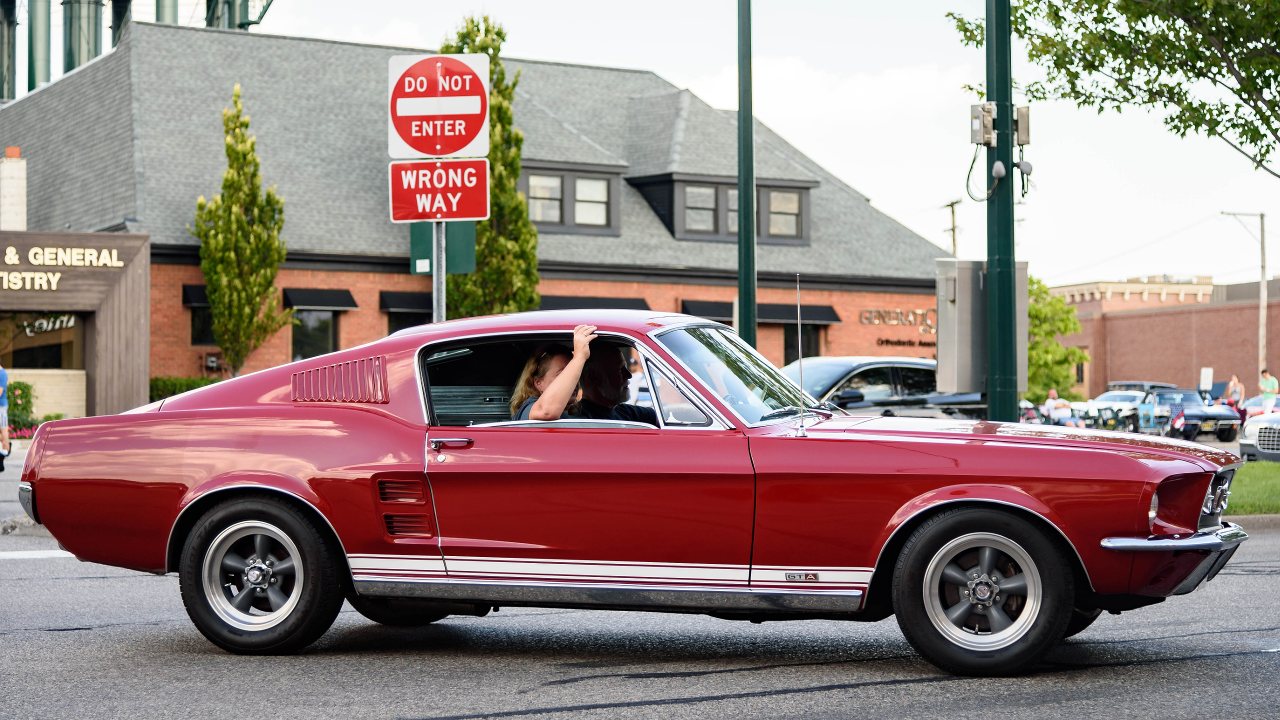
Enthusiast discussion backed by period information makes the naming logic explicit. For 1967, Mustangs GTs with an automatic transmission were called Mustang GTA, while manual transmission cars simply carried the GT badge. The same shorthand applied to the Fairlane, where GT meant a manual shift and GTA meant auto shift. That convention turned the GTA into a quick visual cue on the decklid and fenders that this was a GT-spec Mustang configured for drivers who wanted performance and style but preferred an automatic gearbox, a combination that would become increasingly important as muscle cars moved from drag strips to daily commutes.
Big block power and the broader, quieter 1967 shell
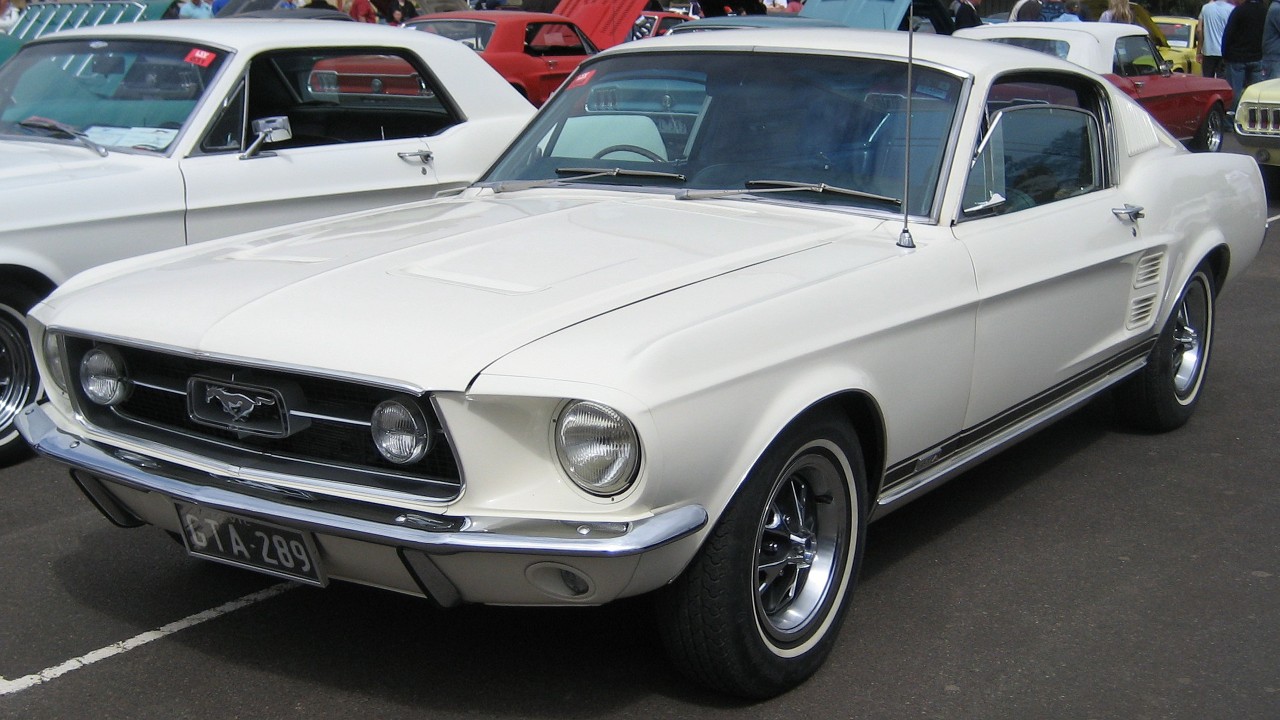
The decision to stretch and widen the 1967 Mustang was not only about styling, it was a practical response to the need for more engine bay space and better refinement. One detailed account of the 1967 Mustang GTA notes that with the bigger, broader body came a larger engine compartment and now ample room for the large 390-cid 320-hp big block Ford engine. That same reporting points out that the new structure and engineering focus also delivered a reduction in noise, vibration and harshness, a reminder that Ford was trying to balance raw power with a more civilized driving experience.
Those changes mattered directly to the GTA. A GT Equipment Group car with an automatic transmission and access to a 390-cid, 320-hp big block Ford engine turned the Mustang into something far more serious than the original six-cylinder commuter coupe. The wider track and longer body helped the car look the part, while the improved isolation made it more livable when paired with an automatic. In practice, that meant a driver could enjoy big block torque and GT handling without wrestling a heavy clutch in traffic, a combination that helped the GTA stand out in what later coverage calls the golden muscle car era and that is specifically highlighted in discussions of the Ford Mustang GTA Fastback.
The GTA Fastback and the muscle car moment
Within the 1967 range, the Ford Mustang GTA Fastback has become the configuration that most clearly captures the car’s muscle era identity. Reporting focused on the Ford Mustang GTA Fastback describes it as a standout from the golden muscle car era, combining sporty style with automatic convenience. The fastback roofline, already emphasized in coverage of the Ford Mustang Fastback as one of the most recognizable designs in automotive history, gave the GTA a visual drama that matched its mechanical upgrades.
That fastback profile was not just about looks, it also tied the GTA to the performance image being built on tracks and in high speed testing. Historical accounts of 1967 Mustang performance mention Carroll recording lap speeds over 150 m and top speed of 170 m, figures that, while tied to specialized variants, fed directly into the broader Mustang mythos. When a buyer saw a GTA badge on a 1967 fastback, the association with that kind of speed and racing pedigree was part of the appeal, even if the car in their driveway was tuned more for boulevard cruising than for triple digit lap speeds.
Mid-year refinements and the shifting role of the GTA
As the 1967 model year unfolded, the Mustang’s new shape and equipment mix did not remain static. Background reporting on the 1967 and 1968 Mustang restyle notes that 1967 was to be the first redesign of the Ford Mustang and that planning for it had been put in place almost immediately after the first cars proved successful. That same context makes clear that Ford leadership, including figures like Lee Iacocca, watched the market response closely and worried about how far they could push the car toward size and power without losing its core identity. In that environment, mid-year adjustments to option mixes, trim details, and marketing emphasis were not just cosmetic, they were strategic.
For the GTA, those mid-year shifts showed up in how the automatic GT combination was positioned and in the way buyers gravitated toward certain body styles and engines. As more information circulated about the benefits of the bigger, broader body and the availability of the 390-cid, 320-hp big block Ford engine, the GTA became a natural bridge between everyday drivers and serious performance enthusiasts. At the same time, commentary on the 1967 Mustang’s wider and longer stance, and its more aggressive presence on the road, suggests that Ford was willing to lean into the car’s muscle image while still highlighting the comfort and ease of an automatic transmission. The GTA badge, born from a simple naming convention that tied GT hardware to an auto shift, ended up symbolizing that balance, and the mid-year refinements only sharpened its role as the Mustang that tried to do it all.