

Many people are considering hybrids as a more environmentally friendly and fuel-efficient option. However, it’s important to understand the nuances of hybrid vehicles before making a purchase. From understanding the technology to evaluating your driving habits, here’s what you need to know.
Understanding Hybrid Technology
Hybrid vehicles combine a traditional internal combustion engine with an electric motor to improve fuel efficiency and reduce emissions. They typically use regenerative braking to recharge the battery while driving. Popular models like the Toyota Prius and the Honda Accord Hybrid offer insights into how this technology can enhance driving experiences. It’s crucial to understand the differences between hybrid types: full hybrids, mild hybrids, and plug-in hybrids, each with distinct features and benefits.
Full hybrids, such as the Ford Fusion Hybrid, can run on electric power alone for short distances, while mild hybrids rely more on the combustion engine. Plug-in hybrids, like the Chevrolet Volt, have larger batteries and can be charged via an external power source, offering more electric-only range. Understanding these differences can help determine which type suits your needs best.
Evaluating Your Driving Habits
Your driving habits play a significant role in determining if a hybrid is the right choice for you. If you frequently drive in stop-and-go traffic or have a short daily commute, a hybrid’s regenerative braking and electric motor can significantly boost fuel efficiency. However, if you primarily drive long distances on highways, the fuel savings might not be as substantial.
For those living in urban environments with heavy traffic, hybrids can offer impressive fuel savings. Conversely, if you’re in a rural area with long stretches of open road, you might find a traditional fuel-efficient vehicle more advantageous. Consider how a hybrid aligns with your typical driving patterns before making a decision.
Assessing the Cost vs. Savings
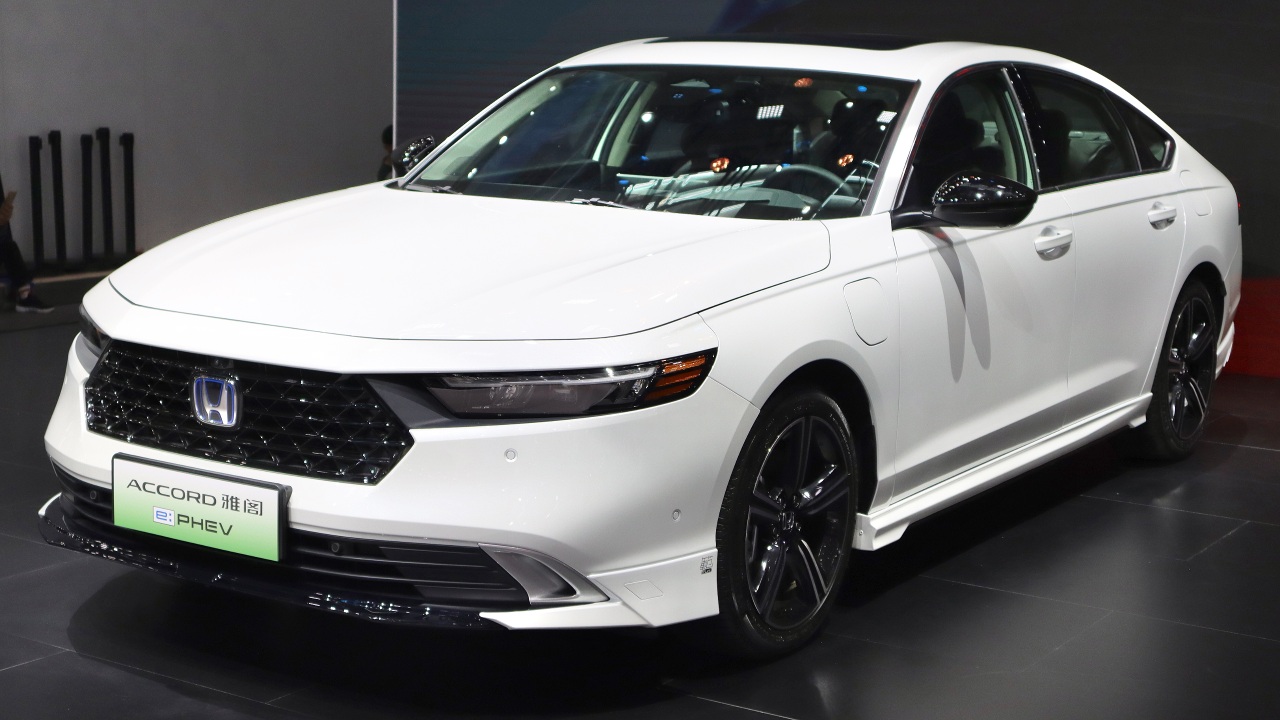
While hybrids can be more expensive upfront compared to their gasoline counterparts, they often provide savings in fuel costs over time. Models like the Hyundai Ioniq Hybrid offer competitive pricing while delivering excellent fuel economy. It’s essential to calculate potential fuel savings based on your typical mileage and current fuel prices to see if the initial investment makes sense for you.
Beyond fuel, consider potential resale value and the longevity of hybrid vehicles. Hybrids like the Toyota Camry Hybrid often hold their value well and can offer long-term savings in maintenance costs due to less wear on the engine. Weigh these factors when assessing the overall cost-effectiveness of purchasing a hybrid.
Exploring Incentives and Tax Benefits
Many governments offer incentives and tax breaks for purchasing hybrid vehicles, which can offset the higher initial cost. In the United States, federal tax credits for plug-in hybrids can be substantial, though they vary based on the vehicle’s battery capacity. Some states also offer additional incentives or rebates, making hybrids more financially appealing.
Research available incentives in your area before purchasing. For instance, California offers rebates for hybrid purchases, while other states might provide HOV lane access or reduced registration fees. Understanding these benefits can help maximize savings and make hybrid ownership more attractive.
Considering Maintenance and Repair Needs
Hybrids generally require less maintenance than traditional vehicles due to their reduced reliance on the combustion engine. However, they do have unique components, such as the battery and electric motor, which may require specialized knowledge for repairs. Brands like Toyota and Honda have established service networks experienced in hybrid technology, offering peace of mind for potential buyers.
It’s also worth noting that hybrid batteries are designed to last many years, with warranties often covering up to 100,000 miles or more. Routine maintenance such as oil changes and brake pad replacements are typically less frequent, contributing to lower overall maintenance costs. Consider these factors when planning for the long-term upkeep of a hybrid vehicle.




Leave a Reply