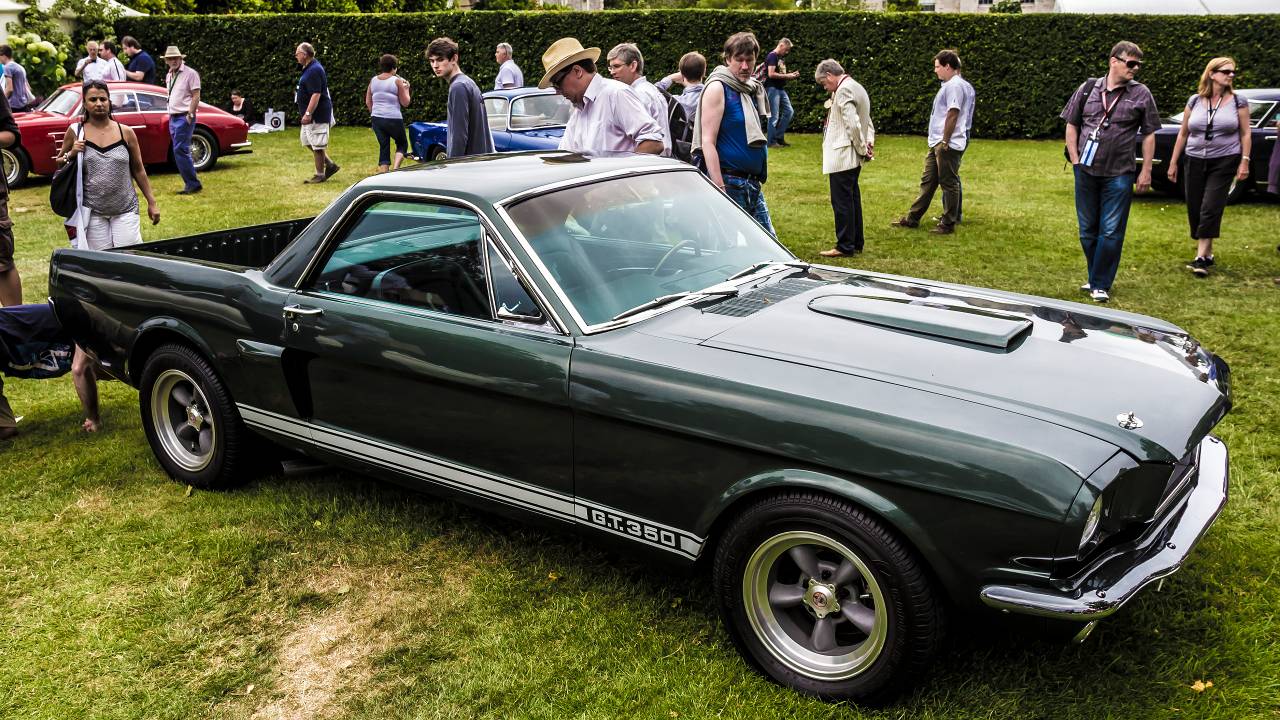
The Ford Mustero occupies a strange corner of Mustang history, a factory-blessed pickup conversion that never appeared in a regular brochure yet still fascinates collectors today. Built in tiny numbers through a single California dealer, it blurs the line between official model and aftermarket curiosity, which is exactly why values have started to separate sharply from standard pony cars. To understand when this Mustang pickup was actually available, and what a surviving example might be worth now, I need to trace its short production window and compare it with the broader 1966 Ford Mustang market.
How the Mustero Mustang pickup came to exist
The Mustero story starts not in a Ford assembly plant but at a dealership that saw an opportunity to turn the wildly popular Mustang into something more utilitarian. Reporting on the car’s origins makes clear that a Mustang truck never rolled directly off a Ford production line, and that Ford instead authorized a business operating as Beverly Hills Mustang Li, better known in other accounts as Beverly Hills Ford, to create a pickup-style conversion based on the existing coupe. That arrangement meant the cars began life as regular Mustangs, then were shipped out for surgery that removed the rear roof section and added a small cargo bed behind the front seats, effectively turning the pony car into a compact truck while still carrying Ford’s blessing as a dealer-backed special.
Multiple period retrospectives agree that this experiment was rooted in the 1966 model year, when Beverly Hills Ford, described as a Los Angeles area car dealership, was licensed to turn a Mustang into a pickup truck that would be called the Mustero. One detailed history notes that in 1966, with Ford’s blessing, Beverly Hills Ford in Los Angeles produced a small run of Mustang pickups that could be purchased for around $7,000, a hefty premium over a standard Mustang of the time. Another account, looking back at the project, reinforces that in 1966 Beverly Hills Ford was specifically licensed to create what became known as the Ford Mustero, confirming that the concept was not a one-off backyard custom but a sanctioned, dealer-driven program built on new Mustangs.
The narrow production window: what years the Mustero was offered
When enthusiasts ask what years Ford offered the Mustero Mustang pickup, the most precise answer the reporting supports is that the conversion was tied to the 1966 Mustang model year and does not extend beyond it. Contemporary analyses of the car consistently describe it as a 1966 Ford Mustang pickup, often explicitly calling it the 1966 Mustang truck or the 1966 Ford Mustang Mustero, and they trace the project back to that single model year rather than a multi-year run. One valuation listing for a 1966 Ford Mustang Mustero, for example, treats the vehicle as a 1966-specific variant, while broader Mustang histories emphasize that the 1965 Ford Mustang’s success inspired customizers and dealers, setting the stage for the Mustero that followed on the 1966 model year rather than spawning a long-running pickup line.
Additional accounts from enthusiast communities echo this tight timeframe, stating that in 1966, with Ford’s blessing, Beverly Hills Ford in Los Angeles produced a small run of Mustang pickups and that these trucks were based on 1966 Mustangs rather than later cars. A separate retrospective that looks back at the Ford Mustero also anchors the project in 1966, again describing Beverly Hills Ford as being licensed in that year to turn a Mustang into a pickup truck called the Mustero. None of the available reporting points to a continuation into 1967 or beyond, and there is no evidence in the supplied sources of earlier 1965-based Mustero production, so any claim of additional model years would be unverified based on available sources.
How many Mustero pickups were built and how rare are they now
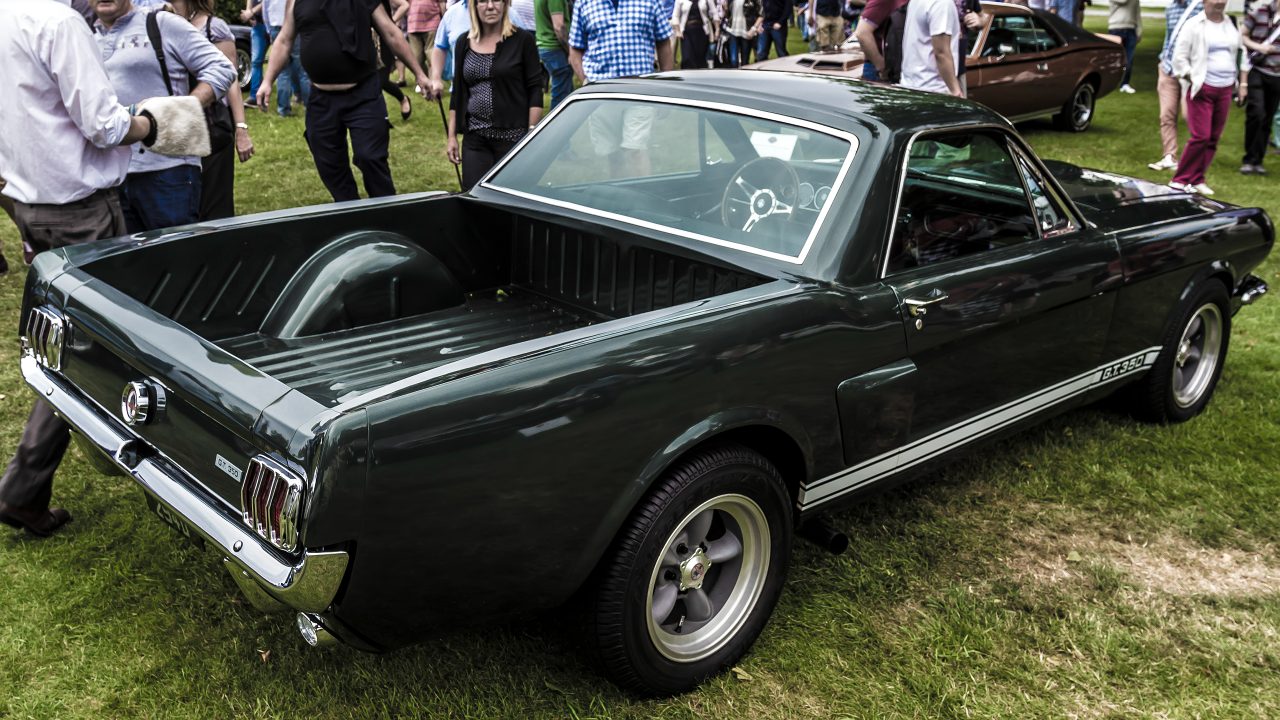
Even within that single model year, the Mustero was never a mass-market proposition, and the surviving reporting paints a picture of a very small production run. Enthusiast histories repeatedly describe the Mustero as a small run of Mustang pickups, and auction descriptions of individual 1966 Ford Mustang Mustero examples emphasize their rarity, often highlighting unrestored, as-discovered condition as a selling point precisely because so few were made. One video feature on the car, recorded on Mar 7, 2025, notes that “they made somewhere around 50 of these,” a figure that aligns with the general consensus that production was limited to dozens rather than hundreds or thousands, even if the exact number cannot be independently confirmed in factory records within the provided sources.
This scarcity has direct implications for how often a Mustero appears in public and on the market. Reports mention only a handful of these cars being shown at events by individual owners, and the tone of most coverage treats each rediscovered example as a minor news item in the Mustang world. A detailed look back at the Ford Mustero underscores that the conversion was a niche project carried out by Beverly Hills Ford, not a nationwide dealer program, which helps explain why sightings are so rare today. Taken together, the references to a small run, the “somewhere around 50” estimate, and the emphasis on individual survivors at shows support the view that the Mustero sits at the extreme end of Mustang rarity, even compared with other low-volume specials.
What made the Mustero different from a standard 1966 Mustang
Mechanically, the Mustero started life as a regular Mustang, but the conversion fundamentally changed its character and purpose. Accounts of the car’s design describe how the rear roof and much of the back seat area were removed, replaced by a short pickup bed that extended from behind the front seats to the tail, turning the fastback or coupe profile into something closer to a compact utility vehicle. One retrospective notes that Beverly Hills Ford was licensed to turn a Mustang into a pickup truck, and that the resulting vehicle, known as the Mustero, combined the familiar Mustang front end with a functional cargo area, a layout that echoed the car-truck “ute” concept popular in other markets.
Context from broader custom-car coverage helps explain why this hybrid appealed to a niche audience. A feature on unusual pickups points out that people have created pickups from just about any car you can imagine, and that Australians have long enjoyed factory Utes, which blend passenger-car fronts with open beds. The Mustero fit squarely into that tradition, but with the added cachet of Ford’s blessing through Beverly Hills Ford and the underlying performance and styling of the Mustang. That mix of utility and style, combined with the very limited production, is a key reason collectors now view the Mustero as more than just another backyard conversion, even though it never became a mainstream Ford model.
Collector values today: Mustero prices versus regular 1966 Mustangs
Because the Mustero was built in such small numbers and never cataloged as a standard Ford model, there is no large dataset of recent sales, but the available reporting still offers useful clues about its current market. A detailed feature on the car notes that one Mustero was listed with a Buy-It-Now price of $100,000, a figure that reflects both its rarity and its appeal as a conversation piece within the Mustang community. Auction coverage of a 1966 Ford Mustang Mustero likewise treats the car as a special case, emphasizing its unrestored condition and unique history, which typically signals that bidders are expected to pay a premium over comparable standard Mustangs from the same year.
To understand how steep that premium might be, it helps to compare those figures with broader 1966 Mustang values. According to one valuation tool, typically, you can expect to pay around $34,618 for a 1966 Ford Mustang in good condition with average specification, and the highest selling price recorded over the last three years for that model was $192,500. Those numbers frame the Mustero’s place in the market: a six-figure asking price for a rare pickup conversion sits well above the typical $34,618 level for a regular 1966 Ford Mustang, but still within the broader range of what collectors have paid for the most desirable, historically significant Mustangs. Given the small run that may have numbered around 50 units and the continued interest from enthusiasts, it is reasonable to view the Mustero as a niche collectible whose values track closer to high-spec or special-edition Mustangs than to everyday coupes, even if each individual sale will depend heavily on originality, documentation, and condition.