
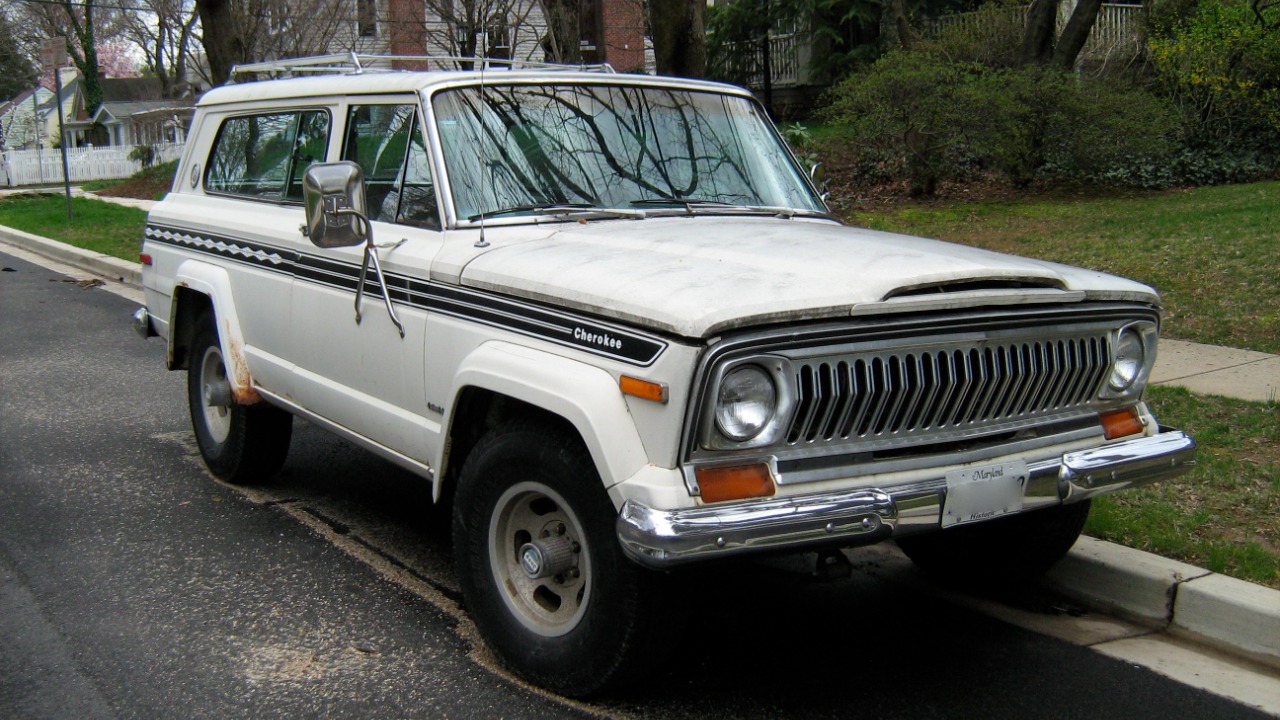
The Jeep Cherokee Chief Wide Track sits at the intersection of 1970s style and modern collector demand, combining flared fenders, wider axles, and full-size SUV practicality. For buyers and sellers today, the key questions are simple: which years actually carried the Wide Track hardware, and what those trucks are commanding in the current market.
Sorting that out means separating the broader Cherokee Chief nameplate from the specific Wide Track configuration, then looking at recent auction and valuation data to see how prices have evolved. I will walk through the production timeline first, then drill into how condition, originality, and trim level are shaping values now.
How the Cherokee Chief began and when the Wide Track era started
The full-size Jeep Cherokee arrived as a sportier spin on the Wagoneer, with the SJ series Jeep Cherokee produced from 1974 through 1983 and based on the earlier Wagoneer platform. The Cherokee was positioned as a youth-oriented two-door SUV, a strategy that followed the template set by rivals like the Chevrolet Blazer and gave Jeep a more aggressive entry in the growing SUV segment. That broader context matters, because the Cherokee Chief package grew directly out of this push toward a more adventurous, style-forward full-size Jeep.
Official Jeep history notes that AMC brought back the two-door Wagoneer as the youth-oriented Cherokee and that the JEEP CHEROKEE CHIEF (SJ) package ran from 1975 to 1978, with the Cherokee Chief introduced in January of 1975. Those early Chiefs emphasized graphics and off-road intent, but they did not yet define the full span of the Wide Track years. Period development notes on the Jeep Cherokee (SJ) describe the initial 1974 Cherokees as redesigned two-door models based on the Wagoneer, with widewheel two-door models forming the basis for the more aggressive variants that followed. This evolution set the stage for the later Wide Track configuration that enthusiasts now chase.
Pinpointing the true Wide Track years
When enthusiasts talk about a Cherokee Chief Wide Track, they are usually referring to trucks with visibly wider axles and pronounced fender flares, not just the Chief graphics package. Community documentation of Cherokee trim packages explains that Jeep used the Cherokee Chief name as a trim and option label even after the Model 17 was available with other or no trim packages in 1977, which means the Chief badge alone does not guarantee Wide Track hardware. That nuance is crucial for buyers trying to decode a seller’s ad or a decades-old title.
Owners and specialists have narrowed the Wide Track window more precisely. In a detailed discussion from Aug 9, 2021, enthusiasts state that Wagoneers never had wide tracks and identify 1976–1983 as the Wide Track Cherokee years, with 1975–1983 Cherokee models and 1963–1991 trucks providing related axle options. They also point out that a Wide Track has distinctive flares and different doors and fender wells, and that J truck axles, while related, do not simply bolt into a wagon. Taken together with the official note that the JEEP CHEROKEE CHIEF (SJ) package ran from 1975–1978, the picture that emerges is that the Cherokee Chief nameplate appears from 1975, while the full Wide Track configuration is consistently present on Cherokees from 1976 through the end of SJ production in 1983.
How long the Cherokee Chief name and Wide Track hardware overlapped
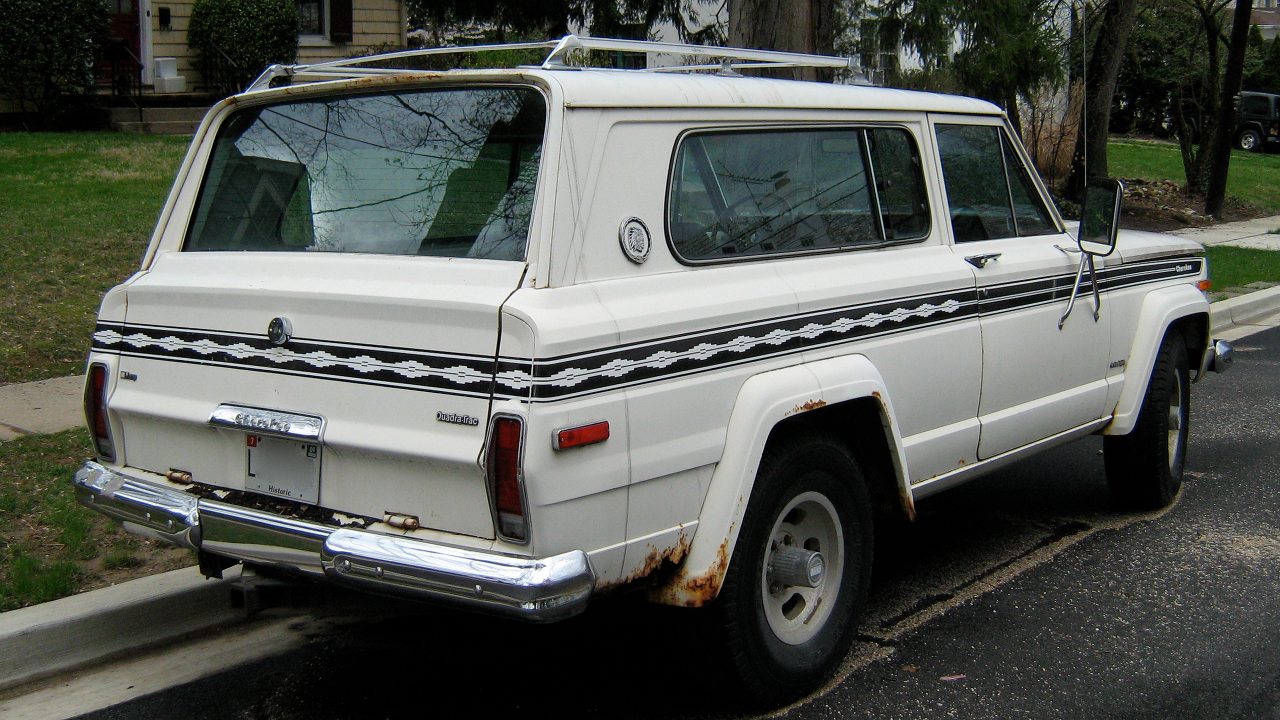
The overlap between the Cherokee Chief branding and Wide Track hardware is where many buyers get tripped up. Official Jeep history lists the 1975–1978 JEEP CHEROKEE CHIEF (SJ) as a distinct entry, introduced in January of 1975 as a more adventurous take on the Cherokee. That means the Chief name is firmly in place before the enthusiast consensus Wide Track window of 1976–1983 is fully underway, and it continues through the late 1970s even as Jeep begins to diversify Cherokee trims. The trim-package documentation notes that, even after the Model 17 was available with other or no trim or option packages in 1977, the name stuck, reinforcing that “Cherokee Chief” became as much a marketing label as a strict mechanical spec.
By the early 1980s, the SJ series Jeep Cherokee is still in production from 1974 through 1983, and Wide Track hardware is appearing not only on Chief-badged trucks but also on other trims like the Jeep Cherokee Laredo Wide Track. A listing for a 1983 Jeep Cherokee Laredo Wide Track 4X4 describes an Original and Highly Original example with automatic transmission and left-hand drive, underscoring that Wide Track had become a broader configuration rather than a Chief-only feature. At the same time, valuation data for a 1983 Jeep Corporation (AMC) Cherokee Chief 2 Door Station Wagon 4X4 shows that the Cherokee Chief name persists into the final SJ model year, overlapping with the Wide Track era right up to the end of production.
What Wide Track Cherokee Chiefs are selling for now
On the market today, Wide Track SJ Cherokees, especially those wearing the Cherokee Chief badge, have moved from quirky used trucks into serious collector territory. A Copper Brown Metallic 1983 Jeep Cherokee Chief described as a wide-wheel two-door and powered by a 360 cubic inch V8 paired with a three-speed automatic recently drew strong bidding, with the auction ending at a bid of USD $35,000. That figure reflects a combination of desirable factors: late-production SJ timing, Wide Track stance, V8 power, and a color and trim combination that reads as period correct without heavy modification.
Broader SJ Cherokee market data reinforces that this is not an isolated outlier. The listing for the 1983 Jeep Cherokee Laredo Wide Track 4X4, described as Original and Highly Original with 185,000 miles TMU, automatic transmission, and LHD, shows that even non-Chief Wide Track trims are attracting serious attention when they retain factory details. Valuation tools for the 1983 Jeep Corporation (AMC) Cherokee Chief 2 Door Station Wagon 4X4 provide structured pricing and values, signaling that insurers and appraisers now treat these trucks as collectible assets rather than simple used SUVs. Combined with commentary that full-size Jeep Cherokees are among the hottest collector vehicles on the market, these data points suggest that clean Wide Track examples, especially from the early 1980s, can realistically trade in the mid five-figure range, with condition and originality driving the spread.
Why collectors are chasing Wide Track SJ Cherokees
The surge in values is not happening in a vacuum. Analysts looking at full-size Jeep Cherokees describe how Jeep, seeking a sporty addition to its SUV lineup in the wake of the Chevrolet Blazer, repackaged its enduring Wagoneer platform into a more aggressive, youth-focused Cherokee. That origin story gives the SJ Cherokee, and particularly the Wide Track variants, a clear place in the narrative of American SUVs, bridging the gap between utilitarian 1960s 4x4s and the lifestyle-oriented sport utilities that followed. The Wide Track stance, with its flares and broader axles, visually underlines that shift toward performance and style.
At the same time, the SJ series Jeep Cherokee, produced from 1974 through 1983, benefits from the durability and simplicity of the Wagoneer architecture designed by Brooks Stevens in 1963, which appeals to enthusiasts who want a usable classic. Community discussions that spell out details like 1976–1983 Wide Track Cherokees, 1975–1983 Cherokee coverage, and the fact that Wagoneers never had wide tracks give buyers a roadmap for identifying the right trucks and swapping compatible axles when needed. As more collectors internalize those specifics and as auction results like the USD $35,000 Copper Brown Metallic 1983 Jeep Cherokee Chief circulate, the market for authentic Wide Track SJ Cherokees, especially Cherokee Chiefs and Laredo Wide Track models, is likely to remain competitive, with well-documented examples commanding a premium over modified or ambiguous builds.

Leave a Reply