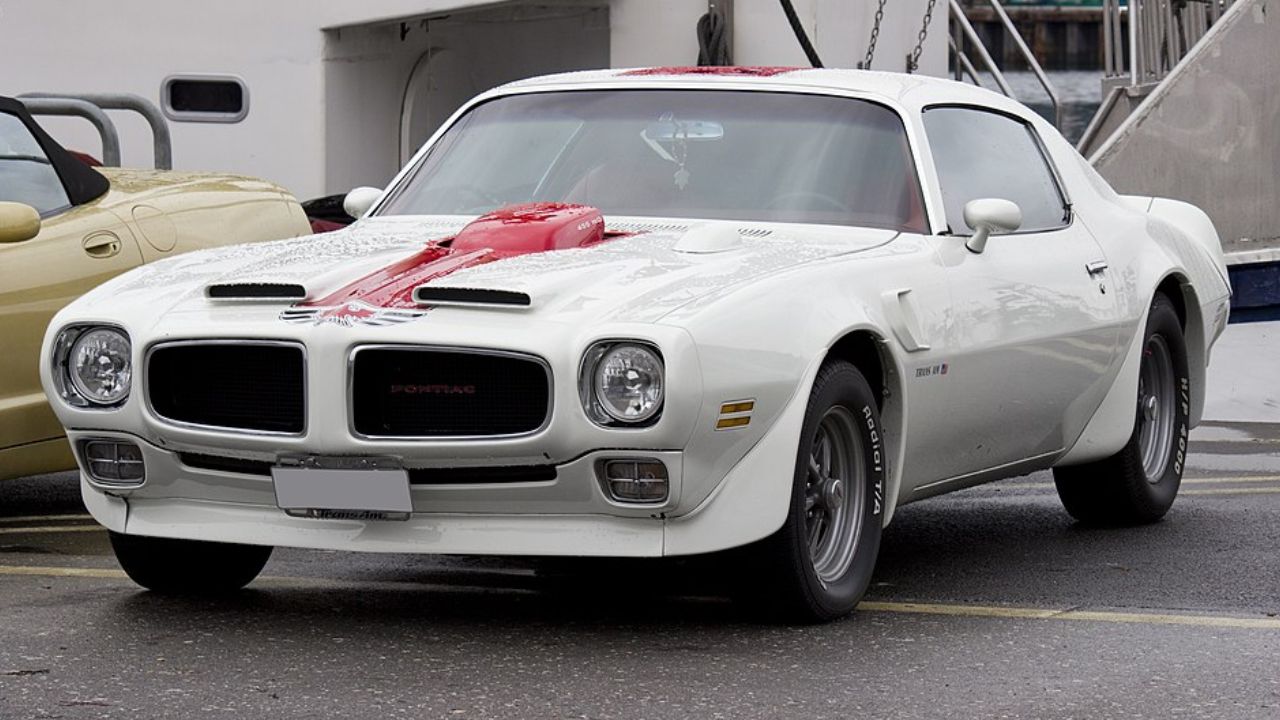
The Pontiac 455 H.O. sits at the crossroads of cubic-inch excess and the first real wave of emissions-era compromise, which is exactly why collectors obsess over when it was built and what those cars are worth now. The engine’s production run was short, the specifications shifted quickly, and surviving examples have become some of the most hotly contested muscle-era Pontiacs in the market.
Sorting out the exact years Pontiac offered the 455 H.O., and how those cars trade today, means tracing a tight window from the engine’s debut to its final appearance, then following the money across GTOs, Firebirds, LeMans variants, and a few halo Super Duty successors that keep values buoyant.
How the 455 H.O. arrived in Pontiac’s big‑block era
I start the story in 1970, when Pontiac finally pushed displacement to 455 cubic inches and then carved out a high-output niche inside that family. The broader 455 line arrived for the 1970 model year across full-size Pontiacs, the Grand Prix, and mid-size cars that had previously been capped below 400 cubic inches. Within that expansion, the 455 H.O. designation made its formal debut in 1970, with the engine Rated at 360 or 370 hp (268 or 276 kW) depending on application, and distinguished by round-port heads, specific chambers, and a larger camshaft.
Contemporary accounts of the 1970 GTO’s big-inch option underline how radical that move felt inside Pontiac showrooms. One detailed look at the 1970 GTO 455 notes how the car leveraged the A-body platform, described as Body Muscle, to appeal directly to performance-minded buyers once corporate limits on displacement in mid-size cars eased. Another technical retrospective points out that the following year Pontiac dropped compression to 8.4:1, scavenging 335 hp and 480 lb-ft for the GTO, a change that signaled how quickly emissions and fuel concerns were reshaping the big-block landscape even as the 455 remained in production until 1976.
The core 455 H.O. years: 1970 through 1972
Based on the available reporting, the cleanest way to define the 455 H.O. window is to focus on 1970, 1971, and 1972, when Pontiac explicitly used the “H.O.” label on its 455 and paired it with the most aggressive hardware. The 455 H.O. designation appears in 1970, and by 1971 it was powering some of the most desirable GTOs and Firebirds ever built. A period feature on a 1971 GTO 455 H.O. highlights an engine rated at 300 hp, backed by a three-speed manual, and notes that the 455 H.O. sat first on the option chart for buyers who wanted serious torque, with the piece explicitly citing the 300 hp figure.
The Firebird side of the story is just as important. A detailed market analysis of the 1971 Firebird Trans Am explains that the 1971 Trans Am, with its high-output 455-cubic-inch V-8, “only” churned out 335 horses, compared with the 370 from earlier Ram Air combinations, underscoring how the H.O. label was being used to balance emissions-era realities with performance branding. In 1972, however, things were still relatively sunny in Poncho engine bays, even as a 174-day UAW strike at Norwood Assembly disrupted production, which helps explain why 1972 455 H.O. Firebirds and GTOs are both rare and fiercely contested among collectors.
Firebird and Trans Am: the 455 H.O. halo cars
Within that 1970–1972 window, the Firebird Formula and Trans Am became the most visible showcases for the 455 H.O. package. The 1971 Pontiac Firebird Formula 455 is now tracked closely in valuation guides, which note that buyers can expect typical prices for a driver-quality Formula 455 and also list past sales such as a $37,800 1977 Pontiac Firebird Trans Am, Automatic, sold in North America on Nov 8, 2025, and a $39,960 198 example, to give context for how later F-bodies trade. A separate valuation entry for the 1971 Pontiac Firebird Trans Am explains that although Pontiac marketers deemed the sleek new 1970 Firebird “The beginning of tomorrow,” the real story for collectors is how early 455 H.O. cars have pushed the model’s ceiling, with the highest sale over the last three years reaching $148,500.
Firsthand recollections reinforce how special these cars felt when new. One enthusiast’s account of a 1972 Formula 455 H.O. describes the emotional punch of seeing the car threatened with a rough fate decades later, a reminder that many of these high-output Firebirds lived hard lives before the collector market caught up. That mix of limited production, strike-shortened 1972 output, and the 455 H.O.’s status as the last truly wild big-inch Pontiac V-8 in an F-body is what keeps values for correct, numbers-matching cars climbing.
GTOs, LeMans, and the mid-size 455 H.O. story
The 455 H.O. narrative is not just a Firebird story, and mid-size Pontiacs are where some of the rarest combinations hide. The 1971 GTO 455 H.O. package, with its 300 hp rating and three-speed manual, gave buyers a way to pair the H.O. hardware with the familiar GTO shape, and period coverage emphasizes how that option sat at the top of the performance chart for the model year, with the Aug 26, 2024 feature spelling out the engine’s torque-rich character. A technical history of Pontiac’s big-blocks adds that by 1971 the lower 8.4 compression, 335 hp, and 480 lb-ft tune for the May 19, 2021 GTO spec were already foreshadowing the end of the muscle era even as the 455 soldiered on.
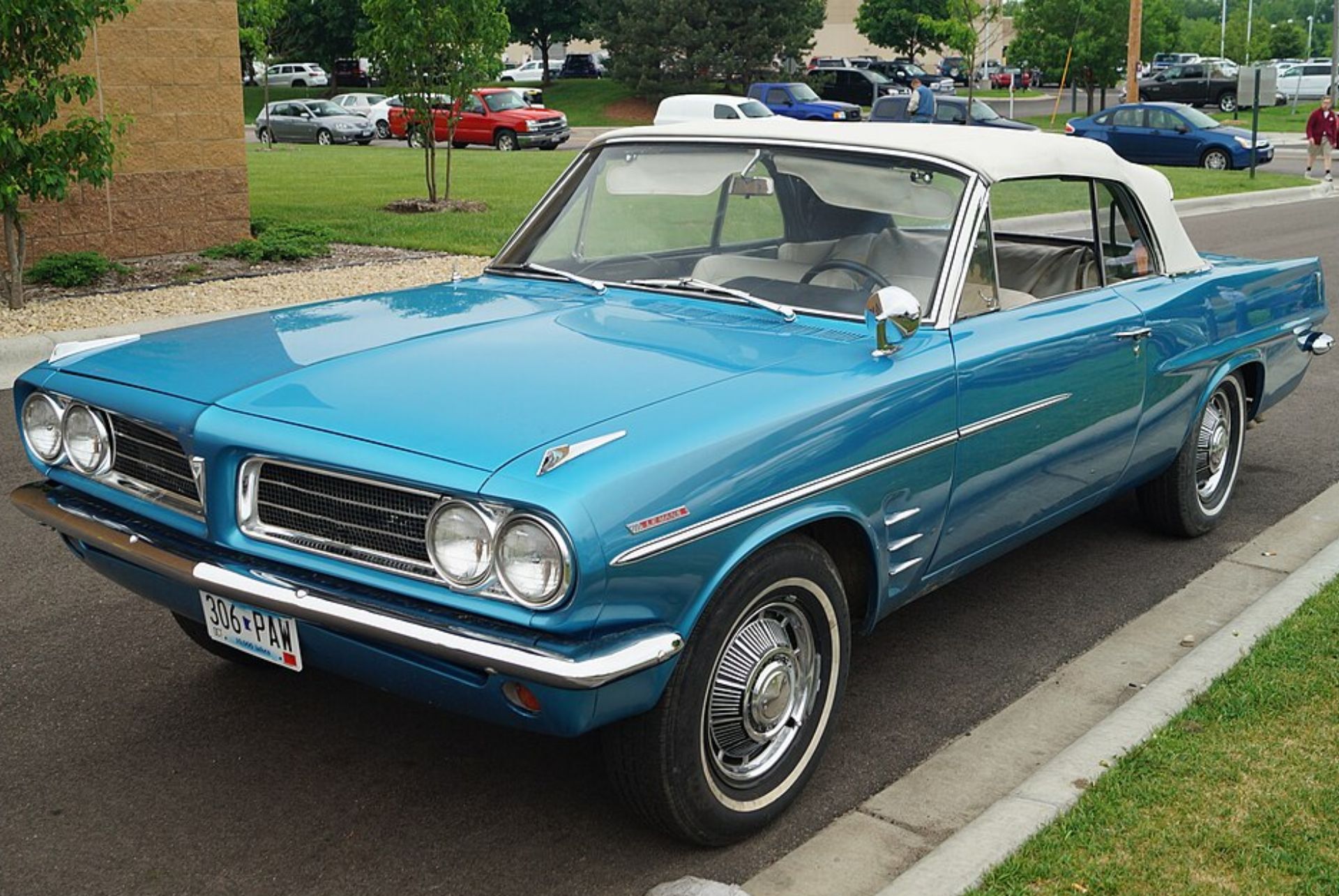
Rarity climbs even higher when the 455 H.O. is paired with the LeMans body. A recent feature on a Very Rare 1972 Pontiac LeMans 455 H.O. Convertible Emerges as One of Just 33 Built, published on Nov 16, 2025 with a reference to November 17, 2025, underlines how few of these mid-size H.O. convertibles left the factory. That “One of Just” 33 Built status, combined with the broader appeal of early 1970s American performance cars, has turned the LeMans 455 H.O. Convertible into a benchmark for what collectors will pay when the right combination of body style, drivetrain, and documentation comes to market.
Trans Am options, Super Duty successors, and the end of the line
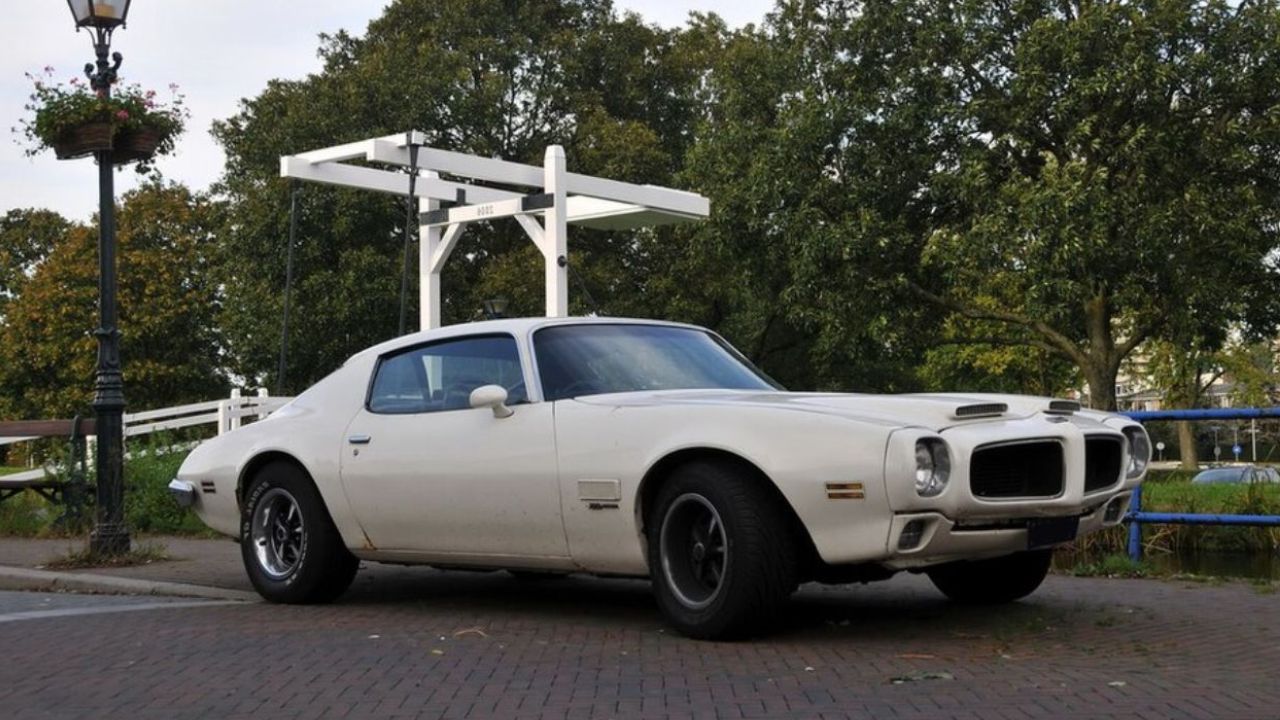
While the strict 455 H.O. label is tied to the early 1970s, Pontiac kept playing with big-inch performance packages on the Trans Am as the decade wore on. A detailed breakdown of Trans Am 455 optional packages notes that one such package was carried over for the 76 m model year and was renamed the “455 Four-Barrel Performance Package,” complete with a specifically tuned muffler to preserve some of the car’s character even as raw output declined. That evolution shows how Pontiac tried to keep the 455 relevant in the Trans Am long after the pure H.O. era had ended, leaning on branding and exhaust tuning when compression and cam profiles could no longer carry the performance story alone.
At the same time, Pontiac introduced the Super Duty 455 as a kind of spiritual successor to the H.O. concept. A feature on a 1974 Pontiac Firebird Trans Am Super Duty 455 explains that the SD 455, publicized as having 310 hp, sits alongside the very first Firebird Trans Am that debuted in 1969 as one of the most collectible F-bodies. By Aug 8, 2023, when that analysis was published, the SD 455’s reputation had been cemented as a late-muscle icon, even if it technically sits outside the 455 H.O. label that defined the earlier years.
How collectors verify real 455 H.O. cars
Because the 455 H.O. was produced for only a few years and shared displacement with more pedestrian 455s, authenticity has become a central concern for buyers. Enthusiast forums and social media groups are full of debates about what constitutes a “real” H.O. car, and one discussion titled “How to tell if it’s an original 455 HO car?” captures the tone. In that thread, Michael Messer pushes back on claims from other users, while Dale Henderson and Jim Hodge weigh in, with one commenter insisting that a particular configuration NEVER existed and another arguing that a four-speed was the “only” transmission, illustrating how granular these disputes can get.
Technical histories and period documentation help cut through some of that noise. A deep dive into GM’s big-inch engines notes that 1970 brought several flavors of GM 455, including a 320-horse 455 two-barrel in the Oldsmobile Marketplace, and that the outlook for big displacement stayed a little brighter through 1974 than enthusiasts sometimes remember. A separate discussion on a 1970 455 Pontiac engine points out that the 1970 455 is the only year high compression 455 in a full-size Pontiac, with the four-barrel horsepower listed as a stock 360 horses, reinforcing how specific casting numbers and compression ratios distinguish the true high-output combinations from garden-variety 455 builds.
What 455 H.O. cars are worth today
On the valuation side, the market treats genuine 455 H.O. cars much like other rare, high-spec performance icons: the best-documented examples command a steep premium over lesser trims. Valuation tools for the 1971 Pontiac Firebird Formula 455 show that the highest selling price of a 1971 Pontiac Firebird Formula 455 at auction over the last three years was $150,000, a figure reserved for a car with highly desirable features or modifications and excellent history. More typical examples in good condition with average spec trade for significantly less, but the six-figure ceiling underscores how far the best H.O. Firebirds have climbed.
Comparable dynamics play out across the broader collector-car world. A feature on the Porsche 356 notes that these rare and coveted examples are now highly sought after by collectors and enthusiasts alike, representing not just cars but the foundation of a legacy that defined the early days of Porsche production, and the same logic applies to Pontiac’s 455 H.O. halo models. In the Pontiac world, as one social media post puts it, it is all about cubic inches, with a discussion of why the Firebird got a 455 while Camaros never received a 454 framed around the idea that Sometimes engine sizes do not fit in other cars and that Pontiac’s identity was tied to displacement. That cultural weight, layered on top of limited production and a short three-year H.O. window, is what keeps collectors paying up for the right 455 H.O. cars today.