
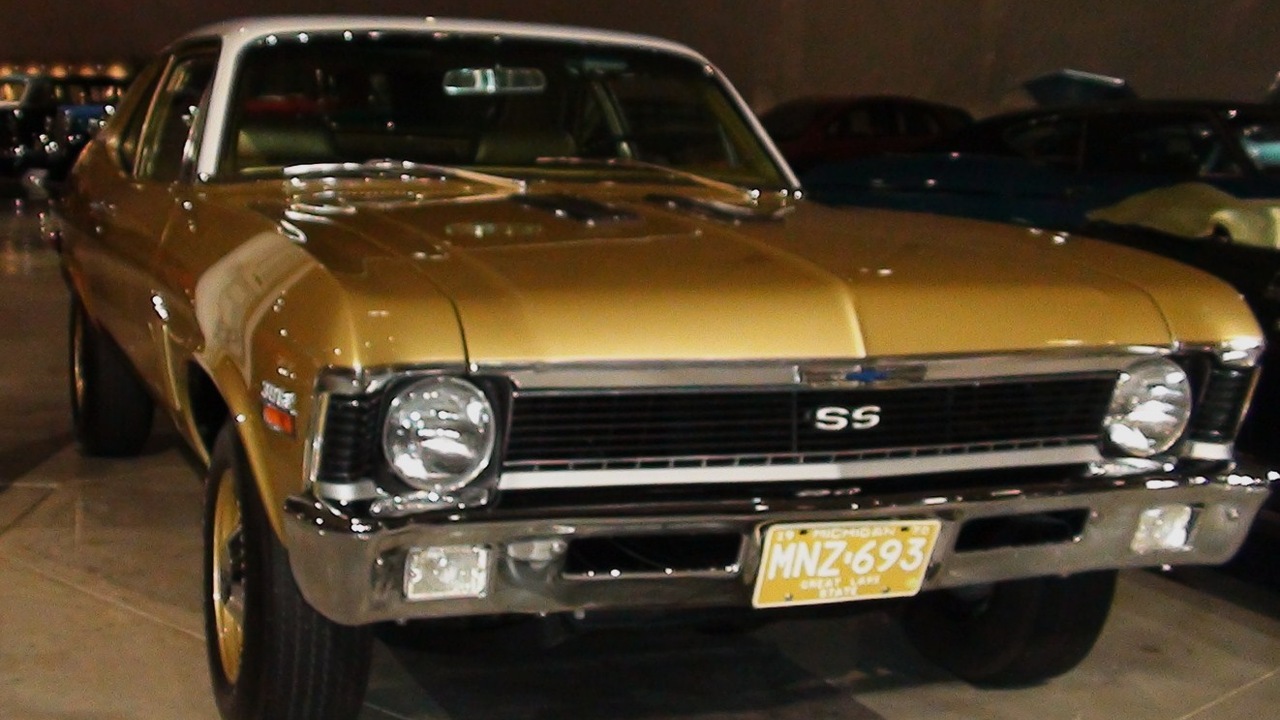
The 1970 Chevrolet Nova SS turned the muscle car formula on its head by pairing big-block power with a compact, stripped-down shell that treated weight as the enemy. Instead of chasing luxury or sheer size, it focused on putting as much V8 as possible into a relatively small footprint, creating a street and strip weapon that still commands attention in modern auction lanes. That mix of minimal mass and maximum output is why a car once seen as a budget brawler now trades hands like a blue-chip collectible.
The compact that punched above its weight
When I look at the 1970 Chevrolet Nova SS, what stands out first is how modest the basic package was compared with the era’s headline muscle cars. The Nova body was smaller and lighter than the full-size Chevelles and Camaros that usually grab the spotlight, yet the Super Sport option quietly turned this compact into a serious performance threat. According to the official description of the Chevrolet Nova SS This car combined a relatively short wheelbase with a big-block engine, dual exhausts, and performance-focused hardware that made the most of its smaller footprint.
The Nova SS and the big-block package were not about plush interiors or elaborate options, they were about turning a simple platform into a blunt instrument. The factory specification lists a 375 horsepower, 396 CID big block V8, a figure that instantly put the Nova into the same conversation as far larger and heavier machines. By dropping that 375 horsepower, 396 cubic inch engine into a compact shell, Chevrolet created a car that could out-accelerate many better-known rivals simply because it had less weight to haul. That basic equation, more power and less mass, is what transformed the Nova SS from an economy car derivative into a lightweight performance weapon.
L78 big-block: small car, serious firepower
The real magic of the 1970 Nova SS comes into focus when I zero in on the L78 big-block configuration, which pushed the lightweight strategy to its logical extreme. In period, this engine was nominally described as a 396, but detailed reporting on a masterfully restored example headed to a major auction notes that the big-block’s actual size is 402 cubes, with an 11:1 compression ratio and a solid-lifter camshaft. That combination of 402 cubic inches, high compression, and aggressive valvetrain gave the Nova SS a race-bred heart that was far more serious than its unassuming silhouette suggested, especially when paired with the minimal creature comforts typical of these cars.
What makes the L78 Nova so compelling is how little else was needed to turn it into a track-ready package. The same reporting on the 402 cubic inch car highlights how the Super Sport configuration stayed true to its mission, with performance hardware and only the essential features inside, avoiding the weight and complexity of luxury options. In practice, that meant the Nova SS could deliver big-block acceleration without the mass penalty that dulled many larger muscle cars. The engine did the heavy lifting, but it was the car’s relatively low curb weight and stripped-down interior that allowed the L78 to fully express its potential, turning the Nova into a car that felt more like a factory-built bracket racer than a typical street cruiser.
Drivetrain choices that favored speed over comfort
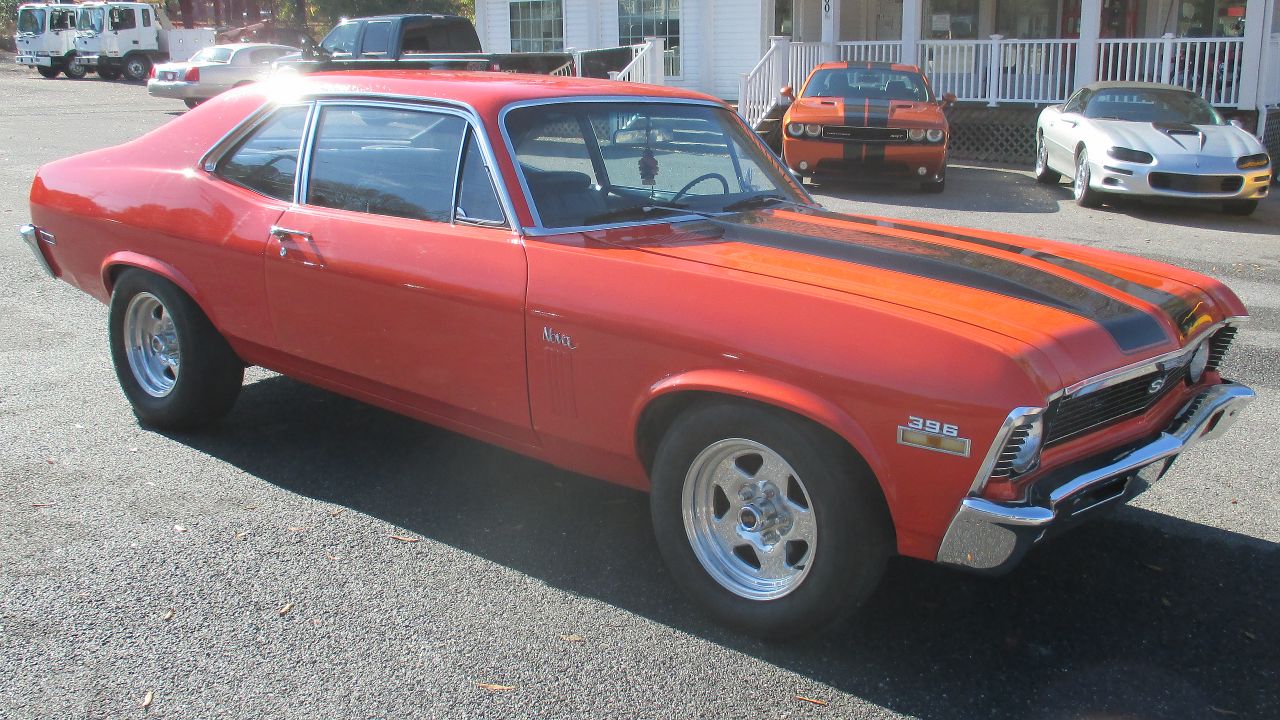
Lightweight performance is not just about the engine, it is about how the entire drivetrain is configured to put power to the pavement with minimal loss. In the case of the most desirable 1970 Nova SS builds, that meant pairing the big-block with a manual gearbox that rewarded aggressive driving. A standout example that recently drew intense attention at a major sale featured the potent L78 396ci V8 matched with a Muncie M20 4-speed manual transmission, a combination that prioritized driver engagement and direct power delivery over ease of use. The presence of the Muncie hardware underlines how Chevrolet and buyers alike saw the Nova SS as a car to be shifted hard, not simply cruised.
That same record-setting car underscores how the right drivetrain choices amplified the Nova’s lightweight advantage. With the L78 396ci engine feeding a Muncie M20 4-speed, the car could stay in its power band and exploit every bit of torque, something an automatic of the era would have struggled to match. The manual gearbox, relatively short gearing, and compact body meant less rotational and overall mass to overcome, so each upshift translated more cleanly into forward motion. In effect, the drivetrain turned the Nova’s modest size into a performance multiplier, reinforcing the idea that the car’s true strength lay in how ruthlessly it converted big-block output into acceleration.
Minimalist interiors and option lists as performance strategy
One of the most revealing aspects of the 1970 Nova SS is how deliberately sparse many of these cars were inside, a choice that was as much about performance as it was about cost. Contemporary descriptions of a restored 1970 Chevy Nova SS with the L78 package emphasize that, true to Super Sport form, the cabin carried only the essentials, with performance-focused gauges and basic trim being the only features inside. That kind of interior was not an oversight, it was a strategy that kept weight down and distractions to a minimum, reinforcing the car’s identity as a driver’s machine rather than a rolling living room.
The official overview of the Nova SS package further supports this picture of purposeful simplicity. The specification sheet for the 375 horsepower, 396 CID big block V8 car lists functional items like dual exhausts and performance tires, but it does not dwell on luxury appointments or elaborate convenience features. Instead, the emphasis is on mechanical components that directly affect how the car accelerates, stops, and handles. By limiting the option list and keeping the interior straightforward, Chevrolet ensured that the Nova SS remained relatively light, which in turn allowed the big-block to deliver more dramatic performance than its raw horsepower figure alone might suggest. The absence of extra sound deadening, power accessories, and heavy comfort options was not a compromise for enthusiasts, it was part of the appeal.
From budget bruiser to six-figure collectible
The market’s view of the 1970 Nova SS has evolved dramatically, and that shift says a lot about how enthusiasts now value lightweight performance. What was once a relatively affordable way into big-block power has become a serious investment, particularly when the car retains its original configuration. A striking example is a 1970 Nova SS that recently sold for a record-breaking $275k at a high-profile auction, a figure that would have been unthinkable when these cars were simply used and abused street machines. The car’s configuration, featuring the L78 396ci V8 and a Muncie M20 4-speed manual, was cited as a key reason for its desirability, underscoring how collectors now prize the exact combination that made the Nova such an effective lightweight performer in period.
That six-figure sale also highlights how rarity and authenticity intersect with the Nova’s performance-focused identity. Reporting on the $275k transaction notes that original survivors in this specification are relatively rare today, which magnifies the value of cars that still carry their factory big-block, manual transmission, and unmodified structure. In other words, the market is rewarding not just any Nova, but the specific builds that best express the model’s core idea of compact size, serious power, and minimal frills. The record price is less about nostalgia alone and more about recognition that the 1970 Nova SS, especially in L78 and Muncie form, represents a pure expression of the lightweight muscle car concept that modern enthusiasts and investors are eager to preserve.



Leave a Reply