
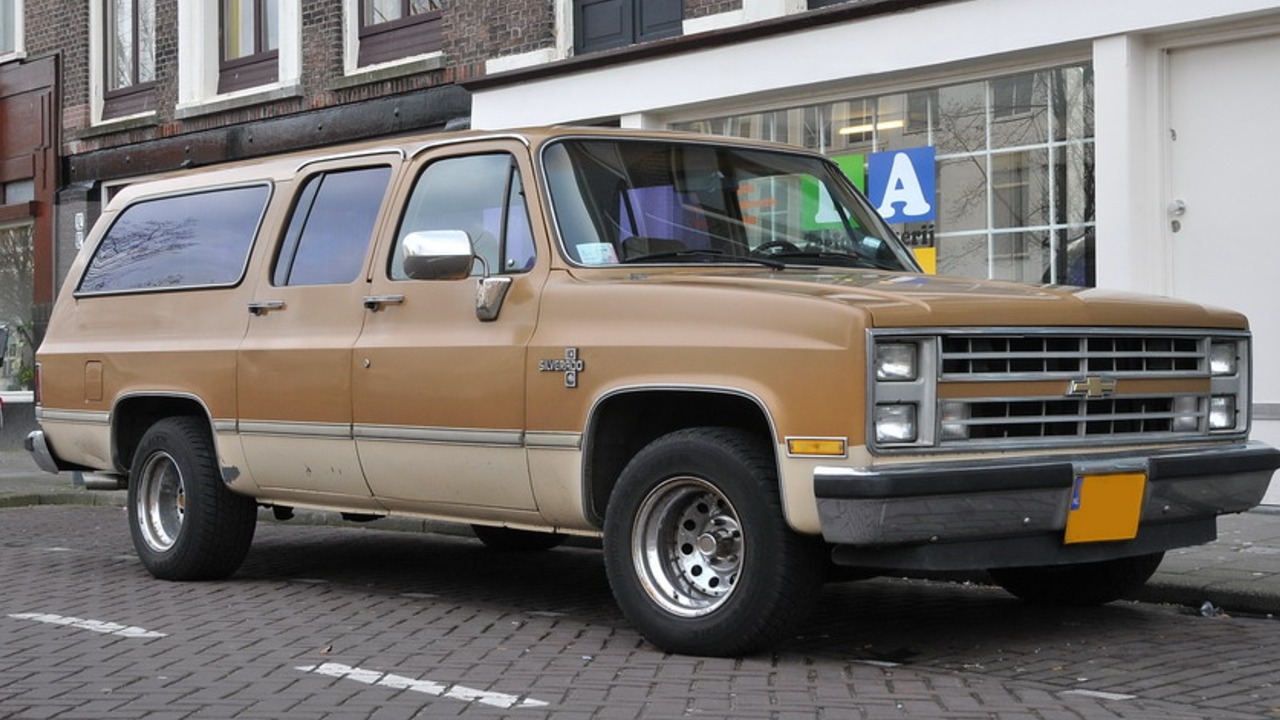
The Suburban that carried Chevrolet’s biggest big-block was a short-lived, heavy-hitting answer to the early 1990s horsepower wars, and it has since turned into a niche collectible with very specific appeal. I want to trace when Chevrolet actually built the Suburban with the 454-cubic-inch V8, how it fit into the broader Silverado and GMT400 truck lineup, and what today’s market says about their value compared with other classic SUVs and pickups.
How the Suburban and Silverado lines overlapped in the GMT400 era
To understand when a Suburban could be ordered with a 454 and how “Silverado” fits into the story, I start with the GMT400 platform that underpinned Chevrolet’s full-size trucks and SUVs from the late 1980s through the late 1990s. In that generation, Silverado was not yet a standalone model line but a trim level within the C/K pickup range, while the Suburban rode on a closely related chassis with its own body and interior layout. The heavy-duty versions of these trucks, including the 2500 and 3500 series, shared engines and much of their running gear, which is where the 7.4‑liter big-block comes into play for both pickups and the three-quarter-ton Suburban 2500 models, as documented in period spec sheets.
In that context, a “Suburban Silverado 454” is best understood as a GMT400 Suburban 2500 equipped with the 7.4‑liter V8 and trimmed at the Silverado level, mirroring how a C2500 or K2500 pickup could be ordered. Factory documentation for the early 1990s shows the 454 offered in three-quarter-ton Suburbans alongside the 5.7‑liter small-block and, later, the 6.5‑liter turbodiesel, with the big-block positioned as the top gasoline option for towing and heavy hauling rather than a performance halo. That shared parts bin with the C/K pickups, including identical engine codes and similar transmission choices, is why many owners and auction listings casually blend the Silverado and Suburban names when describing these trucks, even though the VIN and body style clearly identify them as Suburbans built on the GMT400 architecture at the time.
When Chevrolet actually built 454-powered Suburbans
The 7.4‑liter V8 had been a Chevrolet truck staple for years, but its availability in the Suburban narrowed as emissions rules tightened and fuel prices rose. Factory guides for the early GMT400 years show the 454 offered in 2500-series Suburbans through the mid‑1990s, typically paired with a heavy-duty automatic and available in both rear-wheel-drive and four-wheel-drive configurations. By the second half of the decade, Chevrolet began phasing out the big-block in favor of more efficient powertrains, and the 8.1‑liter Vortec and later Vortec 6.0‑liter engines took over heavy-duty towing duties in the redesigned SUVs and pickups, a shift reflected in later Suburban documentation.
That means the true window for a factory-built Suburban 2500 with a 454-cubic-inch V8 and Silverado-level trim sits squarely in the GMT400 era, before the 2000 model-year redesign brought the new body and engine lineup. Within that span, the 454 was never a high-volume choice, partly because of its fuel consumption and partly because many buyers opted for the emerging turbodiesel alternative for long-distance towing. Production breakdowns by engine are not fully detailed in the public-facing heritage materials, so the exact number of 454 Suburbans remains unverified based on available sources, but the combination of three-quarter-ton chassis, big-block power, and relatively plush interior trim was clearly aimed at a narrow slice of buyers who needed maximum capability and were willing to pay for it at the pump.
How the 454 Suburban compares with the Silverado 454 SS and other big-block trucks
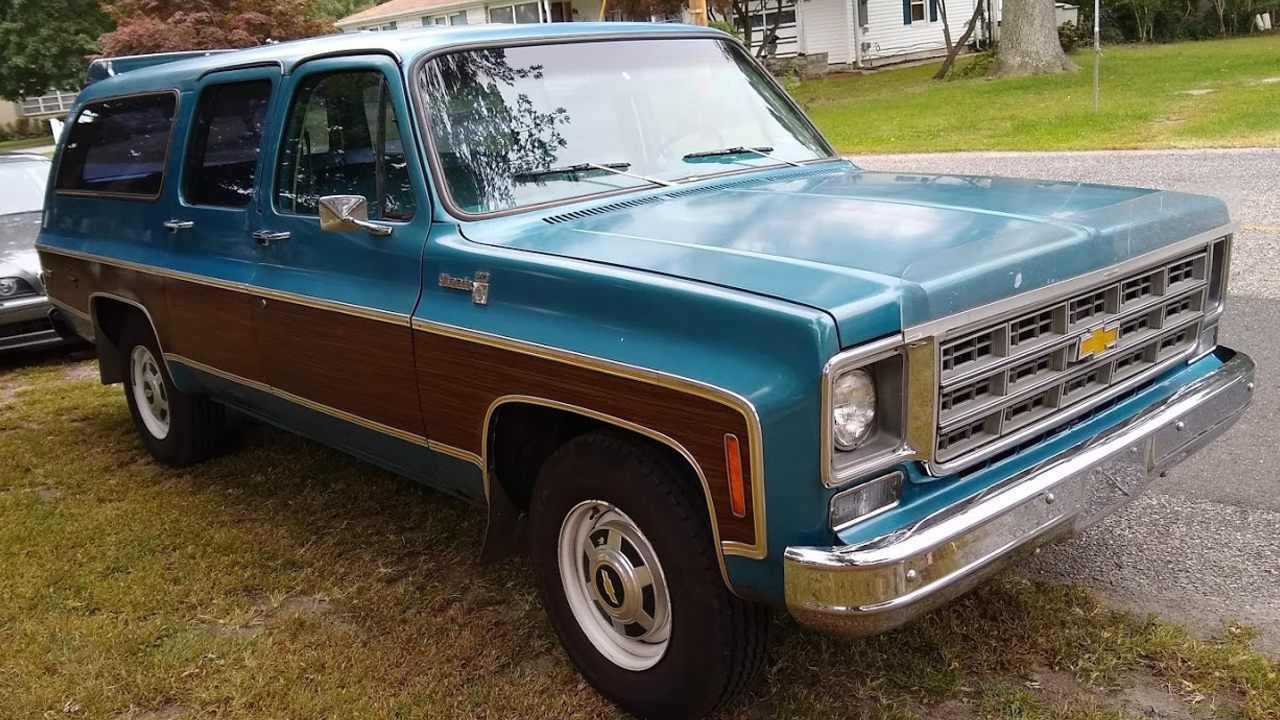
When enthusiasts hear “454” and “Chevy truck” in the same sentence, many think first of the Silverado 454 SS pickup, the short-bed, rear-drive muscle truck that arrived at the start of the 1990s. That model used the same basic 7.4‑liter architecture but wrapped it in a lighter, two-door pickup body with a sport-oriented suspension and visual cues that signaled performance rather than towing. Period performance tests and later collector coverage show the 454 SS trading on straight-line punch and street presence, while the Suburban 2500 with the same displacement was tuned and geared for pulling trailers and carrying passengers, a difference reflected in axle ratios, suspension tuning, and the way each truck was marketed in contemporary brochures.
That divergence in mission helps explain why the Suburban 454 has never commanded the same headline-grabbing attention as the 454 SS, even though it shares the big-block heart and much of the underlying hardware. The SUV’s extra weight, three-row interior, and more conservative styling make it less of a stoplight hero and more of a workhorse, closer in spirit to the C/K 2500 and 3500 pickups that also carried the 7.4‑liter V8. In the collector market, that positions the Suburban as a niche choice for buyers who want maximum capability and period-correct big-block character in a family-sized package, rather than a pure performance collectible, a distinction that shows up clearly when comparing auction results for 454 SS pickups and similarly equipped Suburbans on major online platforms.
Current market values for Suburban 454 trucks
Values for 454-powered Suburbans sit at the intersection of two trends: the broader surge in interest for 1990s SUVs and the specific premium attached to big-block, heavy-duty trucks. Recent sales data from enthusiast auction sites show clean, low-mileage GMT400 Suburbans with the 7.4‑liter V8 trading above comparable 5.7‑liter trucks, with the spread widening when the vehicle has documented maintenance, original paint, and unmodified drivetrains. On platforms that track past results, it is common to see strong-condition 2500 Suburbans with the big-block and four-wheel drive bring a noticeable premium over base-engine examples, although they still tend to lag behind the most desirable 454 SS pickups and high-spec two-door Tahoe and Yukon models from the same era in recent listings.
Condition and configuration matter heavily in this corner of the market. Trucks with rust-free bodies, intact interiors, and factory towing packages command the highest prices, especially when they retain original wheels and period-correct accessories. High mileage, aftermarket lift kits, and heavy cosmetic modifications tend to cap values, even when the underlying drivetrain is sound, because many buyers are looking for a usable but authentic representation of the 1990s big-block Suburban rather than a heavily customized off-roader. Looking across multiple recent auctions, I see a pattern where well-kept 454 Suburbans occupy a middle ground: more expensive than ordinary small-block Suburbans but still accessible compared with the top tier of 1990s performance trucks and SUVs that have surged in value on collector indexes.
What drives demand and where values may go next
The appeal of a 454-powered Suburban today rests on more than just displacement. For many buyers, these trucks represent a last link to a pre-electrification, pre-turbocharged era of American utility vehicles, when a naturally aspirated big-block and a four-speed automatic were the default answer to towing questions. That nostalgia factor has grown as newer SUVs have shifted toward smaller, more efficient engines and as modern trucks have layered on complex electronics, making the relatively straightforward mechanical layout of a GMT400 Suburban feel approachable for home mechanics. At the same time, the practical usability of a three-row SUV with serious towing capacity gives it an advantage over some period performance trucks that are less comfortable on long trips or in bad weather, a point that comes through in owner discussions and the descriptions sellers highlight in recent listings.
Looking ahead, I expect values for the best examples to continue tracking the broader 1990s truck and SUV market rather than breaking out on their own. The limited production of big-block Suburbans, combined with the attrition that comes from years of hard towing and family duty, means truly clean survivors are not common, but the market still treats them as work-capable classics rather than blue-chip collectibles. That dynamic suggests steady appreciation for low-mileage, rust-free trucks with documented histories, while high-mileage or heavily used examples are likely to remain relatively affordable entry points into the world of vintage big-block Chevrolets. For buyers and sellers alike, the key is recognizing that the Suburban with a 454 and Silverado-level trim occupies a specific niche: a capable, characterful SUV that shares DNA with the headline-grabbing 454 SS, yet follows its own quieter, more utilitarian path in the collector landscape, as reflected in the pricing patterns visible across multiple market trackers.


Leave a Reply