
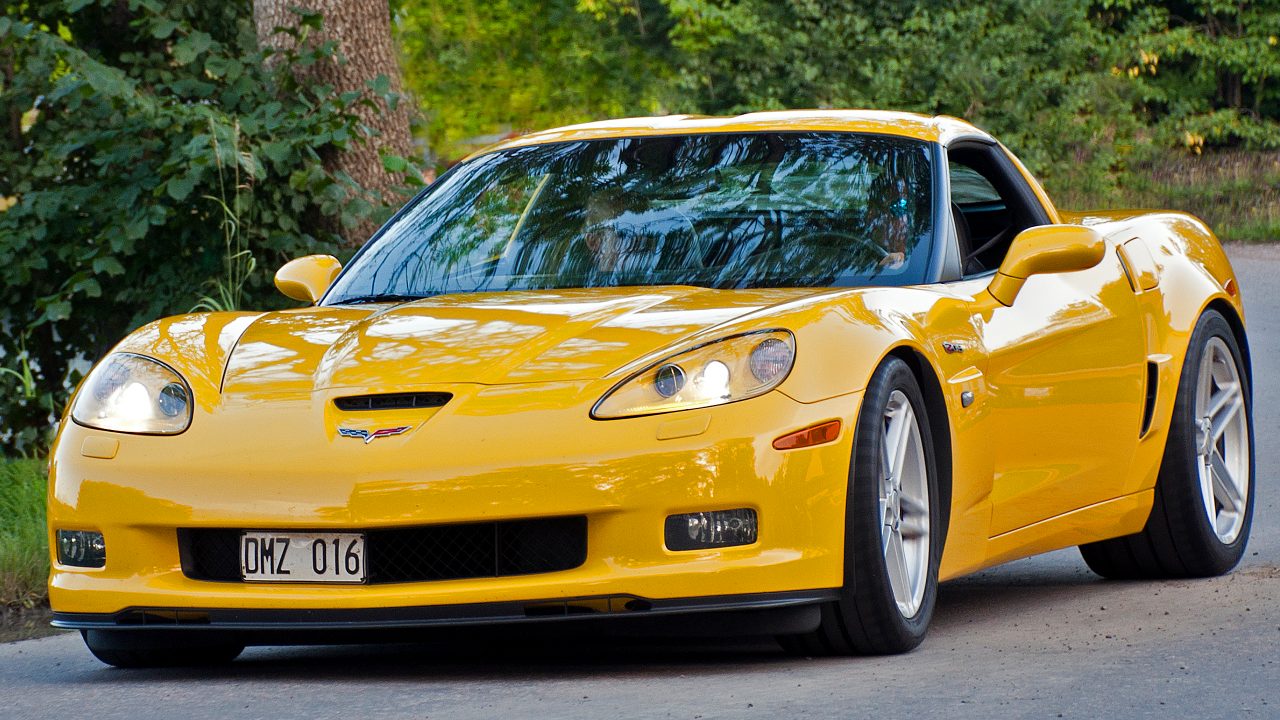
The Corvette Z06 427 arrived as a focused, track-bred evolution of Chevrolet’s long-running sports car, pairing a big-cube V8 with serious chassis hardware and limited-production cachet. More than a decade later, that combination of displacement, rarity, and motorsport flavor has turned the Z06 427 into a closely watched modern collectible, with values that can surprise even seasoned Corvette fans. I want to walk through when Chevrolet actually launched this variant, how it fit into the broader C6 story, and what the market now says these cars are worth.
How the Corvette Z06 427 fit into the C6 performance ladder
To understand the Z06 427, I start with the C6 generation’s performance hierarchy, which Chevrolet built around three distinct personalities: the standard Corvette, the track-focused Z06, and the supercharged ZR1 halo. The Z06 427 sat squarely in the middle of that spectrum, using a naturally aspirated 7.0‑liter V8 and lightweight components to chase lap times rather than headline-grabbing horsepower figures. That big-displacement LS7 engine, rated at 505 horsepower and 470 lb‑ft of torque, gave the Z06 427 its name and its character, and period testing consistently showed that the car could run with far more expensive European exotics on both road and track, a point backed up by contemporary performance data in sources that detail the LS7’s output and the Z06’s curb weight and acceleration figures.
Chevrolet’s strategy with the C6 Z06 was to borrow heavily from its racing program, and the 427‑cubic‑inch V8 was only part of that story. The car combined an aluminum frame, extensive use of carbon fiber for body panels, and upgraded suspension and braking hardware that mirrored the brand’s GT racing efforts, a package that contemporary technical breakdowns describe in detail when they list the Z06’s aluminum chassis, composite bodywork, and track-oriented cooling and aero features. By the time the Z06 427 was fully in the market, it had established itself as the naturally aspirated purist’s choice in the C6 lineup, distinct from the later ZR1’s supercharged approach and clearly more serious than the base Corvette in both specification and price.
When Chevrolet released the Corvette Z06 427
Chevrolet introduced the C6‑generation Corvette Z06 for the 2006 model year, and that is when the 7.0‑liter LS7‑powered Z06 427 first reached customers. The car’s launch followed the debut of the standard C6 Corvette by roughly a year, and period product timelines show the Z06 arriving as the high-performance flagship before the ZR1 appeared later in the generation, with those same references explicitly tying the Z06’s 7.0‑liter displacement to the 427‑cubic‑inch badge that enthusiasts still use as shorthand for the model. In other words, when people talk about the “Z06 427,” they are effectively talking about the LS7‑equipped Z06 that Chevrolet rolled out as part of the 2006 lineup, rather than a separate, later engine package.
The LS7 Z06 then remained in production through the rest of the C6 run, giving buyers several model years of access to the 427‑cubic‑inch car before Chevrolet pivoted to the C7 platform and a different performance strategy. Production figures compiled in enthusiast registries and factory documentation show that Chevrolet built thousands of LS7 Z06s across those years, although exact annual totals vary by source and trim combination, and some breakdowns distinguish between early cars and later examples with incremental updates to equipment and options. What is consistent across those references is the timeline: the Z06 427 entered the market with the 2006 model year and stayed there until the C6 bowed out, which frames the car’s age and production window for anyone trying to understand its current collectability.
Why the Z06 427 became a modern collectible
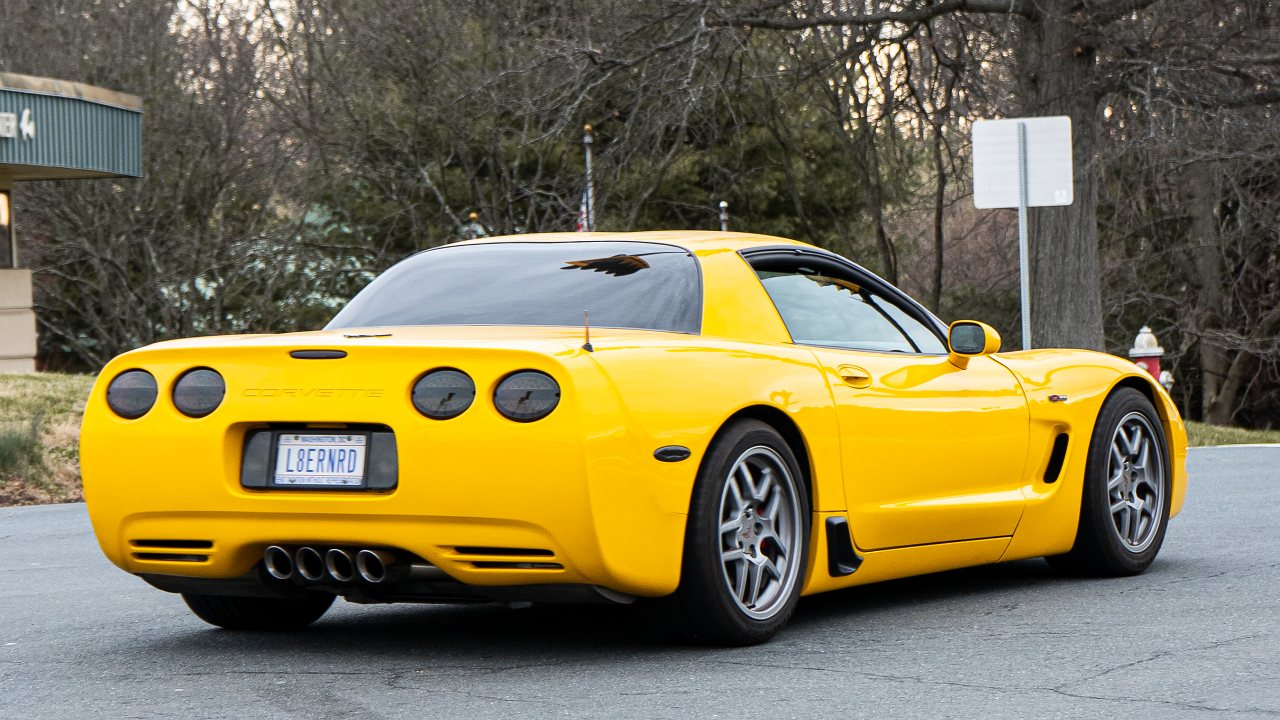
From a collector’s perspective, the Z06 427 checks several boxes that tend to support long-term interest: a large-displacement, naturally aspirated engine, clear motorsport links, and a relatively constrained production run compared with mass-market Corvettes. The LS7’s 7.0‑liter displacement is one of the largest ever fitted to a modern production Corvette, and technical write‑ups that catalog Chevrolet’s small‑block evolution consistently highlight the LS7 as a high‑revving, hand‑built unit with features like titanium connecting rods and a dry‑sump oiling system, details that help explain why enthusiasts treat it as a special powerplant rather than just another V8. That engineering story, combined with the car’s track‑ready chassis, has given the Z06 427 a reputation as one of the purer driver’s cars of the C6 era.
Rarity also plays a role, even if the Z06 427 is not as numerically scarce as some ultra‑limited supercars. Production summaries that break down C6 volumes show that the Z06 accounted for a fraction of total Corvette output in each model year, and within that subset, certain colors and option combinations are especially thin on the ground, something auction catalogs often note when they describe specific cars as one of a small number built in a given configuration. That combination of relatively low build numbers, a distinctive engine, and strong period performance has helped the Z06 427 transition from “used car” to “modern classic” in the eyes of many buyers, which is reflected in the way price guides and auction houses now track and describe these cars.
What Corvette Z06 427s sell for today
Current market data shows that Corvette Z06 427 values have stabilized above ordinary C6 Corvettes, with clean, lower‑mileage examples commanding a clear premium. Recent auction results compiled by specialist platforms indicate that well‑kept LS7 Z06s often trade in the mid‑five‑figure range, with especially desirable cars pushing higher when mileage, color, and documentation line up, and those same datasets typically show a spread between driver‑quality cars and collector‑grade examples that can reach tens of thousands of dollars. Price guides that aggregate private‑party and dealer transactions echo this pattern, listing typical values for average‑condition Z06 427s below the very top auction results but still comfortably above comparable base C6 Corvettes of the same year and mileage.
Condition and history are the biggest swing factors in what a Z06 427 brings today, and the market has become more discerning as the cars have aged. Listings and sales reports repeatedly highlight issues such as prior track use, accident damage, and incomplete maintenance records as reasons for discounts, while cars with documented single‑owner histories, low odometer readings, and original paint tend to attract stronger bidding and faster sales. Some valuation tools also note that later‑production LS7 Z06s with incremental factory updates can bring slightly more than early cars, although that premium is often overshadowed by mileage and overall presentation, a trend that shows up when comparing sale prices across multiple years in the same condition category.
Key factors that move Z06 427 prices up or down
Beyond basic condition, several specific factors have emerged as consistent value drivers for the Z06 427. Options such as the 2LZ or 3LZ equipment groups, upgraded audio, and certain wheel packages are frequently cited in dealer descriptions and auction listings as desirable, and sale prices often reflect that extra equipment when it is paired with low mileage and clean histories. Color can also matter more than some buyers expect, with production breakdowns and sales data showing that rare hues and well‑matched interior combinations sometimes bring a modest premium over more common configurations, particularly when collectors are chasing specific build sheets.
On the downside, documented engine issues or modifications that stray too far from factory specification can weigh heavily on value. The LS7’s reputation for high performance has encouraged some owners to pursue aggressive tuning and track use, and inspection reports that accompany many auction listings frequently call out non‑stock engine internals, aftermarket forced induction, or evidence of repeated circuit driving as red flags for buyers who want a largely original car. Price trends suggest that lightly modified examples with reversible changes can still sell well, but heavily altered or hard‑used Z06 427s tend to sit closer to the bottom of the value range, a pattern that becomes clear when comparing hammer prices and asking figures across different condition and modification levels.

Leave a Reply