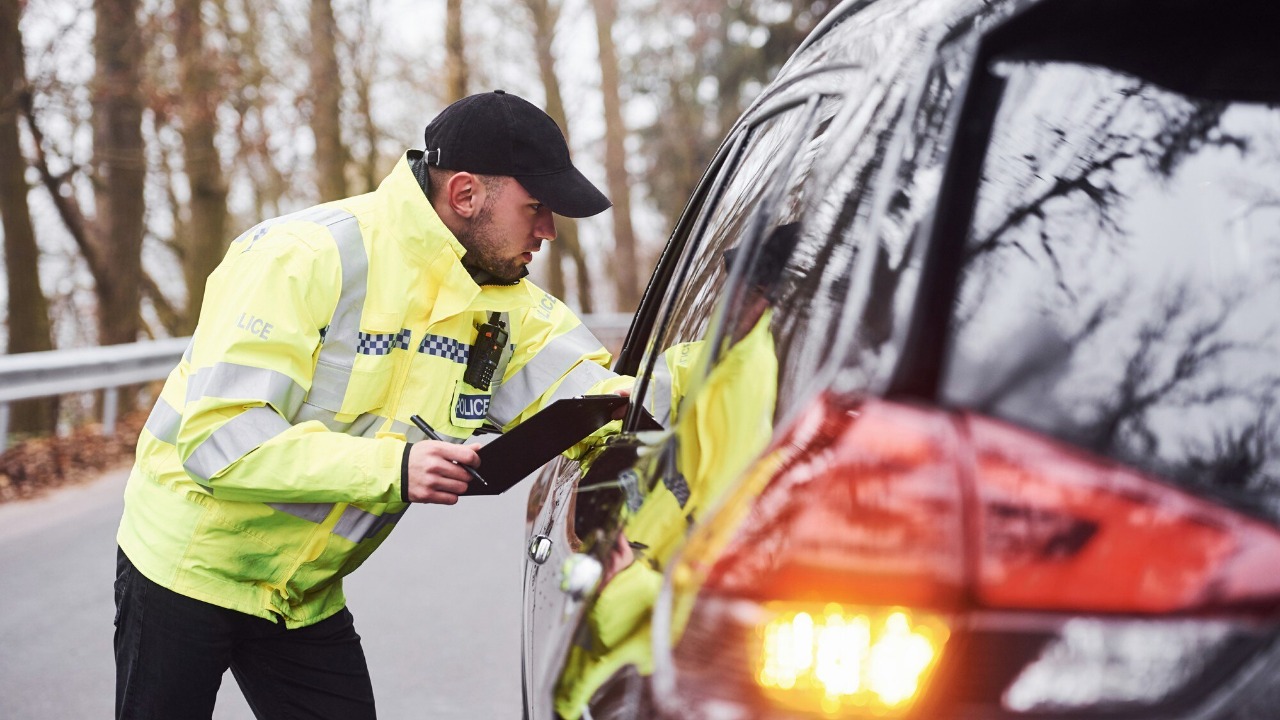
Traffic stops are among the most common points of contact between the public and law enforcement, yet the rules that govern them are often poorly understood. One of the most contested moments comes when an officer tells a driver or passenger to step out of the car, a command that can feel intrusive but is rooted in decades of Supreme Court doctrine. Understanding when that order is legal, and what rights remain in play, is essential for anyone who gets behind the wheel.
I approach this question as a practical one: what the law actually allows officers to do on the roadside, what limits still exist, and how those rules play out in real encounters. The answers are shaped by federal constitutional law, state-specific rules, and a body of cases that try to balance officer safety against personal liberty.
The Supreme Court’s baseline rule: traffic stops and officer safety
The modern rule that lets officers order drivers out of a car during a traffic stop traces back to a case that reshaped the balance between safety and privacy. In Pennsylvania v. Mimms, the Supreme Court held in a 6-3 decision that once an officer has lawfully stopped a vehicle, the stop itself is enough to justify ordering the driver to step out. The Court treated the intrusion of briefly leaving the car as minimal compared with the risk officers face standing beside moving traffic, effectively broadening de facto investigative authority during these encounters.
That reasoning has become the backbone of roadside practice across the country. Once a stop is valid, officers do not need a separate, individualized suspicion that a driver is dangerous before telling them to exit. Later interpretations have emphasized that the traffic stop alone creates a context where safety concerns are heightened, especially when there are multiple occupants. In that setting, The Court pointed to the fact that officers face increased risk when there are several people in the vehicle, and concluded that a modest restriction on liberty is justified to protect officer safety.
What officers can demand during a routine stop
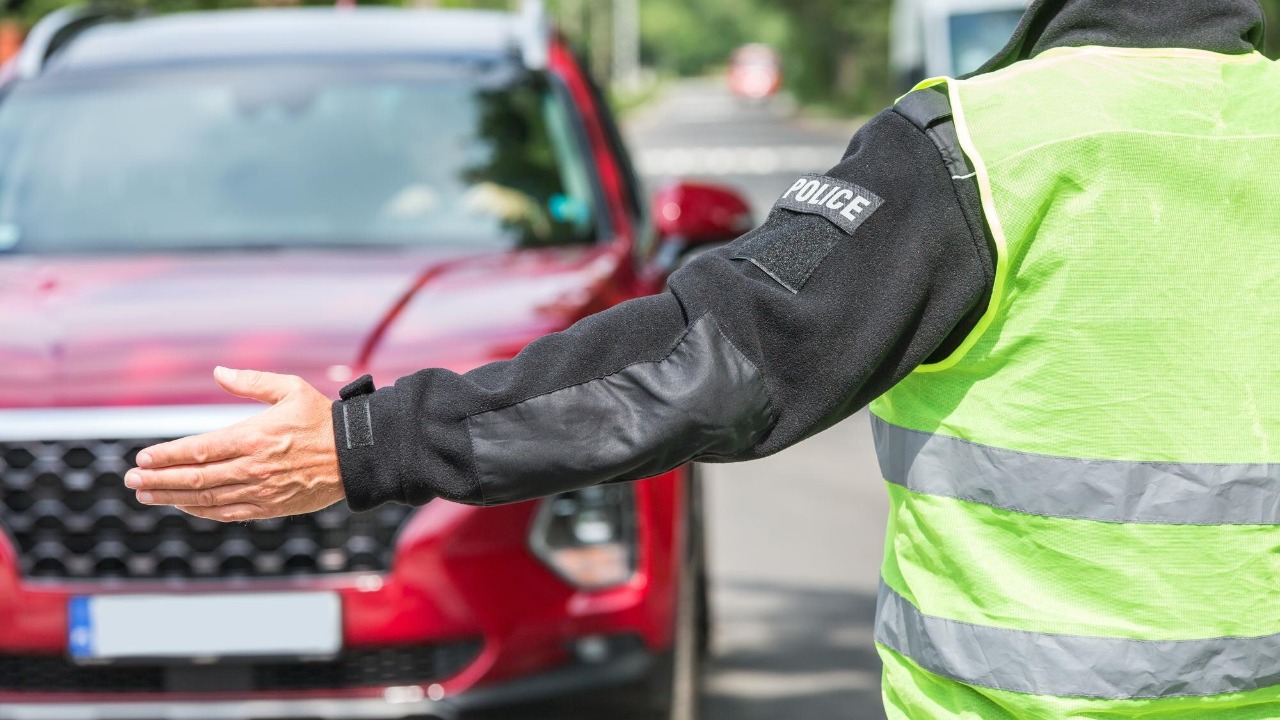
Once a vehicle is pulled over for a legitimate reason, the baseline rule is surprisingly broad. Under federal law, and in many states that follow it closely, officers are permitted to direct both drivers and passengers to step out of the car as a matter of routine. One legal analysis puts it bluntly: when a driver asks whether police can order them out of the car after being pulled over, the answer is simply Yes, and the officer does not need to give a separate reason beyond the lawful stop itself.
That authority is not limited to one region. In Illinois, for example, guidance to motorists explains that under both federal and state law, officers are allowed to ask drivers and passengers to exit and that refusing can escalate the encounter. A detailed overview framed the issue under the heading Should You Step of Car for Police Under Illinois law, and concluded that compliance with a lawful order to step out is generally required, even if the driver disagrees with the stop. In practice, that means a motorist in a 2018 Honda Civic on a Chicago side street faces the same core rule as someone in a 2024 Ford F-150 on a rural highway: once the stop is valid, the officer can tell them to get out.
How courts justify the intrusion, and where the line is drawn
Courts have repeatedly framed the order to exit as a relatively minor intrusion that serves a significant safety interest. One explanation of the doctrine notes that when a driver wonders, “Can the police order me out of my car at a traffic stop?”, the answer is grounded in the idea that officers are exposed to unpredictable dangers whenever they approach a stopped vehicle. That analysis of Can the Police Order Me Out of My Car during a Traffic Stop emphasizes that the Supreme Court has treated the incremental step of leaving the vehicle as outweighed by the need to control the scene.
Yet the power to order someone out is not a blank check. The same line of cases makes clear that while officers can control where occupants stand and how they move during the stop, they still need additional justification to search the car or the person. Courts have drawn a distinction between commanding a driver to step out and conducting a pat-down or rummaging through the glove box. The first is permitted as part of the stop itself, while the second typically requires reasonable suspicion that the person is armed or probable cause that evidence of a crime is present. That is why a driver can be told to stand on the shoulder next to a 2015 Toyota Camry, but the officer still needs a legal basis before opening the trunk.
Disputes from the street: how officers and drivers see the rule
On the ground, the legal rule collides with human reactions, and that friction shows up in the way officers and drivers talk about these encounters. In one discussion among law enforcement professionals and critics, a commenter thanked “all the good cops out there for your service and protection” before questioning how far the precedent from Pennsylvania v. Mimms should stretch. The same thread, titled Ordering out of a vehicle & Pennsylvania v. Mimms, wrestled with whether using the exit order as a pretext to fish for other crimes crosses the line into a violation of people’s constitutional rights.
From the driver’s side, being told to step out can feel like an accusation, especially when the stop began with something minor like a broken taillight on a 2012 Subaru Outback. Many motorists interpret the command as a sign that they are suspected of something more serious, even when the officer is simply following department policy. That disconnect fuels tension on the roadside, where a driver’s instinct to assert their rights can clash with an officer’s training to maintain control. The law may treat the intrusion as minimal, but for the person standing on the shoulder with traffic rushing past, it rarely feels that way.
Liability, limits, and what happens when officers go too far
The legal framework that allows exit orders is intertwined with rules that shield officers from personal liability, which affects how often those rules are tested in court. In April and June 2022, the Supreme Court issued opinions that helped maintain protections from liability for officers, reinforcing doctrines that make it difficult to sue individual officers over split-second decisions during stops. Those rulings did not rewrite the rules on exit orders directly, but they underscored how hard it can be for drivers to win damages even when they believe an officer misused that authority.
That does not mean there are no limits. If an officer uses the command to step out as a springboard for an unlawful search, or prolongs the stop far beyond what is necessary for the original reason, courts can and do suppress evidence. Civil rights lawsuits also remain possible when conduct is egregious enough to pierce qualified immunity. The challenge for drivers is that these remedies arrive long after the flashing lights have faded. In the moment, the safest legal advice from defense attorneys is consistent: comply with a lawful order to exit, keep your hands visible, and reserve any challenge for the courtroom rather than the roadside.