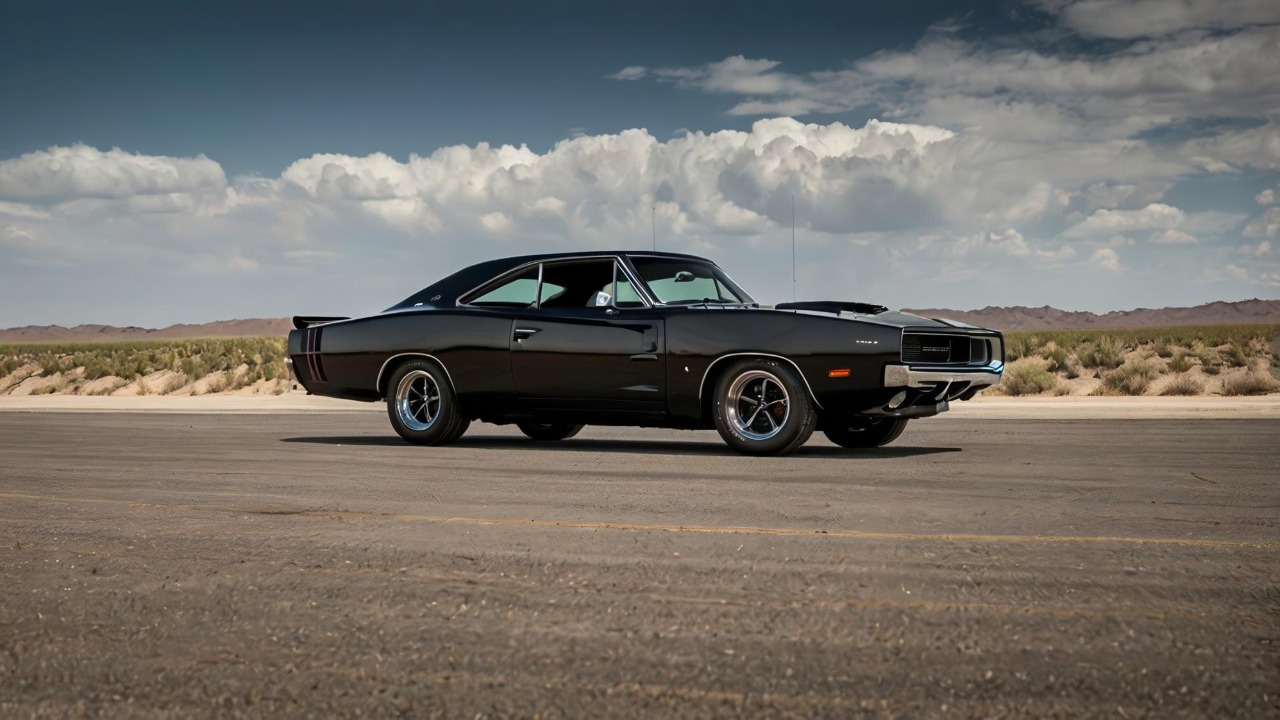
Dodge, a brand synonymous with muscle and ruggedness, has a long history of producing vehicles that push the boundaries of design and performance. In its quest to stand out, Dodge has occasionally ventured into the realm of the bizarre, creating cars and trucks that defy convention. Some of Dodge’s most eccentric offerings showcase the brand’s willingness to experiment and take risks.
The Birth of Oddity: Concept Cars Gone Wild
Image Credit: Jeremy from Sydney, Australia – CC BY 2.0/Wiki Commons
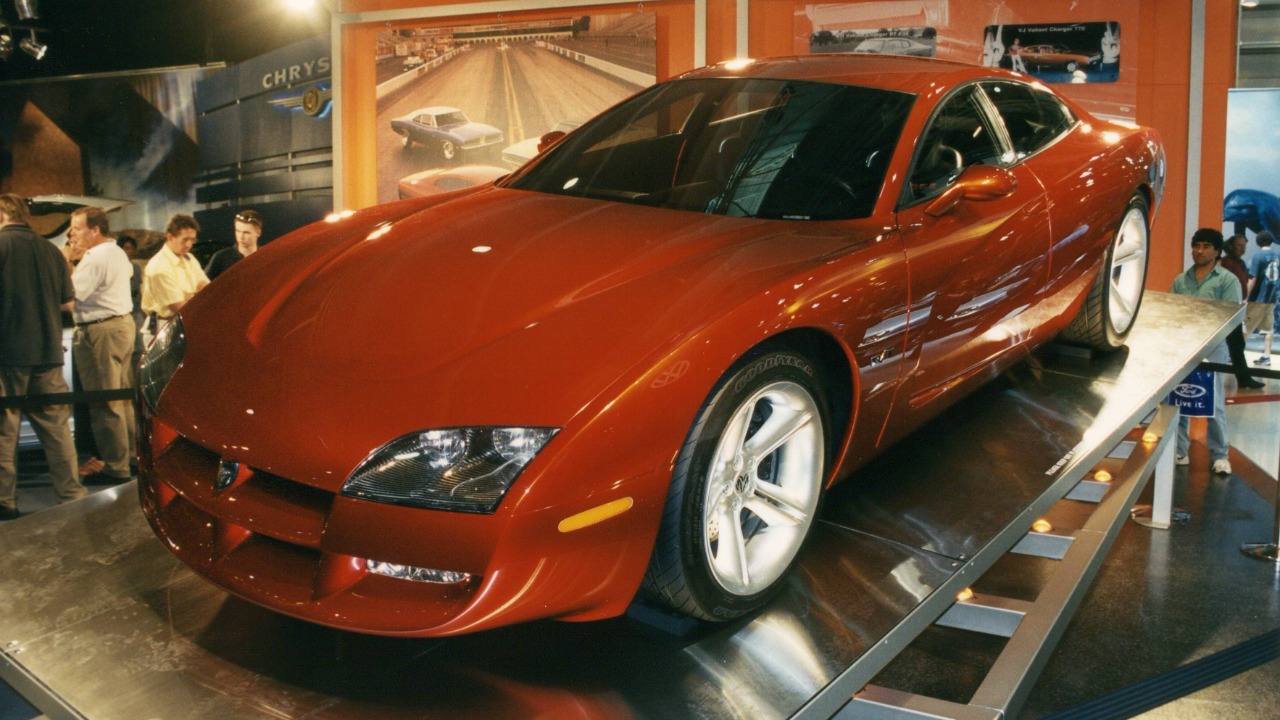
Experimental designs have always been a hallmark of Dodge’s approach to concept cars. Take, for instance, the 1999 Dodge Charger R/T concept with its retro-futuristic look. This vehicle blended classic muscle car aesthetics with futuristic elements, resulting in a design that was both nostalgic and forward-thinking. Public reactions to such daring designs have been mixed. While some praised Dodge for its bold vision, others criticized the impracticality of these concepts.
Despite the varied responses, these concept cars have occasionally influenced production models. The ability to blend the weird with the practical has allowed Dodge to push boundaries while still meeting consumer demands. The result is a lineup of vehicles that are as functional as they are visually intriguing.
The Unusual Production Models: From Idea to Reality
Image Credit: dave_7 – CC BY-SA 2.0/Wiki Commons
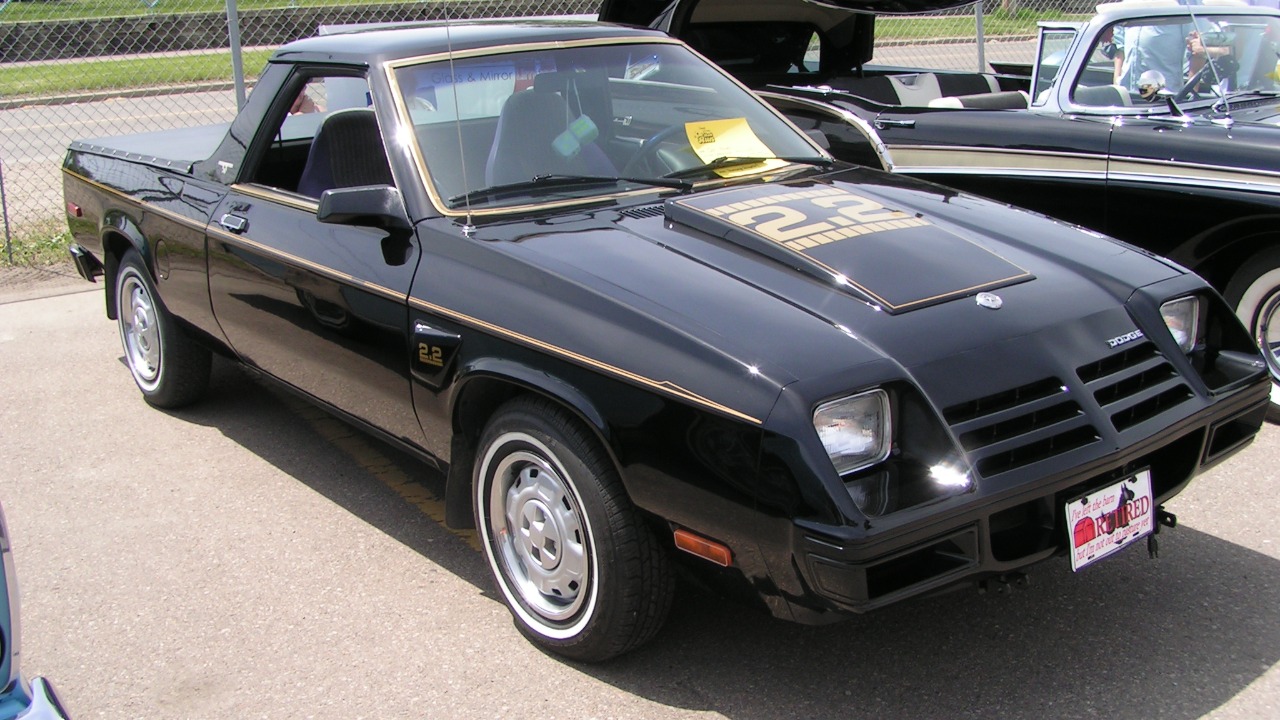
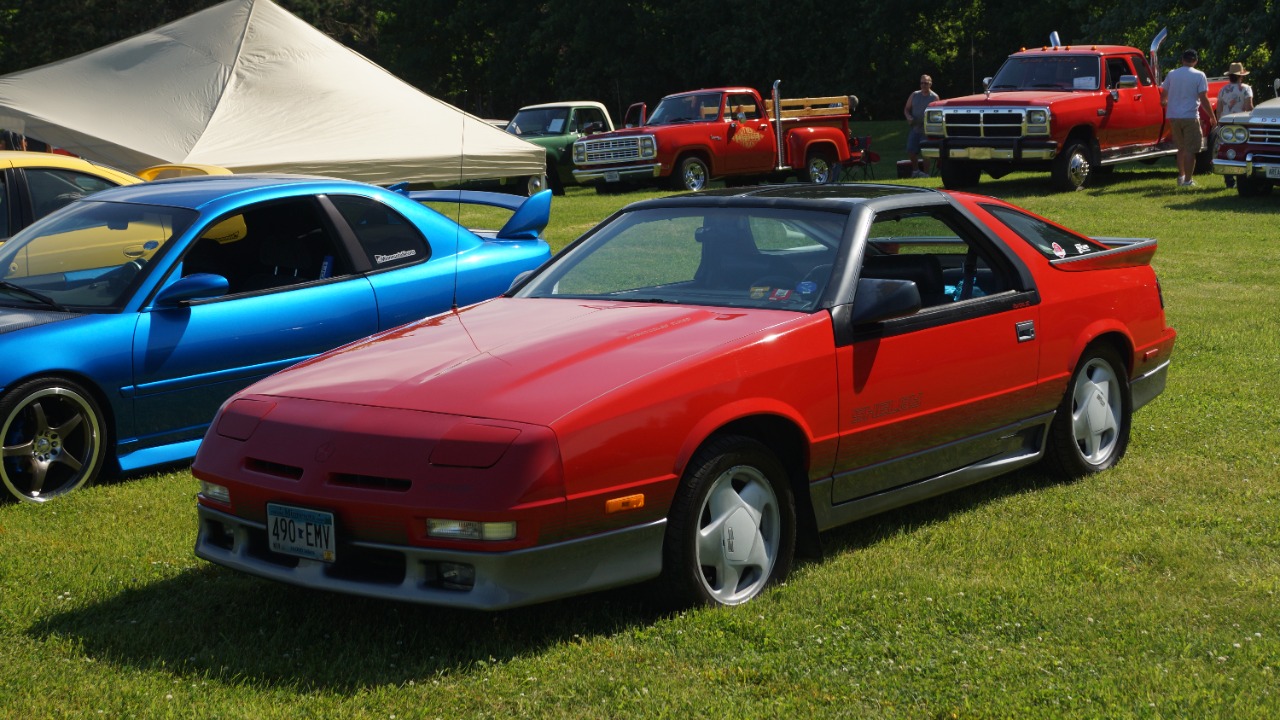
Some of Dodge’s most unusual designs made it from the drawing board to the production line. The Dodge Rampage, for example, was a car/truck hybrid introduced in the 1980s. It featured the practicality of a pickup with the compact size of a car, though its reception was lukewarm at best. Similarly, the Dodge Dakota Convertible challenged conventions by offering a convertible pickup truck, a decision that puzzled many but intrigued others.
The Dodge Magnum, with its wagon-like design, stood out in Dodge’s muscle car lineup. Its unique appearance and blend of performance with utility attracted a niche following. These production models demonstrate Dodge’s commitment to innovation, even when it means taking risks with unconventional designs.
The Challenger That Challenged Expectations
Image Credit: Ermell – CC BY-SA 4.0/Wiki Commons
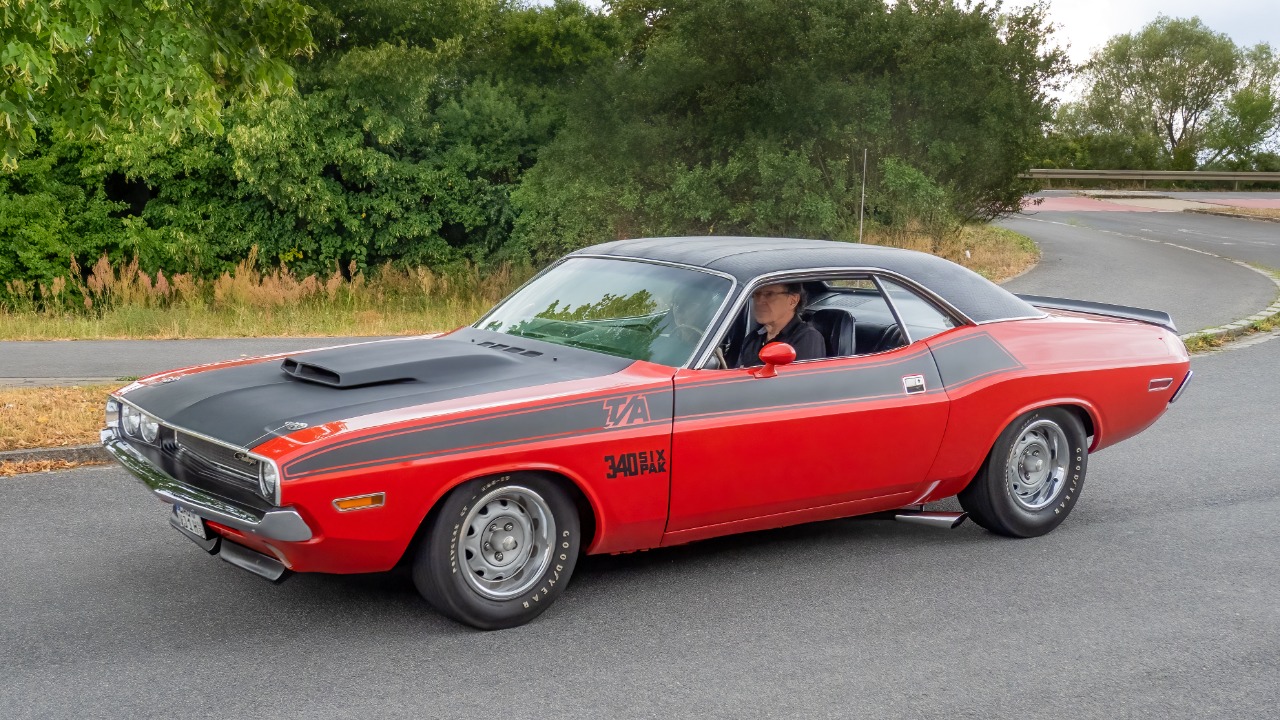
One of the most peculiar stories in recent years is the tale of a uniquely modified Dodge Challenger that became a sensation on social media, particularly on Facebook Marketplace. This vehicle stood out not just for its eye-catching paint job but also for its interior modifications, which included unconventional materials and designs. The Challenger’s viral success underscores the power of social media in highlighting unique car customizations.
The cultural impact of this Challenger is significant, as it reflects broader trends in car customization. Enthusiasts are increasingly using platforms like Facebook to showcase their creations, and the attention garnered by this particular vehicle highlights the growing interest in personalized and unconventional designs.
Dodge’s Daring Collaborations and Customizations
Image Credit: Greg Gjerdingen from Willmar, USA – CC BY 2.0/Wiki Commons
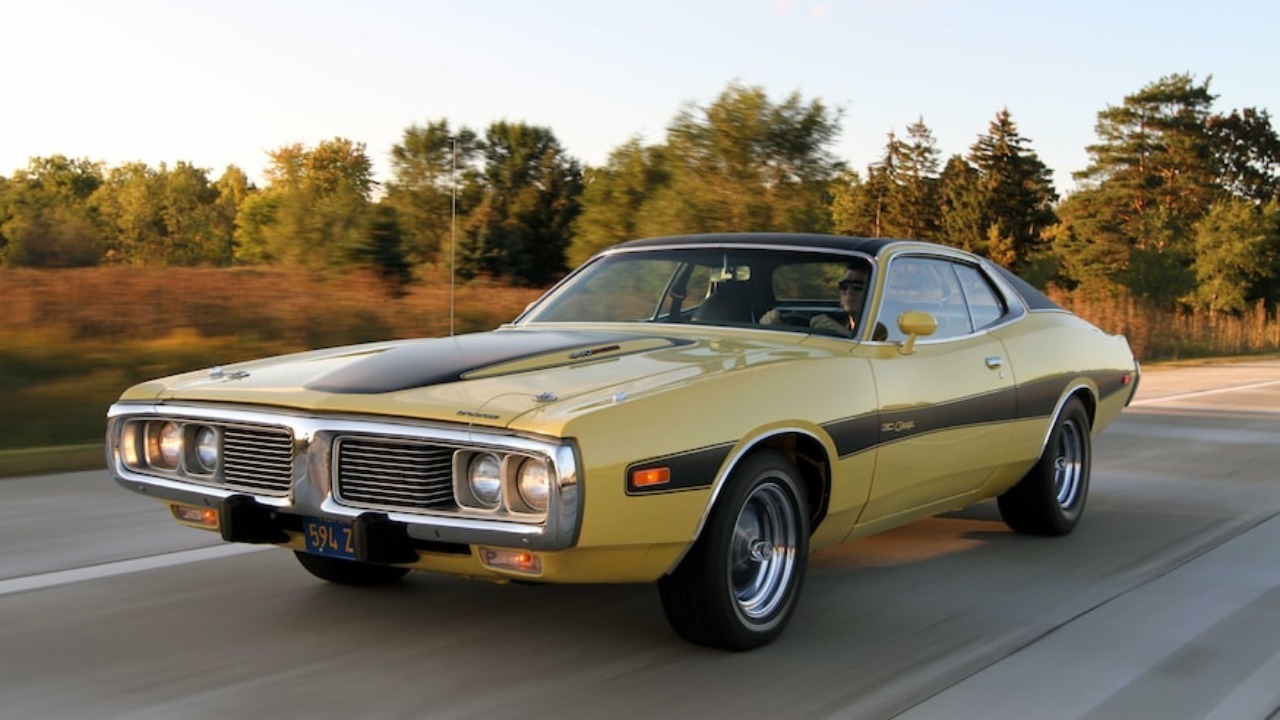
Dodge’s collaborations with other brands have also resulted in some unique models. Partnerships with figures like Carroll Shelby led to vehicles that combined Dodge’s design ethos with Shelby’s performance expertise. These collaborations have produced memorable cars that stand out in Dodge’s history.
The Specialty Equipment Market Association (SEMA) show has been another platform where Dodge has showcased its more unusual vehicles. Some of the most striking models have been unveiled at this event, capturing the attention of car enthusiasts worldwide. The vibrant custom car culture surrounding Dodge vehicles allows fans to create personalized versions that highlight the brand’s versatility and appeal.
Pickup Peculiarities: Dodge’s Foray into the Strange Truck Market
Image Credit: youtube.com/@ChrisVSCars
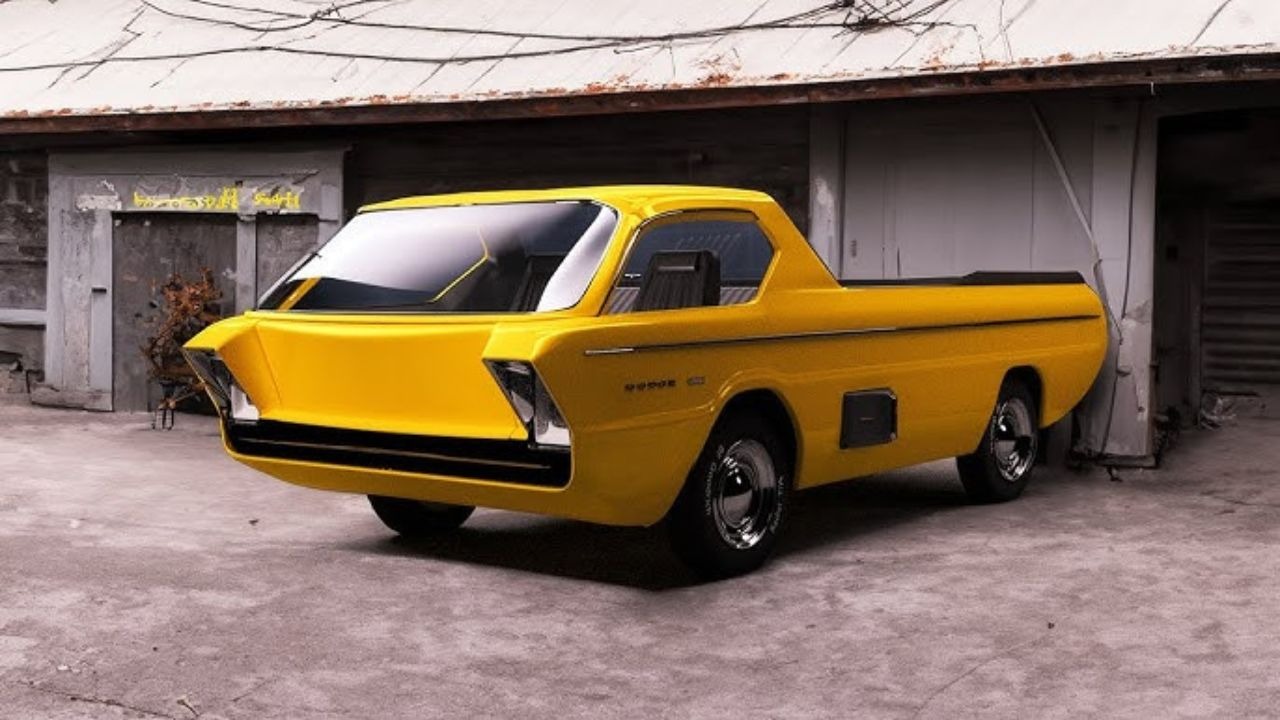
Dodge’s adventure into the strange truck market is marked by vehicles like the Dodge Deora. This concept truck from the 1960s became an icon of futurism with its sleek lines and innovative design. The Deora’s influence is still felt today as a symbol of 1960s automotive creativity. Another notable example is the Dodge Warlock, a factory-customized truck from the 1970s, which catered to a niche market seeking style and flair in a pickup.
When compared to other brands’ attempts at producing unique trucks, Dodge’s offerings often stood out. As highlighted in this MotorTrend article, the combination of style, innovation, and a willingness to take risks has allowed Dodge to carve out a unique identity in the truck market, setting it apart from its competitors.
Why Weird Works: The Role of Eccentricity in Dodge’s Legacy
Image Credit: George – CC BY-SA 2.0/Wiki Commons
Dodge’s embrace of the unconventional has been integral to its brand identity. The willingness to experiment with designs that defy norms has helped Dodge maintain a reputation as a bold and innovative automaker. This approach appeals to consumers who value originality and rarity, making these unique vehicles sought after by collectors and enthusiasts alike.
Looking to the future, Dodge’s history of weirdness might influence upcoming models. As the automotive industry evolves, the brand’s legacy of eccentricity could shape its direction, potentially inspiring new designs that continue to challenge expectations and captivate audiences worldwide.
Welcome to Fast Lane Only—the ultimate destination for everything on wheels. Whether you’re into celebrity rides, classic icons, modern muscle, or the fastest supercars on the planet, we’ve got you covered.
From the rarest collector’s cars to the high-performance machines turning heads today, we bring you stories, specs, and insider looks at the rides that matter. If it’s fast, legendary, or owned by someone famous, you’ll find it here. Buckle up and stay in the fast lane!