
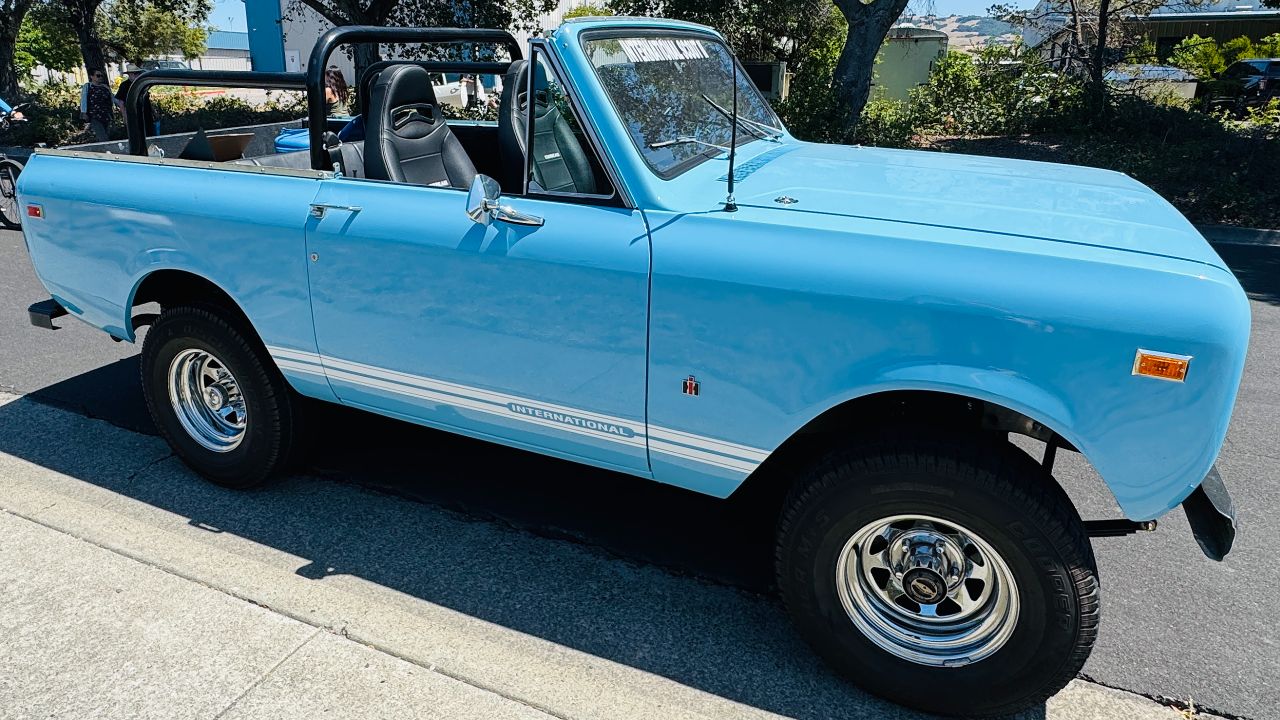
The International Harvester Scout II Traveler arrived as a longer, more versatile evolution of a proven off-road formula, aimed squarely at families and adventurers who needed more space without giving up trail capability. Today, that extended-wheelbase SUV has become one of the most closely watched corners of the vintage 4×4 market, with values that reflect both its rarity and its growing cultural cachet. Understanding when and why the Traveler appeared, and how it fits into the broader Scout story, is essential context for anyone trying to make sense of current collector prices.
By tracing the Scout line from its origins to the Scout II era, then zeroing in on the Traveler’s debut and design, I can show how this once utilitarian workhorse turned into a high-dollar collectible. Market data and recent analysis of classic 4×4 trends help explain why these long-roof Scouts now trade for serious money, and what buyers should realistically expect to pay for a solid example.
From original International Scout to Scout II: setting the stage
The International Scout started life as a straightforward off-road vehicle built by International Harvester from 1960, conceived as a rival to early utility 4x4s and quickly earning a reputation for durability. Over the 1960s the model evolved through variants like the Scout 800A and 800B, which added more comfort and refinement while keeping the basic two-door, short-wheelbase layout that defined the first generation. That steady evolution laid the groundwork for a more modern SUV that could compete with emerging players such as the Jeep Cherokee and full-size domestic 4x4s.
International Harvester responded with the International Harvester Scout II, introduced for the 1970s as a more sophisticated SUV with updated styling, improved road manners, and a broader range of engines. Historical overviews of the Scout line describe how the Scout 800A (1969 to 1970) brought more creature comforts and a slightly revised design, then gave way to the Scout II, which was engineered to keep pace with rivals like the Cherokee and later the 1978 Ford Bronco. That shift from bare-bones off-roader to more versatile SUV created the platform that would eventually support extended variants such as the Scout II Traveler.
When the Scout II Traveler arrived and what made it different
The Scout II family expanded in the mid 1970s to include longer, more practical body styles, and it is within that expansion that the Scout II Traveler emerged. While the exact launch day is not specified in the available reporting, period histories and model guides agree that the Traveler was a derivative of the International Harvester Scout II, built during the 1970s production run that lasted until 1980. The Traveler used the same basic chassis and mechanicals as the standard Scout II but stretched the wheelbase and body to create a more spacious SUV aimed at buyers who needed extra cargo room and better rear-seat comfort.
Contemporary model breakdowns describe the International Harvester Scout II as a two-door SUV offered from 1971 to 1980 with multiple engines, including four-cylinder, six-cylinder, and 304 and 345 V-8 options. Within that lineup, the Traveler stood out for its extended body and removable fiberglass rear section, which gave it a distinctive profile and more wagon-like practicality compared with the shorter Scout II. That combination of proven off-road hardware and family-friendly packaging positioned the Traveler as International Harvester’s answer to the growing demand for longer-wheelbase utility vehicles, a niche that would later be dominated by models like the Chevy Blazer and Jeep Wagoneer.
Design, capability, and why the Traveler matters to collectors
The Scout II platform was already respected for its rugged construction and off-road prowess, and the Traveler built on that reputation while adding real-world usability that resonates with collectors today. Historical analyses of the International Harvester Scout II emphasize its timeless design and durability, noting that these traits have earned it a dedicated fan base that endures. Engine Options across the Scout II range included multiple gasoline and diesel choices, which allowed buyers to tailor their SUV to towing, trail work, or daily driving, and the Traveler benefited from that same mechanical flexibility.
What sets the Traveler apart in the modern market is how its longer body and removable rear section blend classic 4×4 character with the practicality enthusiasts now expect from vintage SUVs. The extended cargo area makes it more useful for camping, overlanding, or hauling gear, while the shared mechanicals with the standard International Harvester Scout II mean parts and knowledge are relatively accessible compared with some obscure off-roaders. As restomod specialists and historians have pointed out when charting the Scout’s evolution, the broader Scout family has become a touchstone for the current wave of classic SUV interest, and the Traveler sits at the intersection of that nostalgia and genuine usability.
How the broader Scout II market is performing
To understand the Traveler’s current appeal, it helps to look first at the wider International Harvester Scout II market, which has shifted from niche enthusiasm to mainstream collector interest. Market benchmarks that track the International Harvester Scout II from 1971 to 1980 show a clear pattern of rising prices, with the most expensive examples commanding six-figure results at auction. These data sets aggregate sales across standard Scout II models and special variants, illustrating how demand has broadened beyond hardcore off-road fans to include general collectors who see these SUVs as blue-chip vintage trucks.
Buyer-focused guides on the International Harvester Scout II echo that trend, noting that prices for the SUV are high and that the average commercial value has climbed as more people seek out well-preserved or professionally restored examples. Analysts point out that the SUV’s combination of classic styling, usable size, and genuine off-road capability has made it a desirable alternative to more common vintage 4x4s. That broader momentum in the Scout II market provides the backdrop for the Traveler’s appreciation, since collectors often start with the core model before turning to rarer body styles that offer something extra.
Scout II Traveler values and what recent sales tell us
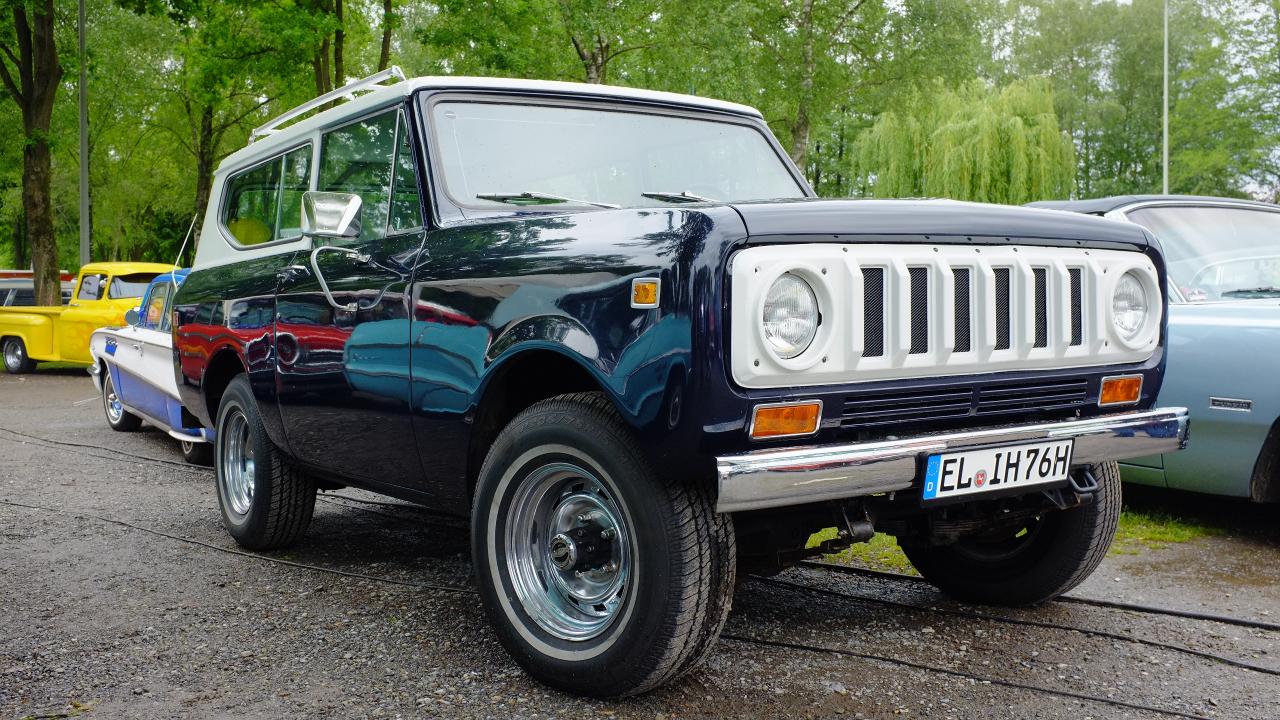
Within that rising tide, the Scout II Traveler has developed its own pricing profile, shaped by limited supply and growing recognition of its practicality. Valuation tools that break out the Scout Traveler as a distinct model show that condition, originality, and quality of restoration are the primary drivers of price, just as they are for the standard Scout II. These tools also track Past sales of comparable International Harvester SUVs, providing concrete benchmarks for what buyers have actually paid in recent years.
One valuation record for a related International (IHC) Scout II Base highlights a Sold figure of $57,750 for a 1972 example in North America, with the sale recorded on Nov 10, 2025 on Bring a Trailer. While that specific transaction involves a standard Scout II rather than a Traveler, it illustrates how strong the market has become for clean, well-presented trucks from this family. When I compare that benchmark with asking prices and reported deals for Scout II Traveler models in similar condition, it is clear that Travelers can trade in the same ballpark or higher, especially when they feature desirable Engine Options, documented histories, or high-end restorations that appeal to collectors who want a turn-key classic SUV.
Why values are rising now and what buyers should expect
The appreciation of the Scout II Traveler is not happening in isolation, it is part of a broader surge in classic SUV values that has swept up everything from early Broncos to full-size wagons. Analysts who track vintage 4x4s have noted that prices for well-restored models have climbed significantly, and they point to similar trajectories for non-enthusiast models like the Chevy Blazer and Jeep Wagoneer, which have experienced rising values as nostalgia and lifestyle marketing converge. In that context, the International Scout and its later variants, including the Traveler, benefit from the same cultural forces that have turned once-ordinary family trucks into coveted collectibles.
Recent coverage of the International Scout’s past, present, and future underscores how the nameplate has reentered the public conversation, with reports that the International Scout is slated to return to the United States market under new corporate stewardship after an announcement in May 2022. That renewed attention tends to lift interest in the original vehicles, and the Scout II Traveler, with its distinctive long-roof silhouette, stands out as a particularly photogenic and usable representative of the breed. For buyers today, the practical takeaway is straightforward: expect to pay a premium for rust-free, well-documented Travelers, budget carefully for any needed mechanical or cosmetic work, and recognize that the same qualities that made these SUVs appealing utility vehicles in period are now driving their climb into serious collector territory.



Leave a Reply