
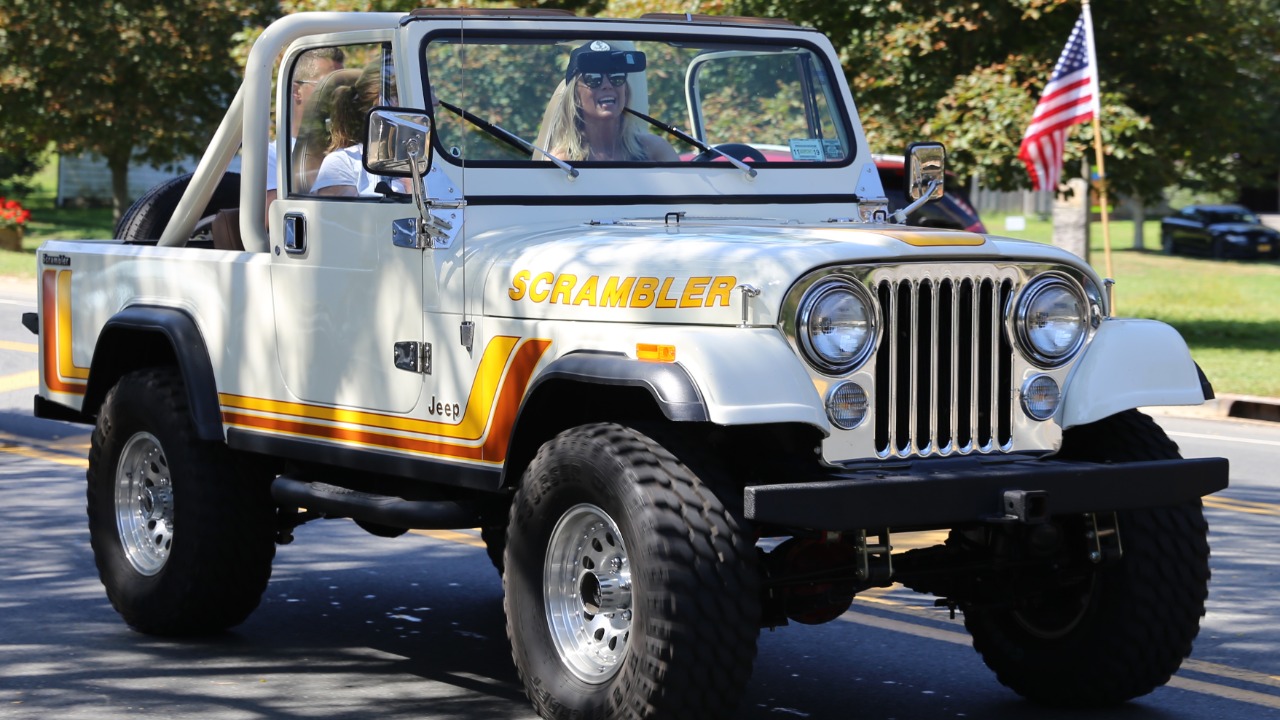
The Jeep CJ-8 Scrambler has shifted from quirky footnote to serious collectible, and its brief production run is a big reason why values are climbing. To understand what these long-wheelbase Jeeps are worth today, it helps to start with when and how Jeep built them, then follow the trail through production numbers, buyer demand, and recent sales.
I will walk through the Scrambler’s manufacturing years, its role in Jeep history, and the specific traits that separate average drivers from top-dollar trucks, then connect those details to current price guides and auction results. By the end, the CJ-8’s timeline and today’s market will line up clearly enough for shoppers and owners to judge whether a Scrambler is fairly priced or poised to move.
When Jeep built the CJ-8 Scrambler
The CJ-8 Scrambler existed for a surprisingly short window, which is central to both its mystique and its modern values. Multiple production records agree that Jeep sold the CJ-8 as a distinct model from 1981 to 1986, effectively stretching the familiar CJ-7 into a compact pickup with a longer wheelbase and small cargo bed. One detailed overview of the truck’s configuration notes that Jeep sold the CJ-8 from 1981 to 1986 and describes it as a CJ-7 with a stretched wheelbase and a small rear bed, reinforcing that six-year span as the Scrambler’s entire factory life through the mid‑1980s, from 1981 onward, before the platform gave way to later Wrangler-based designs.
Sales data that track the model by name echo the same timeframe, describing the Jeep Scrambler as a pickup that was produced by Jeep from 1981 to 1986 and built on the Jeep CJ-7 platform. Another comprehensive feature on the Jeep Scrambler, also known as the CJ-8, frames those same years as the full production run and notes that total units produced during its run were limited compared with mass-market pickups. Taken together, these sources lock in the answer to when Jeep manufactured the CJ-8 Scrambler: it was a short-lived, 1981–1986 experiment in blending CJ off-road hardware with a small pickup bed, and that narrow window is the foundation for its scarcity today.
How the CJ-8 fit into Jeep’s lineup and history
Within Jeep’s broader lineup, the CJ-8 Scrambler was a bridge between traditional open-top CJs and the later wave of factory pickups that would return decades later. One detailed profile of the 1981–86 Jeep CJ-8 Scrambler explains that when Jeep unveiled the 2020 Jeep Gladiator earlier in the year, the company made it clear that the new truck was not simply a retro Scrambler revival, even though the concept of a CJ-based pickup had clear historical roots. That comparison underscores how the CJ-8 was Jeep’s early attempt to graft a pickup bed onto a CJ chassis, long before the modern Gladiator, and how the Scrambler’s formula still shapes expectations for what a Jeep-badged truck should be.
Another historical look at the 1981 Jeep CJ-8 Scrambler describes it as a trailblazer in Jeep history and highlights that the CJ-8’s relatively low production numbers, specifically 27,792 units, were built between 1981 and 1986. That figure, 27,792 units, is tiny compared with mainstream pickups of the era, which helps explain why the Scrambler remained a niche choice when new and why it is a rare sight now. A separate feature on the Jeep Scrambler notes that the CJ-8 was a distinctively styled and versatile pickup truck version of the Jeep CJ, reinforcing that it occupied a unique slot in the lineup rather than simply being another trim level of the CJ-7. In other words, the Scrambler was both a product of its time and an outlier, a short-run experiment that now reads as an important chapter in Jeep’s evolution from bare-bones CJs to modern lifestyle trucks.
Key design traits that shape desirability
The CJ-8’s design is central to why collectors care about it today, and those traits were baked in from the start. A detailed breakdown of the model explains that the Jeep Scrambler, also known as the CJ-8, was a distinctively styled and versatile pickup truck version of the Jeep, with a longer wheelbase than the CJ-7 and a small cargo box that turned the familiar off-roader into a light-duty hauler. Another analysis of the truck’s configuration describes how Jeep sold the CJ-8 from 1981 to 1986 as a CJ-7 with a stretched wheelbase and a small rear bed, emphasizing that the Scrambler’s basic appeal lies in combining CJ trail capability with the practicality of a pickup.
Period and modern writeups also point to specific details that influence desirability and value. Many CJ-8s had colorful graphics and special appearance packages, according to one feature that notes how many CJ trucks carried bold side stripes and unique trim that enthusiasts now seek out. A more recent overview of the Jeep Scrambler highlights that the model’s versatility, removable tops, and mix of on-road and off-road usability set it apart from conventional compact pickups of the era. When I look at the current market, trucks that retain original bed hardware, factory roll bars, and correct Scrambler graphics tend to command a premium, because those elements are what visually separate a CJ-8 from a modified CJ-7 or a later Wrangler-based conversion.
Production numbers and rarity on today’s market
Rarity is not just a vague impression with the CJ-8 Scrambler, it is quantifiable, and that scarcity is a major driver of current values. A detailed historical piece on the 1981 Jeep CJ-8 Scrambler reports that the CJ-8’s relatively low production numbers, specifically 27,792 units, were built between 1981 and 1986. Another market-focused feature on the Jeep Scrambler notes that the CJ-8 had limited units produced during its run, reinforcing that the model never approached the volume of mainstream pickups or even the more common CJ-7. When I compare that 27,792-unit figure to the number of surviving trucks that appear in classifieds and auctions, it is clear that only a fraction of the original production is actively traded at any given time.
Sales-figure tracking for the Jeep Scrambler backs up the sense that this was always a niche product. One dataset describes the Jeep Scrambler as a pickup truck that was produced by Jeep from 1981 to 1986 and built on the Jeep CJ-7 platform, and the context around those numbers shows that annual sales never broke into mass-market territory. That limited footprint in period means that modern buyers are chasing a small pool of survivors, many of which have been modified, rusted, or worked hard as actual trucks. The combination of 27,792 units built and decades of attrition is why clean, original CJ-8s feel rare in the wild and why even driver-quality examples can attract outsized attention when they surface.
How the CJ-8’s reputation evolved from overlooked to collectible
The CJ-8 Scrambler did not become a hot collectible overnight, and its reputation has shifted significantly since the 1980s. A retrospective on the 1981–86 Jeep CJ-8 Scrambler notes that the truck was once unappreciated, especially among earlier generations of collectors, but that interest has surged as younger buyers, particularly Gen‑Xers, have come into the market. That same analysis connects the Scrambler’s rising profile to the debut of the modern Jeep Gladiator, explaining that when Jeep unveiled the 2020 Jeep Gladiator and made it clear the new truck was not a direct Scrambler revival, it still sparked renewed curiosity about the original CJ-based pickup that inspired so much nostalgia.
More recent buyer guides echo that shift in perception. A comprehensive overview titled Jeep Scrambler: Everything You Need To Know About The Classic Pickup frames the CJ-8 as a classic pickup and highlights specific examples, such as a 1981 Jeep CJ-8 Scrambler 4-Speed Bring A Trailer sale, to illustrate how enthusiast interest has translated into real money. Another feature on the 1981 Jeep CJ-8 Scrambler describes the model as a trailblazer in Jeep history and emphasizes how its relatively low production numbers and unique configuration have made it a sought-after classic. From my vantage point, the pattern is clear: what started as an oddball long-wheelbase CJ has matured into a recognized collectible, especially among buyers who grew up seeing Scramblers on trails and in period advertising and now have the means to chase the trucks they remember.
Current price guides and typical value ranges
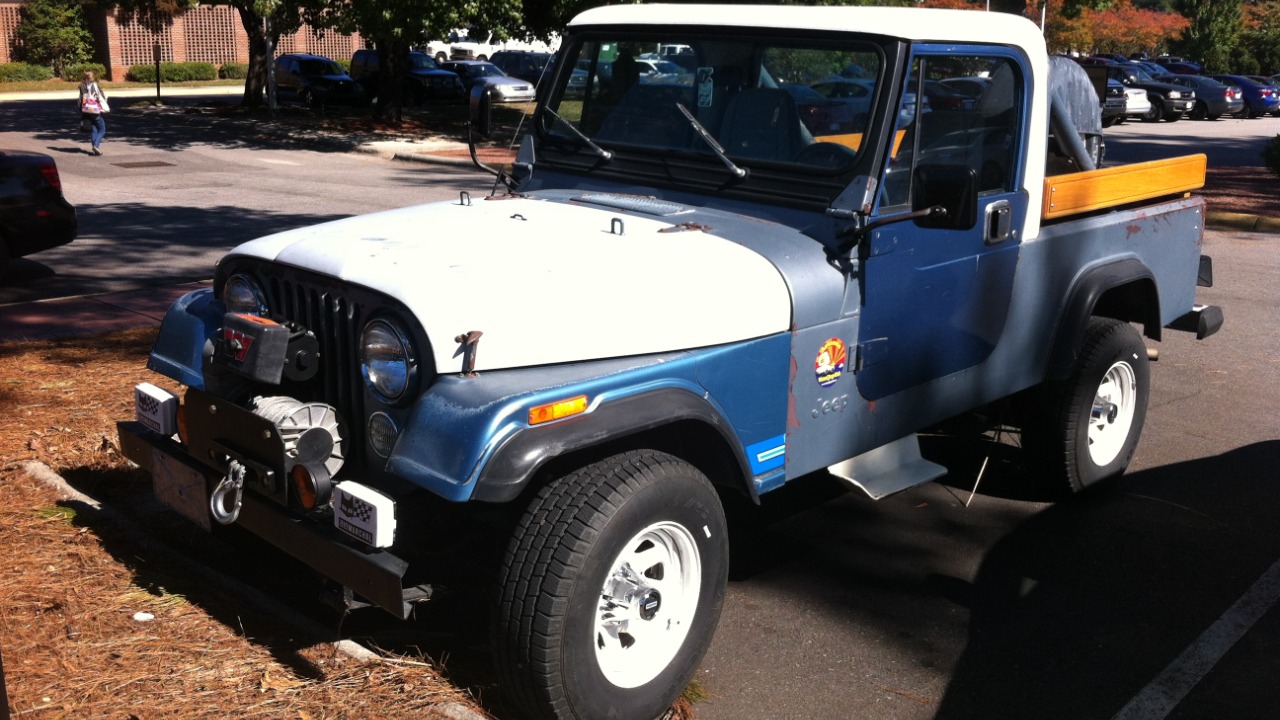
To understand what a CJ-8 Scrambler is worth today, I start with structured price guides, then cross-check them against real-world sales. Valuation tools that track Jeep CJ-8 Scrambler years provide condition-based estimates for each model year, allowing owners to see how a driver-quality truck compares with a fully restored example. The same valuation resources list past sales for specific configurations, such as a 1982 Jeep CJ-8 Scrambler Base, which helps anchor guide numbers in actual transactions rather than theoretical estimates. When I look across these tools, the pattern is that solid drivers sit in the mid five-figure range, while high-quality restorations and well-preserved originals push higher.
One detailed entry for a 1982 Jeep CJ-8 Scrambler Base, labeled as Standard and located in North America, records a Past sale where the truck Sold for $24,200 at an Oct 15, 2025 Barrett-Jackson event, alongside another sale at $24,150 for a similar 1982 Jeep CJ-8 Scrambler. Those figures, $24,200 and $24,150, illustrate where clean but not necessarily concours-level trucks can land at major auctions. Broader market trackers that focus on the Jeep Scrambler CJ8 from 1981 to 1986 also provide a sense of the spread, noting that the segment includes everything from project-grade trucks to high-end builds. When I synthesize these sources, a realistic expectation for a usable, presentable CJ-8 sits in the low to mid $20,000s, with room above that for exceptional examples and below it for rough or heavily modified rigs.
High-water marks: record sales and standout auctions
While average prices tell one story, the top of the CJ-8 market shows how far collectors are willing to go for the right truck. A dedicated market page for the Jeep Scrambler CJ8, covering the 1981 to 1986 model years, addresses the question, “What is the top sale price of a Jeep Scrambler CJ8?” and reports that the highest recorded sale was $81, 50. Even allowing for formatting quirks in that figure, the key takeaway is that at least one Scrambler has crossed into territory that is several times higher than the mid-$20,000 sales seen in more typical transactions. That kind of outlier usually reflects a combination of exceptional originality, rare options, or an especially high-quality restoration.
Individual auction listings help fill in the picture of what drives those premium results. One Bring A Trailer listing for a Jeep CJ-8 Scrambler describes a 1981 truck powered by an AMC 360ci V8, which was installed in 2020, and equipped with Holley Sniper electronic fuel injection, illustrating how tastefully modified builds can attract strong bidding when they blend period style with modern drivability. Another detailed sale record for a 1982 Jeep CJ-8 Scrambler Base shows that even relatively standard configurations can bring $24,200 at a major auction when they present well and have solid documentation. From my perspective, the spread between typical $20,000‑plus sales and the $81, 50 high-water mark underscores how much specification, condition, and presentation matter in this niche market.
What real-world listings reveal about asking prices
Beyond auction blocks and valuation charts, day-to-day listings show how sellers and buyers are actually behaving. A current marketplace for Jeep Scrambler classic cars asks, “How much is a Jeep Scrambler?” and explains that, based on the current Jeep Scrambler listings for sale on Classics on Autotrader, shoppers may find some trucks priced in line with guide values and others that test the upper limits. That same resource notes that prices may vary by year and condition, with available inventory shown across different model years, which matches what I see when scanning classifieds: early 1981 trucks and late-production 1985 or 1986 examples can sometimes carry a slight premium, especially if they have desirable options.
Another active marketplace focused on Jeep CJ-8 Scrambler auctions shows how enthusiast platforms can influence pricing. The Bring A Trailer page for Jeep CJ-8 Scrambler listings highlights individual trucks, such as a 1981 example with an AMC 360ci V8 and Holley Sniper fuel injection, and documents how bidding climbed into the five-figure range. Meanwhile, broader sales-figure tracking for the Jeep Scrambler notes that the model was produced by Jeep from 1981 to 1986 and built on the Jeep CJ-7 platform, which helps buyers understand that they are looking at a finite pool of vehicles. When I compare asking prices on enthusiast sites with completed auction results, I see that optimistic listings sometimes sit for a while, but realistically priced Scramblers, especially rust-free trucks with clean mechanicals, tend to move quickly.
How configuration, originality, and modifications affect value
Not every CJ-8 Scrambler is valued the same way, and configuration plays a major role in determining where a truck lands within the market’s wide range. Detailed buyer guides on the Jeep Scrambler emphasize that the model came with a variety of engines, transmissions, and appearance packages, and that certain combinations are more sought after today. For example, a 1981 Jeep CJ-8 Scrambler 4-Speed Bring A Trailer sale is often cited as a benchmark for manual-transmission trucks, while period-correct graphics and factory roll bars tend to boost appeal. Another overview of the 1981 Jeep CJ-8 Scrambler notes that the CJ-8’s relatively low production numbers, specifically 27,792 units, mean that rare factory configurations are even scarcer, which can translate into higher prices when they surface.
Modifications are a double-edged sword in this segment. A feature on the CJ-8 as a CJ with a pickup bed points out that many CJ-8s had colorful graphics and that some trucks were heavily customized over the years, from lift kits to engine swaps. The Bring A Trailer listing for a Jeep CJ-8 Scrambler powered by an AMC 360ci V8 installed in 2020 with Holley Sniper fuel injection shows how a well-executed build can command strong money from buyers who value performance and reliability. At the same time, valuation tools that track Jeep CJ-8 Scrambler years tend to reward originality, with the highest guide numbers reserved for trucks that retain their factory drivetrains and appearance. In my view, the market is currently bifurcated: purists pay top dollar for stock or correctly restored Scramblers, while a separate group of enthusiasts is willing to spend nearly as much on thoughtfully modified rigs that are ready for trails and hauling, as one Feb 14, 2023 feature titled Ready for Trails and Hauling puts it when describing how Jeep positioned the CJ-8 from 1981 onward.

Leave a Reply