
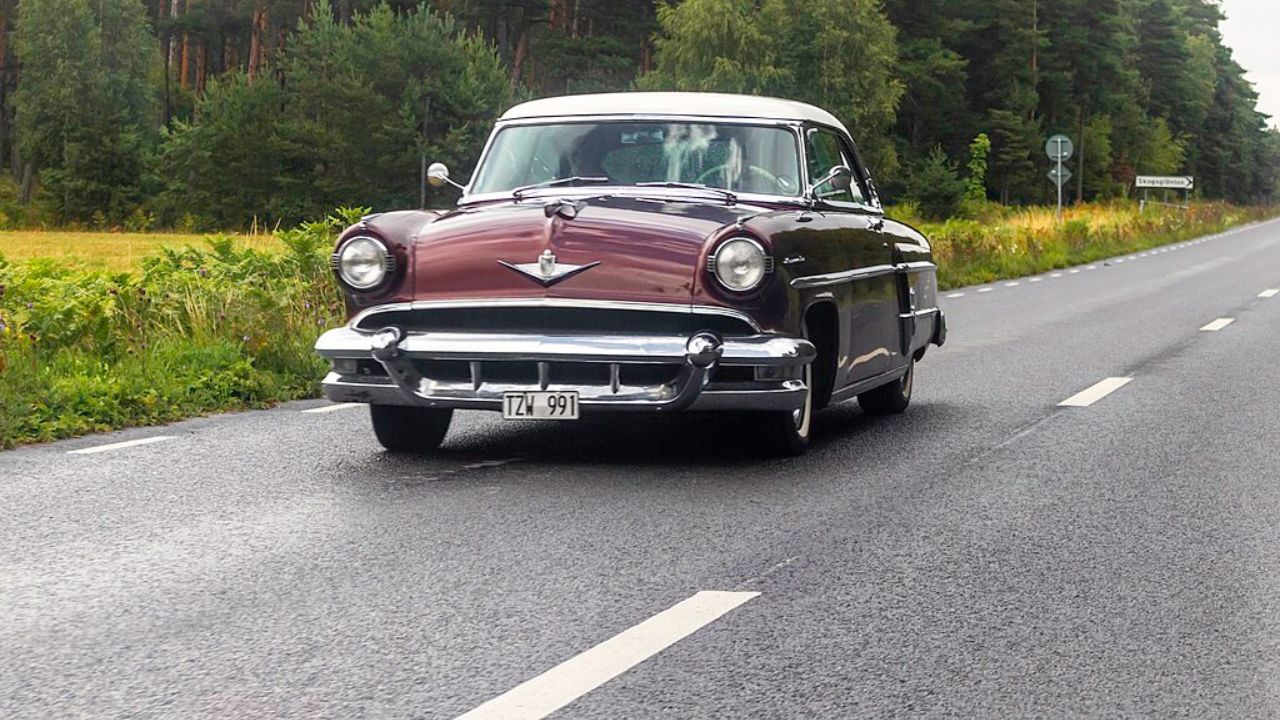
In the early 1950s, Lincoln took a hard left turn from luxury into motorsport. It wasn’t a long campaign, but for a few short years, Lincoln-backed cars went door to door with the best in the world—including in endurance racing. While it didn’t last, the brand’s brief flirtation with competition revealed a side of Lincoln few people remember: fast, durable, and surprisingly effective on the world stage.
Lincoln tackled the Carrera Panamericana
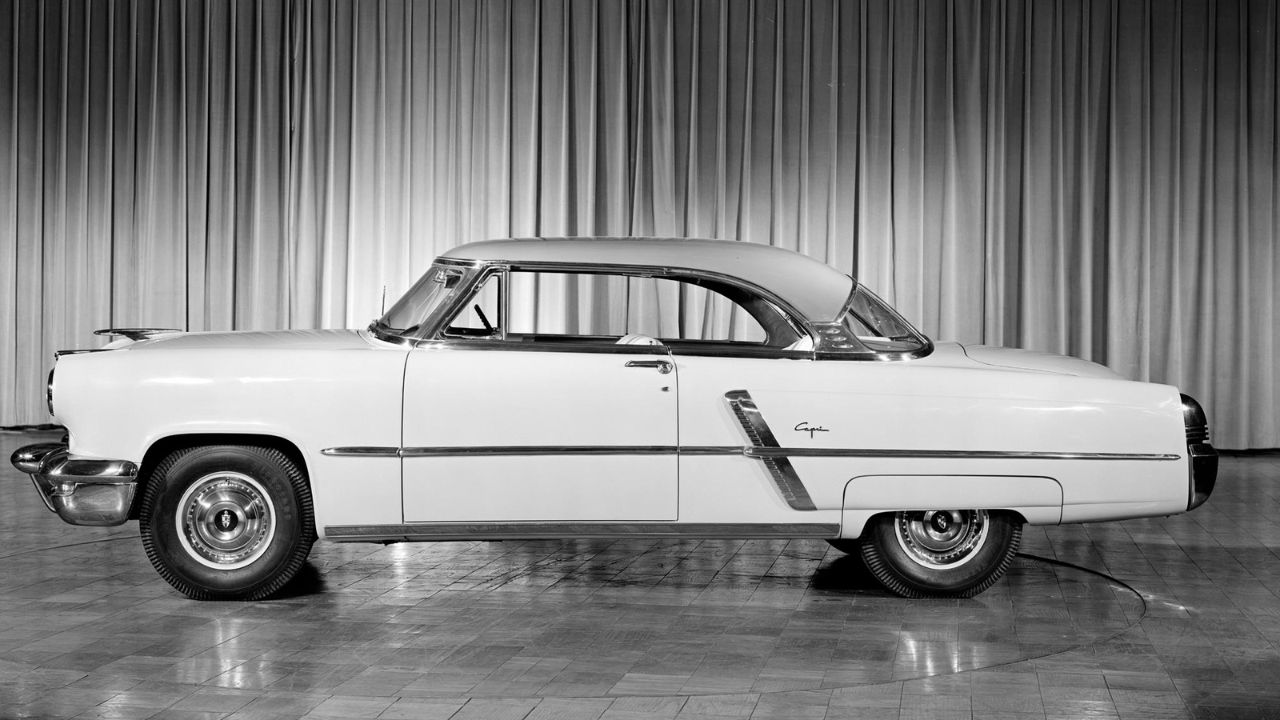
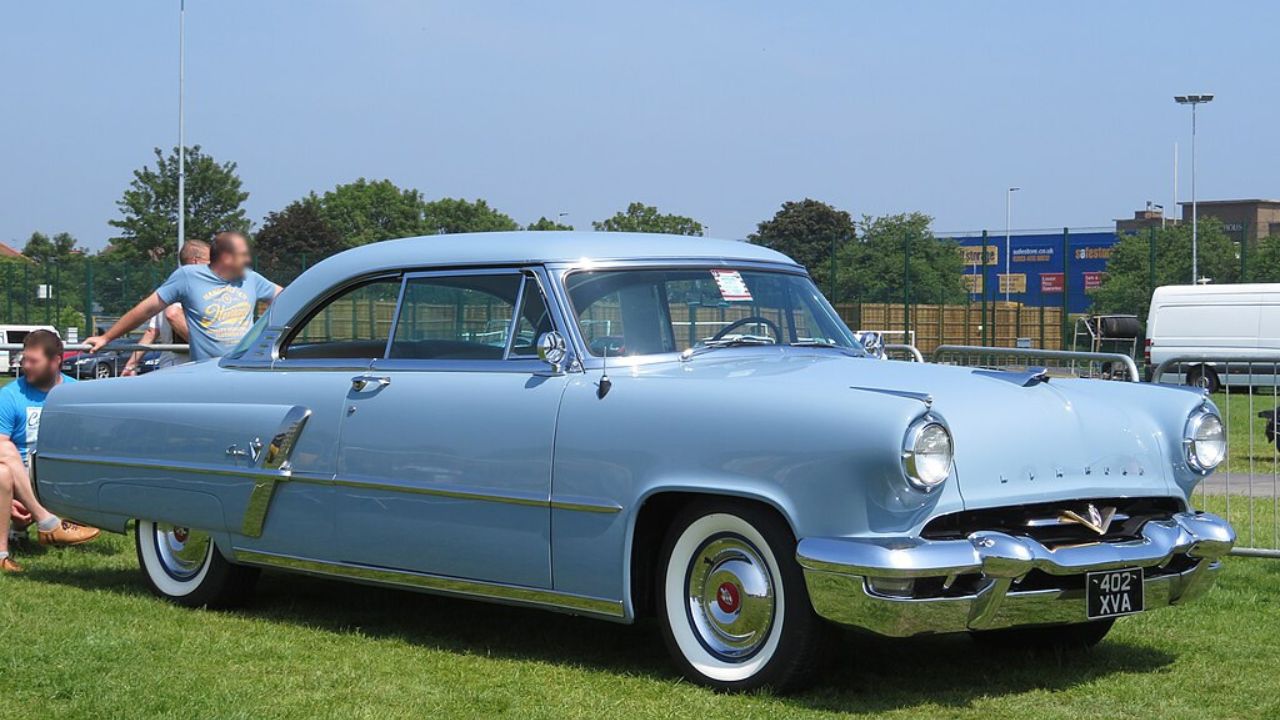
In 1952 and 1953, Lincoln entered the brutal Carrera Panamericana, a 2,000-mile race across Mexico considered one of the most dangerous events in motorsport. Lincoln’s entry was built on its Capri platform, outfitted with factory-backed mechanical upgrades but still running production-based components.
Against Ferraris and Jaguars, the Capris held their own, thanks to their reliable V8s and rugged construction. They finished 1-2-3-4 in their class in 1952—no small feat considering the conditions and competition.
The 1952 Lincoln Capri was the surprise performer
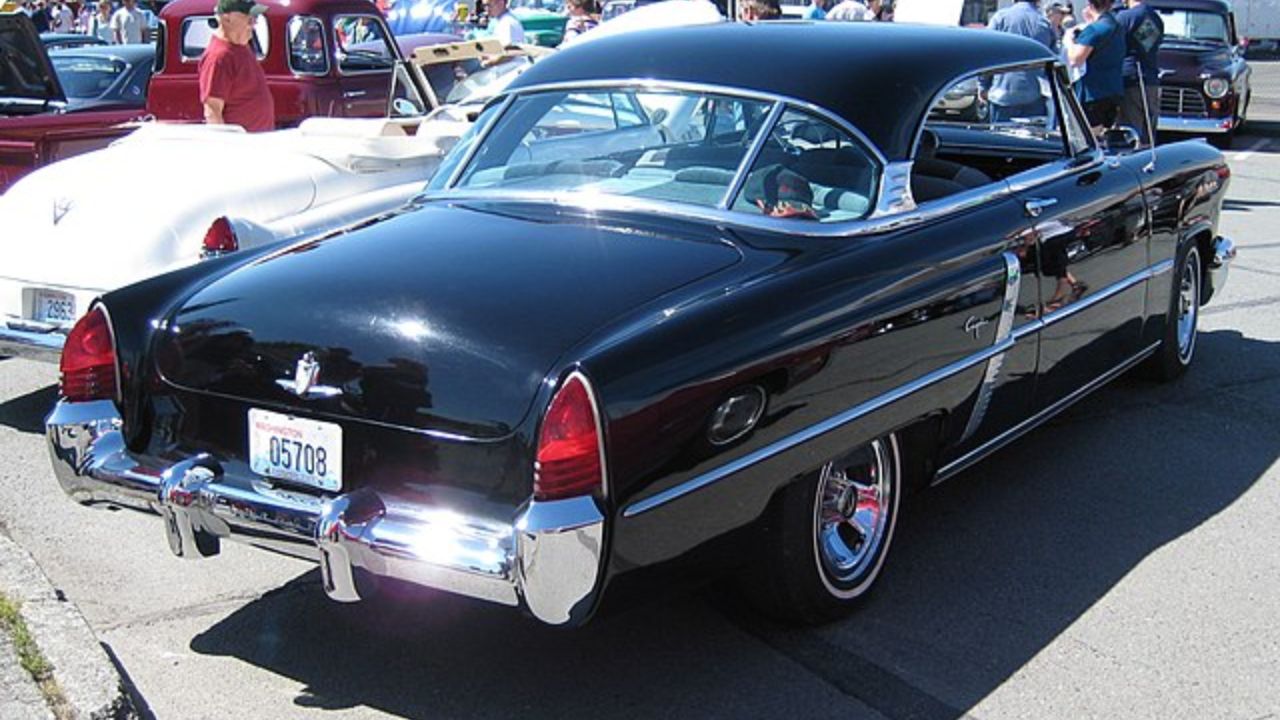
The Lincoln Capri used a 317-cubic-inch Y-block V8 rated at 160 horsepower, paired with a Hydramatic automatic transmission. That setup wasn’t flashy, but it proved almost unbreakable under racing stress. These were heavy cars—over 4,000 pounds—but they stayed together when others broke.
Lincoln’s durability quickly got noticed. In an event that punished brakes, suspensions, and drivers alike, the Capris stayed in the fight and proved that American luxury cars could be more than boulevard cruisers.
Ford treated it as a proving ground
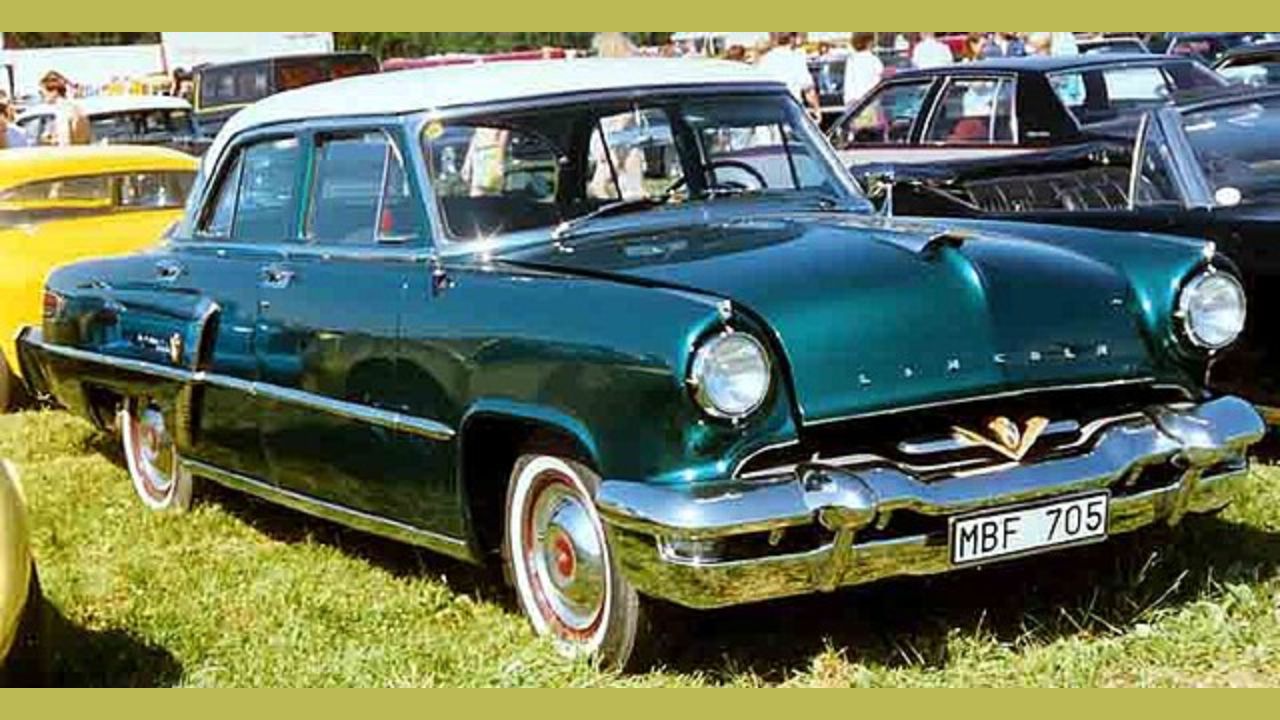
Lincoln’s success in the Panamericana gave Ford an unexpected marketing angle. Ads began highlighting the race finishes, positioning Lincoln as a serious engineering contender. Internally, Ford used the race to test engine cooling systems, suspension setups, and durability improvements.
The lessons learned in Mexico informed later drivetrain developments and reinforced the idea that even a luxury brand could be pushed hard if the engineering held up.
The team included Bill Stroppe and Clay Smith
Lincoln’s race team was managed by legendary hot-rodder Bill Stroppe, with Clay Smith acting as engine tuner. Together, they ran a tight, effective team that combined West Coast speed-shop mentality with factory backing.
Stroppe later became known for his work with Ford’s off-road trucks and Mercury’s NASCAR efforts, but his time with Lincoln showed what a skilled tuner could do with heavy machinery and limited time.
1953 brought even better results
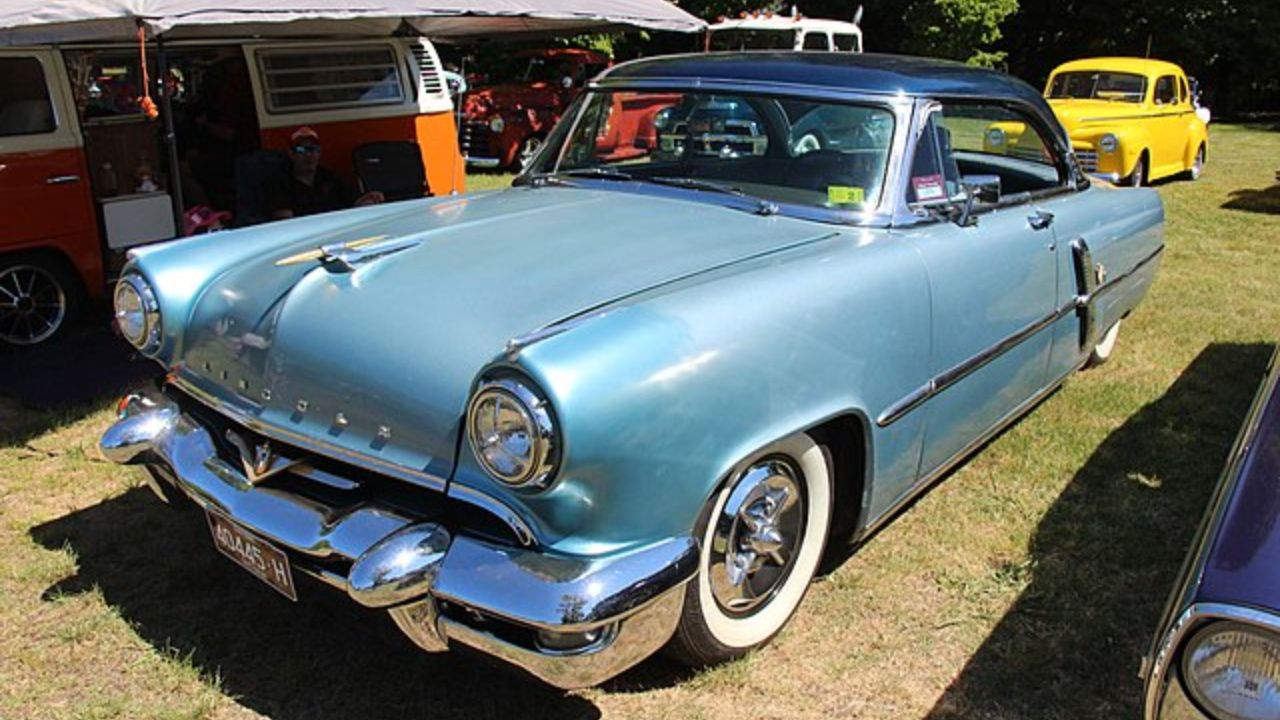
In 1953, Lincoln returned to Mexico with updated Capris and more refined race prep. Again, they dominated their class, finishing 1-2-3—just like the year before. The lead car averaged over 90 mph across the entire race, a remarkable pace for a full-size sedan on mountain roads.
These results cemented Lincoln’s status as a serious contender, at least in the production-based class. Even European press began to acknowledge the brand’s performance potential.
Lincoln stepped away after 1954
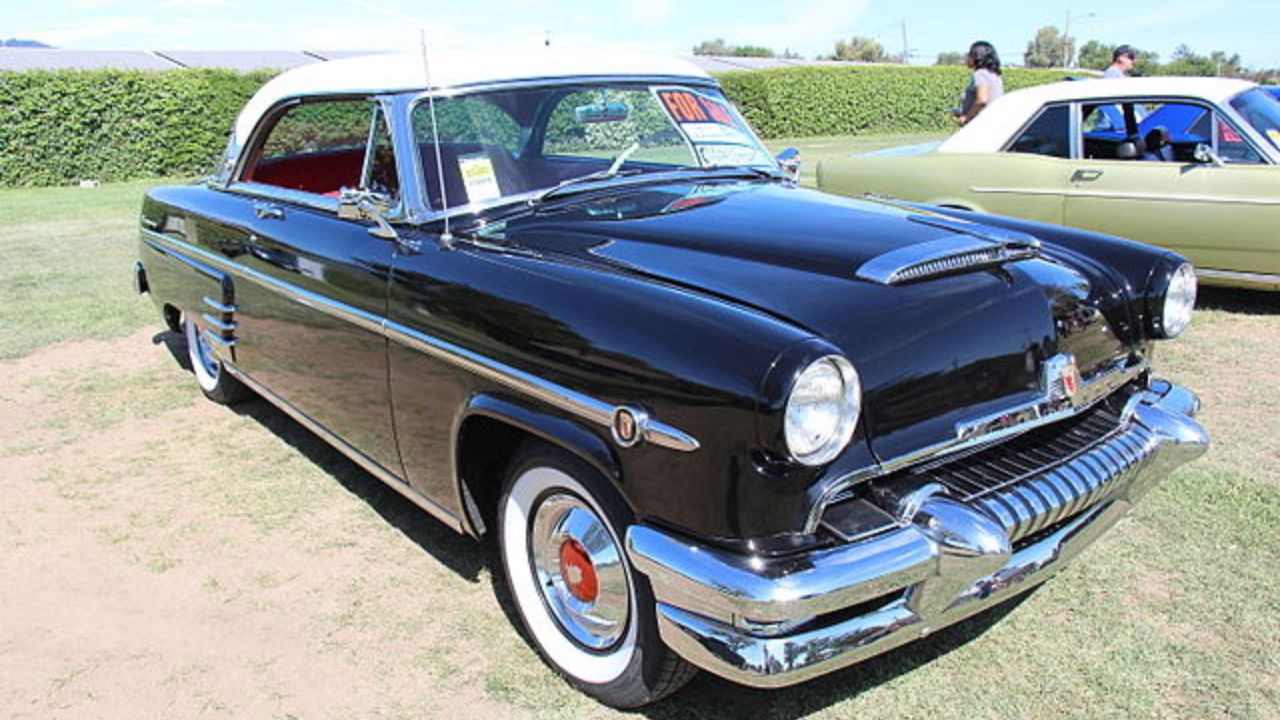
By 1954, Ford had shifted focus toward its Thunderbird project and new V8 development. Lincoln’s racing efforts wound down, and no further factory entries were made in Mexico. The company had proved its point and didn’t see long-term benefit in continuing the campaign.
Bill Stroppe continued racing with other Ford products, but Lincoln went back to focusing on large, comfortable cruisers—a role it would double down on in the decades that followed.
The cars were heavy but shockingly fast
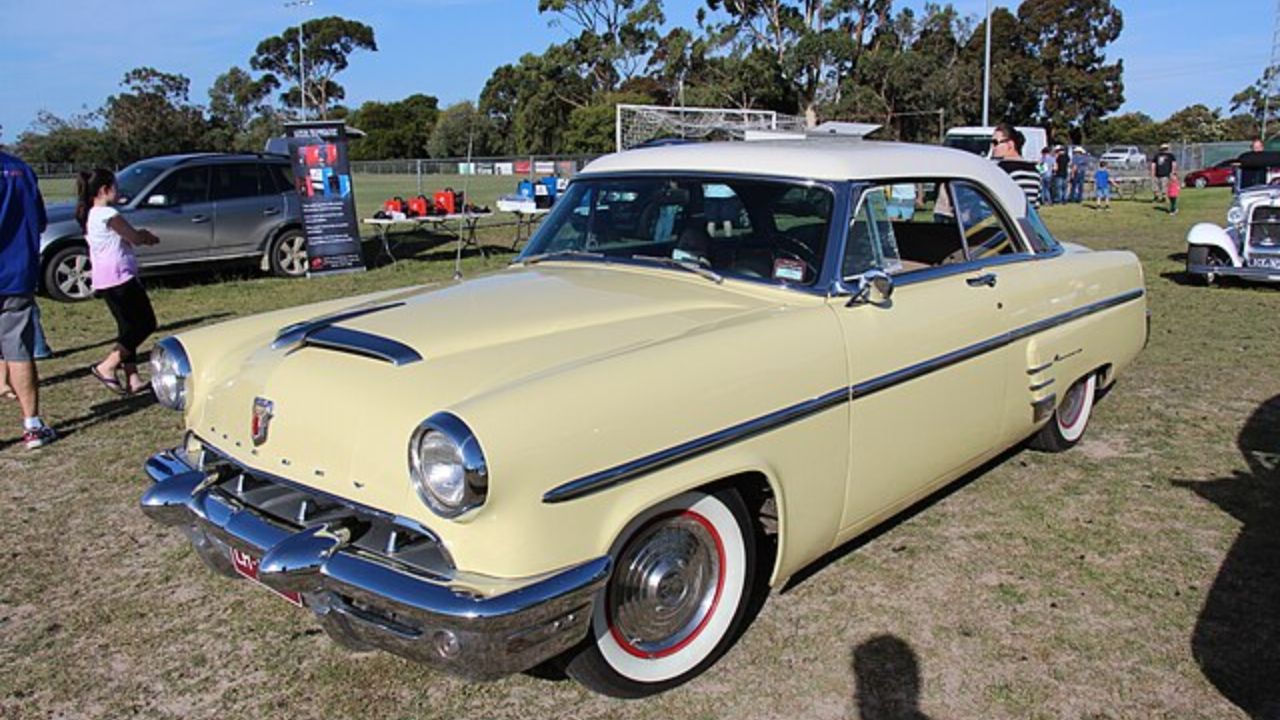
Despite weighing more than two tons, the Capris could sustain 100 mph across open stretches of road. Much of that was due to their high torque, solid cooling systems, and overbuilt suspension components originally meant for American roads.
On tight curves, they weren’t nimble, but their straight-line speed and endurance were unmatched in the stock category. Few competitors could finish the race, let alone maintain pace over the full course.
Today, few remember Lincoln ever raced
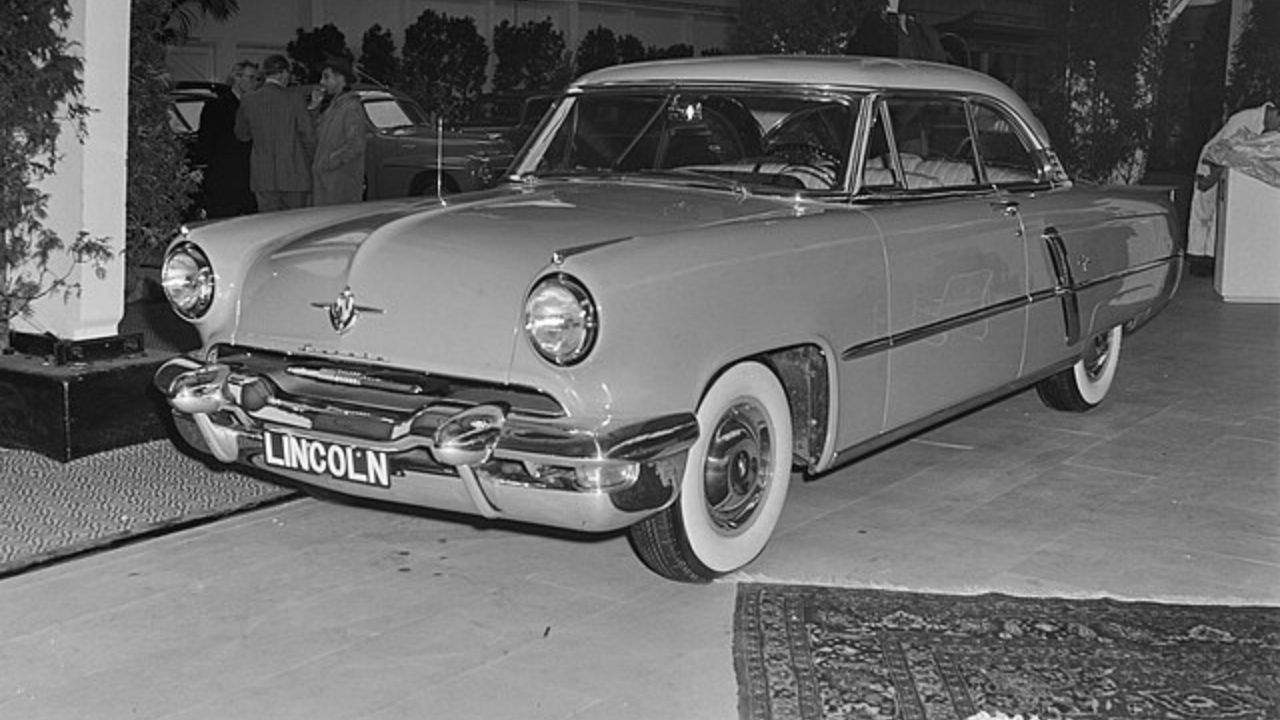
Lincoln’s time in racing is largely forgotten today, overshadowed by Ford’s later success with Shelby, NASCAR, and Le Mans. But for two brief years, Lincoln was a serious player in one of the world’s toughest races.
Surviving Panamericana Capris are rare and highly valued by collectors. Their success remains one of the few times a true American luxury car proved it could race—and win—without shedding its production roots.
Like Fast Lane Only’s content? Be sure to follow us.
Here’s more from us:
*Created with AI assistance and editor review.

Leave a Reply