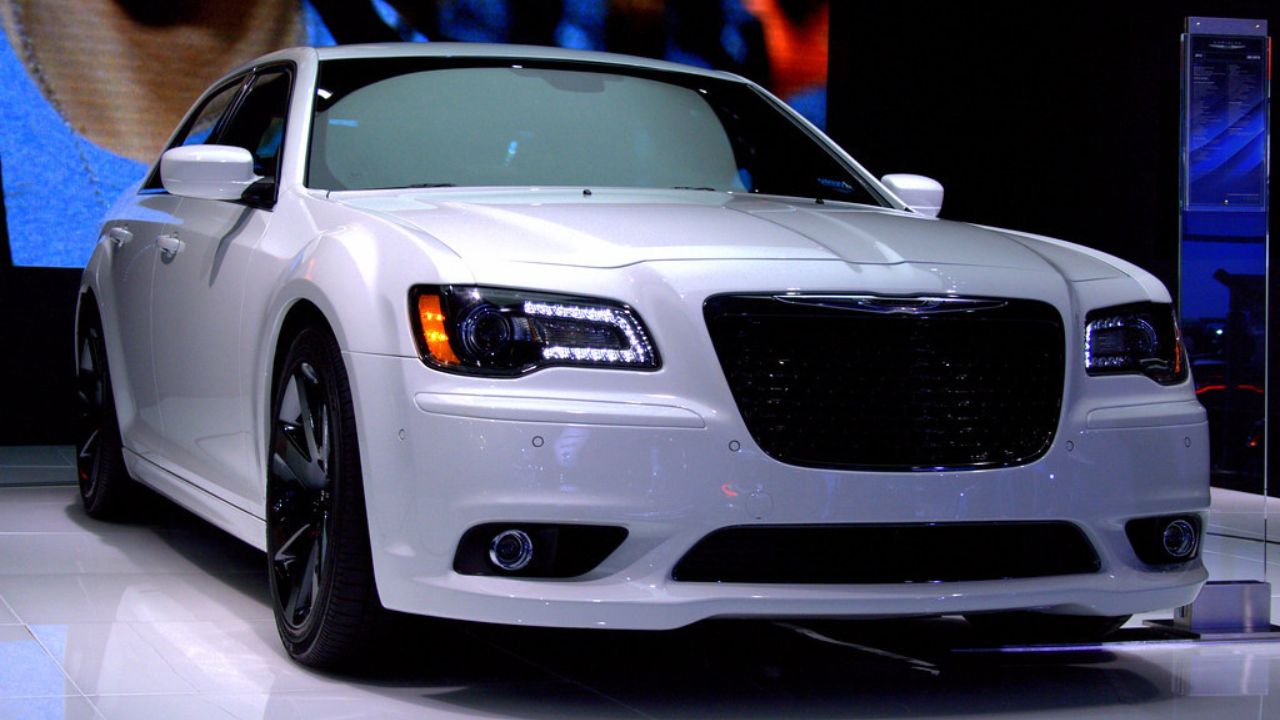
The intersection of luxury and performance has long fascinated car enthusiasts and fitness aficionados alike. Historically, certain luxury cars have managed to combine plush interiors with powerful engines, echoing the principles of balanced muscle gain in fitness. These intriguing parallels highlight the moments when luxury trims delivered impressive muscle.
The Evolution of Luxury Performance Vehicles

The transition from pure luxury to powerful performance in the automotive world marks a significant shift in consumer expectations. Initially, luxury cars were designed with a focus on comfort, elegance, and technological sophistication. The interiors boasted premium materials, and the exteriors showcased elegant lines and craftsmanship. However, as consumer preferences evolved, the demand for vehicles that combined this opulence with raw power grew. This shift led to the emergence of luxury performance vehicles, which promised not only a smooth ride but also an exhilarating driving experience.
Key milestones in this evolution include models like the Dodge Charger Daytona, which broke the mold by offering a powerful engine wrapped in a luxurious package. The integration of advanced technologies, such as turbocharging and lightweight materials, allowed manufacturers to enhance performance without sacrificing luxury. These advancements paved the way for a new breed of cars that catered to enthusiasts seeking the best of both worlds. The technological leaps that followed, particularly in the realm of electric powertrains, have further blurred the lines between luxury and muscle, setting the stage for future innovations.
The Science of Muscle Gain in Fitness and Auto Engineering
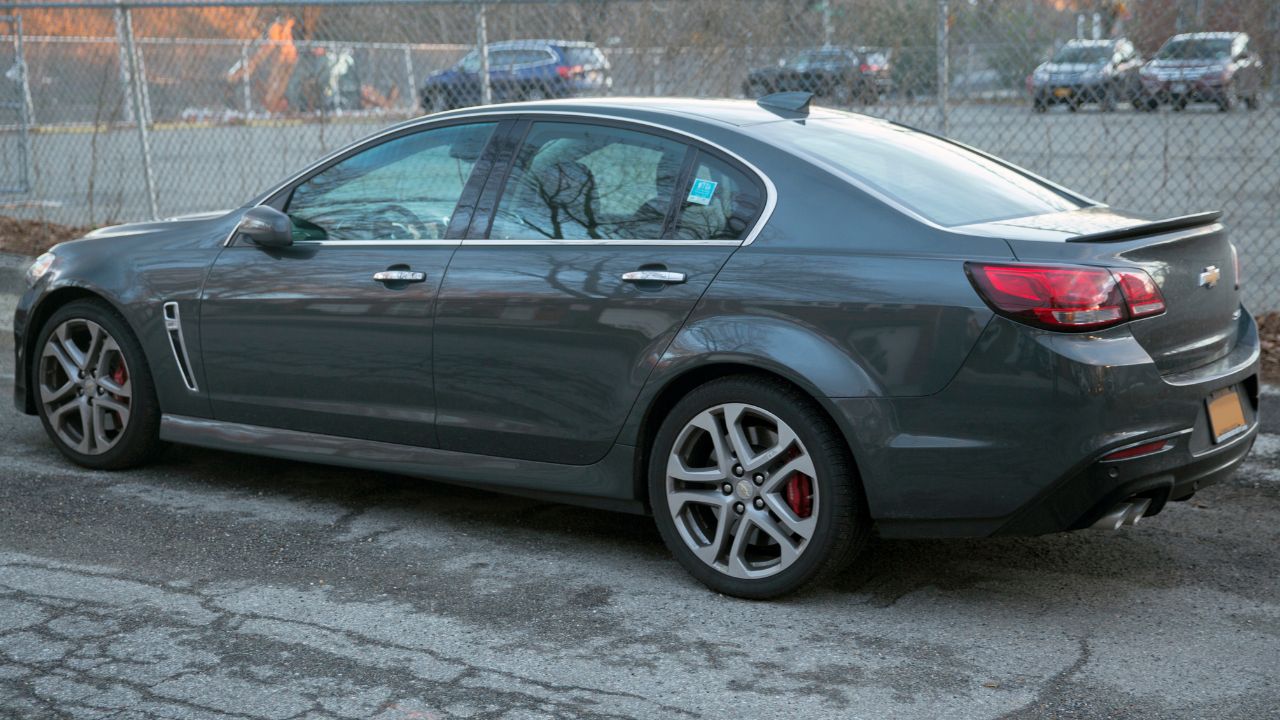
The parallels between bodybuilding and car engineering are striking. In fitness, muscle gain is achieved through a balanced approach that involves strength training, nutrition, and rest. Similarly, automotive engineering relies on a harmonious blend of power, efficiency, and design to create vehicles that excel in performance. Both fields emphasize the importance of incremental improvements and the integration of cutting-edge technologies to achieve optimal results.
Innovations in sports science have inspired automotive engineers to adopt new strategies for enhancing vehicle performance. The use of lightweight materials, aerodynamic designs, and efficient engines mirrors the principles of achieving muscle gain through targeted exercises and nutrition. The latest advancements in electric powertrains, as seen in models like the Dodge Charger Daytona, reflect modern muscle gain techniques. These innovations not only boost power but also improve efficiency, showcasing the symbiotic relationship between fitness and automotive engineering.
Notable Models that Defined the Luxury Muscle Segment
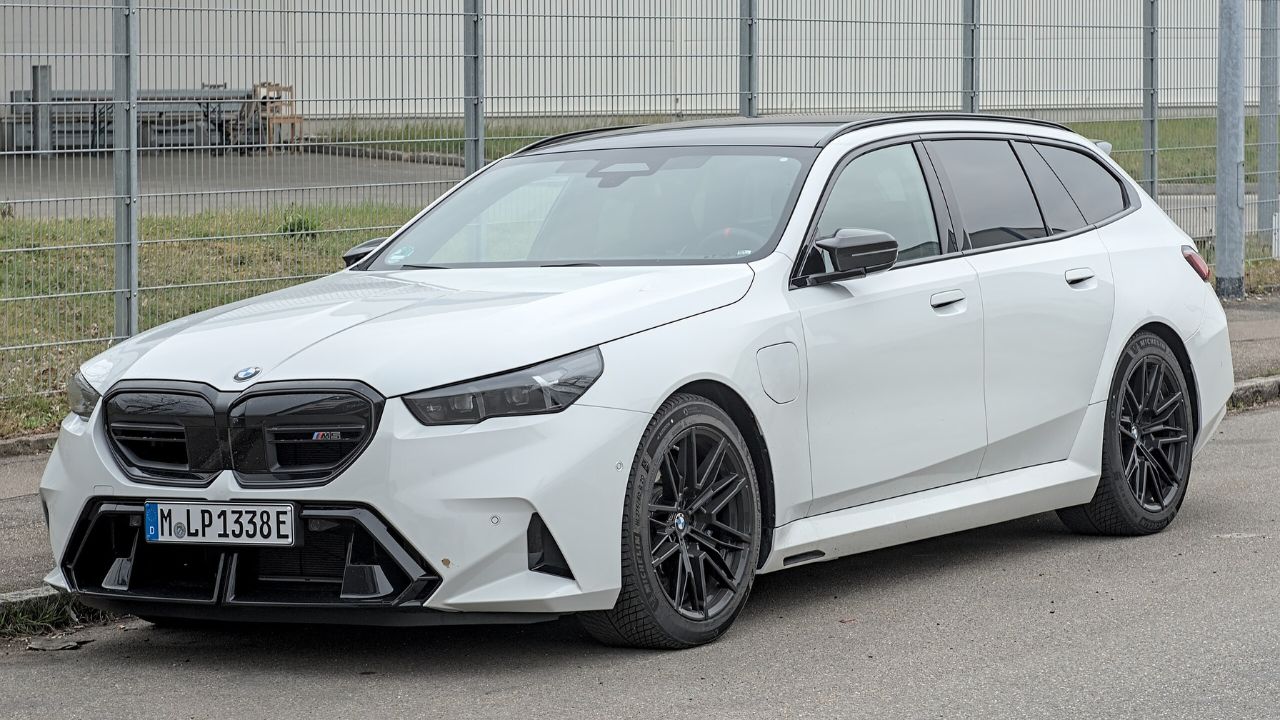
The luxury muscle segment has been defined by a series of iconic models that have set the standard for performance and opulence. Vehicles like the Ford Mustang GT, BMW M5, and Mercedes-AMG E63 S have left an indelible mark on the industry. These cars not only boast powerful engines but also offer a level of comfort and sophistication that appeals to discerning buyers.
Case studies of these models reveal the cultural and market impact they have had. For instance, the Mustang GT, with its V8 engine and sleek design, has become a symbol of American automotive prowess. Similarly, the BMW M5 and Mercedes-AMG E63 S have garnered a loyal following, thanks to their blend of luxury and performance. Consumer reactions to these vehicles have been overwhelmingly positive, with many praising their ability to deliver an exhilarating driving experience without compromising on comfort. The legacy of these models continues to influence the design of future luxury muscle cars, as manufacturers strive to meet the ever-evolving demands of their clientele.
The Future of Luxury and Muscle Synergy
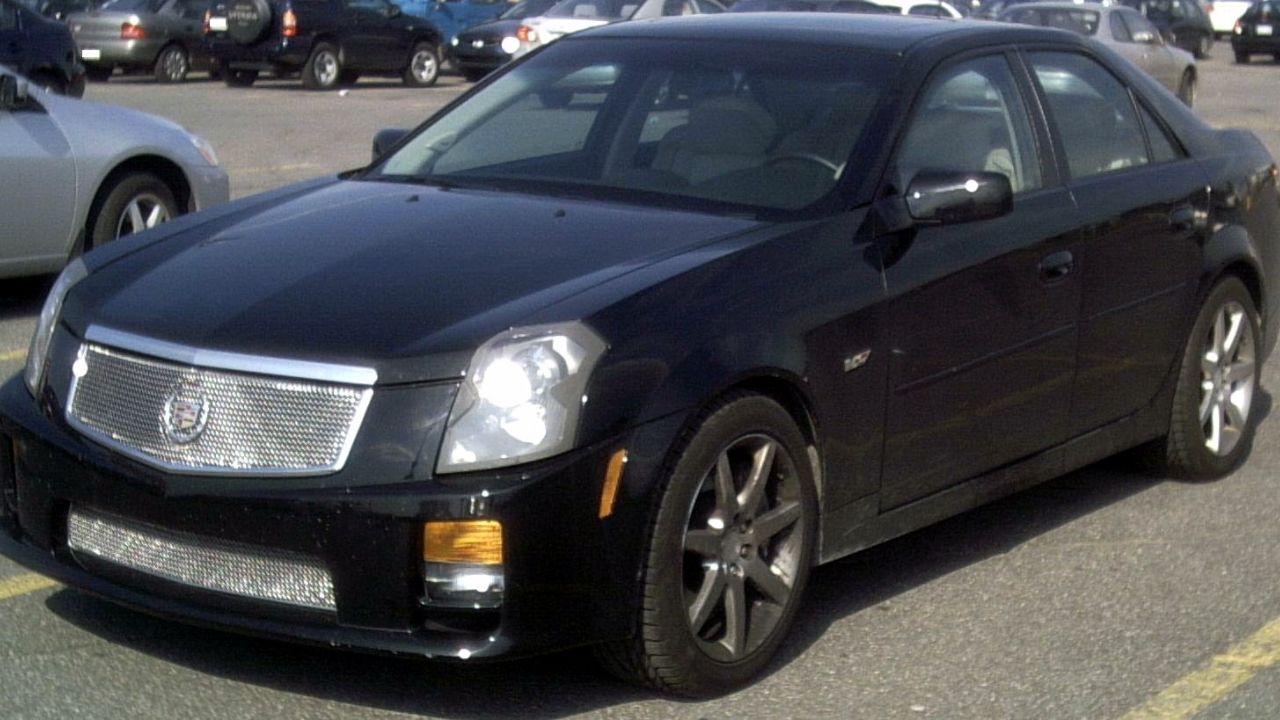
The future of luxury muscle vehicles is being shaped by trends that emphasize sustainability and innovation. As environmental concerns take center stage, manufacturers are increasingly focusing on electric powertrains and hybrid technologies. This shift not only aligns with global sustainability goals but also offers new opportunities for enhancing vehicle performance. The integration of electric motors, for instance, allows for instant torque delivery, providing a thrilling driving experience without the environmental impact of traditional combustion engines.
Consumer expectations and market dynamics are also playing a crucial role in shaping the future of luxury muscle cars. As buyers become more environmentally conscious, there is a growing demand for vehicles that offer both luxury and sustainable performance. This trend is forcing manufacturers to rethink their design philosophies and explore new ways to deliver power and efficiency. The role of global markets cannot be understated, as emerging economies present new opportunities and challenges for the luxury performance car industry.
The Broader Impact of Luxury Muscle Innovations
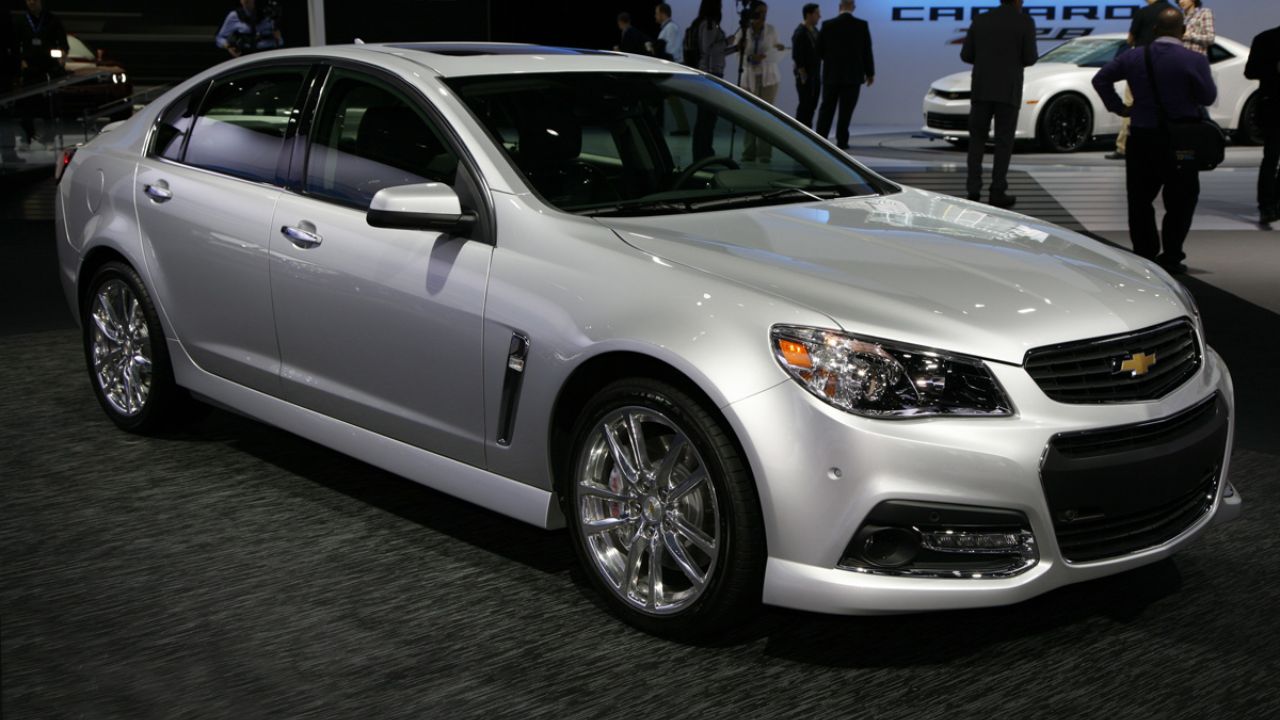
Luxury muscle car innovations have transcended the automotive industry, inspiring advancements in other sectors such as fashion, technology, and design. The influence of these vehicles can be seen in the sleek lines and advanced materials used in high-end fashion, as well as in the cutting-edge technologies deployed in consumer electronics. Cross-industry collaborations continue to drive innovation, as companies seek to leverage the expertise and creativity of different fields to create products that resonate with consumers.
The cultural significance of luxury muscle cars cannot be overlooked. These vehicles have become symbols of status and power, representing the pinnacle of automotive excellence. They are often featured in films, music videos, and advertisements, further cementing their status as cultural icons. The aspirational appeal of luxury muscle cars lies in their ability to embody the dreams and desires of individuals who seek a blend of performance and prestige. This cultural impact highlights the enduring allure of these vehicles and their ability to captivate the imagination of enthusiasts worldwide.
Like Fast Lane Only’s content? Be sure to follow us.
Here’s more from us:
*Created with AI assistance and editor review.