
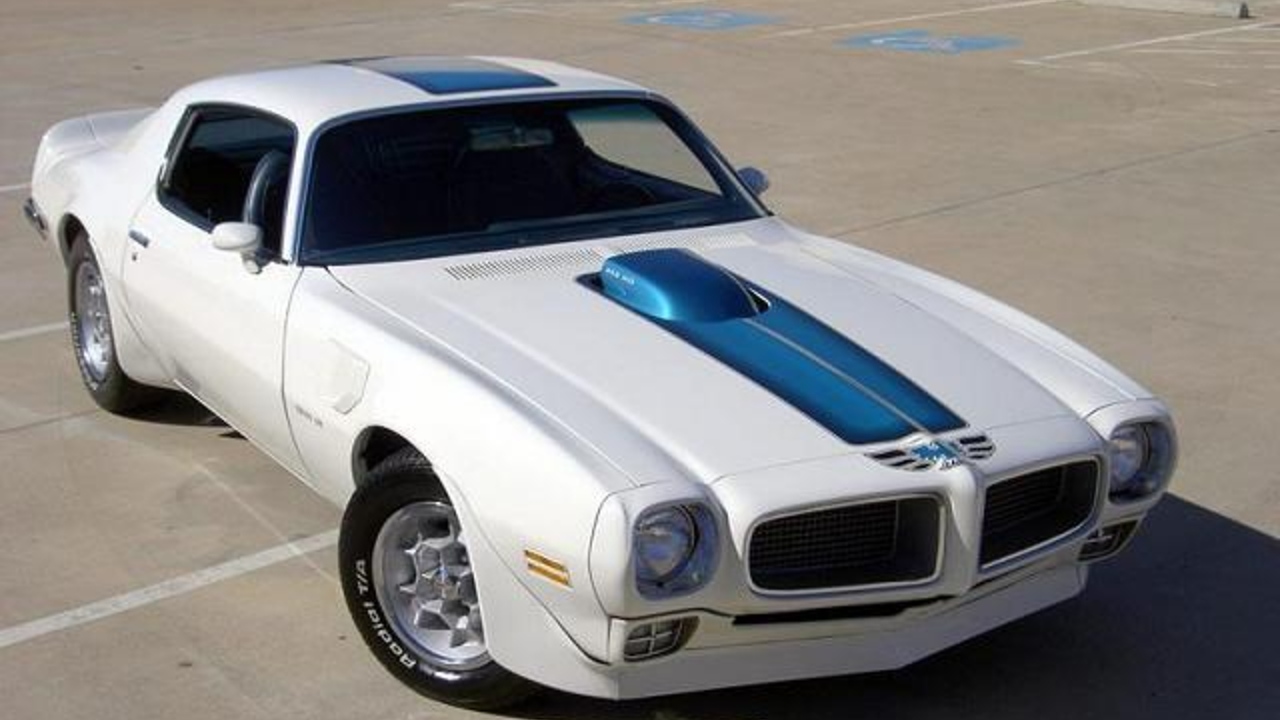
The Pontiac Trans Am 455 Super Duty arrived just as Detroit was being forced to turn down the volume on big cubic inches, which is exactly why it still looms so large in muscle car history. Built in tiny numbers and packed with a hand-finished racing-derived V8, it became one of the last factory street cars that felt like a homologation special hiding in plain sight. Today, that mix of rarity, engineering excess, and timing has turned the Super Duty Trans Am into one of the most closely watched American collectibles, with prices that reflect its status as Pontiac’s final war cry.
To understand when Pontiac built the Trans Am 455 Super Duty and what these cars sell for now, I need to trace how the program survived tightening emissions rules, how long it actually stayed in production, and how the market has separated ordinary Firebirds from the few SD-455s that slipped out. The result is a story that runs from early 1970s engineering skunkworks to six-figure auction results, with each step documented in period development details and modern valuation data.
The brief, high-stakes window for the Super Duty 455
The Super Duty 455 was conceived at a moment when big performance engines were supposed to be dying, not debuting, which is why its production window was so short and so significant. Pontiac engineers developed the SD-455 as a heavily reworked 455 cubic inch V8 with unique block casting, reinforced internals, and cylinder heads that owed more to racing programs than to ordinary street engines. That level of hardware was expensive to build and certify, and it collided head on with the early 1970s shift toward lower compression, unleaded fuel, and stricter emissions, which meant the engine only appeared in a narrow slice of Firebird production before regulations and cost pressure closed the door.
Reporting on the 1974 Trans Am Super Duty 455 notes that the engines were essentially hand built, with special attention paid to components that could survive sustained high load, a process that pushed costs far beyond typical mass production. When Martin Caserio took over as Pontiac’s new General Manager, he was reportedly shocked at the cost of these hand-built engines, yet the company still committed to installing them in Firebird Formula and Trans Am models for a short run, as documented in contemporary analysis of the Super Duty program. That tension between engineering ambition and corporate reality explains why the SD-455 never became a long-running option and instead exists as a brief, intense chapter in Pontiac’s performance story.
Why Pontiac’s last “war cry” mattered
By the mid 1970s, the muscle car era was effectively over, which made Pontiac’s decision to push ahead with the Super Duty 455 feel almost defiant. Coverage of a 1974 Trans Am from a Tennessee collection describes the SD as Pontiac’s “last war cry,” a car built to make noise on the way out if the world was going to turn the lights out on high performance. That description captures how the SD-455 stood apart from the increasingly detuned V8s of the period, with its heavy-duty internals and track-bred character positioned as a final statement rather than a volume seller, as reflected in analysis of how the SD cars are viewed today.
That same reporting underscores how limited the SD-455 run really was, with only a small number of Trans Ams and Formulas leaving the factory with the Super Duty engine. A separate valuation discussion of early 1970s Firebirds notes that only a handful of certain high-spec models left the factory, making them instant collector items, a pattern that clearly applies to the SD-455 cars as well, as seen in commentary that “Only a handful left the factory, making them instant collector items” in a valuation insight. That combination of low production, late-stage muscle car timing, and a powertrain that felt like it belonged on a road course rather than a boulevard is what turned the SD-455 into a benchmark for Pontiac faithful and collectors alike.
Inside the 1974 Trans Am SD-455: hardware and character
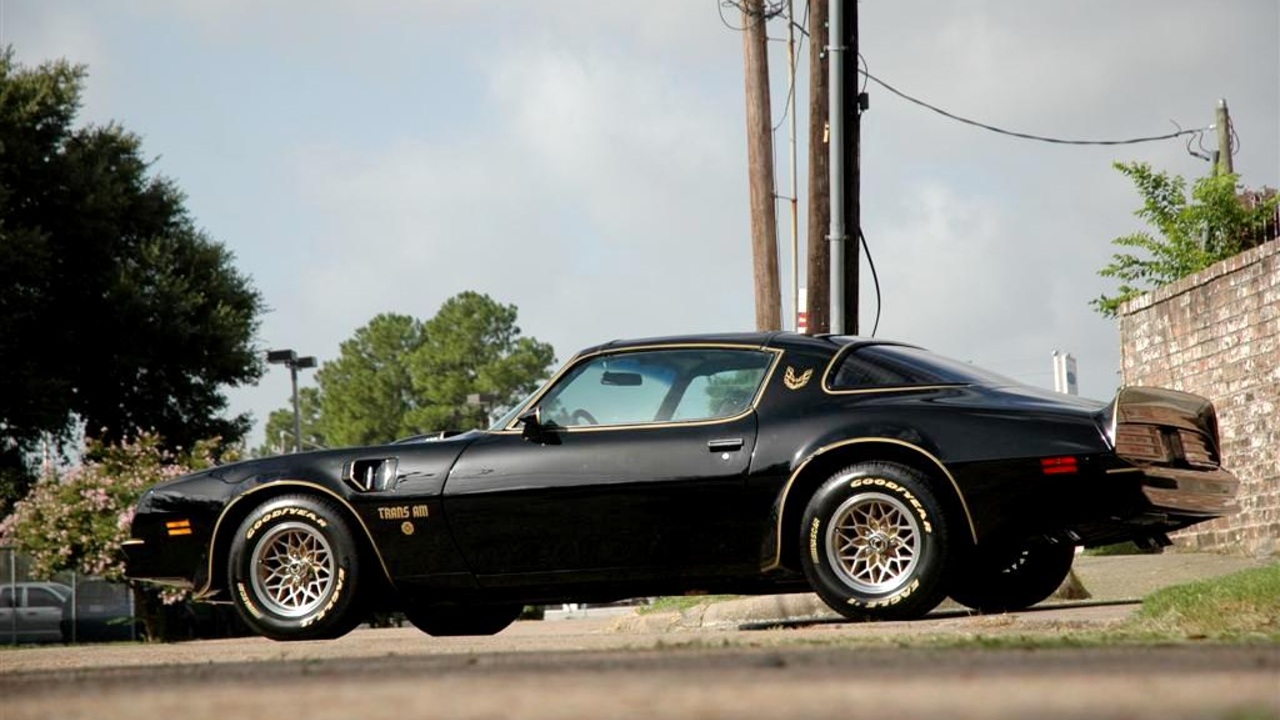
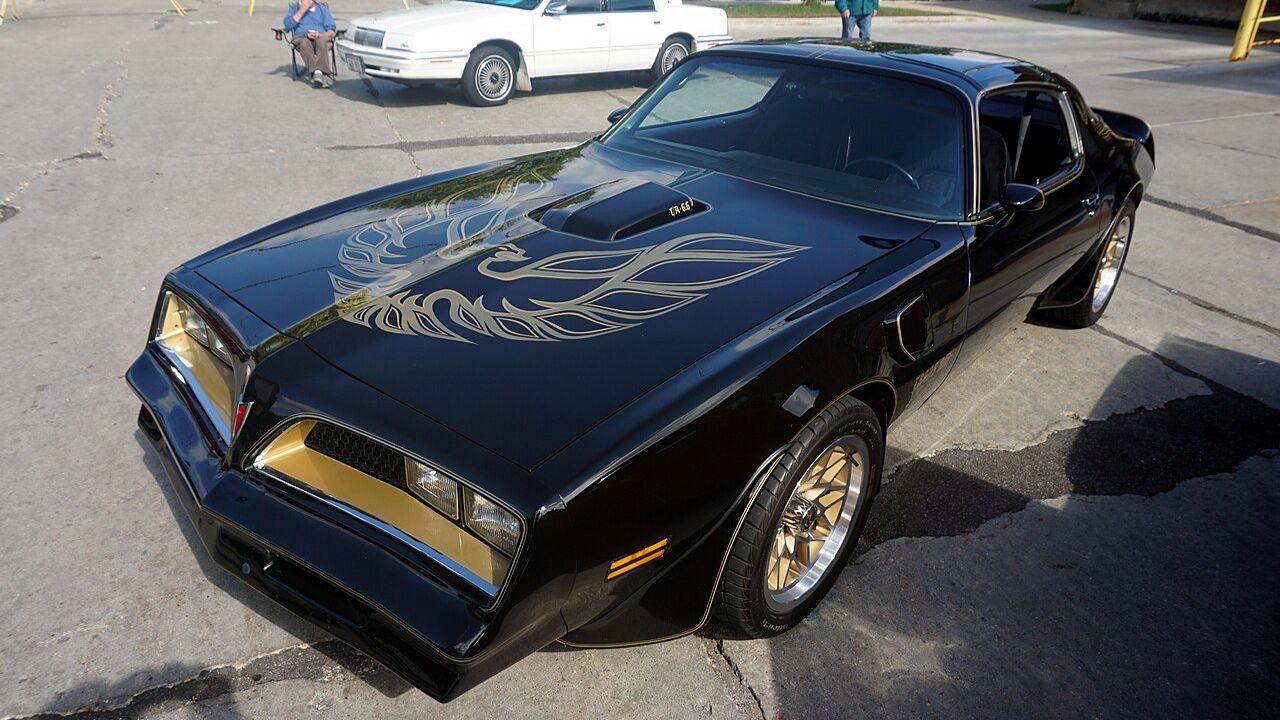
By 1974, the Trans Am SD-455 had evolved into a car that looked like a typical second-generation Firebird at a glance but behaved very differently once the key turned. The SD engine’s reinforced block, upgraded internals, and unique heads gave it a level of durability and torque that separated it from the standard 400 and 455 engines of the era, even as official horsepower ratings were being trimmed to satisfy emissions and insurance concerns. Contemporary profiles of the 1974 Trans Am Super Duty 455 emphasize that these engines were built with racing in mind, then adapted for the street, which is why they required special assembly and inspection that ordinary production lines could not easily absorb, as detailed in the discussion of their hand-built nature.
The character of these cars in the real world is illustrated by ownership stories that have surfaced in auction and profile coverage. One widely cited example involves a 1974 Trans Am Super Duty 455 that was first purchased by an enthusiastic 16-year-old, Art Lund, who had spent two years working at a dealership and was rewarded by the owner with the opportunity to buy the car, as recounted in a detailed profile of a specific SD-455 Trans Am. Stories like that highlight how, despite their rarity and cost, some Super Duty cars were treated as daily drivers and personal milestones rather than museum pieces, which adds another layer of appeal when those same chassis resurface decades later with documented histories.
How the SD-455 compares to the mid 1970s V8 landscape
To appreciate why the Super Duty 455 is so revered, it helps to compare it with what else was on the road in the mid 1970s. By that point, many large American V8s had been detuned significantly, with lower compression ratios and conservative camshafts aimed at emissions compliance rather than outright performance. One analysis that looks at a hypothetical 1975 version of the Super Duty 455 uses the Cadillac 472 cubic inch motor as a benchmark, noting that the Cadillac 472ci motor made 210hp and 380lb-ft in 1975 and then scaling that output to estimate that a 455ci motor of similar tune would make roughly 200hp and 365lb-ft, as described in a discussion framed as “Considering the Cadillac”. That comparison underscores how unusual it was for Pontiac to keep pushing a high-spec big block when the rest of the industry was backing away.
In that context, the SD-455’s reputation as a throwback to the peak muscle years makes sense. While official net horsepower ratings may not look dramatic on paper compared with earlier gross figures, the engine’s torque curve, durability, and tuning potential set it apart from the softer, emissions-choked V8s that defined much of the mid decade. Modern coverage of surviving SD-455 cars often emphasizes that they feel stronger and more responsive than their period ratings suggest, and that they respond well to careful tuning, which helps explain why collectors treat them as a bridge between classic muscle and later performance eras rather than as just another mid 1970s relic, a theme echoed in the way later retrospectives describe the SD cars.
What Trans Am 455 Super Duty models sell for now
Half a century after they were built, Trans Am 455 Super Duty models have moved firmly into blue-chip territory, with values that reflect both their rarity and their place in Pontiac lore. Modern pricing analysis focused on the 1974 Pontiac Trans Am Super Duty notes that a Pristine, Condition Firebird Trans Am Super Duty Is Worth Over $100,000, with fair-condition examples trading for less but still commanding a significant premium over standard Trans Ams, as outlined in a valuation breakdown of the Pontiac Trans Am Super Duty. That “over $100,000” benchmark for top-tier cars has become a reference point for buyers and sellers, signaling that the SD-455 sits in a different league from most other mid 1970s American performance cars.
More granular valuation tools that track specific model years and trims reinforce that premium. Data for the 1974 Pontiac Firebird Trans Am shows a clear spread between ordinary configurations and documented SD-455 cars, with the latter consistently at the top of the price charts, as reflected in the structured pricing for the 1974 Firebird Trans Am. Individual sales of known SD-455 Trans Ams, such as the car tied to Art Lund’s early ownership story, have been documented in auction archives that detail how provenance, originality, and low mileage can push results even higher, as seen in the record of a specific 1974 Trans Am SD-455. When I compare those figures with broader Firebird market commentary that notes how only a handful of certain high-spec models left the factory and now fetch strong money, it is clear that the Super Duty Trans Am has crossed from cult favorite to established collectible, with pricing that reflects its status as one of Pontiac’s most serious efforts to keep performance alive in a difficult era.



Leave a Reply