
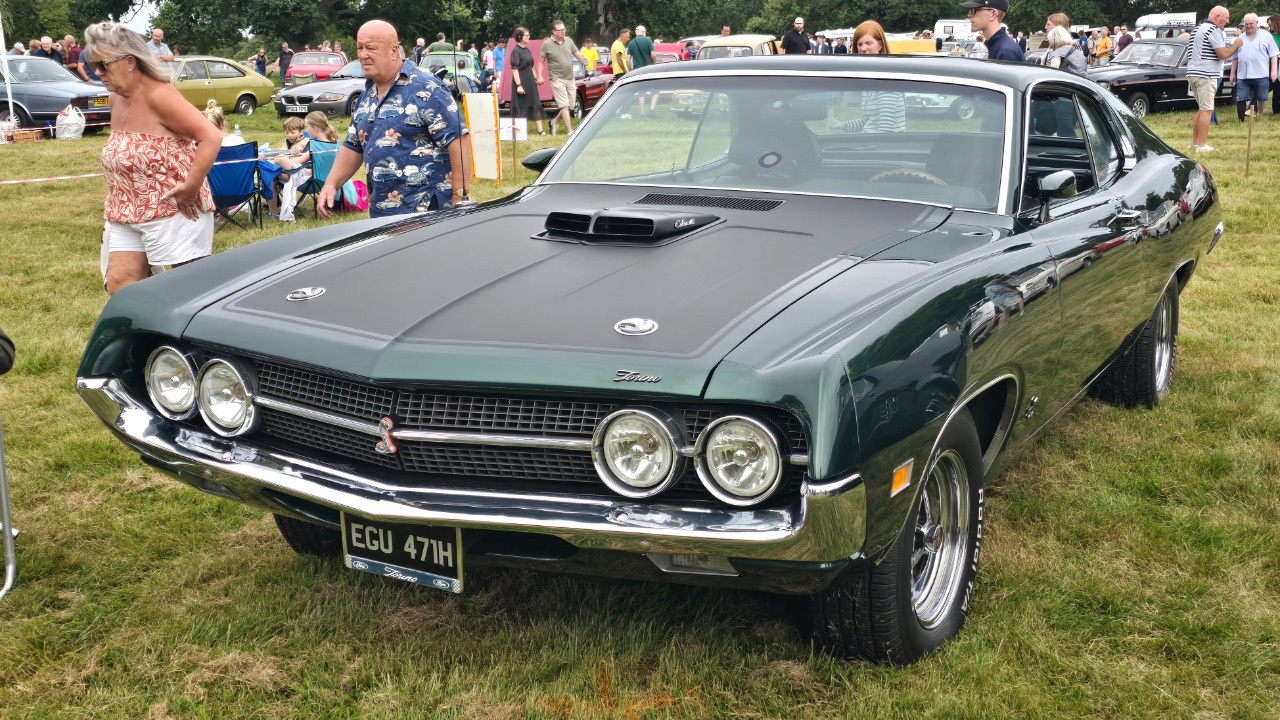
The 1970 Ford Torino Cobra arrived at a moment when stock car racing was turning into an aerodynamic arms race, and it was built to prove that Ford could run with the wildest machines on the high banks. Instead of chasing showroom flash alone, the car was meant to chase credibility in NASCAR by reshaping the Torino into a purpose-built weapon. I see its story as a brief, brilliant sprint toward dominance that ended just as it was getting up to speed.
The aero wars that pushed Ford to the edge
By the late 1960s, NASCAR had become less about chrome and more about airflow, and the rulebook was struggling to keep up with the engineers. The Birth of the Torino King Cobra came out of that pressure cooker, as Ford watched rivals lean into radical shapes that sliced through the air and rewrote speed records. In that environment, the company could not afford to let the Torino remain a simple fastback when the track was rewarding cars that looked more like missiles than family coupes, so the push for a more extreme Torino was as much about pride as it was about lap times.
What I find striking is how clearly the Torino project was framed as a response to specific threats rather than a vague desire to go racing. The program was conceived as a direct answer to the Dodge Daytona and Plymouth Superbird that were redefining what a stock car could look like on the NASCAR circuit, and the Torino King Cobra was meant to meet those cars on their own aerodynamic terms. That intent is baked into the way enthusiasts still describe the The Birth of the Torino King Cobra, with By the late 1960s and NASCAR mentioned in the same breath as an arms race in aerodynamics that forced Ford to think beyond traditional muscle.
From Torino Cobra to Torino King Cobra
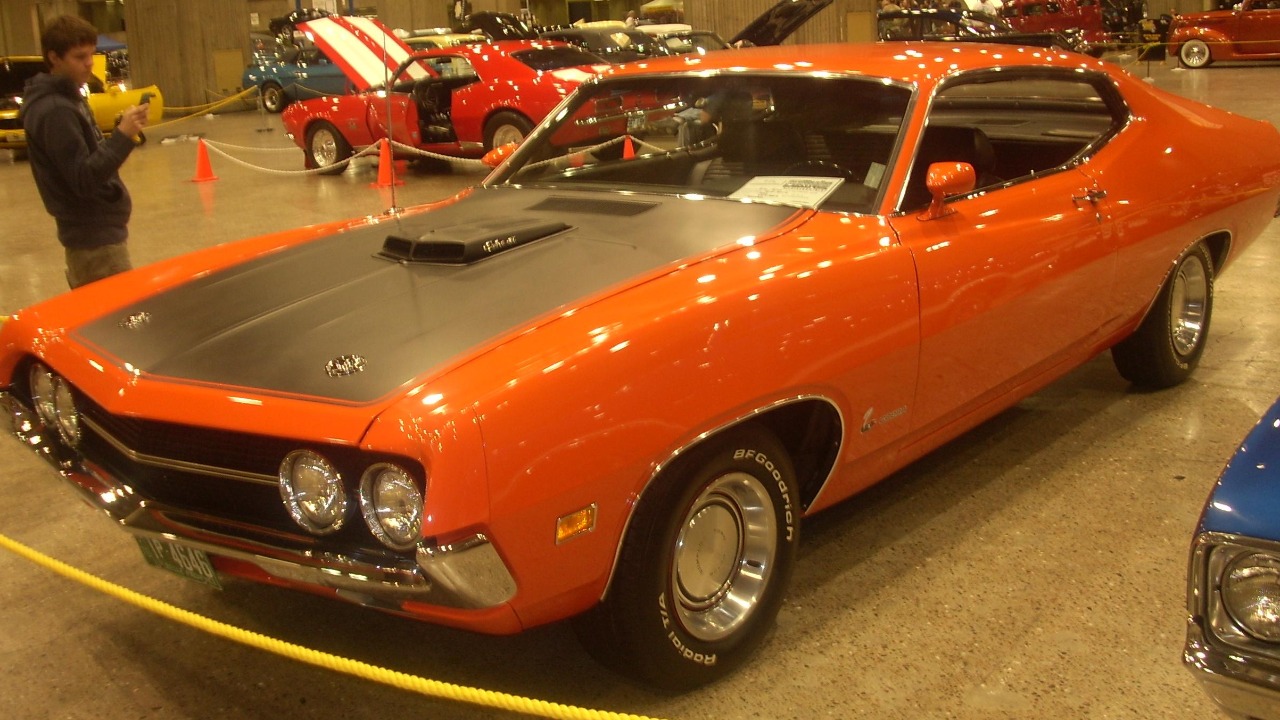
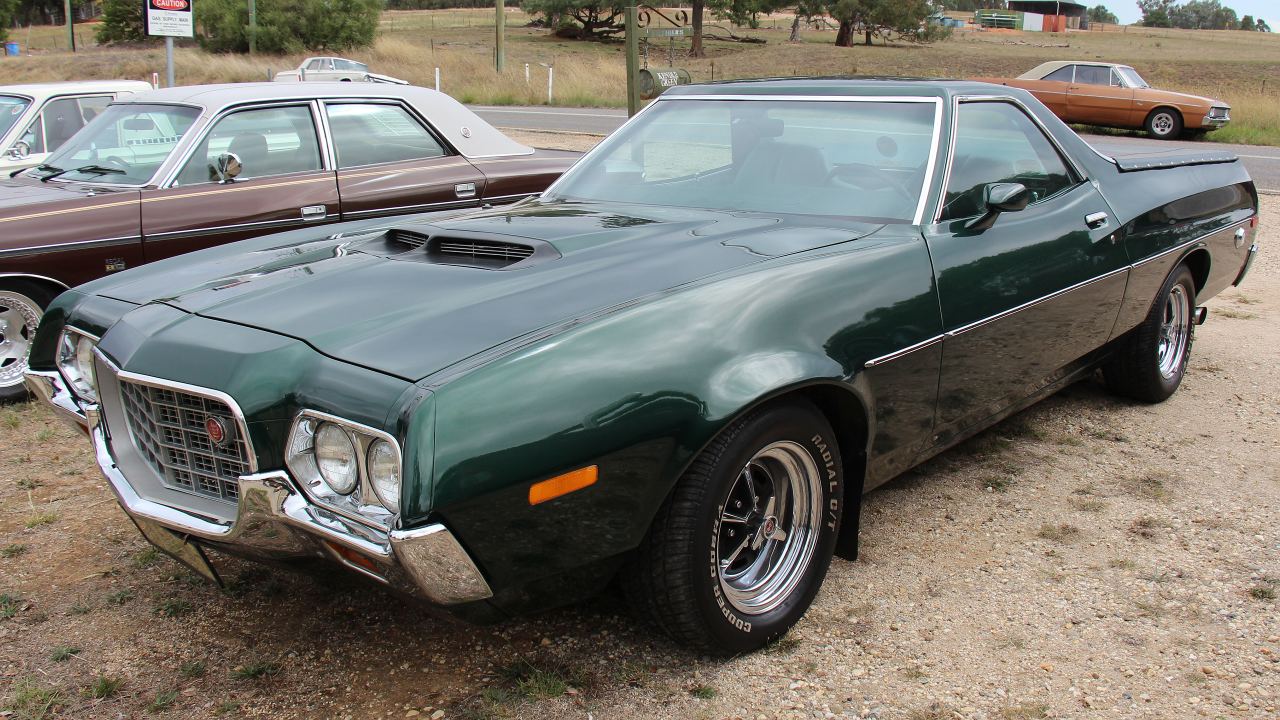
The production Torino Cobra gave Ford a muscular fastback with real performance, but it still looked like a road car that had been toughened up for the track. To chase the new standard set by the aero specials, Ford had to turn that familiar shape into something more radical, and that is where the Torino King Cobra came in. I see the King Cobra as the moment when the Torino Cobra stopped being just a strong entry in the muscle car field and became a test bed for ideas that were meant to live or die at 200 miles per hour.
Ford kept the fastback profile that made the Torino recognizable, yet the company chose not to bolt on a towering rear spoiler or any large wing at all, a decision that set the King Cobra apart from its rivals. Instead, the engineers focused on reshaping the nose and smoothing the body so the car could compete directly with the Superbird and Daytona without copying their most obvious tricks. That balance between familiar sheetmetal and radical intent is captured in the way Ford kept the fastback and prototype work was used to refine the Torino King Cobra into a machine that could stand on equal footing with those Chrysler aero warriors.
The nose that tried to change NASCAR
Where the Dodge Daytona and its sibling leaned on a 23-inch-tall rear stabilizer wing and a dramatic tail to grab headlines, Ford chose to put its wildest ideas up front. The Charger that inspired so much of the aero panic wore that huge wing and a missile-shaped nose, and Ford’s designers clearly understood that the front of the car was where they could claw back speed without copying the towering hardware outright. I read the Torino King Cobra’s pointed, extended front end as Ford’s attempt to answer Jun and The Charger with a more subtle but equally aggressive solution.
The resulting nose was long, low and almost unsettling on what had been a fairly conventional midsize car, and it signaled that the Torino Cobra was no longer just a street bruiser. That reshaped front clip was meant to cut drag and keep the car planted at the kind of speeds that were turning NASCAR into a laboratory for extreme aerodynamics, even if only a handful of people ever saw it in anger. The ambition behind that design is still evident in the way enthusiasts talk about the nose that changed NASCAR, where Jun, The Charger and its 23-inch-tall rear stabilizer wing are held up as the benchmark that Ford’s Torino King Cobra nose was built to challenge.
Three prototypes and a rulebook wall
For all that effort, the Torino King Cobra never made the leap from prototype to full-fledged race car, and that is where the story turns from engineering bravado to corporate retreat. The Ford Torino King Cobra, a variant of the production Torino, was created specifically for the racetrack, with the world of NASCA and NASCAR in mind, yet only three examples were ever completed. When I look at that tiny build count, I see a company that had gone right up to the edge of a new era and then pulled back just as the car was ready to prove itself.
The decision to stop at three cars was not just a matter of taste, it was a reaction to a shifting landscape that made such extreme machines harder to justify. The Ford Torino King Cobra was supposed to be the sharp end of Ford’s stock car program, but changing regulations and corporate caution meant those prototypes became curiosities instead of grid-fillers. That abrupt halt is why modern coverage of The Ford Torino King Cobra always circles back to the fact that only three examples of the Torino-based racer exist, a reminder of how close the car came to reshaping Ford’s presence in big-league stock car racing.
NASCAR’s cold shoulder and the end of the aero dream
Even if the Torino King Cobra had made it to the starting grid, the mood inside NASCAR was turning against the very kind of car it represented. Officials were already wary of the aero Ford and Mercury entries and the equally wild Chrysler machines, and their reaction to those cars was a clear thumbs-down. From my perspective, that resistance was less about brand loyalty and more about fear that the sport was drifting too far from recognizable stock cars and into a realm where only wind tunnel experiments could win.
The factories might have been willing to keep escalating the aero war, but the sanctioning body had the power to change the rules and effectively push those cars right off pit road. That is exactly what happened as NASCAR tightened its standards and made it harder for extreme shapes to qualify as stock, leaving projects like the Torino King Cobra stranded between engineering ambition and regulatory reality. The tension between those forces is captured in the way NASCAR’s reaction to the aero Ford and Mercury, along with Chrysler’s entries, is described as a thumbs-down that could have driven them right off pit road, which is exactly the kind of pushback that kept the Torino King Cobra from ever becoming a regular sight on race day.
The legend that never took the green flag
Because the Torino King Cobra never got to prove itself in competition, its reputation has been built in reverse, with fans and historians piecing together what might have been from photos, specs and the few surviving cars. The Torino King Cobra was to be Ford’s answer to the Dodge Daytona and Plymouth Superbird on the NASCAR circuit, yet its story now lives mostly in garages, museums and short clips that show how radical it looked compared with the standard Torino Cobra. When I watch those glimpses, I see a car that carries the swagger of its era but also hints at a more experimental future that NASCAR chose not to follow.
The fact that the Torino King Cobra is still discussed as a missed opportunity rather than a failed experiment says a lot about how compelling its concept remains. It represents a moment when Ford, Dodge and Plymouth were willing to stretch the idea of a stock car to the breaking point in pursuit of speed, only to be reined in by a rulebook that decided enough was enough. That tension is preserved in modern retellings of the Torino King Cobra, where Oct, Ford, Dodge Daytona, Plymouth Superbird and NASCAR are all invoked to frame the car as the fastest Ford that never quite got the chance to chase the credibility it was built to claim.

Leave a Reply