
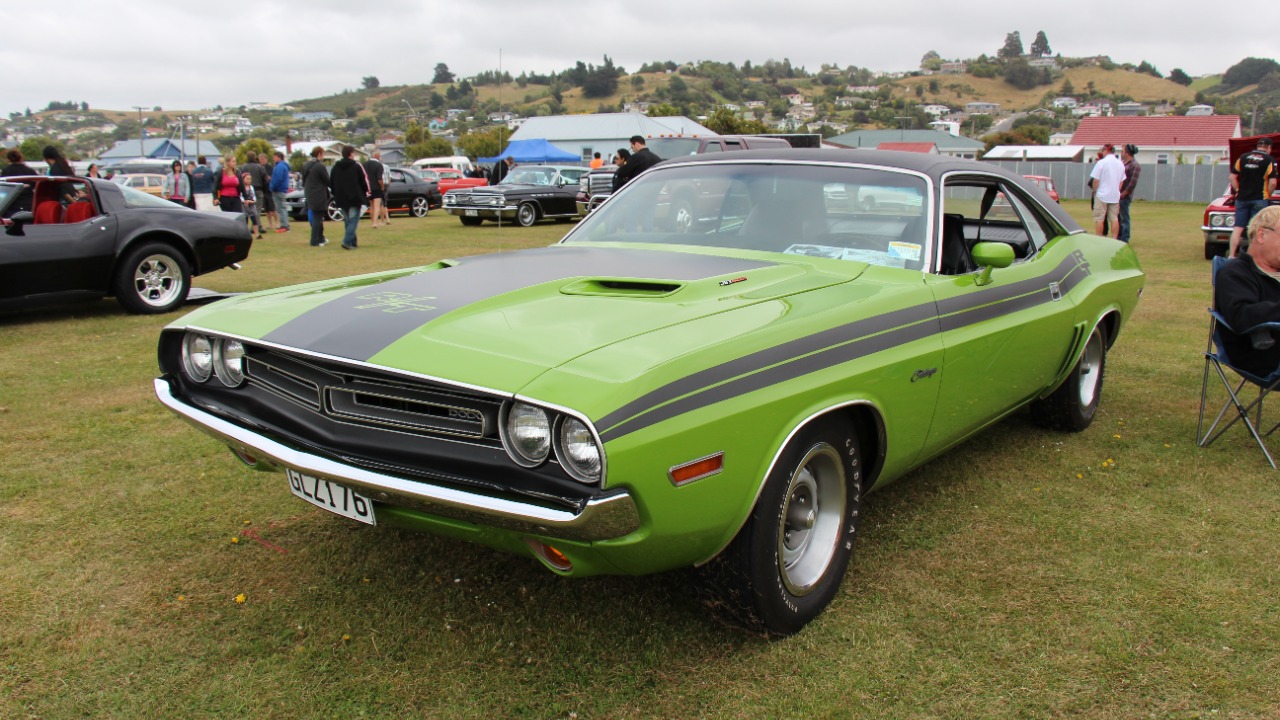
The 1971 Hemi Challenger arrived just as the muscle car wave began to break, a peak-performance machine stepping onto a stage that was already being dismantled behind the curtain. It was still brutally fast and visually menacing, yet the market, the regulators, and even its own maker were quietly preparing for a very different future.
Looking back now, I see that model year not only as a highlight of Chrysler’s pony car ambitions but as the moment when the classic formula of big cubes, big style, and low price started to unravel in plain sight.
The last great push: style, power, and a shrinking audience
To understand why 1971 feels like an inflection point, I start with how quickly the Challenger’s early momentum faded. In its debut season, the Looking Challenger sold a surprising 76,935 units, a strong showing for a late entrant in the pony car wars. Yet only a year later, the shine had dulled: Challenger sales in 1971 plummeted to just shy of 30,000, while Plymouth did not quite sell 19,000 Barracudas, leaving Chrysler losing money on the E-body program. The Hemi cars sat at the very top of that shrinking pyramid, technically brilliant but increasingly out of step with what buyers and insurers were willing to tolerate.
Visually, the 1971 cars tried to keep the dream alive with a freshened face. The Dodge Challenger Gets a Subtle Facelift, with a revised grille and taillights that sharpened the already aggressive profile. Period photos of a 1971 Dodge Challenger 440 Front Passenger 3/4 View Bring show how little Chrysler had to change to keep the car looking current, because the original proportions were already so right. Underneath, though, the world was shifting: higher insurance premiums for high horsepower, looming emissions rules, and a broader economic chill were all closing in on the very formula that made the Hemi badge so magnetic.
Regulations, compression, and the quiet retreat from the Hemi ideal
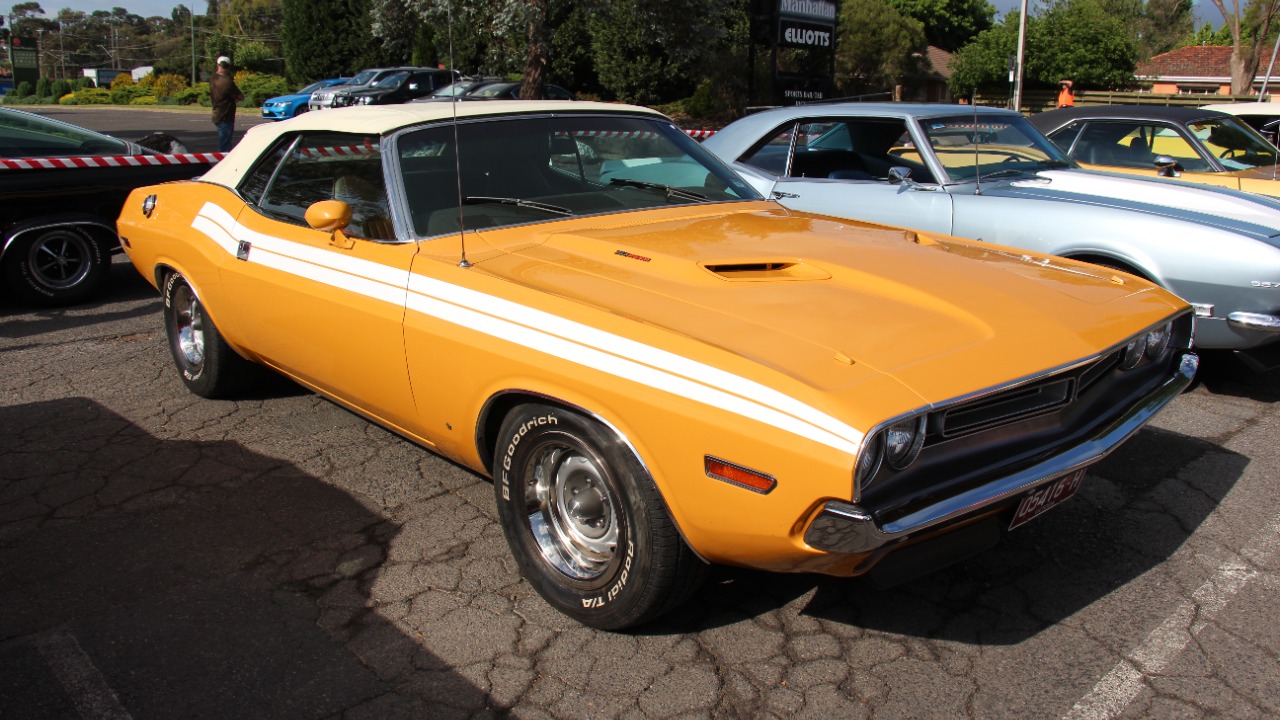
By the end of that year, the retreat from full-strength muscle was no longer hypothetical. However, by the end of that year, the Challenger’s muscle car status began to wane as Challenger production shifted away from the wildest powertrains and Chrysler ceased building the high-compression engines that had defined the car’s reputation. Across the industry, the popularity of muscle cars declined through the early and mid‑1970s because of power-sapping emissions controls, rising gasoline prices, and sharply higher insurance costs for performance cars, a combination captured in the broader muscle car story. The 1971 Hemi Challenger, with its big-displacement bravado, suddenly looked like the last of its kind rather than the start of a long run.
Collectors have since treated that pivot point with almost forensic attention. A detailed About the Collector profile of Todd Werner and his cars underscores how rare and carefully documented surviving 1971 Hemi examples have become, precisely because they sit at the edge of that regulatory and economic cliff. When I look at those build sheets and option lists, I see more than trivia; I see the record of a company squeezing one last burst of performance into a car that was already being boxed in by forces far beyond the showroom.
From subtle facelifts to bumper extensions: the long fade of the E‑body
What followed in the next couple of years only reinforces how pivotal 1971 really was. By 1973, the same basic shape was still on sale, but the priorities had changed. A Dodge Challenger with Bumper Extensions Passenger 3/4 View Bring Trailer shows how More regulations forced heavier bumpers and safety add‑ons that visually weighed the car down. The crisp aggression of the 1970 and 1971 front ends gave way to compliance hardware, and under the hood, the wildest engines were gone, replaced by milder V8s that fit the new reality but could not match the legend.
That is why, when I think about the beginning of the end, my mind keeps circling back to the 1971 Hemi Challenger. It still carried the full swagger of the muscle era, from its high-compression big blocks to its sharpened styling, yet it was already surrounded by falling sales, tightening rules, and a corporate playbook shifting toward survival rather than speed. The later cars, with their bumper extensions and tamer drivetrains, feel like epilogues. The 1971 Hemi, in contrast, reads like the final chapter of the original story, written just as the lights in the theater were starting to dim.

Leave a Reply