
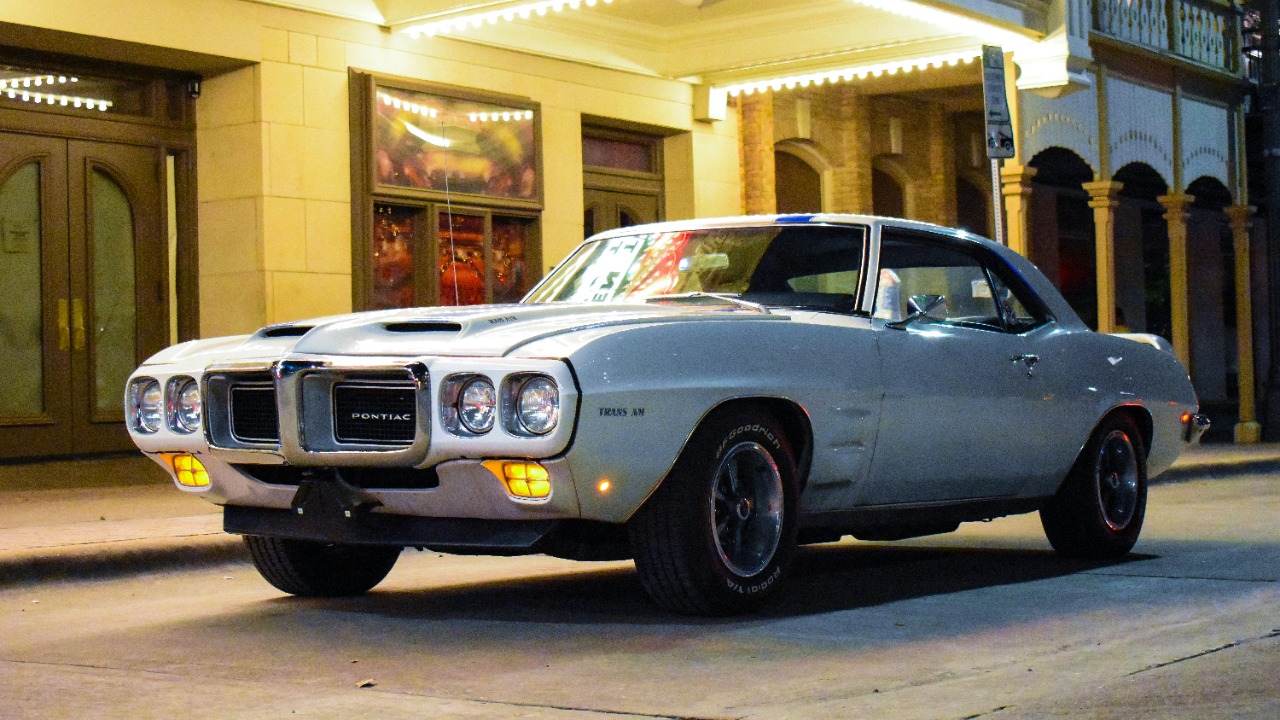
The 1971 Pontiac Firebird Trans Am arrived at a moment when muscle cars were supposed to be backing down, yet it quietly turned into one of the most serious performance machines of its era. Compression ratios were falling, insurance companies were nervous, and federal rules were tightening, but Pontiac used that pressure as an excuse to rethink what its flagship pony car could be. The result was a Trans Am that traded brute-force numbers for a more sophisticated kind of speed and balance.
Instead of chasing the wildest gross horsepower rating, Pontiac engineers leaned into a bigger, smarter engine and a chassis tuned to use every bit of it. The 1971 Trans Am did not just survive the changing rulebook, it used those constraints to sharpen its identity as a road car that could still run hard at the strip. That is the moment when, in my view, the Firebird Trans Am finally stopped posturing and started to get genuinely serious.
The pressure cooker that reshaped Pontiac’s pony car
By 1971, the muscle car party was already winding down, and Pontiac knew it. Like its sister divisions inside General Motors, the brand had to satisfy new corporate emissions policies that demanded lower compression ratios and cleaner exhaust. That meant the old formula of ever-higher squeeze and ever-bigger carburetors was no longer sustainable, even for a car as image-driven as the Firebird Trans Am. The second-generation body that had arrived the year before suddenly had to carry the weight of changing regulations along with the expectations of buyers who still wanted a street brawler.
Instead of throwing up its hands, Pontiac treated those rules as a design brief. The company accepted that compression had to come down, then looked for power in airflow, cam timing, and displacement. The 1971 Trans Am was still marketed as a brash performance coupe, but under the skin it reflected a more nuanced engineering response to the new environment, one that aligned with how Pontiac satisfied GM’s new emissions policies while keeping the car quick.
The 455 HO: big cubes, smarter hardware
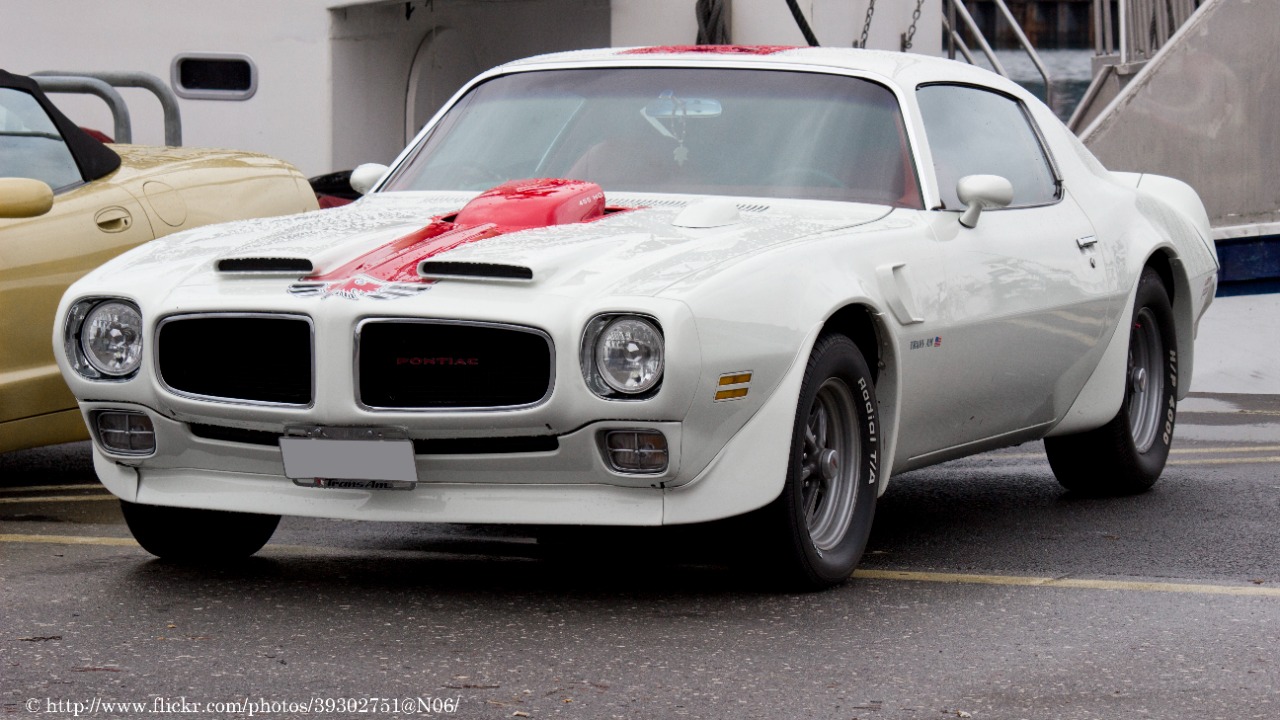
The centerpiece of that shift was the 455 HO, the largest engine Pontiac ever installed in a Trans Am. Rather than simply boring and stroking an existing mill and calling it a day, engineers raided the parts bin from the previous year’s high-winding Ram Air package. To create the 455 HO, Pontiac borrowed the cylinder heads and camshaft from the earlier 345-hp Ram Air 400, then paired that hardware with the larger 455 short-block to claw back performance that might have been lost to lower compression.
That combination gave the Trans Am a broad, street-friendly torque curve that suited the heavier second-generation body and the realities of early-1970s traffic. Instead of a peaky, temperamental race motor, buyers got a 455 that pulled hard from low rpm yet still breathed well enough to feel alive at the top of the tach. In an era when many performance cars were being neutered, the way Pontiac blended the 455 bottom end with proven Ram Air components signaled a more deliberate, almost pragmatic approach to speed. The engine was still wild by modern standards, but it was also engineered to live with the new rules rather than pretend they did not exist.
From quarter-mile hero to default king
On paper, the 1971 Trans Am was not dramatically quicker than some of the wildest late-1960s muscle cars, but context is everything. As Ford and Mopar pulled back their most aggressive pony car packages, the Pontiac suddenly found itself near the top of a shrinking performance pyramid. In period testing and modern retellings, enthusiasts have pointed out that this is the car that became the quickest pony car by default, not because it suddenly got faster, but because rivals like Ford and Mopar quietly stepped away from the fight.
That shift in the competitive landscape mattered as much as any dyno sheet. With fewer direct threats, the Trans Am’s blend of big-cube torque and refined chassis tuning stood out even more sharply. The 455 HO’s ability to hustle the car through the quarter mile while still feeling composed on real roads gave Pontiac a performance halo at a time when many brands were scrambling to redefine themselves. In that sense, the 1971 model did not just inherit the crown, it redefined what being a top pony car meant when the easy horsepower tricks were off the table.
Chassis, stance, and the look of intent
Power alone never made the 1971 Trans Am feel serious; the way the car sat and handled did. The second-generation Firebird platform gave Pontiac a lower, wider stance that naturally favored cornering, and the Trans Am package leaned into that with firmer suspension, fatter tires, and functional aero pieces. The shaker scoop, front air dam, and rear spoiler were not just styling flourishes, they were part of a cohesive package that made the car feel planted at speed. Watching a detailed walkaround of a restored example, it is hard to miss how much is going on with the Pontiac Firebir bodywork to support that mission.
From behind the wheel, that hardware translated into a car that wanted to be driven hard on real pavement, not just launched in a straight line. The steering was heavier and more communicative than many of its contemporaries, the brakes were up to repeated use, and the suspension tuning struck a balance between compliance and control that felt almost European compared with some earlier Detroit iron. In my view, that is where the 1971 Trans Am truly distinguished itself: it treated handling as a core part of its identity, not an afterthought tacked onto a big engine.
Why the 1971 Trans Am still feels modern
Looking back from today, the 1971 Pontiac Firebird Trans Am reads like a blueprint for how performance cars would evolve in the decades that followed. Faced with emissions rules and changing fuel realities, Pontiac did not abandon speed; it redefined it around smarter airflow, broader torque, and a chassis that could actually use the power. The 455 HO, with its mix of 455 displacement and Ram Air hardware, anticipated the way later performance engines would rely on careful breathing and tuning rather than raw compression alone.
That is why the car still resonates so strongly with enthusiasts and collectors. The 1971 Trans Am represents a turning point where Pontiac accepted that the old muscle playbook was finished and chose to write a new one instead of fading quietly into the background. In doing so, it proved that a pony car could be both responsible to the rulebook and deeply serious about performance, a balance that modern sports coupes are still trying to strike more than half a century later.

Leave a Reply