The history of American automobiles is filled with innovation and progress, but it’s also marked by moments when regulatory bodies deemed certain vehicles unsafe or problematic. From fire hazards to emissions scandals, these instances illustrate the ongoing challenge of balancing performance with safety and environmental concerns. Let’s delve into eight significant cases where the U.S. effectively banned or recalled its own cars.
The Ford Pinto Recall (1978)

The Ford Pinto became notorious in the late 1970s for its safety issues, particularly the risk of the gas tank rupturing in rear-end collisions. This defect led to numerous fatalities and injuries, prompting a massive recall. The controversy surrounding the Pinto was exacerbated by internal memos revealing that Ford had calculated the cost of lawsuits over the cost of a recall. This decision-making process was widely criticized and led to increased scrutiny of automotive safety standards. For a deeper dive into automotive safety regulations, check out this scientific article.
The Chevrolet Corvair Ban (1969)

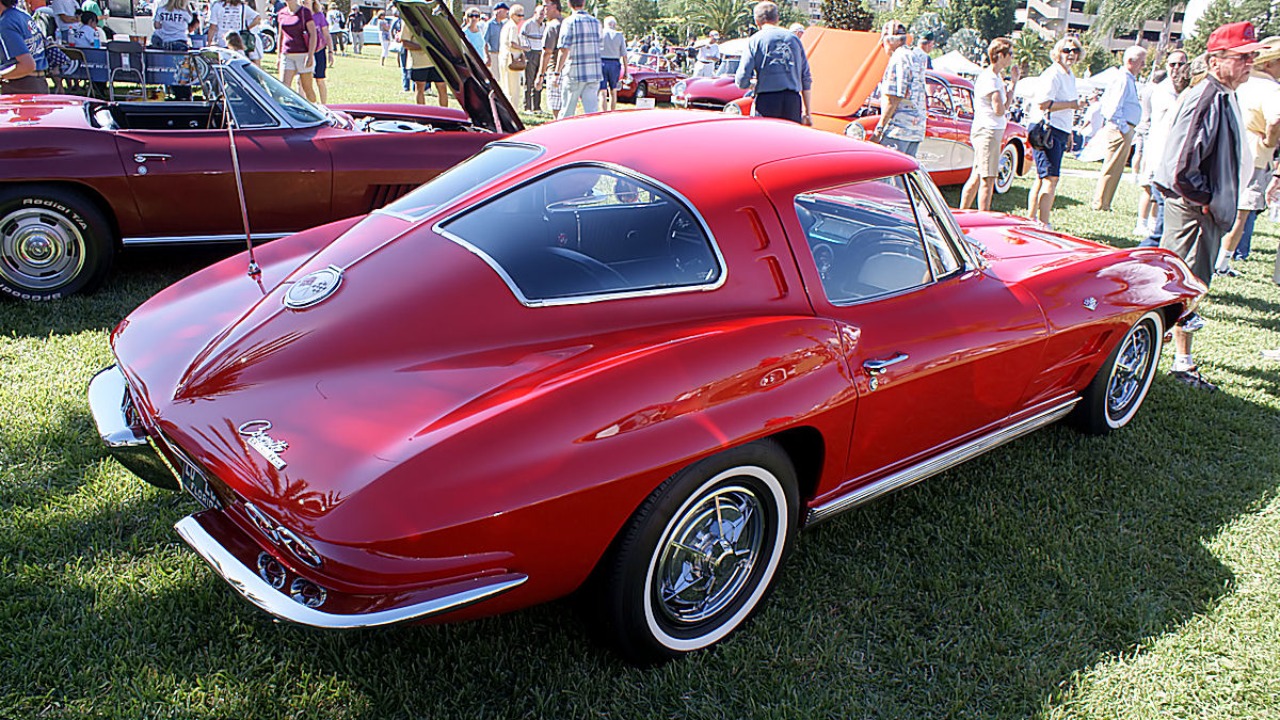
The Chevrolet Corvair, produced by General Motors, faced criticism for its handling and stability issues, particularly the tendency to roll over in sharp turns. The car was the subject of Ralph Nader’s book, “Unsafe at Any Speed,” which highlighted design flaws that made it prone to accidents. The resulting public outcry led to the eventual discontinuation of the Corvair in 1969, cementing its place in history as a catalyst for vehicle safety regulations.
The Pontiac Fiero Fire Hazard (1984)

The Pontiac Fiero, launched in the mid-1980s, was praised for its sporty design but soon became infamous for its propensity to catch fire. This was due to a combination of engine oil leaks and overheating issues. The resulting fires led to a significant recall, with GM replacing numerous engine components to mitigate the risk. The Fiero’s problems underscored the importance of rigorous testing and quality control in automotive manufacturing.
The Dodge Omni and Plymouth Horizon Recall (1978)

Chrysler’s Dodge Omni and Plymouth Horizon models encountered trouble soon after their release. These compact cars were plagued by suspension problems that compromised their handling and stability. In response to safety concerns, Chrysler issued a recall to address these defects. This case highlighted the challenges that automakers faced in meeting the growing demand for affordable, fuel-efficient vehicles during the energy crisis of the 1970s.
The Chrysler Minivan Safety Recall (1996)

The Chrysler minivan, a staple of family transportation, faced a significant recall in the mid-1990s due to faulty rear liftgate latches. In the event of a crash, these latches could fail, leading to serious injuries. The recall affected millions of vehicles and served as a wake-up call for the industry to improve safety features. This incident also emphasized the role of regulatory agencies in ensuring consumer protection.
The Ford Explorer Rollover Controversy (2000)

The Ford Explorer became embroiled in controversy in the early 2000s when reports emerged of tire blowouts leading to rollovers. The issue was traced to defective Firestone tires, resulting in a recall of millions of tires. The Explorer’s stability issues raised questions about its design and prompted a reevaluation of safety standards for SUVs. For more on the changing landscape of automotive safety, see this article on banned vehicles.
The GM Ignition Switch Scandal (2014)

General Motors faced a major scandal in 2014 when it was revealed that faulty ignition switches in several models could shut off the engine and disable safety features like airbags. This defect was linked to numerous accidents and fatalities. The scandal led to a recall of millions of cars and significant legal repercussions for GM. It underscored the need for transparency and accountability in addressing safety issues.
The Volkswagen Diesel Emissions Scandal (2015)

While not an American manufacturer, Volkswagen’s emissions scandal had a profound impact on the U.S. automotive market. In 2015, it was discovered that VW had installed software in diesel vehicles to cheat emissions tests. This led to a recall of half a million cars in the U.S. and legal actions against the company. The scandal highlighted the importance of environmental regulations and the consequences of corporate deception. For a visual explanation of the scandal’s impact, watch this video.
Like Fast Lane Only’s content? Be sure to follow us.
Here’s more from us:
*Created with AI assistance and editor review.