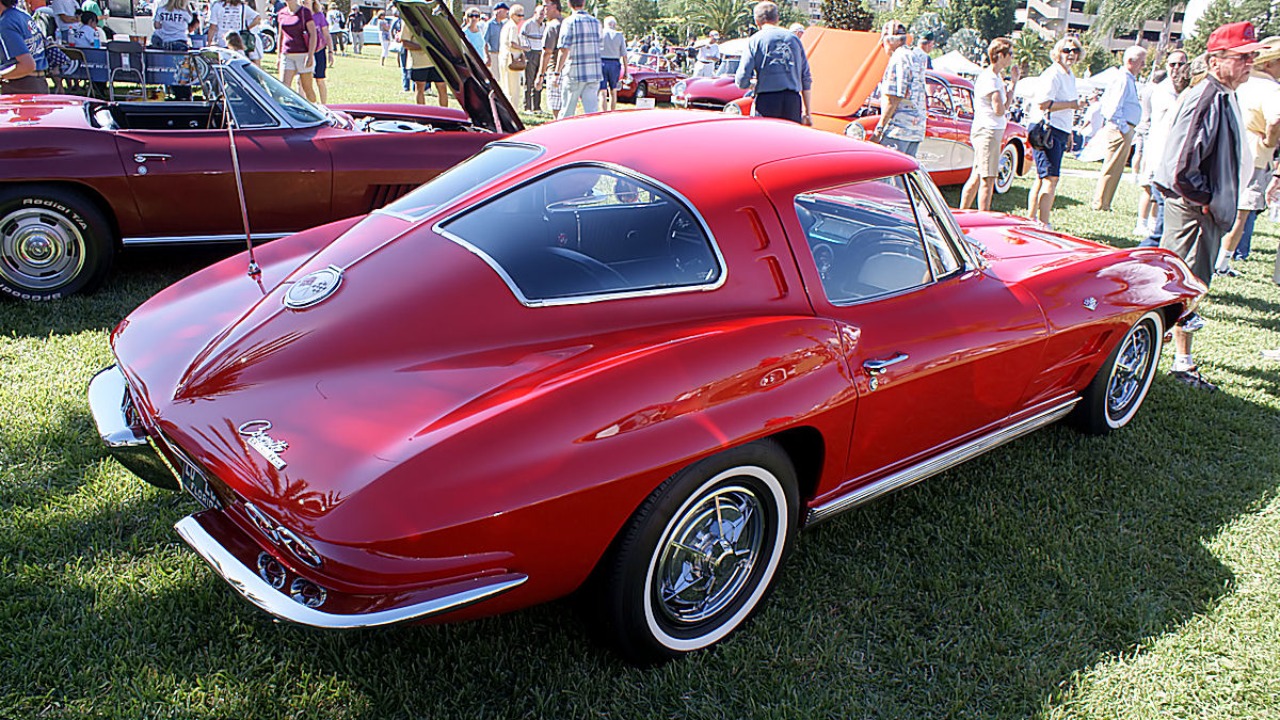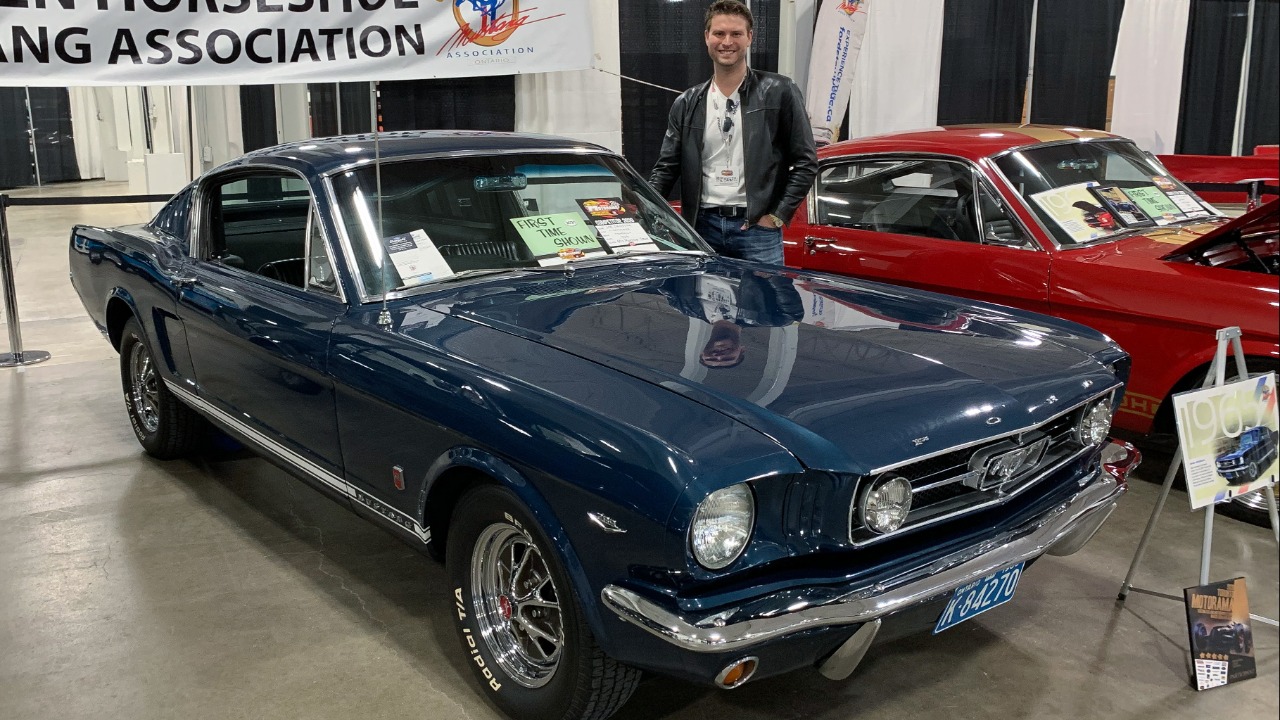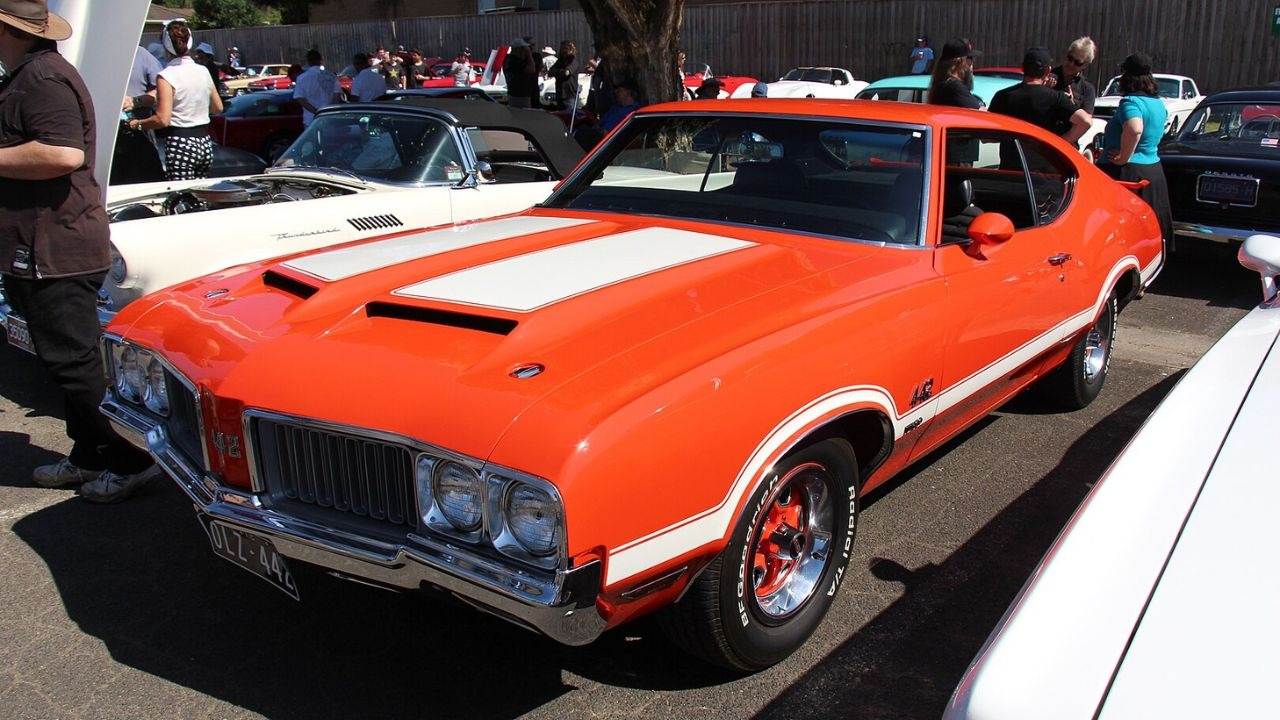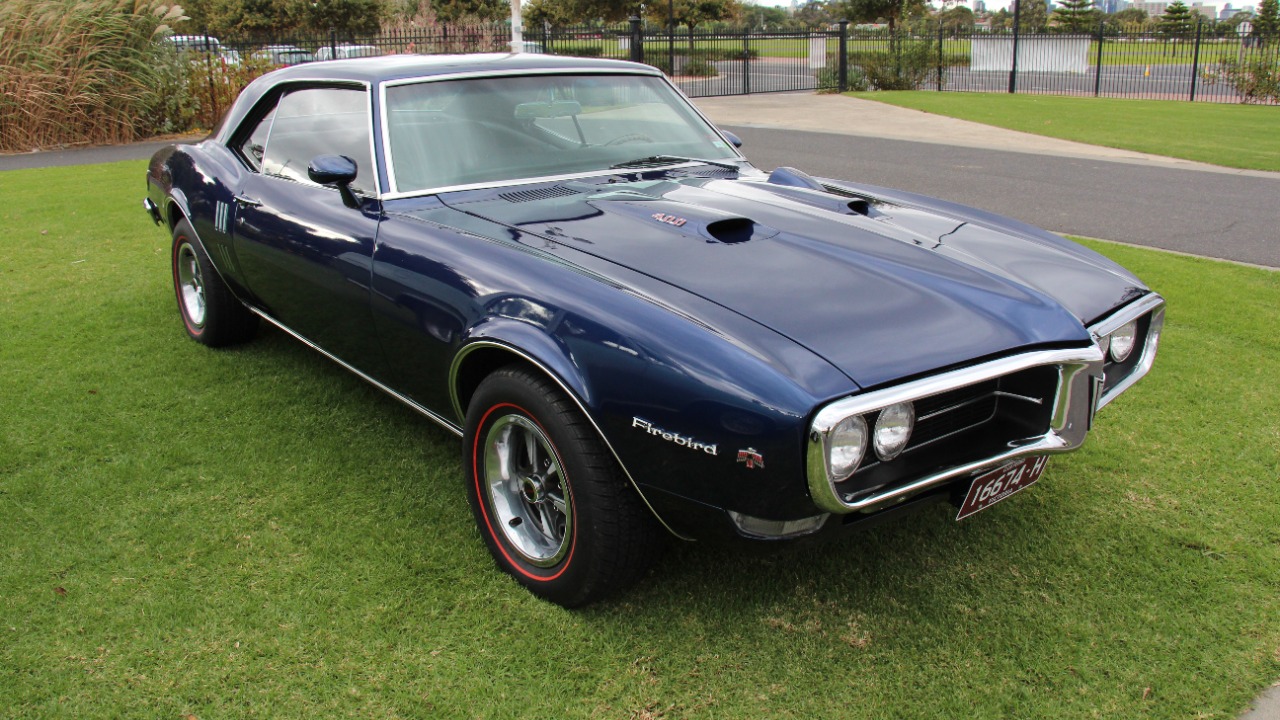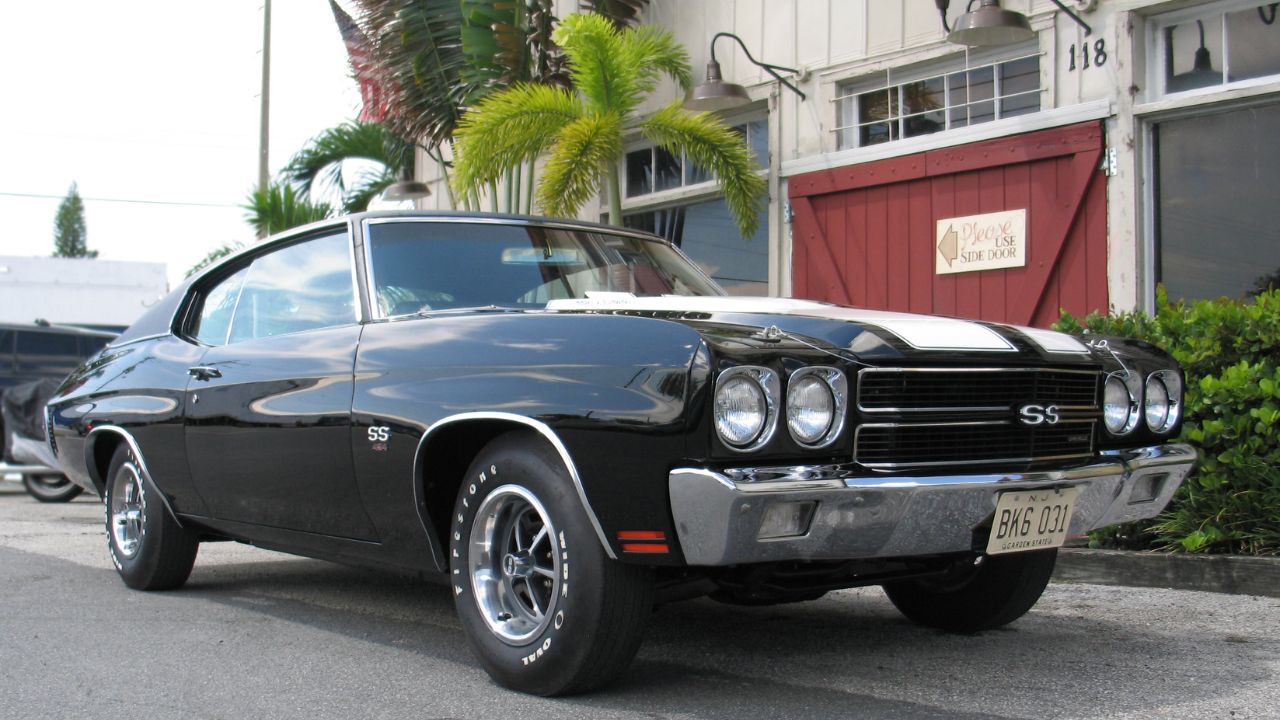
Classic American muscle cars from the 1960s now sit at the center of a surprising cultural and financial surge. Collectors, investors, and younger drivers increasingly chase these analog bruisers, treating them as both rolling nostalgia and hard assets in a digital age.
Values for well-documented examples keep climbing, specialist shops stay booked, and even mainstream automakers lean on retro cues that trace straight back to the golden era of big displacement and bold styling.
From nostalgia to asset class
Sixties muscle cars no longer live only in memory or weekend cruise nights, they now function as a distinct asset class. Collectors treat rare models like the 1969 Chevrolet Camaro Z/28 or 1970 Plymouth Hemi ’Cuda as alternative investments that can diversify portfolios and hedge against inflation. Auction data shows sustained demand for documented, numbers-matching cars, with headline sales that rival blue-chip art and vintage watches, and buyers increasingly scrutinize provenance, originality, and restoration quality before committing six or seven figures to a single car. Market analyses highlight how specific 1960s performance models now sit on “buy” lists for investors who once ignored the segment.
Financial interest does not only flow to the rarest halo cars. More attainable models, including small-block Mustangs and base Camaros, also show steady appreciation as enthusiasts get priced out of top-tier examples and shift their focus. That ripple effect lifts the entire category and encourages owners to restore cars that once seemed too common to justify major work. Analysts who track collector car indices note that 1960s American performance cars now move in step with broader collectible trends, and some reports flag them as relative bargains compared with European exotics despite similar growth curves, a pattern that supports the view of muscle cars as underpriced assets rather than fading relics.
Younger buyers rediscover analog thrills
The new wave of interest does not come only from aging Baby Boomers reliving their youth, younger buyers now chase 1960s muscle cars for very different reasons. Many grew up surrounded by crossovers and driver aids, so the raw, unfiltered feel of a carbureted V8 and a four-speed manual offers a novelty that modern performance cars cannot easily replicate. Social media clips of smoky burnouts and drag-strip launches help frame these cars as visceral experiences rather than museum pieces, and that framing resonates with drivers who value sensation over lap times. Surveys of enthusiast demographics show a rising share of Gen X and Millennial owners in the classic segment, and analysts link that shift to a broader search for analog hobbies in a screen-heavy culture.
Digital platforms also lower the barrier to entry for younger enthusiasts who lack local mentors or club networks. Online marketplaces, video tutorials, and enthusiast forums provide step-by-step guidance on everything from decoding fender tags to rebuilding drum brakes, which helps first-time buyers feel confident enough to tackle older hardware. Reporting on collector trends notes that younger owners often favor “driver-quality” cars over concours restorations, since they want to modify, road-trip, and share their experiences rather than chase trophies. That preference supports demand for solid but imperfect 1960s muscle cars and encourages a culture of use instead of static display, which keeps these machines visible on roads and feeds the cycle of interest.
Pop culture, streaming and the halo of authenticity
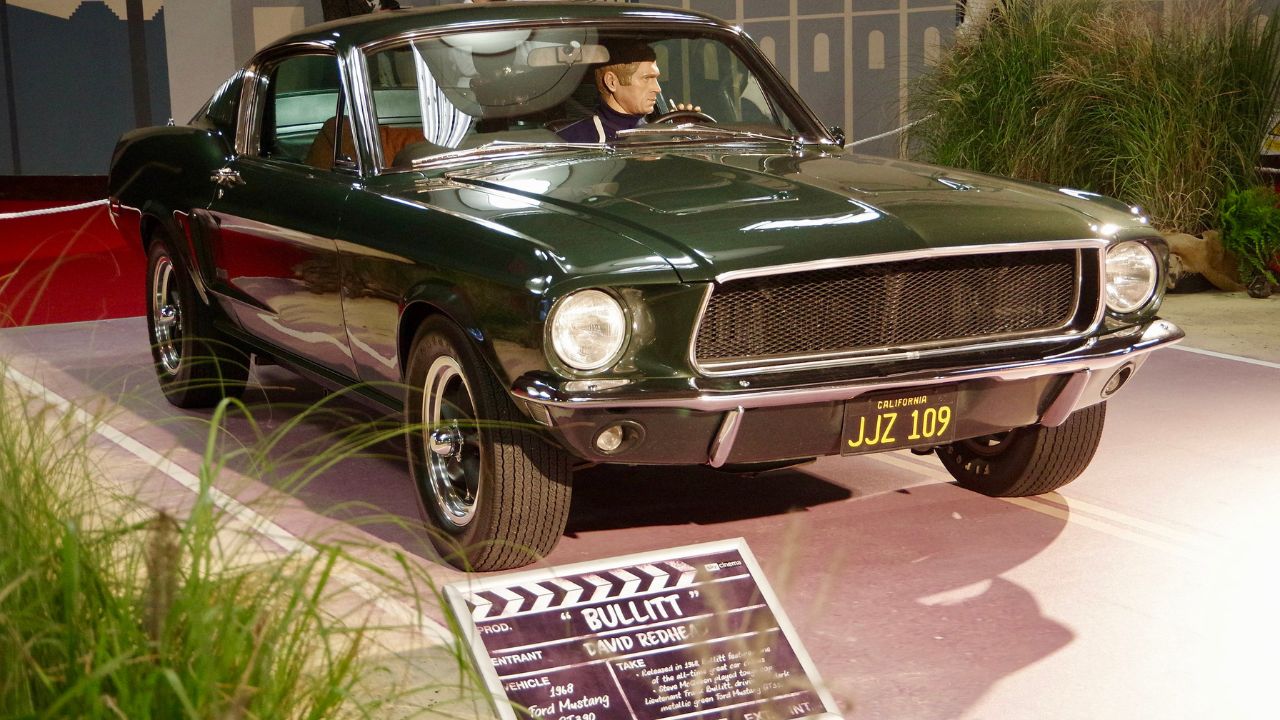
Pop culture has always shaped the image of muscle cars, but streaming platforms and gaming now amplify that influence in new ways. Iconic screen cars, such as the Highland Green 1968 Ford Mustang from “Bullitt” or the orange Dodge Charger from “The Dukes of Hazzard,” still anchor the mythology, yet modern franchises introduce 1960s hardware to audiences who never saw those original shows. High-profile film series and streaming originals frequently feature classic Chargers, GTOs, and Chevelles in chase scenes, and those appearances translate into search spikes and auction interest for the real cars. Analysts who track media impact on collector markets point to measurable bumps in valuation for specific models after prominent screen time, especially when producers highlight original body lines rather than heavily CGI-modified versions.
Video games and simulators also help younger players form attachments to 1960s muscle cars long before they can drive. Titles that let users tune a 1969 Dodge Charger R/T or a 1967 Camaro SS create a feedback loop between virtual and real-world enthusiasm, and some auction houses now cite gaming exposure as a factor in bidding behavior. At the same time, influencers and builders on platforms like YouTube and Instagram showcase long-form restoration series that emphasize authenticity, from sourcing correct trim pieces to matching factory paint codes. Those narratives position original or sympathetically restored cars as more desirable than over-customized builds, and market reports reflect that shift, with premium prices for cars that retain factory drivetrains and period-correct details compared with heavily modified examples.
Restomod tech and the daily-drivable classic
Modern technology quietly underpins much of the renewed interest, because it makes 1960s muscle cars easier to live with day to day. Restomod builders now install fuel injection, electronic ignition, overdrive transmissions, and upgraded cooling systems that improve reliability without erasing the character of the original car. Safety upgrades, including disc brakes, better tires, and three-point seatbelts, help owners feel comfortable driving on modern highways rather than trailering cars to shows. Industry coverage notes that shops specializing in these sympathetic upgrades report long waiting lists, and parts suppliers continue to expand bolt-on kits tailored to specific 1960s models, which signals sustained demand for usable classics rather than static collectibles.
Electric conversions also enter the conversation, although they remain a niche within the broader muscle car world. Some builders now offer EV swap packages for classic Mustangs and Camaros, replacing big-block engines with battery packs and electric motors while preserving original sheet metal and interior styling. Reports on these projects describe mixed reactions from purists, yet they also highlight new buyers who want vintage looks with zero tailpipe emissions and instant torque. Market observers stress that traditional V8-powered cars still dominate values and auction headlines, but they acknowledge that restomod and EV builds expand the audience and keep 1960s silhouettes relevant in cities that tighten emissions rules. That blend of old and new helps muscle cars bridge regulatory and cultural shifts that might otherwise sideline them.
Limited supply, rising regulation and the scarcity effect
Underlying the renewed demand sits a simple economic reality, the supply of genuine 1960s muscle cars can only shrink. Many original cars already went to scrap yards during fuel crises or rusted away in harsh climates, and others now sit locked in collections that rarely sell. Surviving examples with original drivetrains and clean histories therefore command a scarcity premium, especially when they carry factory performance packages or rare color combinations. Auction reports and valuation guides repeatedly emphasize how documentation and low production numbers drive price gaps between superficially similar models, and they warn that buyers who chase clones or re-creations should not expect the same appreciation as owners of authenticated cars.
Regulatory pressure also shapes the market in less obvious ways. Modern emissions and safety standards make it difficult for automakers to build new cars with the same simplicity and character as 1960s muscle machines, so enthusiasts who want that experience must turn to the original hardware. Analysts who cover automotive policy note that tightening fleet-average emissions rules push manufacturers toward electrification and smaller turbocharged engines, which leaves a gap for classic V8s as symbols of a bygone era. At the same time, some cities introduce low-emission zones and congestion charges that complicate daily use of older cars, a trend that encourages owners to treat muscle cars as special-occasion vehicles rather than commuters. That shift reinforces their status as prized objects and can further concentrate demand on the best-preserved examples, since buyers who drive less often feel more comfortable paying a premium for quality.