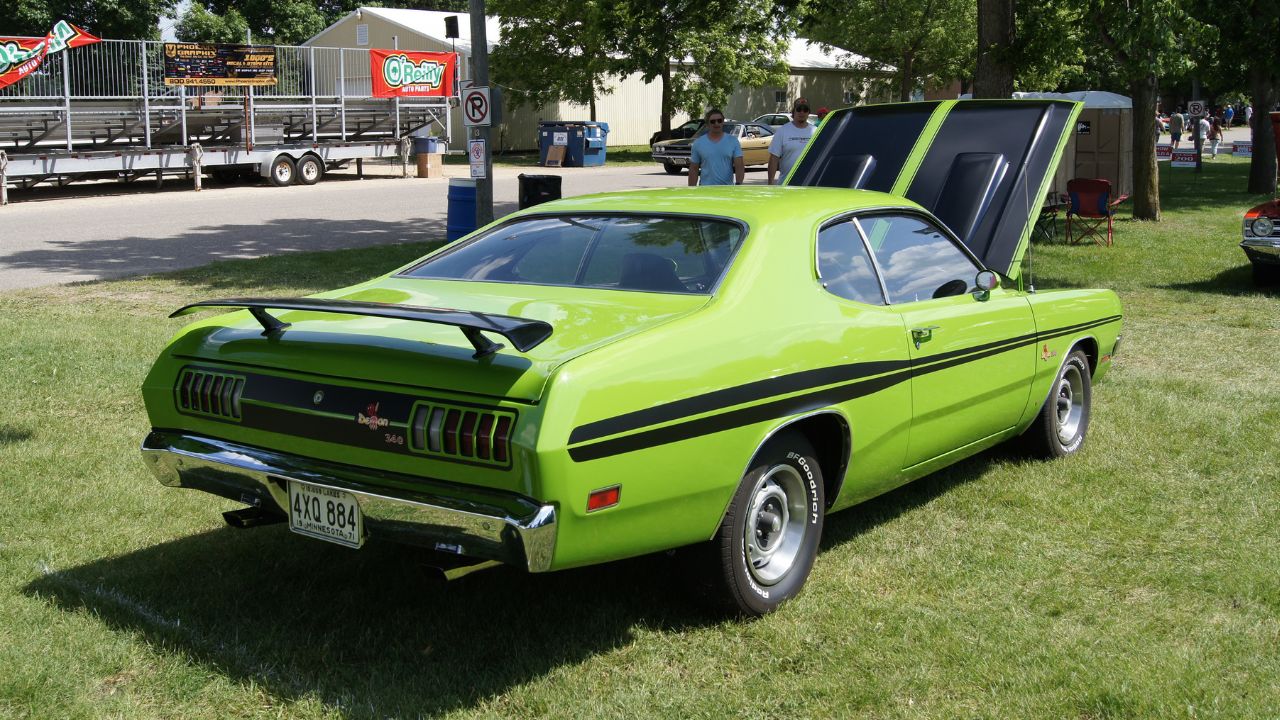
Collectors who once chased only Hemi ’Cudas and winged Daytonas now study option codes on four-door sedans and wagons. A younger wave of enthusiasts treats overlooked Mopars as attainable entries into serious muscle, reshaping values across the Chrysler spectrum.
New buyers, new budgets, and a shifting Mopar price ladder
Market watchers increasingly track how younger enthusiasts are redirecting attention from headline-grabbing Hemi cars toward more affordable Mopar iron. Many shoppers grew up priced out of high-profile E-bodies and B-bodies, so they now chase cars that still deliver authentic period character. Entry-level collectors often target small-block A-bodies, late B-body coupes, and even F-body survivors, because those platforms still sit within realistic budgets.
Price guides and auction data show how this shift affects the broader Mopar hierarchy, especially when buyers compare similar performance levels. Shoppers frequently discover that a 340-powered Duster or Demon offers comparable thrills to bigger nameplates for significantly less money. Enthusiasts then share those discoveries across forums and social channels, which encourages additional interest in these once-overlooked models.
From barn finds to driver builds, overlooked Mopars reward creativity
Many new buyers deliberately seek cars that invite upgrades rather than demand concours-correct restorations. Project-friendly Mopars, including sedans and wagons, let owners personalize drivetrains, interiors, and suspension without erasing huge factory value. Builders often start with solid but cosmetically tired shells, then combine crate engines, overdrive automatics, and modern brakes for reliable street performance.
Shops and home builders increasingly document these transformations, which encourages others to follow similar paths with nontraditional platforms. A 1970s B-body four-door can accept the same big-block or Gen III Hemi hardware as a coveted coupe, yet the initial purchase price stays far lower. Owners then enjoy the freedom to drive regularly, because they do not worry about eroding six-figure investments.
Why four-doors, wagons, and oddballs suddenly look attractive
Shoppers who once ignored four-door Mopars now recognize their shared mechanical DNA with more glamorous siblings. Many sedans and wagons left factories with identical engines, transmissions, and rear axles, which means they respond similarly to performance upgrades. Buyers also appreciate the practicality of extra doors and cargo space, especially when they want to involve family members in weekend events.
Online communities highlight quirky factory combinations that previously slipped under the radar, including big-block wagons and police-package sedans. These cars often feature heavy-duty cooling, suspension, and brakes, which provide strong foundations for modern drivetrains. As photos and build threads circulate, demand grows for cars that once languished in classified listings.
Documentation, decoding, and the hunt for hidden factory performance
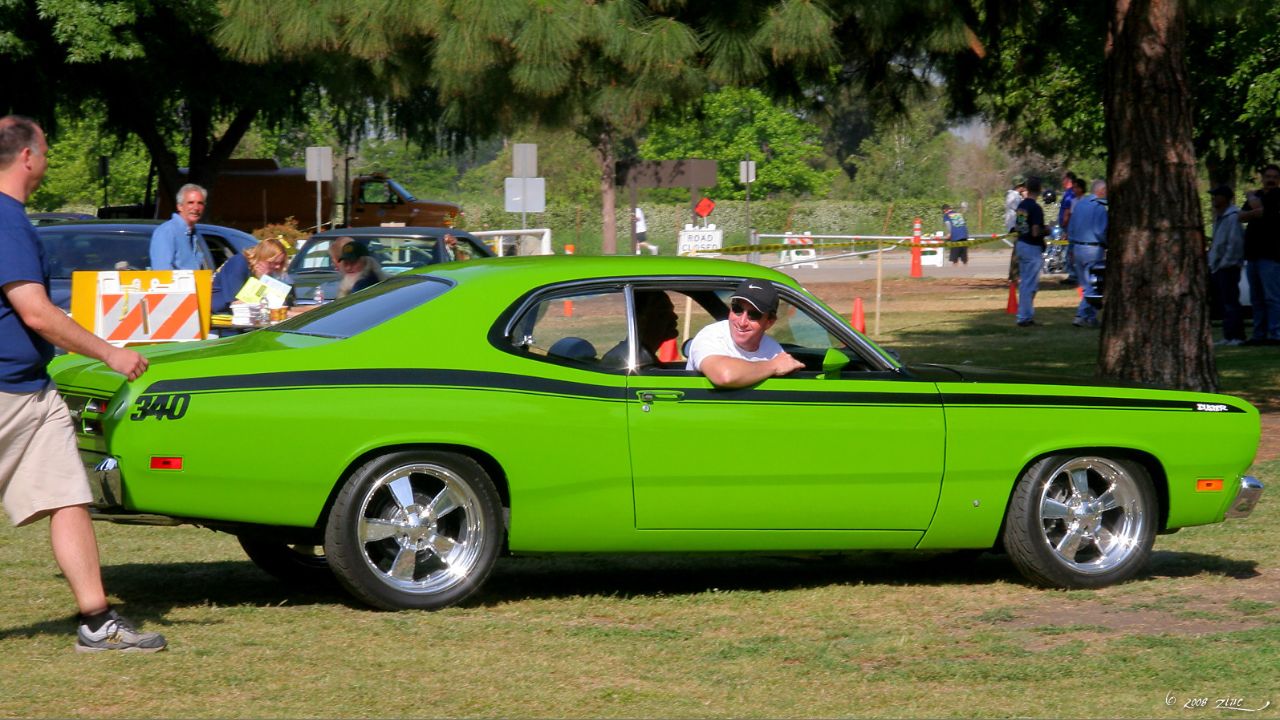
New Mopar buyers increasingly treat fender tags, broadcast sheets, and VIN stamps as treasure maps. They study option codes to uncover factory performance equipment that sellers sometimes overlook or undervalue. A car that appears ordinary at first glance can reveal rare axle ratios, handling packages, or engine upgrades once enthusiasts decode the paperwork.
Specialists and clubs publish detailed guides that help buyers verify matching-numbers drivetrains and original color combinations. Collectors then use that information to separate genuinely rare configurations from common builds wearing incorrect badges. This documentation-driven approach rewards patient research and encourages buyers to explore less obvious models where hidden performance options still surface.
Modern powertrains and restomod culture reshape Mopar desirability
Restomod builders increasingly view overlooked Mopars as ideal canvases for late-model Hemi swaps and modern chassis technology. These platforms often cost less than high-profile muscle cars, which leaves more budget for engines, transmissions, and suspension kits. Builders can install fuel-injected powertrains, electronic overdrives, and upgraded rear ends while still staying within realistic project costs.
Aftermarket companies respond by expanding support for A-body, B-body, and F-body applications, including bolt-in K-members and coilover conversions. As parts availability improves, more enthusiasts feel comfortable tackling ambitious builds on cars that previously lacked strong catalog coverage. The resulting projects demonstrate how humble platforms can deliver contemporary performance with vintage style, which further boosts interest among younger buyers.
Social media, nostalgia, and the culture around “second-tier” Mopars
Digital platforms now shape how enthusiasts discover and value Mopars that rarely appeared in glossy print features. Influencers and grassroots builders showcase budget-friendly projects, which helps normalize four-door cruisers and driver-quality finishes. Viewers who grew up around family sedans and wagons often feel stronger emotional connections to these cars than to ultra-rare halo models.
Event organizers increasingly welcome patina-rich survivors and lightly modified drivers alongside high-end restorations. That inclusive atmosphere encourages owners of overlooked Mopars to participate, which strengthens community ties and reinforces demand. As more people see these cars on cruises and at local meets, the perception gap between “top-tier” and “second-tier” Mopars continues to narrow.