Balance of Performance (BoP) rules are a vital component of GT racing, ensuring that different car manufacturers and models compete on an even footing. By tweaking factors such as weight, power, and aerodynamics, BoP allows for competitive races without curbing technological progress. The necessity and impact of BoP in GT racing are significant, as they help maintain the sport’s integrity and excitement.
Understanding Balance of Performance (BoP)
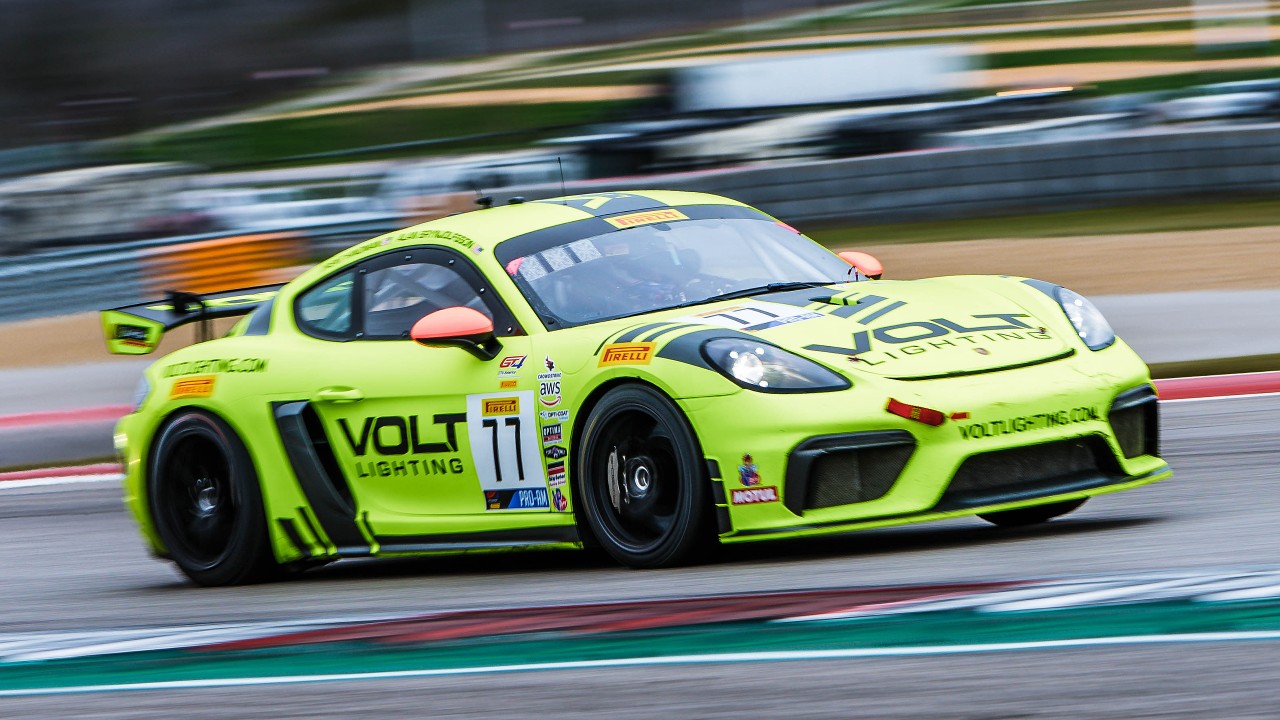
Balance of Performance (BoP) is a regulatory framework used in GT racing to equalize the performance levels of different car models and manufacturers. The primary role of BoP is to ensure that no single car or team gains a decisive advantage due to technological superiority. This is achieved by adjusting various performance-related parameters such as engine power, vehicle weight, and aerodynamic efficiency. BoP is crucial for creating a more competitive and engaging racing environment, allowing for a diverse range of vehicles to participate in the same race.
The origins of BoP can be traced back to the 1990s when disparities in car performance became increasingly evident. As manufacturers pushed the boundaries of technology, certain models began to dominate races, leading to calls for a more level playing field. Over time, BoP rules have evolved to address these challenges, adapting to technological advancements and shifting competitive landscapes. Today, BoP is a well-established aspect of GT racing, with governing bodies continually refining the rules to maintain fairness and excitement.
Key components of BoP include adjustments to a car’s weight, engine power, and aerodynamics. For instance, a car may be required to carry additional ballast to counteract an inherent speed advantage. Similarly, engine power may be restricted through the use of air restrictors or electronic control units. Aerodynamic adjustments, such as changes to wing angles or bodywork, can also be mandated to ensure parity among competitors. These adjustments are carefully calculated and implemented to maintain the competitive balance without compromising the integrity of the sport.
The Role of BoP in Ensuring Fair Competition
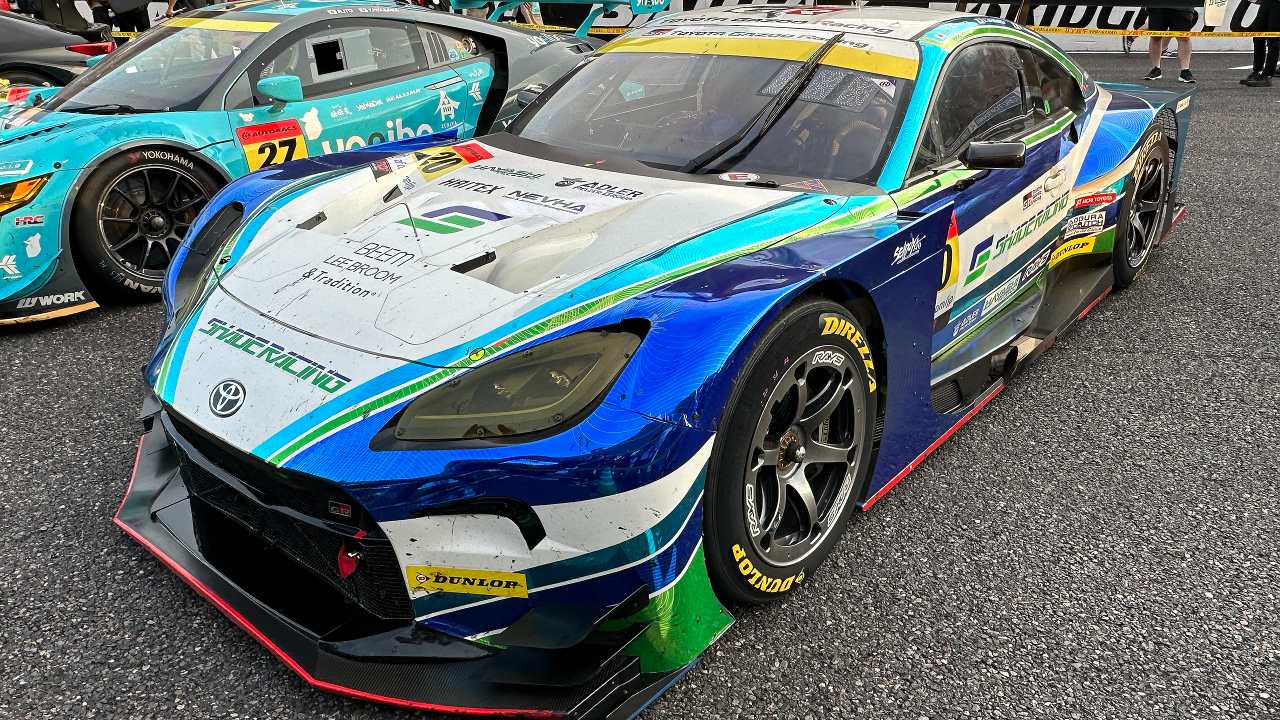
One of the primary objectives of BoP is to level the playing field, ensuring that no single manufacturer dominates due to technological superiority. By equalizing performance across different car models, BoP fosters a more exciting and unpredictable racing environment. This unpredictability is a key attraction for fans, as it increases the likelihood of close finishes and surprise victories. In essence, BoP allows for a diverse range of cars to compete on equal terms, enhancing the spectacle of GT racing.
BoP also encourages diversity within the sport by allowing various car models and manufacturers to compete. This diversity promotes technological innovation within defined parameters, as manufacturers strive to optimize their vehicles within the constraints of BoP regulations. By preventing any one team or manufacturer from monopolizing the podium, BoP helps maintain interest in the sport and attracts a broader audience. Moreover, BoP encourages manufacturers to experiment with different technologies and designs, contributing to the overall advancement of automotive engineering.
Another important aspect of BoP is its role in avoiding cost escalation. Without BoP, manufacturers might engage in an arms race, pouring significant resources into developing ever-faster and more advanced cars. This could lead to unsustainable spending and potentially drive smaller teams out of the sport. By keeping performance levels in check, BoP helps control costs, ensuring that GT racing remains accessible to a wide range of competitors. This approach not only preserves the integrity of the sport but also ensures its long-term sustainability.
Challenges and Criticisms of BoP
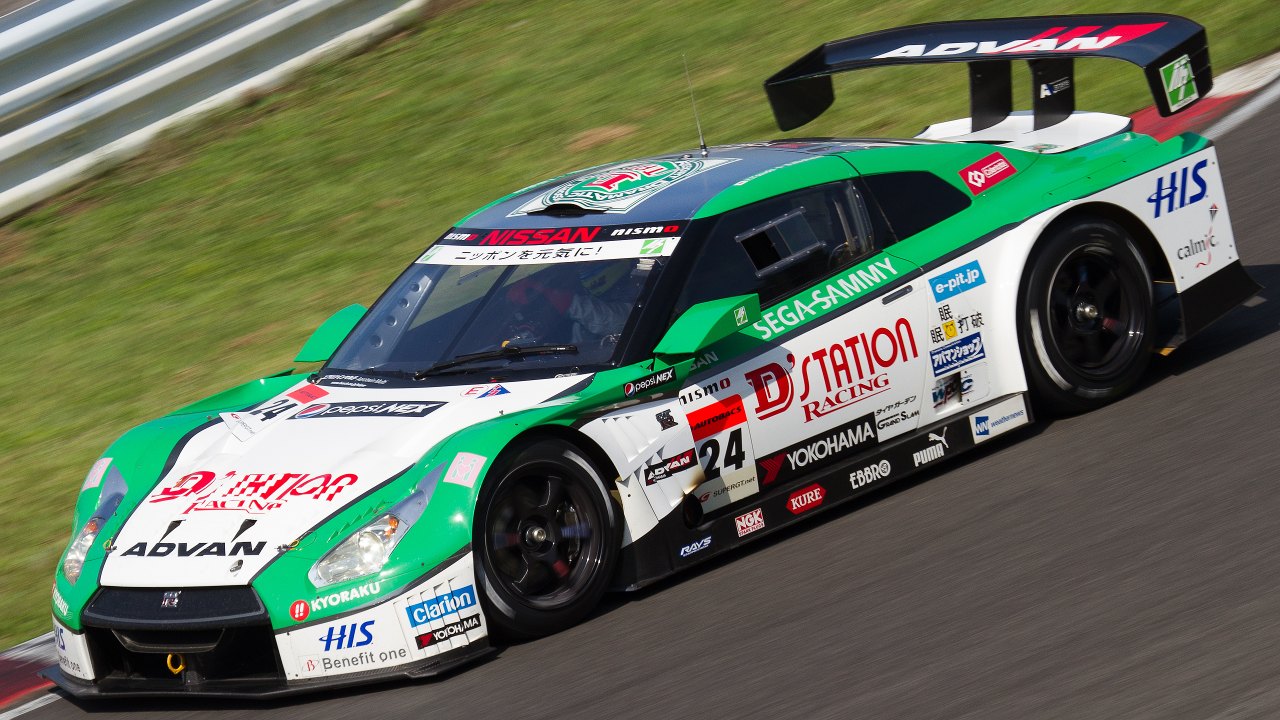
Despite its benefits, BoP is not without its challenges and criticisms. One of the main issues is the subjective nature of BoP adjustments, which can lead to disputes and controversy. Determining the precise adjustments needed to equalize performance is a complex task, often requiring a degree of trial and error. This process can be perceived as lacking transparency, leading to accusations of favoritism or bias. To address these concerns, governing bodies must strive to implement BoP rules in a fair and transparent manner, ensuring that all stakeholders are informed and involved in the decision-making process.
BoP also impacts team strategies, influencing decisions on car setup, race tactics, and overall competition approach. While some teams embrace these challenges, others argue that BoP can stifle creativity and innovation, limiting their ability to fully exploit their technical capabilities. This debate highlights the fine line between regulating performance and encouraging technological advancement. Ultimately, BoP must strike a balance between these competing interests, ensuring that the sport remains both fair and innovative.
The challenge of balancing innovation and regulation is a constant theme in the world of GT racing. As new technologies emerge, BoP rules must evolve to accommodate these advancements without undermining the competitive balance. This requires ongoing dialogue between manufacturers, teams, and governing bodies, as well as continuous refinement of BoP methodologies. By maintaining this balance, GT racing can continue to thrive as a dynamic and exciting sport.
The Future of BoP in GT Racing

As technology continues to evolve, so too must BoP regulations. Future advancements in areas such as hybrid powertrains, aerodynamics, and data analysis are likely to impact the implementation of BoP rules. These developments could lead to more precise and effective adjustments, further enhancing the competitiveness of GT racing. Additionally, as the sport embraces new technologies, BoP will play a crucial role in ensuring that these innovations are integrated in a way that maintains fairness and excitement.
The evolving nature of racing dynamics and car technologies will also necessitate changes in BoP regulations. As teams and manufacturers adapt to new challenges, governing bodies must remain vigilant in updating BoP rules to reflect the latest developments. This requires a proactive approach, with regular reviews and consultations to ensure that BoP remains relevant and effective. By staying ahead of the curve, GT racing can continue to attract new fans and participants, securing its place in the world of motorsport.
BoP in GT racing also has the potential to influence other motorsport categories and the broader automotive industry. As manufacturers develop technologies to meet BoP requirements, these innovations may find applications in other racing disciplines or even in consumer vehicles. This cross-pollination of ideas and technologies can drive progress across the automotive sector, benefiting both racing and everyday driving. By fostering a culture of innovation within defined limits, BoP can contribute to the ongoing evolution of motorsport and the automotive industry as a whole.
Case Studies and Real-World Examples
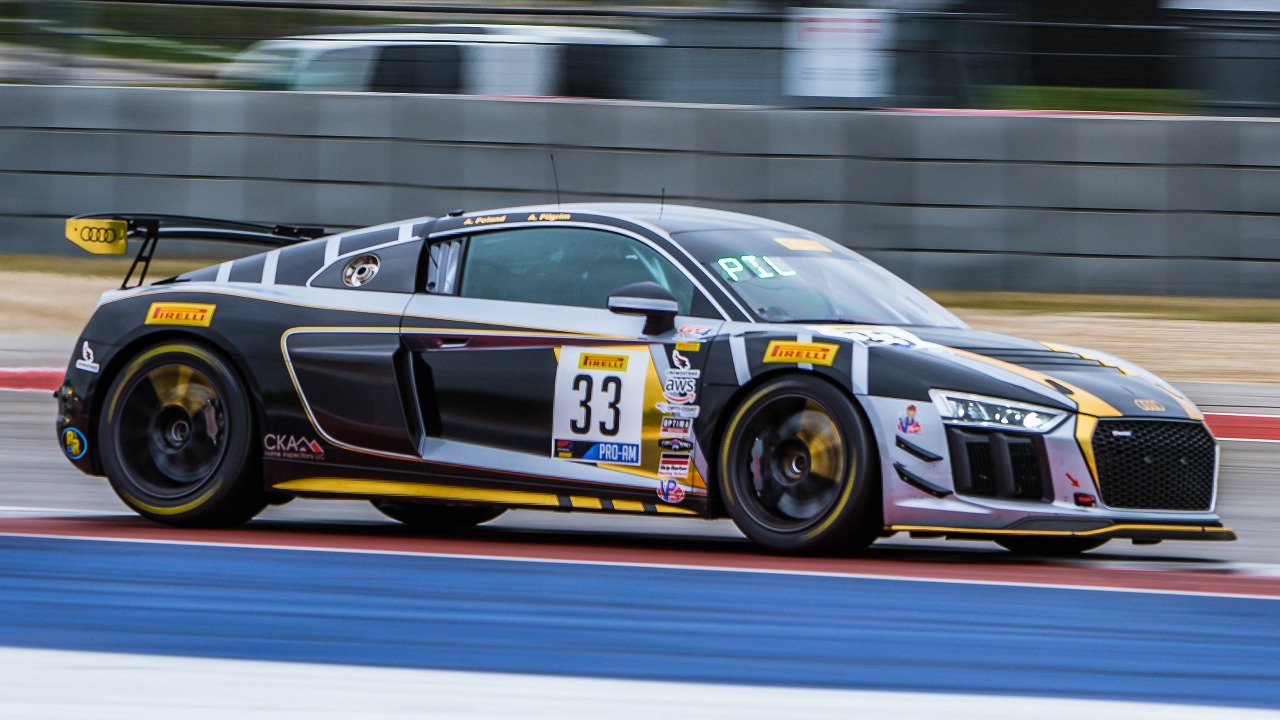
Throughout the history of GT racing, there have been numerous notable examples of BoP adjustments and their impact on race outcomes. For instance, the 2016 Le Mans 24 Hours saw significant BoP adjustments for the Ford GT, which returned to the race after a long absence. The adjustments were aimed at ensuring that the Ford GT could compete on equal terms with established competitors such as Ferrari and Porsche. The result was a thrilling race that saw the Ford GT claim victory in the GTE-Pro class, demonstrating the effectiveness of BoP in creating exciting and competitive races.
Feedback from manufacturers and teams regarding BoP rules is varied, with some praising the regulations for maintaining competitive balance, while others express frustration over perceived inconsistencies. For example, in the 2023 GT World Challenge Europe, some teams voiced concerns over the BoP adjustments made to their vehicles, arguing that the changes hindered their performance. These reactions highlight the ongoing debate over the fairness and effectiveness of BoP, as well as the need for continuous dialogue and collaboration between all stakeholders.
Lessons learned from past BoP implementations continue to inform current and future practices in GT racing. By analyzing the successes and challenges of previous adjustments, governing bodies can refine their methodologies and improve the accuracy and fairness of BoP rules. This iterative process ensures that GT racing remains a dynamic and competitive sport, capable of adapting to new challenges and opportunities. As the sport continues to evolve, BoP will remain a cornerstone of GT racing, ensuring that it remains both fair and exciting for competitors and fans alike.
Like Fast Lane Only’s content? Be sure to follow us.
Here’s more from us:
*Created with AI assistance and editor review.