

In recent years, the automotive landscape has undergone a significant transformation with the rise of plug-in hybrid vehicles (PHEVs). As consumers become more environmentally conscious and seek efficient energy solutions, PHEVs offer a compelling balance between traditional combustion engines and fully electric vehicles. With a diverse range of choices, these vehicles are increasingly capturing the attention of buyers looking for sustainable yet practical options.
Environmental Benefits
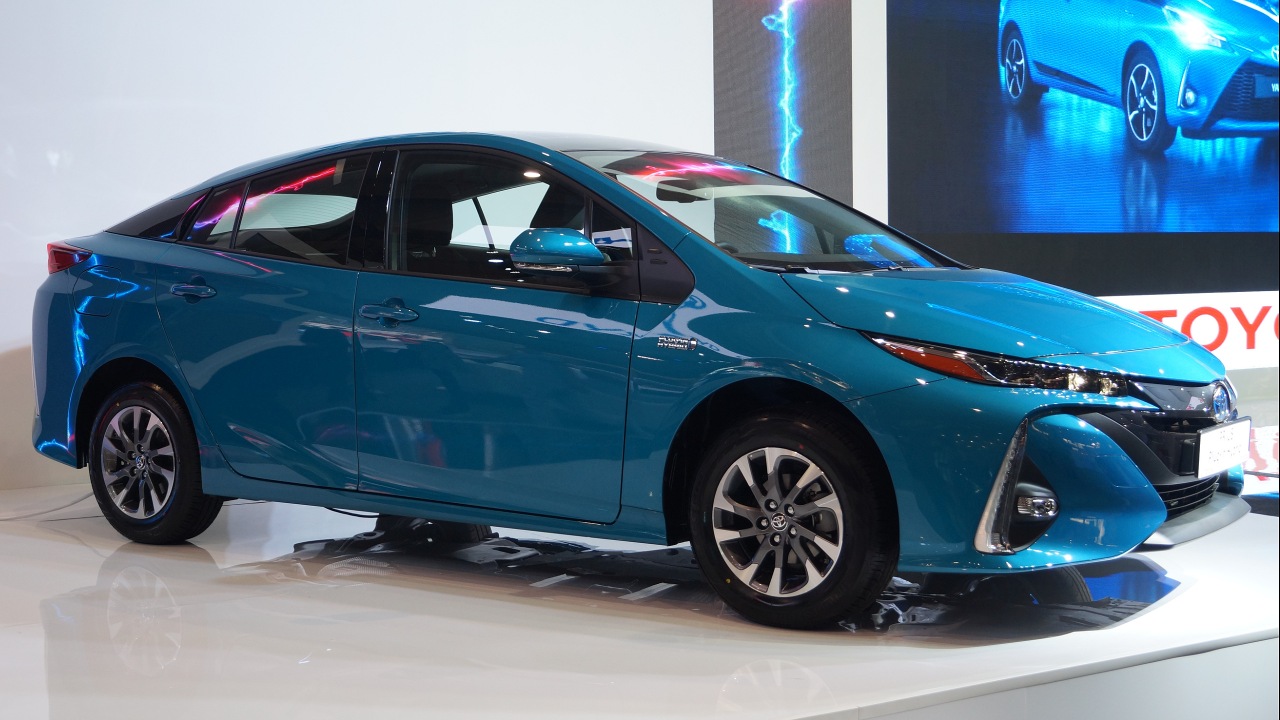
One of the primary reasons buyers are gravitating towards plug-in hybrids is the environmental benefit of reduced carbon emissions. Unlike traditional internal combustion engine vehicles, PHEVs can operate on electric power for short distances, significantly lowering the emissions produced during these commutes. For eco-conscious consumers, this feature is particularly appealing as it aligns with their desire to minimize their carbon footprint. For instance, the Toyota Prius Prime combines a gasoline engine with an electric motor, allowing it to achieve remarkable efficiency and lower emissions.
Furthermore, PHEVs serve as a transitional vehicle on the path to sustainable energy. While fully electric vehicles (EVs) represent the future of zero-emission driving, the current infrastructure and consumer readiness vary globally. Plug-in hybrids bridge this gap by offering a practical alternative that reduces fossil fuel dependence while still benefiting from electric power. This transitional nature is complemented by regulatory incentives in many countries, where governments provide tax breaks and subsidies for purchasing lower-emission vehicles. In the United States, for instance, the federal tax credit for PHEVs can be as much as $7,500, making them an attractive option financially as well.
Cost Efficiency
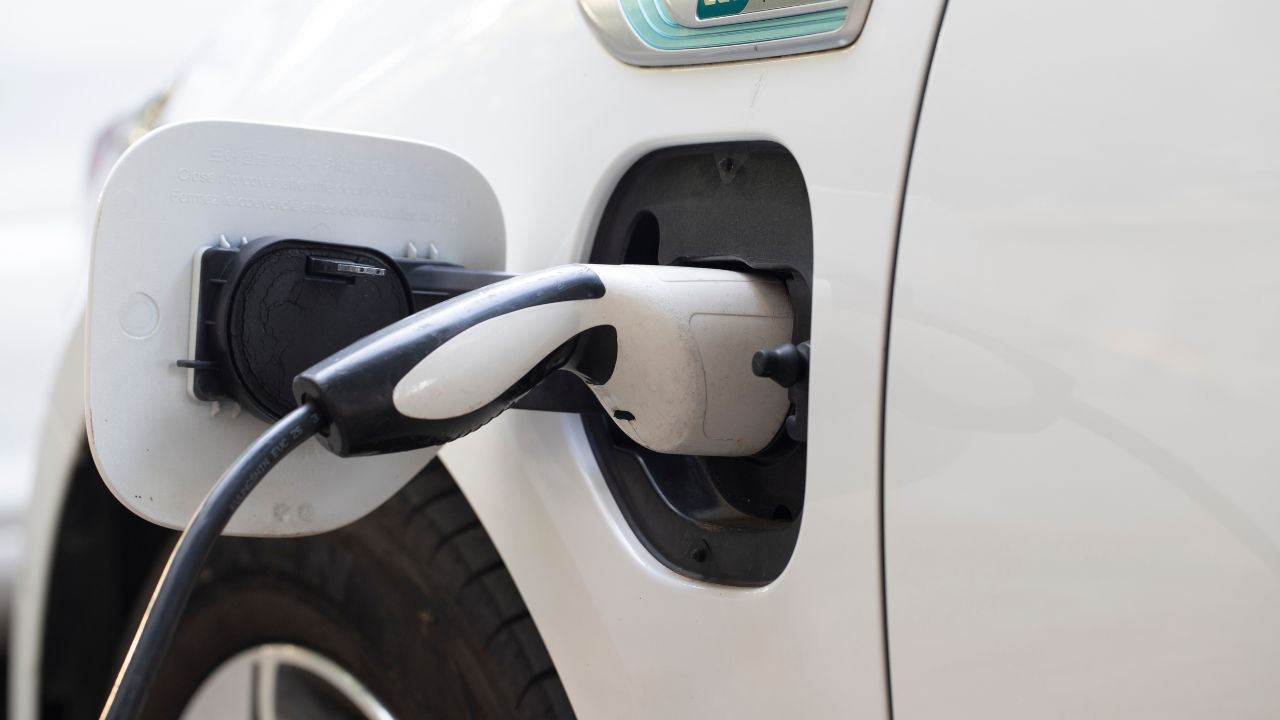
Cost efficiency is another driving factor behind the popularity of PHEVs. While the initial purchase price of a plug-in hybrid may be higher compared to traditional vehicles, the long-term savings on fuel and maintenance make them a financially sound investment. By utilizing electric power for short trips, drivers can significantly reduce their fuel expenses. Popular models like the Chevrolet Volt have demonstrated how effective this can be, with many drivers reporting substantial savings over the life of the vehicle.
The financial appeal extends to the long-term investment potential of PHEVs. As the demand for eco-friendly vehicles continues to grow, so does the resale value of these cars. According to automotive market analysis, PHEVs tend to retain their value better than conventional vehicles. This is partly due to the increasing market awareness and desire for sustainable options. Additionally, the reduced wear and tear on the engine, thanks to the electric motor assistance, often results in lower maintenance costs over the vehicle’s lifespan.
Flexibility and Convenience
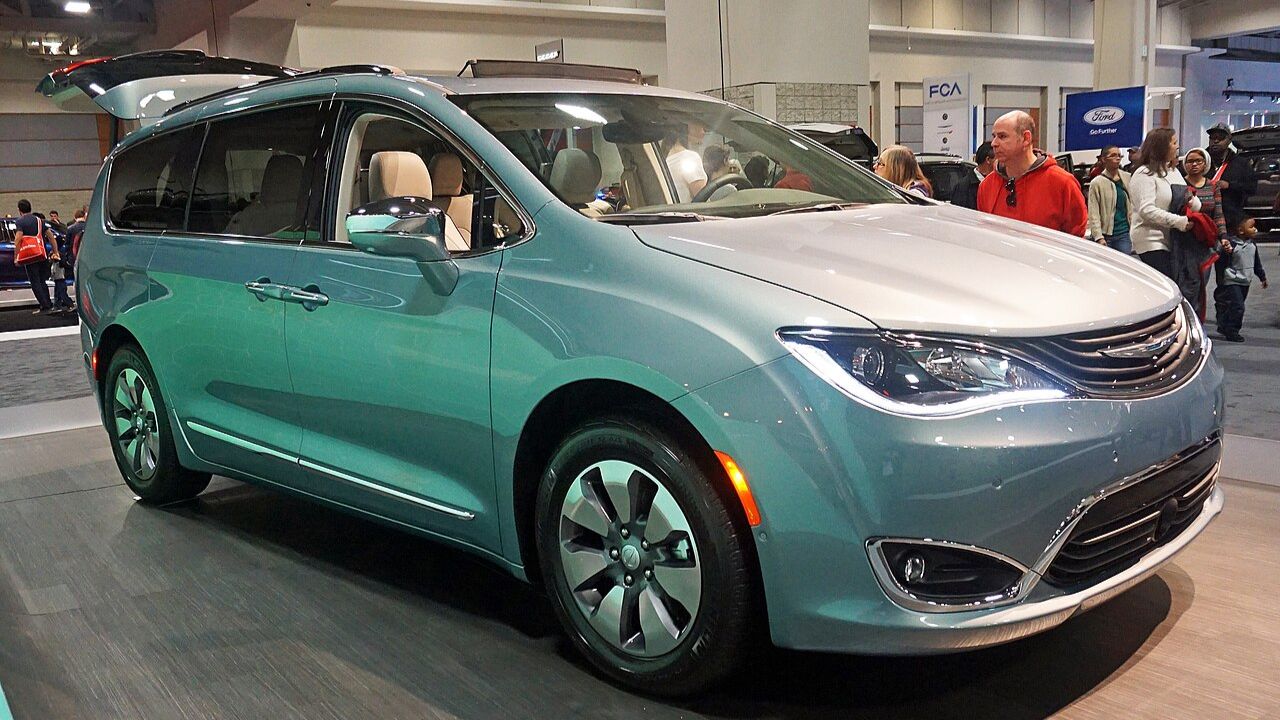
Plug-in hybrids offer unparalleled flexibility and convenience, making them a practical choice for a wide range of drivers. The dual power sources—electric and gasoline—provide the best of both worlds. Drivers can enjoy the benefits of electric driving for short trips and switch to gasoline for longer journeys without the anxiety of running out of power. This flexibility is especially beneficial in regions where charging infrastructure is still developing. For instance, the Honda Clarity PHEV is known for its seamless transition between power sources, providing a hassle-free driving experience.
Charging options further enhance the convenience of owning a PHEV. Home charging stations allow users to charge their vehicles overnight, ensuring a full battery each morning. At the same time, the ability to refuel at traditional gas stations offers a level of reassurance that fully electric vehicles cannot yet match. As the charging infrastructure continues to expand, this dual capability makes PHEVs an attractive proposition for many potential buyers who require both urban efficiency and the ability to travel long distances without interruption.
Technological Advancements
The technological advancements in PHEVs are another strong selling point for consumers. Improved battery technology has significantly enhanced the performance and range of these vehicles. For example, the Ford Escape PHEV now boasts a larger battery capacity, allowing for extended electric-only driving ranges. This improvement not only increases the efficiency of the vehicle but also contributes to the overall reduction in emissions.
Innovative features such as regenerative braking and smart energy management systems set PHEVs apart from traditional vehicles. Regenerative braking recaptures energy typically lost during braking and uses it to recharge the battery, further extending the vehicle’s electric range. Additionally, many modern PHEVs integrate seamlessly with smart home systems and mobile apps, such as the Tesla app, which allows users to monitor charging status and plan routes efficiently. These technological integrations create a more engaging and interactive experience for the driver.
Consumer Appeal
The diverse range of models and styles available in the PHEV market caters to various consumer preferences, enhancing their appeal. From compact cars to SUVs, there is a plug-in hybrid option for nearly every type of driver. The Mitsubishi Outlander PHEV, for example, offers the spaciousness and capability of an SUV while maintaining an eco-friendly profile. This versatility ensures that consumers do not have to compromise on their desired vehicle type when opting for a more sustainable choice.
Furthermore, established automakers are increasingly investing in PHEV technology, providing consumers with trusted brands and reliable vehicles. Brands like BMW, with their 330e model, are showcasing their commitment to innovation and sustainability. This investment not only builds consumer trust but also enhances the reputation of PHEVs as a viable and desirable option. The positive driving experience associated with these vehicles—characterized by the quiet, smooth operation of electric driving combined with the reassurance of a gasoline engine when needed—further solidifies their place in the modern automotive landscape.
More from Fast Lane Only:
- Unboxing the WWII Jeep in a Crate
- The Fastest Farm Truck Ever Built
- 10 Old Trucks That Were Built Like Tanks
- 12 Classic muscle cars still within reach for budget buyers
*Created with AI assistance and editor review.





Leave a Reply