Classic trucks have transcended their utilitarian roots to become symbols of American culture. Certain models have earned iconic status, often without any deliberate marketing effort, reflecting a deep connection to our collective history and identity.
Historical Significance
The role of classic trucks in American agriculture and industry cannot be overstated. They were essential tools for farmers and laborers, facilitating the transport of goods and materials across the vast American landscape. For example, the Ford F-Series, which debuted in 1948, quickly became the backbone of rural America, providing farmers with the reliability they needed during the post-war agricultural boom. This truck didn’t just serve a functional purpose; it represented hope and progress during a time of economic recovery.
Specific models often reflected the socio-economic conditions of their time. During the Great Depression, trucks like the Chevrolet 3100 were designed to be affordable and durable, catering to a population in need of practical solutions. These vehicles were not just machines; they embodied the resilience of the American people during tough times. They played a significant role in the war effort during World War II as well, with manufacturers repurposing production lines to create military vehicles, further embedding trucks into the fabric of American history.
Design and Aesthetic Appeal
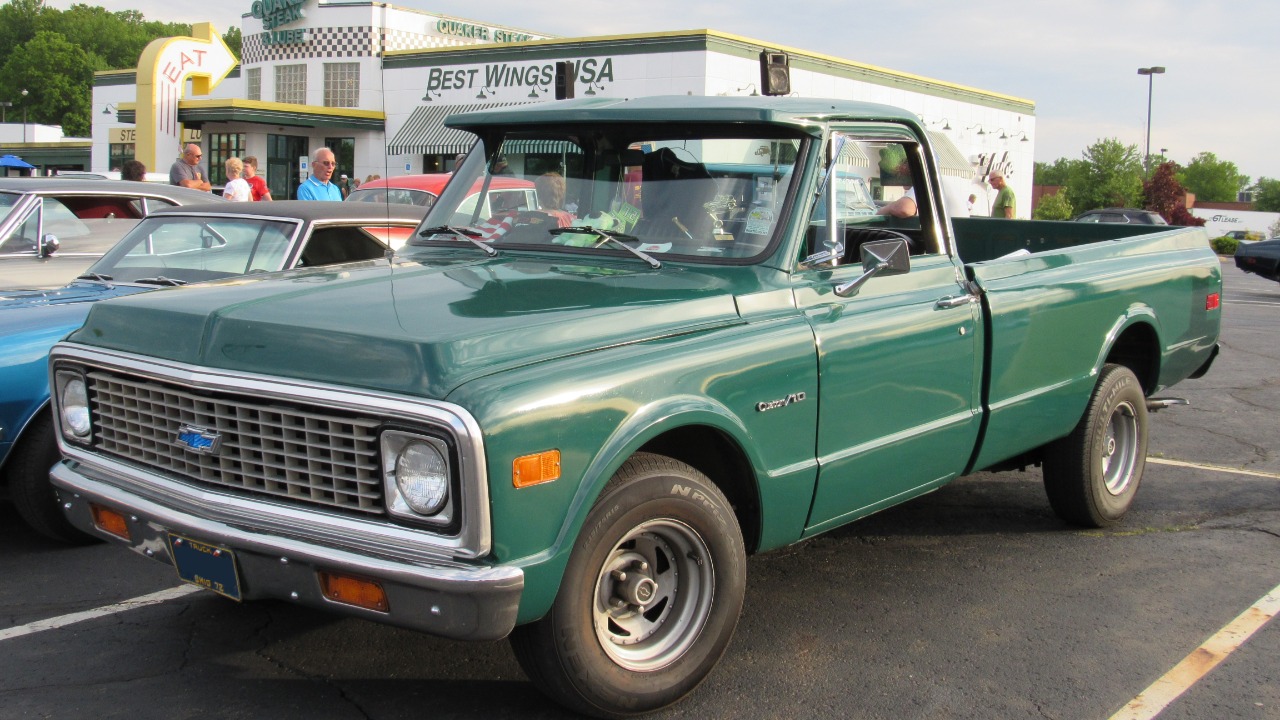
Timeless design elements have contributed significantly to the appeal of classic trucks. The sweeping curves and bold lines of the Chevrolet C10, for instance, have a certain charm that resonates with both collectors and casual admirers alike. The aesthetic appeal of these trucks is often enhanced by unique features, such as the iconic “bowtie” emblem or the distinct grille designs that differentiate models like the Ford F-100 and Dodge D-Series. These visual elements have stood the test of time, creating a sense of nostalgia that draws enthusiasts back to an era of American craftsmanship.
The nostalgia factor associated with classic truck designs is another powerful reason for their iconic status. Many individuals have fond memories tied to these vehicles, whether it’s a family road trip in a 1970s Ford Bronco or weekend adventures in a 1966 Toyota Land Cruiser. This emotional connection is often further reinforced by the craftsmanship that went into building these trucks, often reflecting a time when vehicles were made to last and designed with care. The connection to American craftsmanship not only adds to their desirability but also elevates them to the status of cultural artifacts.
Community and Cultural Identity
Classic trucks have a unique ability to foster a sense of community among enthusiasts and collectors. Events like truck shows and meet-ups bring together individuals who share a passion for these vehicles, creating bonds that go beyond mere ownership. For instance, the annual SCTA Classic Truck Show showcases a wide array of classic trucks while providing a platform for enthusiasts to share stories, swap parts, and even restore vehicles together. This sense of camaraderie is a significant part of what makes owning a classic truck so rewarding.
Furthermore, classic trucks represent rugged individualism and the American spirit. Many truck owners feel a deep connection to the ideals of independence and self-reliance that these vehicles symbolize. Whether it’s a hard-working Chevrolet Silverado or a vintage Ford Ranger, these trucks embody the ethos of taking on challenges and forging one’s path, illustrating the narratives of their owners through the stories they carry. Anecdotal tales from truck owners often highlight how their vehicles have been a part of life’s milestones, enhancing their emotional connection to the trucks.
Media Representation and Popularity
The influence of movies, television, and music has played a significant role in elevating certain truck models to iconic status. Films like “Smokey and the Bandit” featuring the Pontiac Trans Am or “The Fast and the Furious” series showcasing various truck models have solidified these vehicles in popular culture. The ruggedness and versatility of trucks have made them a staple in storytelling, capturing the imagination of audiences and creating aspirational narratives around the lifestyle they represent.
Interestingly, the lack of aggressive advertising for some classic trucks has inadvertently contributed to their legendary status. Take the Jeep Wrangler, for example; its reputation as an off-road vehicle has grown largely through word-of-mouth and a loyal community rather than a flashy marketing campaign. Social media has continued to amplify this trend, enabling enthusiasts to share their restoration projects and adventures, which further enhances the desirability and cultural relevance of these iconic vehicles.
Durability and Versatility
Engineering and manufacturing quality have ensured the longevity and reliability of many classic trucks. Models like the Toyota Hilux, known for its indestructibility, have gained a reputation for being able to withstand the test of time, making them incredibly appealing to collectors. The durability of these trucks means they are not only relics of the past; they continue to serve practical purposes today, whether as workhorses for farmers or as daily drivers in urban settings.
Moreover, the versatility of these trucks—from workhorse to weekend cruiser—appeals to diverse audiences. The Ford F-150, for instance, is not only used for heavy lifting on construction sites but is also a popular choice for families looking for a reliable vehicle for school runs and weekend camping trips. This adaptability aligns perfectly with modern trends in sustainability and DIY culture, where many people are looking for vehicles that can serve multiple purposes while being eco-friendly.
Legacy and Collectibility
Several factors contribute to the collectibility of classic trucks, including rarity and restoration potential. Models such as the 1969 Chevrolet C10 or the 1973 Ford F-100 are highly sought after, often commanding high prices at auctions. The restoration community thrives on these vehicles, with enthusiasts investing time and money to bring them back to their former glory. This restoration process not only preserves history but also adds a personal touch, with many owners customizing their trucks to reflect their unique tastes and stories.
The impact of classic trucks on current automotive trends and the vintage market is undeniable. Many manufacturers are drawing inspiration from these classic designs in their modern vehicles, as evidenced by the retro styling of the new Ford Bronco and the revival of the Jeep Wagoneer. The ongoing legacy of iconic models influences contemporary truck design, ensuring that their spirit lives on in the vehicles we see on the roads today.
In summary, classic trucks have carved out a unique niche in American culture, earning their iconic status through historical significance, aesthetic appeal, community connections, media representation, durability, and collectibility. Each of these factors contributes to a narrative that transcends mere functionality, making these vehicles essential to the American story.