
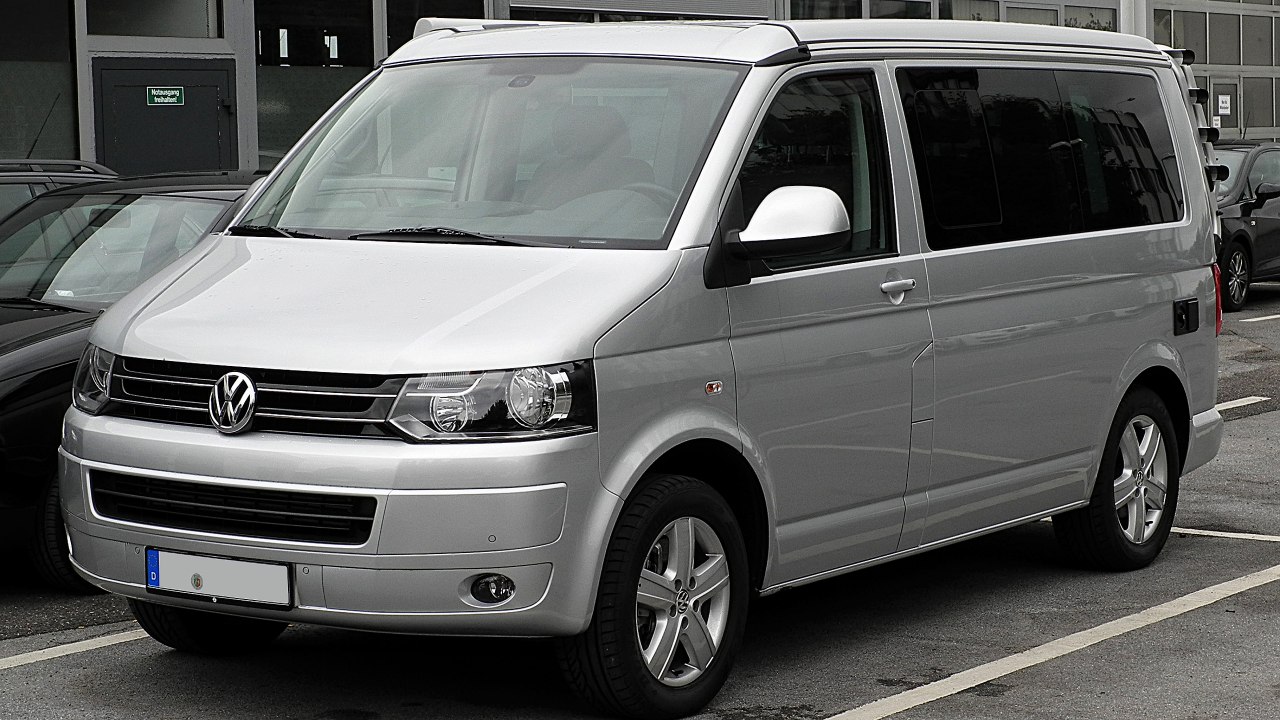
The classic Volkswagen (VW) bus, an emblem of freedom and counterculture, has captured the hearts of enthusiasts worldwide. Its distinct design and storied past have propelled it from a simple mode of transportation to a symbol of individuality and adventure. The elements that have contributed to its enduring cult status globally are as varied as the people who cherish it.
The Birth of a Cultural Icon
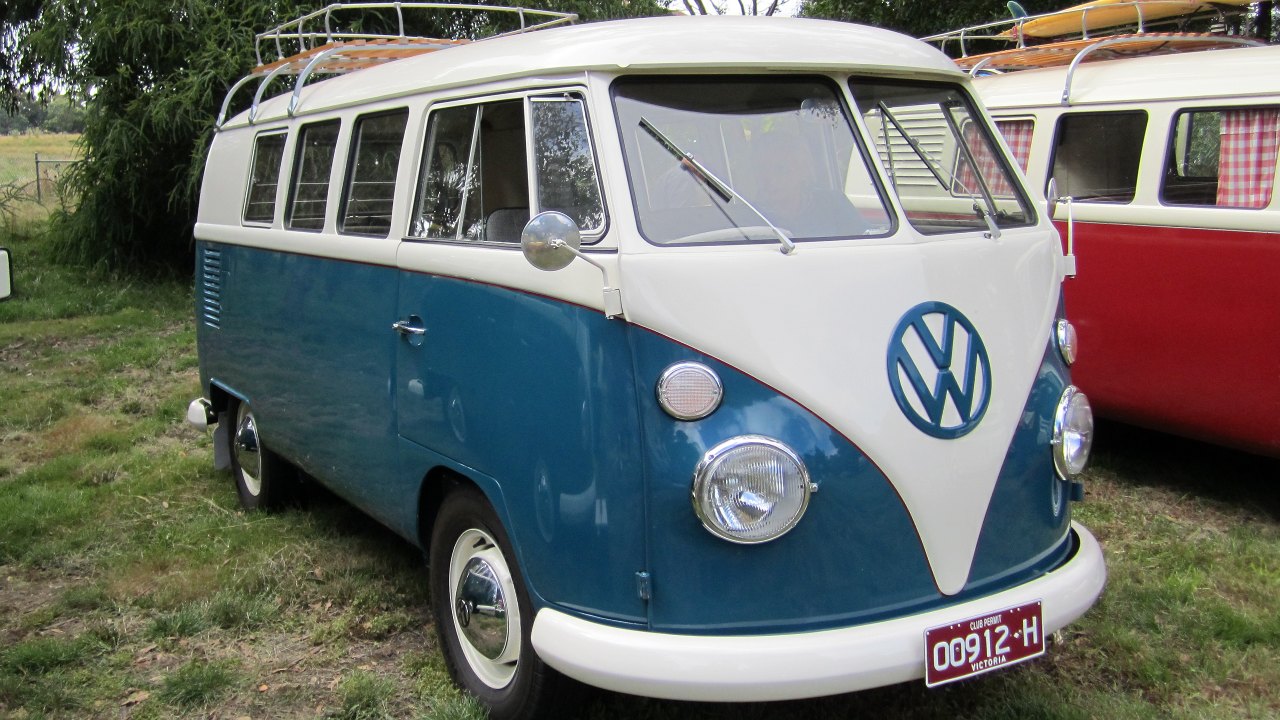
The VW bus, officially known as the Volkswagen Type 2, was introduced in 1950. It was the brainchild of Dutch businessman Ben Pon, who envisioned a vehicle that could transport goods efficiently in post-war Europe. The Type 2 was a departure from the traditional car design, featuring a boxy shape and a rear-mounted engine. This design not only maximized interior space but also gave the bus its distinctive look, which would become iconic in the decades to follow.
During the 1960s and 70s, the VW bus became synonymous with the counterculture movements of the era. It was embraced by hippies and activists who valued its affordability and spaciousness, which made it ideal for long road trips and communal living. The bus was often seen at music festivals, protests, and gatherings, becoming a mobile symbol of peace and freedom. Its role in these social movements cemented its place in cultural history.
The VW bus’s presence in popular media further enhanced its iconic status. It appeared in numerous films and television shows, often associated with characters who embodied a free-spirited lifestyle. In music, bands like The Grateful Dead and The Beach Boys featured the bus in their imagery, linking it to the era’s soundtrack. This exposure in various forms of media helped to solidify the VW bus as a cultural icon, recognized and beloved worldwide.
Design and Engineering Marvel
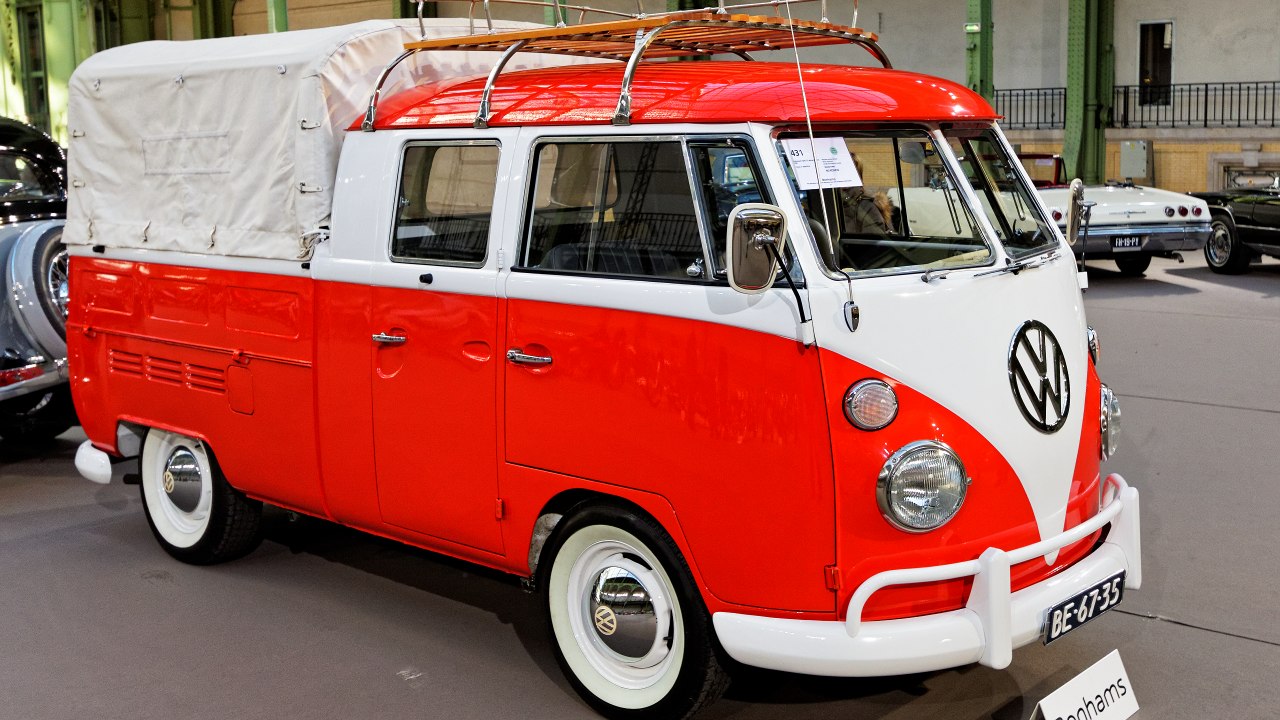
The VW bus’s unique design elements are a significant part of its appeal. The split windshield, a hallmark of early models, provided a panoramic view that was both functional and aesthetically pleasing. The rear engine placement was another distinctive feature, contributing to the vehicle’s balanced weight distribution and spacious interior. These design choices set the VW bus apart from other vehicles of its time, making it instantly recognizable.
Beyond its design, the VW bus was celebrated for its versatility and functionality. It served a variety of purposes, from camper vans equipped with sleeping and cooking facilities to commercial vehicles used for transporting goods. This adaptability made it popular among a wide range of users, from families seeking adventure to businesses needing reliable transport. The bus’s ability to be customized for different needs contributed to its widespread popularity.
The engineering legacy of the VW bus is marked by its reliability and simplicity. Its air-cooled engine was easy to maintain, making it a favorite among mechanics and DIY enthusiasts. The straightforward design meant that repairs could often be done with basic tools, a feature that endeared it to those who valued self-sufficiency. This engineering prowess ensured that the VW bus remained on the road for decades, further solidifying its status as a beloved classic.
Community and Lifestyle
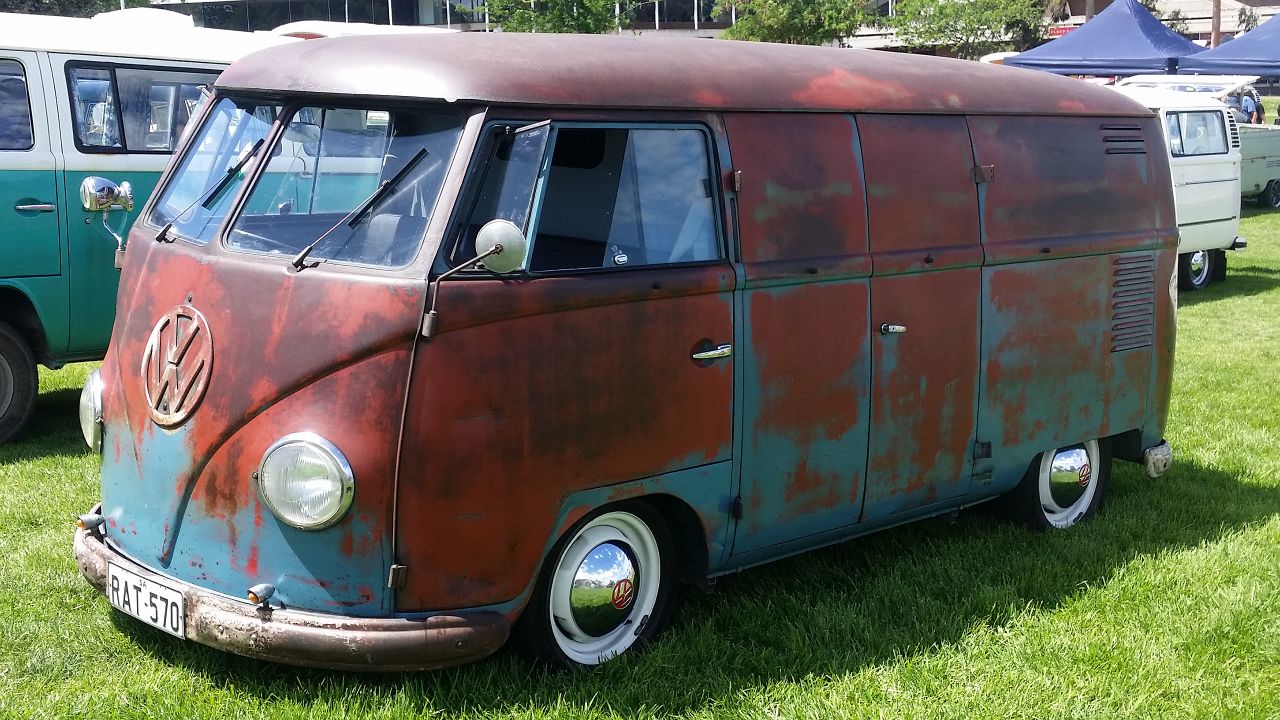
The VW bus has inspired a global community of enthusiasts who share a passion for this iconic vehicle. VW bus clubs and gatherings are held worldwide, bringing together owners and fans to celebrate their shared love. These events often feature road trips, camping, and social activities, fostering a sense of camaraderie among participants. The community aspect of the VW bus culture is a testament to its enduring appeal and the connections it fosters.
As a symbol of freedom and adventure, the VW bus embodies a lifestyle centered around exploration and spontaneity. Owners often recount stories of epic road trips, where the journey was as important as the destination. The bus’s ability to traverse diverse landscapes and its capacity to serve as a mobile home make it an ideal vehicle for those seeking to escape the confines of conventional living. This spirit of adventure is a core part of the VW bus’s allure.
Customization and personalization are also key aspects of the VW bus culture. Many owners modify their buses to reflect their personal style and values, whether through unique paint jobs, interior redesigns, or mechanical upgrades. This trend of making each bus unique adds to its charm and allows owners to express their individuality. The VW bus’s capacity for personalization is a significant factor in its continued popularity.
Enduring Popularity and Modern Resurgence
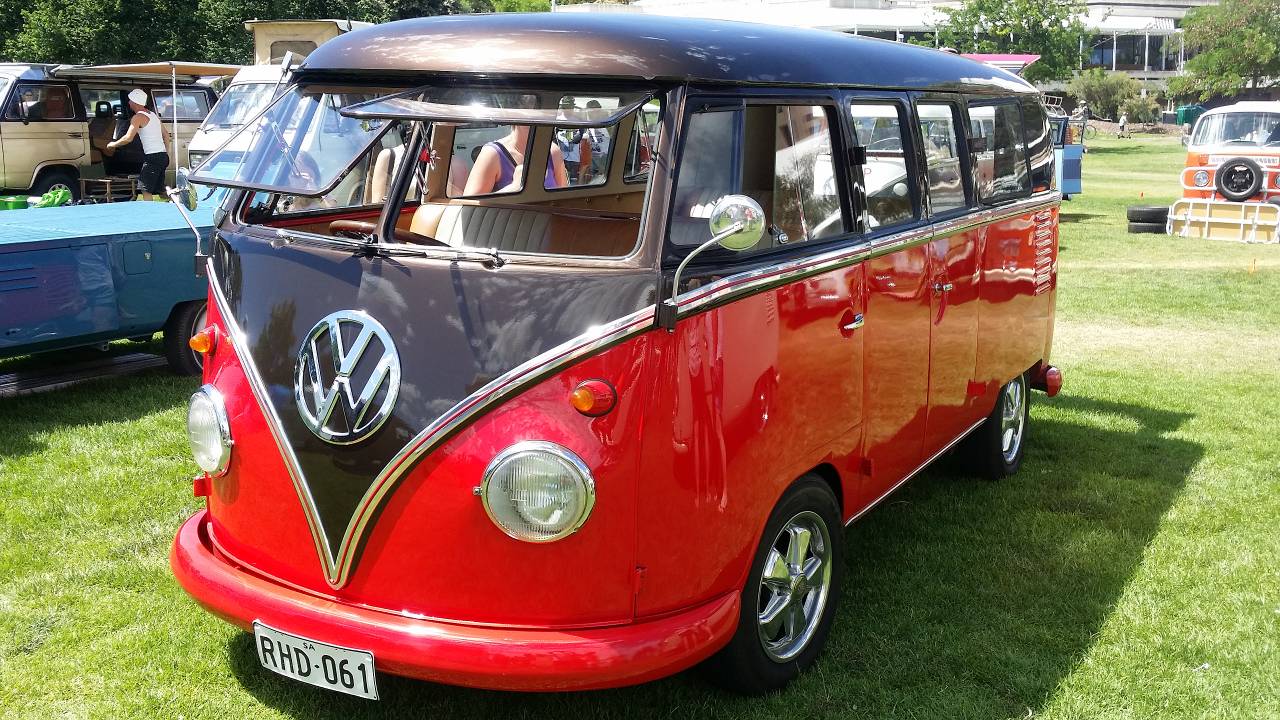
In recent years, the VW bus has seen a resurgence in popularity, becoming a sought-after collector’s item. Classic models, particularly those from the 1960s and 70s, have increased in value, with some fetching high prices at auctions. This rise in demand is driven by nostalgia and the desire to own a piece of automotive history. Collectors appreciate the VW bus not only for its cultural significance but also for its unique design and engineering.
Efforts to restore and preserve VW buses have become increasingly common, as enthusiasts seek to maintain these vehicles for future generations. Restoration projects often involve painstaking work to return buses to their original condition, using authentic parts and techniques. These efforts ensure that the legacy of the VW bus continues, allowing new generations to experience its charm and character.
The influence of the VW bus extends beyond the realm of classic cars, inspiring modern automotive and lifestyle brands. Its design has influenced contemporary vehicles, with some manufacturers creating modern interpretations of the classic bus. Additionally, the VW bus’s association with freedom and adventure has been embraced by lifestyle brands that promote a similar ethos. This ongoing influence highlights the VW bus’s lasting impact on culture and design.
The VW Bus: More Than Just a Vehicle
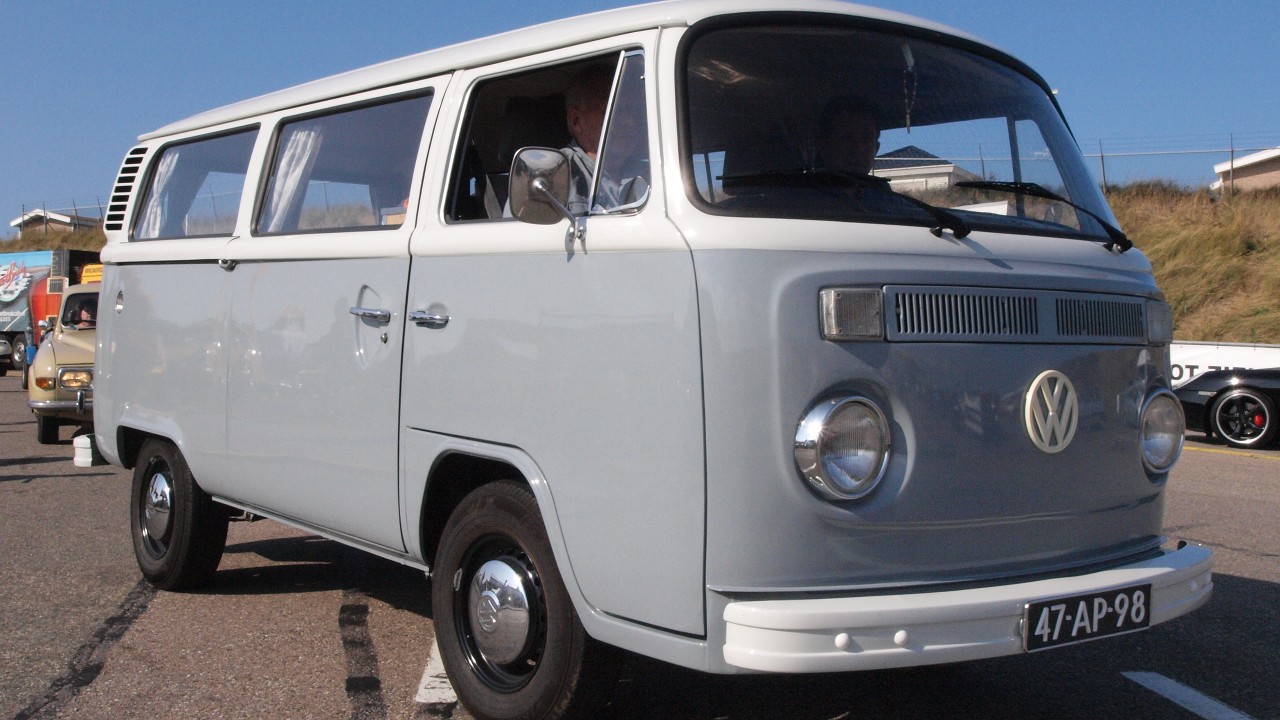
The emotional connection that many people have with the VW bus is profound. Owners often share personal stories and experiences associated with their buses, from family road trips to life-changing adventures. These narratives contribute to the bus’s mystique, as it becomes more than just a vehicle but a vessel for memories and experiences. The deep personal connection many feel towards their VW bus is a testament to its unique place in the hearts of its owners.
The legacy and nostalgia associated with the VW bus serve as a bridge between generations. For those who grew up during its heyday, the bus evokes memories of a bygone era, while younger enthusiasts are drawn to its retro charm and the lifestyle it represents. This cross-generational appeal ensures that the VW bus remains relevant, continuing to spark new memories and inspire future adventures.
As a global symbol, the VW bus transcends cultural boundaries, representing universal ideas of freedom and individuality. Its appeal is not limited to any one country or demographic, making it a truly international icon. The VW bus’s ability to resonate with people from diverse backgrounds speaks to its enduring power as a symbol of what it means to live freely and authentically.
Like Fast Lane Only’s content? Be sure to follow us.
Here’s more from us:
*Created with AI assistance and editor review.


Leave a Reply