

Collectors now treat early Japanese turbocharged performance cars as serious financial instruments, not just weekend toys for nostalgic enthusiasts. Rising demand, tightening supply, and changing import rules converge around these JDM icons, turning clean examples into blue chip hardware.
The turbocharged roots of the JDM investment boom
Early turbocharged Japanese performance cars emerged from a period when manufacturers chased racing glory and technological bragging rights. Engineers in that era used forced induction to extract big power from modest displacement, creating lightweight coupes that enthusiasts now recognize as foundational JDM legends.
Gradually, interest in these machines grew as the peak of classic Japanese tuner culture arrived in the late 1990s, when Japanese Iconic models defined an entire generation of street and track culture. That wave cemented turbocharged Skylines, Supras, and similar machines as aspirational objects, which now return as investment targets for buyers who once only saw them on posters.
Why early JDM turbos now look like smart money
Investors increasingly view early turbocharged JDM cars as assets that combine emotional payoff with disciplined fundamentals like scarcity and demand. Market analysts highlight that collector Cars tend to appreciate when age, cultural relevance, and limited supply intersect, which now describes many early turbocharged Japanese models perfectly. Buyers who once dismissed these coupes as disposable imports now treat them like rolling stock certificates.
Specialist dealers argue that JDM performance machines can defy the cliché that every car loses value the moment it leaves the showroom. Advocates for these vehicles note that enthusiasts increasingly treat them as long term holdings, with some investors using guides like Why You Should Invest to justify parking capital in turbocharged coupes instead of traditional assets. That shift in mindset helps explain why auction prices for clean examples keep climbing.
How the 25 year rule unlocked a wave of demand
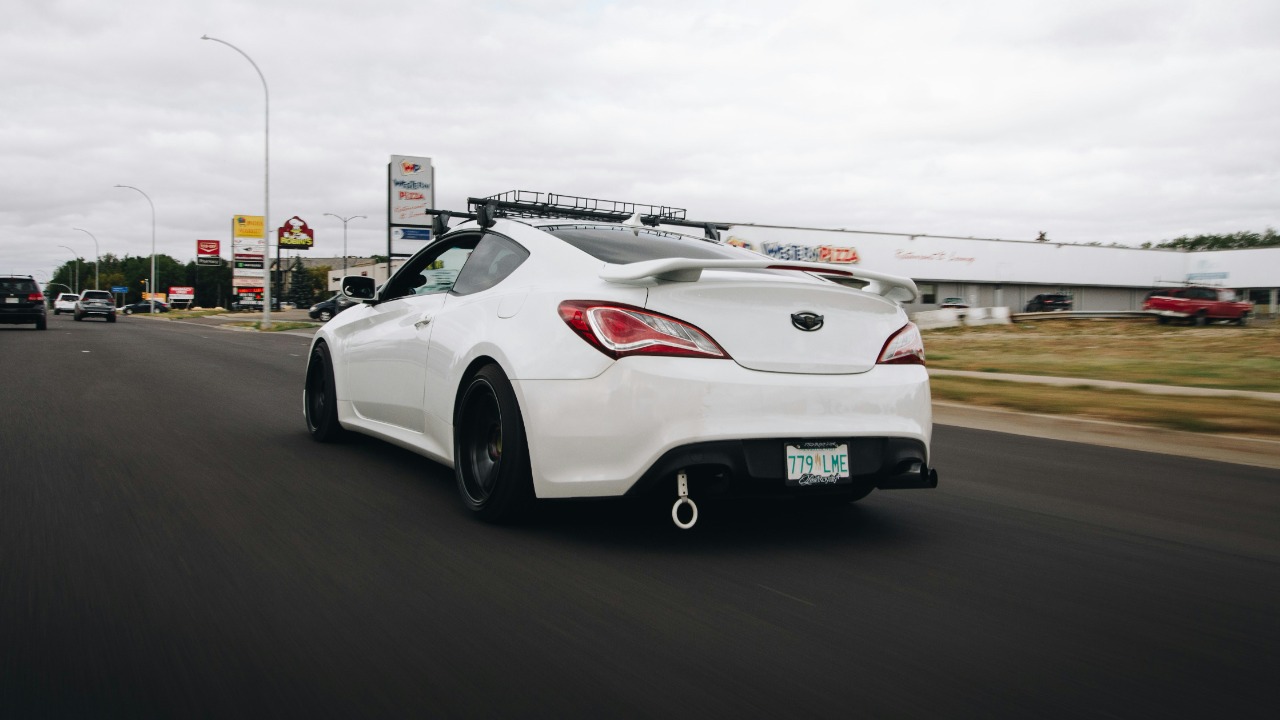
Regulation changes transformed early JDM turbo cars from forbidden fruit into legal imports, which instantly expanded the buyer pool. The 25 year import rule in the United States removes safety and emissions restrictions once a vehicle reaches that age, so collectors can finally register cars that previously stayed locked in Japan.
Import specialists describe how the Year Imports framework effectively turns each birthday into a market event for specific models. Classic car analysts also note that values often jump at both 15 and 25 years, when import eligibility and nostalgia converge within broader Age and Import Eligibility trends. That timing now favors early turbocharged JDM icons that finally clear the regulatory hurdle.
Global buyers chase the same limited pool of cars
International demand compounds the pressure on early JDM turbo prices, because collectors across continents now compete for the same chassis. Export specialists report that car lovers in multiple regions discovered that importing older Japanese vehicles can deliver significant savings compared with domestic equivalents, especially when currency and tax advantages align.
Importers who specialize in JDM classics highlight that Americans, Australians, Europeans, Qubecois and Beyond now hunt the same auction lanes for clean turbocharged coupes. That global scramble reduces the number of unmodified cars left in Japan, which reinforces scarcity and supports higher valuations for the best preserved examples.
Nostalgia, pop culture, and the turbo halo effect
Pop culture turned early JDM turbo cars into aspirational symbols long before investors started running spreadsheets on them. Video games, anime, and street racing films elevated specific models into global icons, which now benefit from what analysts describe as a rising tide effect across the entire segment.
Market observers note that supercars once dominated the investment conversation, but nostalgia now pushes JDM legends into that same category. Commentators point out that Fast appreciation for clean turbocharged Skylines shows how cultural cachet can rival traditional exotic badges. Analysts further argue that Millennials and Gen X buyers, who grew up idolizing these cars, now have the income to chase both emotional and financial returns.
Iconic turbocharged nameplates set the benchmark
Specific halo models anchor the market and pull lesser known turbocharged JDM cars upward in their wake. The Nissan Skyline R34 GT-R, for example, stands as a reference point for performance, engineering, and cultural impact, especially in its most focused variants.
Video reviews describe the R34 GTR in Nismo trim as one of the greatest performance cars of all time, which reinforces its investment status. Auction platforms similarly frame the Mark IV Toyota Supra Turbo as one of the most iconic sports cars ever to come from Japan, noting that younger enthusiasts now chase clean turbocharged examples aggressively. Those flagship cars create price ceilings that help justify strong money for earlier or less powerful turbocharged siblings.
Design, engineering, and the appeal of analog boost
Collectors praise early JDM turbo cars for their distinctive blend of analog driving feel and advanced engineering. Classic Japanese performance models often combined innovative powertrains with understated styling, which now appeals to buyers tired of oversized modern supercars.
Analysts of the JDM market emphasize that Classic Japanese cars stand out for distinctive design and engineering that separates them from European contemporaries. Investment guides like Top lists of JDM models to watch frequently highlight early turbocharged variants, because they deliver that analog boost experience in compact, usable packages. That combination of character and capability helps justify rising valuations among serious collectors.
Speculation, scarcity, and warnings from inside the community
Not everyone inside the JDM scene celebrates the investment frenzy around early turbocharged cars. Longtime enthusiasts increasingly worry that speculative buying locks genuine drivers out of the market, especially when investors warehouse low mileage examples purely for appreciation.
Community voices on enthusiast forums bluntly argue that newcomers should avoid chasing JDM icons, because They believe prices already sit uncomfortably high. That sentiment underscores a tension between collectors who treat early turbocharged JDM cars as financial instruments and drivers who still see them as accessible performance platforms. Market watchers suggest that sustained enthusiasm, rather than pure speculation, will ultimately determine whether current valuations hold.
How new buyers can navigate the turbocharged JDM landscape
Prospective collectors who want exposure to early JDM turbo cars now face a market that rewards research and patience. Experts recommend focusing on originality, documented maintenance, and limited production variants, because those factors typically drive the strongest appreciation over time.
Investment oriented guides like JDM Sports Cars and curated Cars lists encourage buyers to treat these machines like any other alternative asset, with careful attention to fundamentals. Analysts also remind newcomers that the most compelling returns often come when passion and prudence align, especially in a segment where cultural significance matters as much as horsepower.





Leave a Reply