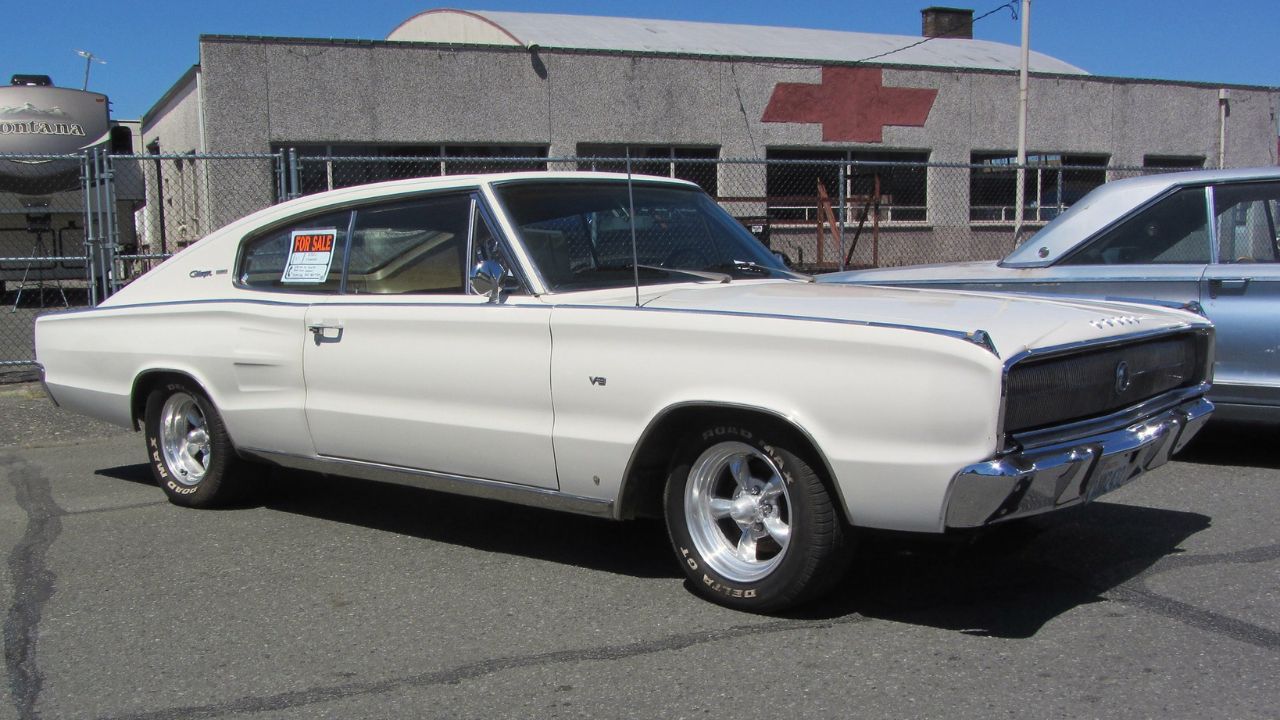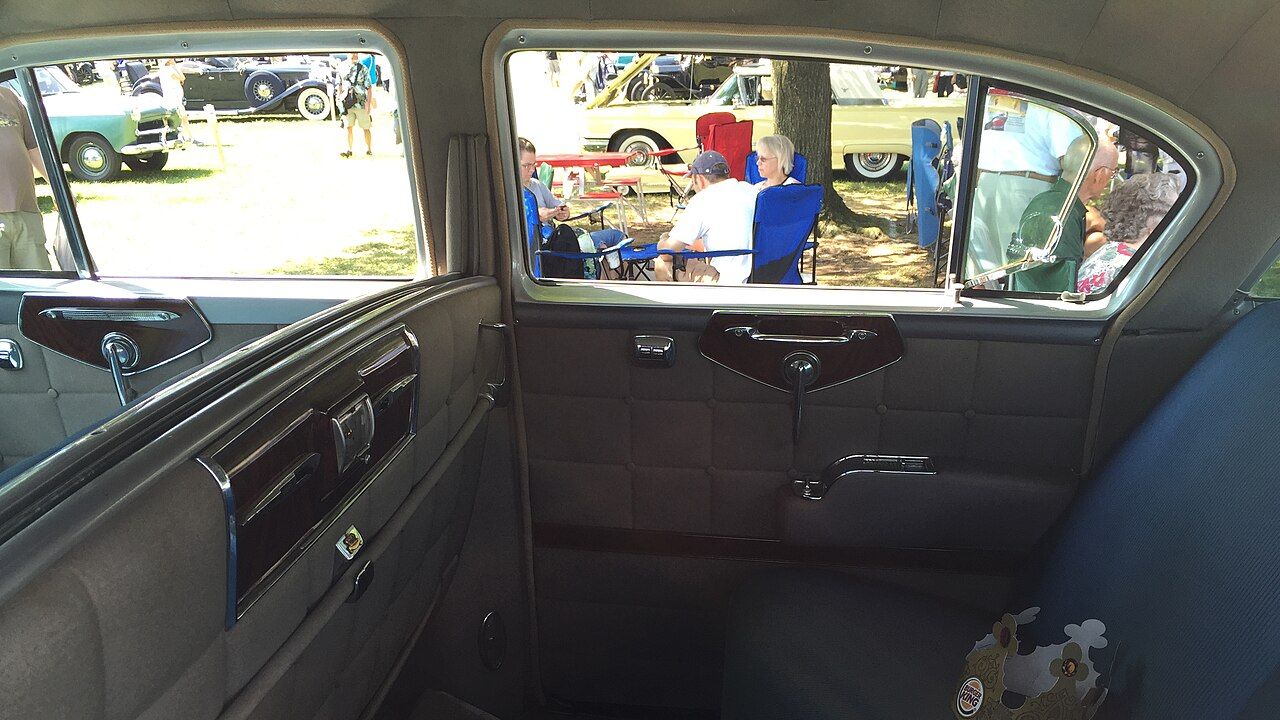
Crank windows, once a standard feature in automobiles, have largely been replaced by power windows in modern vehicles. This shift reflects changes in consumer preferences, technological advancements, and manufacturing processes. To understand why cars originally had crank windows, one must consider historical context, cost factors, and technological evolution in the automotive industry.
Historical Context of Crank Windows
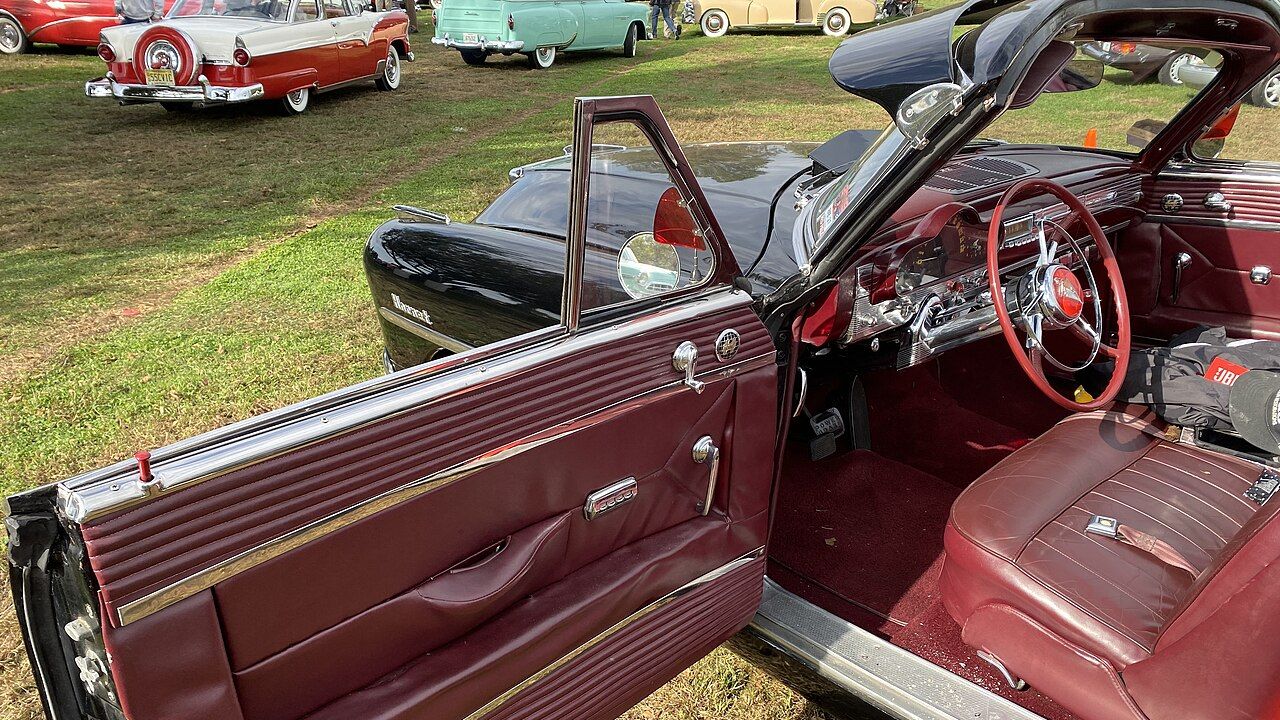
In the early days of automotive design, simplicity and functionality were the guiding principles. Cars produced in the early to mid-20th century were largely utilitarian, focused on getting from point A to point B without the frills we associate with modern vehicles. Crank windows were part of this straightforward approach, offering a manual solution to the need for ventilation and accessibility without complicating the car’s design. The simplicity of these systems matched the aesthetic and operational capabilities of vehicles during this era, where complex electronic systems were not yet practical or feasible.
Technological limitations played a significant role in the adoption of crank windows. The automotive industry in its early years lacked the sophisticated electronic systems that are commonplace today. Manual mechanisms, such as crank windows, were easier to manufacture, implement, and maintain. The absence of reliable electronic components made manual systems a necessity rather than a choice. Manufacturers focused on durability and ease of repair, both of which were better served by mechanical systems that could be easily understood and serviced by the average car owner or mechanic.
Cost Considerations
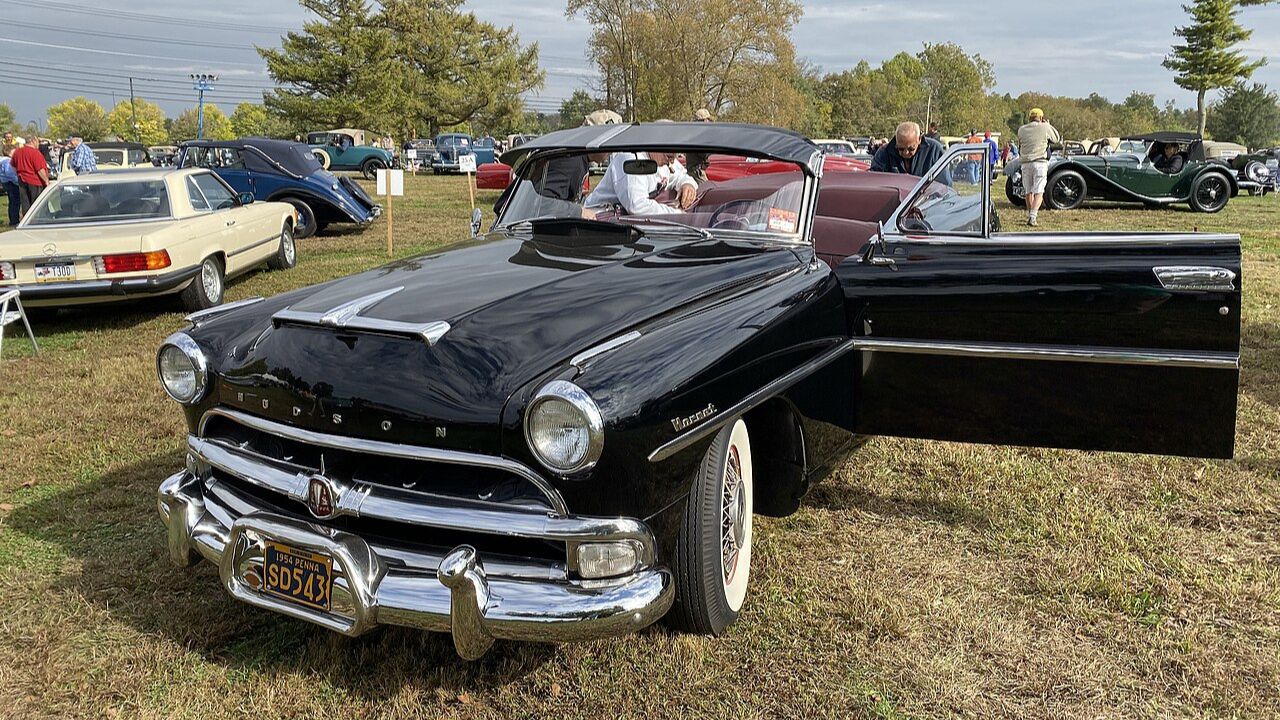
Manufacturing costs were a major factor in the widespread use of crank windows. During the early and mid-20th century, keeping production costs low was crucial for the automotive industry, which was still finding its footing. Manual crank windows were significantly cheaper to produce compared to the nascent power window technology, which required motors, wiring, and additional components. This cost-effectiveness allowed manufacturers to offer vehicles at more competitive prices, making them accessible to a larger segment of the population.
From a consumer’s perspective, affordability was key. Cars with crank windows were less expensive, allowing more people the opportunity to own a vehicle. The lower cost of production translated into lower retail prices, which was an essential factor in expanding the market for automobiles. This affordability was especially important during times of economic hardship, such as the Great Depression and post-World War II recovery, when consumers were particularly price-conscious. The choice of crank windows over power windows was thus as much about economic accessibility as it was about technological limitations.
Reliability and Maintenance
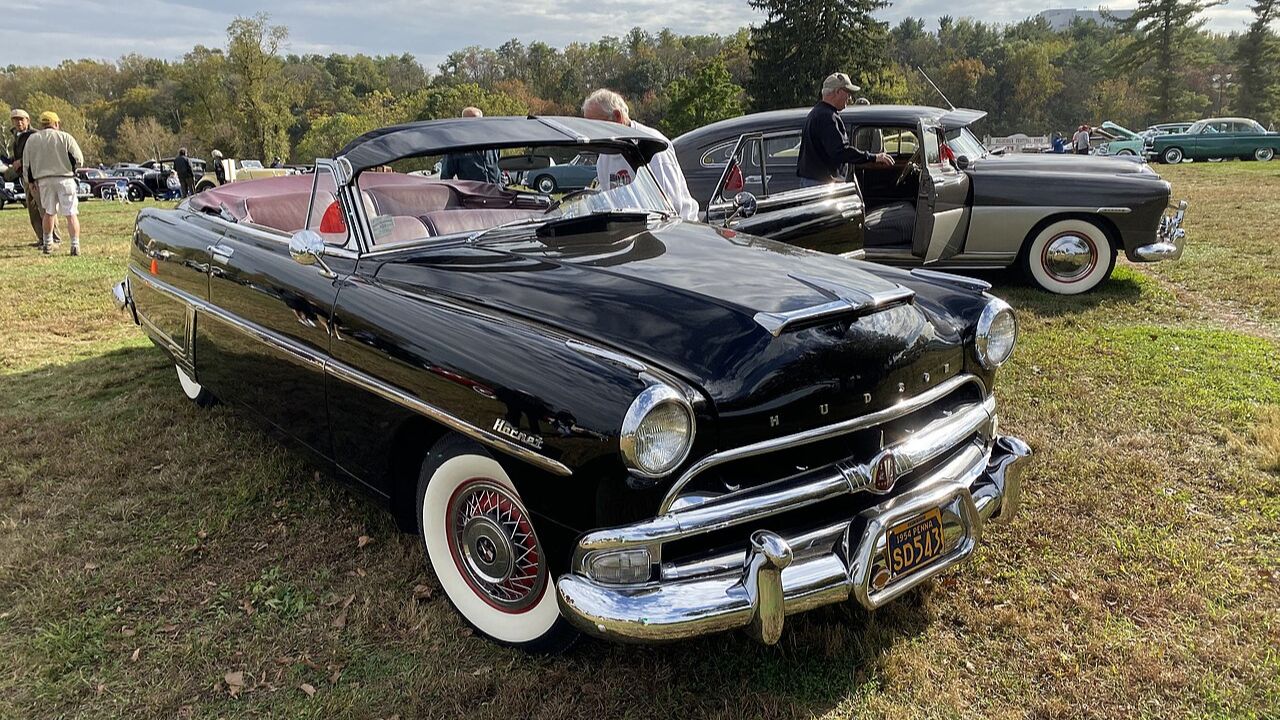
The durability of crank systems contributed to their popularity. Manual windows were perceived as highly reliable due to their simple mechanical design. Unlike early power windows, which could suffer from motor failures or electrical issues, crank windows were easy to repair and maintain. This reliability was a crucial factor for consumers who valued a vehicle’s longevity and ease of upkeep. The straightforward nature of crank mechanisms meant that even if something did go wrong, repairs were often straightforward and inexpensive.
Consumer trust in manual systems was further bolstered by a general apprehension towards early electronic technologies. At a time when electronic systems were still developing, many consumers were wary of the potential for breakdowns and the associated repair costs. Manual crank windows offered a no-nonsense solution that aligned with the preferences of a market that prioritized practicality over luxury. This trust in simplicity helped cement crank windows as a standard feature in vehicles for many years.
Technological Evolution and Consumer Demand
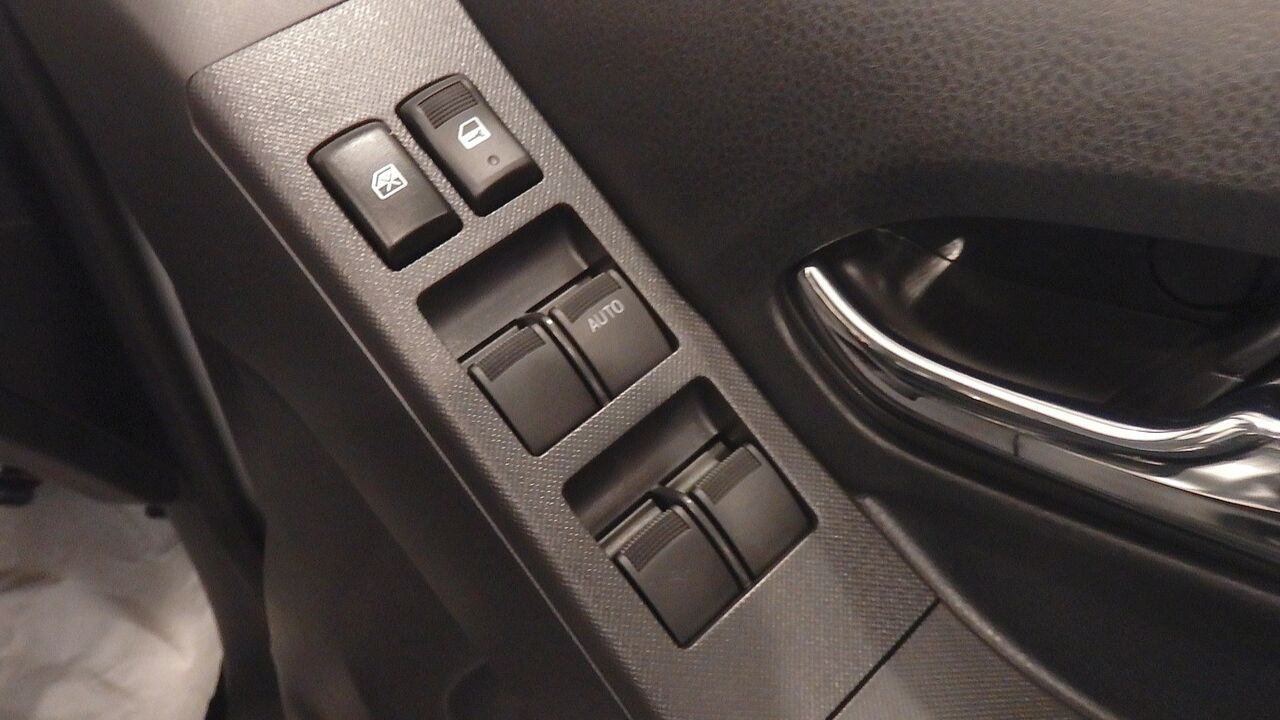
As technology advanced, so did the reliability and appeal of power windows. By the latter part of the 20th century, improvements in electrical systems and motor technology addressed many of the early issues that plagued power windows. These advancements made power windows more dependable and less prone to failure, gradually winning over consumer trust. The shift was also driven by the desire for increased comfort and convenience in vehicles, as people began to expect more from their cars in terms of features and luxury.
The evolving expectations of consumers played a critical role in the transition from crank to power windows. As society progressed, so did the desire for modern conveniences, and power windows became a symbol of luxury and technological advancement. The convenience of controlling all windows from the driver’s seat and the sleek design of power window controls appealed to a generation of car buyers looking for sophistication in their vehicles. This shift was not just about technology but also about the changing lifestyle and status aspirations of consumers.
Modern Implications and Exceptions
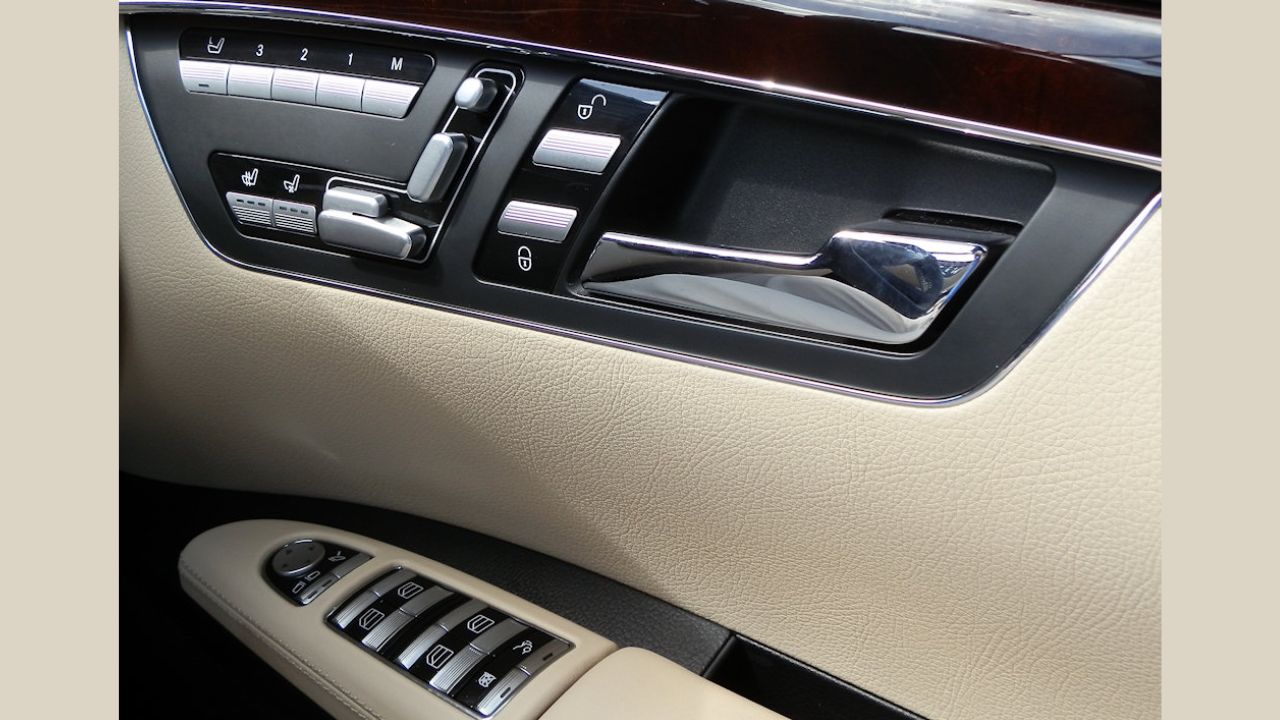
Despite the prevalence of power windows in most modern vehicles, crank windows still have a place in certain niches. Budget and utility vehicles, such as some models of the Slate EV truck, sometimes incorporate crank windows as a cost-saving measure. These models cater to consumers who prioritize affordability and practicality over luxury features. In these contexts, crank windows remain a viable option due to their simplicity and lower production costs, allowing manufacturers to keep prices competitive.
Nostalgia and personal preference also play a role in the continued use of crank windows. Some car enthusiasts and buyers appreciate the tactile and straightforward nature of manual systems, viewing them as a link to the past when cars were simpler and more mechanical. This sentiment is reflected in discussions on platforms like Quora, where users express a fondness for the classic feel of crank windows. Even as technology advances, this nostalgic appeal and the preference for simplicity ensure that crank windows continue to hold a niche place in the automotive world.
Like Fast Lane Only’s content? Be sure to follow us.
Here’s more from us:
*Created with AI assistance and editor review.