The 1950s marked a transformative era for automotive design, distinguished by the introduction of large, flamboyant tailfins on cars. These striking features were not just about aesthetics; they symbolized a mix of technological innovation, cultural change, and competitive branding. This exploration delves into the multifaceted origins of the tailfin craze that defined an iconic decade in automotive history.
The Birth of the Tailfin: Influences and Inspirations

Aviation Influence
The rise of the jet age in the post-war years had a profound impact on various aspects of design, including automobiles. The sleek lines and aerodynamic shapes of aircraft inspired car designers to incorporate similar elements into their creations. The tailfin, mimicking the vertical stabilizers of jet aircraft, became a symbol of speed and modernity. Car manufacturers sought to capture the public’s imagination, aligning their designs with the advanced technology of the time. The aviation influence was not just aesthetic; it also represented a forward-thinking approach, suggesting that the future was within reach.
Cultural and Societal Trends
During the post-war economic boom, American consumers were eager for products that reflected their newfound prosperity and optimism. Cars were no longer just a means of transportation; they were a statement of status and style. The fascination with science fiction and futuristic themes further fueled the demand for innovative designs. Tailfins, with their exaggerated and flamboyant presence, embodied the era’s exuberance and the belief in a utopian future. This cultural backdrop set the stage for the automotive industry to experiment with bold and imaginative designs.
Key Players in the Tailfin Revolution
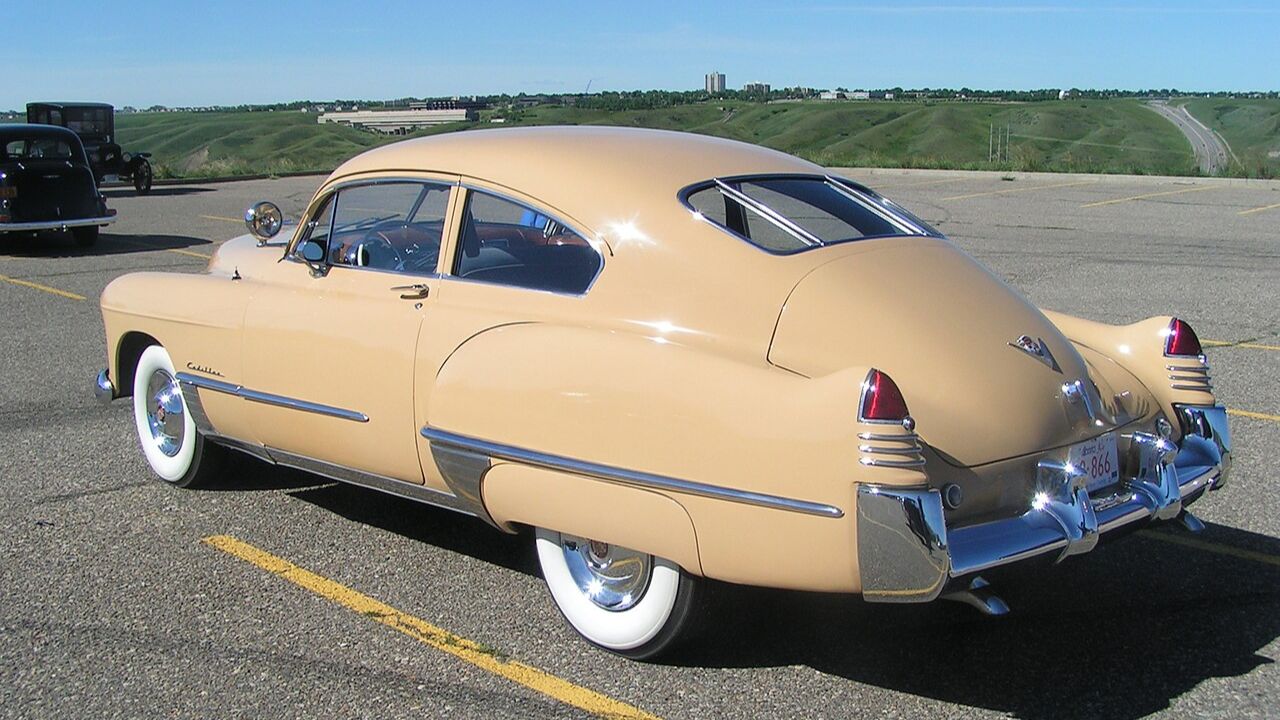
General Motors and Harley Earl
General Motors played a pivotal role in the tailfin revolution, largely due to the influence of its chief designer, Harley Earl. Earl was instrumental in pioneering the trend, introducing the first car with prominent tailfins—the 1948 Cadillac. His vision was to create vehicles that were not only functional but also visually striking. The tailfins on the Cadillac were inspired by the Lockheed P-38 Lightning aircraft, underscoring the aviation influence on automotive design. Earl’s innovative approach set a precedent, prompting other manufacturers to follow suit.
Chrysler and Virgil Exner
While GM led the charge, Chrysler was not far behind, thanks to the visionary work of designer Virgil Exner. Under Exner’s leadership, Chrysler launched its “Forward Look” campaign, which emphasized sleek, modern designs with prominent tailfins. Exner’s designs were characterized by their boldness and elegance, further pushing the boundaries of automotive aesthetics. The competitive dynamic between GM and Chrysler in the 1950s fueled a design race, each striving to outdo the other in terms of innovation and style. This rivalry played a significant role in shaping the tailfin trend.
The Functional and Aesthetic Debate
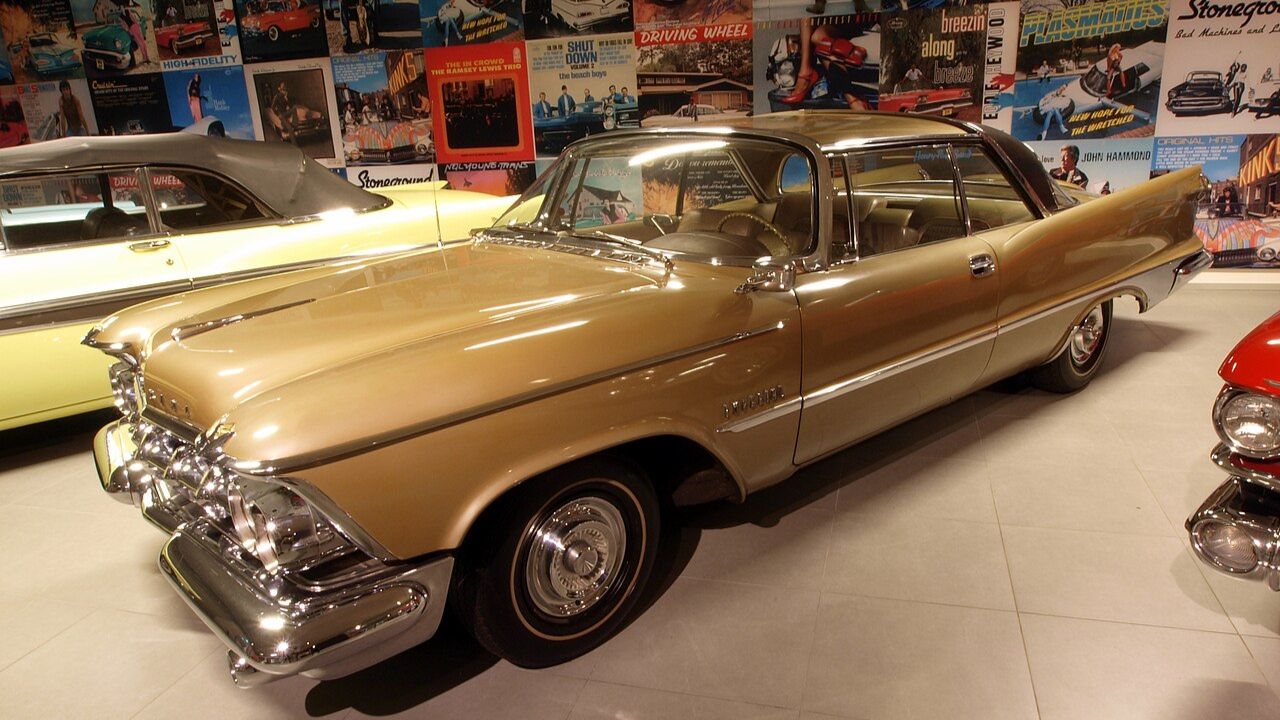
Aerodynamics vs. Aesthetics
The practical benefits of tailfins have been a subject of debate among automotive historians and enthusiasts. While some argued that tailfins could improve a car’s aerodynamics, reducing drag and increasing stability, others saw them as purely decorative elements. In reality, the aerodynamic advantages of tailfins were minimal, and their primary function was to serve as a visual cue for modernity and sophistication. The debate over their functionality highlights the tension between form and function in automotive design.
Consumer Perception and Market Impact
Tailfins significantly influenced consumer buying decisions during the 1950s. They became a symbol of brand identity, with manufacturers using them to differentiate their vehicles from competitors. As tailfins grew in size and flamboyance, they became a selling point, attracting consumers looking for the latest trends. However, by the early 1960s, public opinion began to shift. Concerns about practicality and safety, coupled with changing tastes, led to a decline in the popularity of tailfins. The automotive market began to favor more understated and efficient designs.
Cultural Legacy and Influence on Modern Design
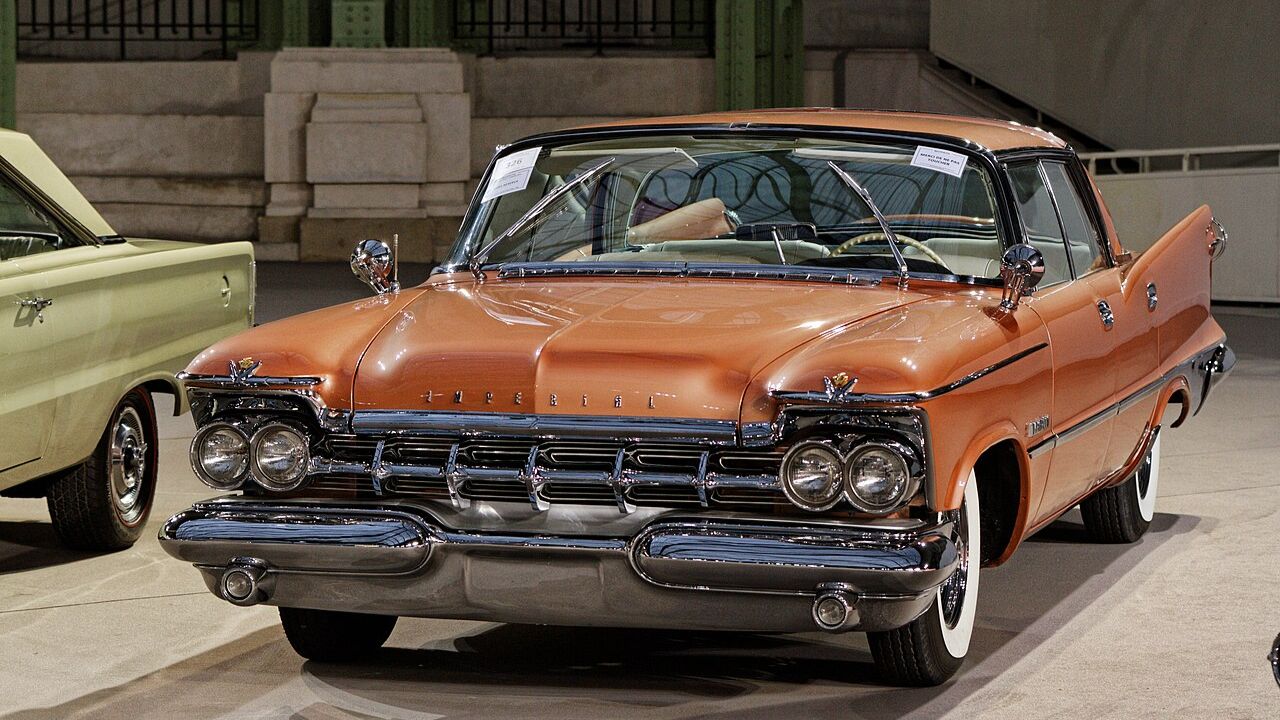
Nostalgia and Collectibility
Despite their decline, cars from the 1950s with large tailfins continue to hold a special place in the hearts of classic car enthusiasts. These vehicles are cherished for their unique designs and historical significance, often featured in car shows and collections. The nostalgia associated with this era has made these cars highly collectible, with some models fetching high prices at auctions. Tailfins have become symbols of a bygone era, representing a time of innovation and cultural expression.
Modern Design Echoes
The influence of 1950s tailfin designs can still be seen in contemporary automotive aesthetics. While modern cars may not feature the exaggerated fins of the past, elements of that era’s design language persist. Some manufacturers pay homage to the tailfin tradition through subtle design cues, such as angular lines and sculpted shapes. These nods to the past serve as a reminder of the enduring impact of the tailfin era on automotive design.
The Decline and End of the Tailfin Era
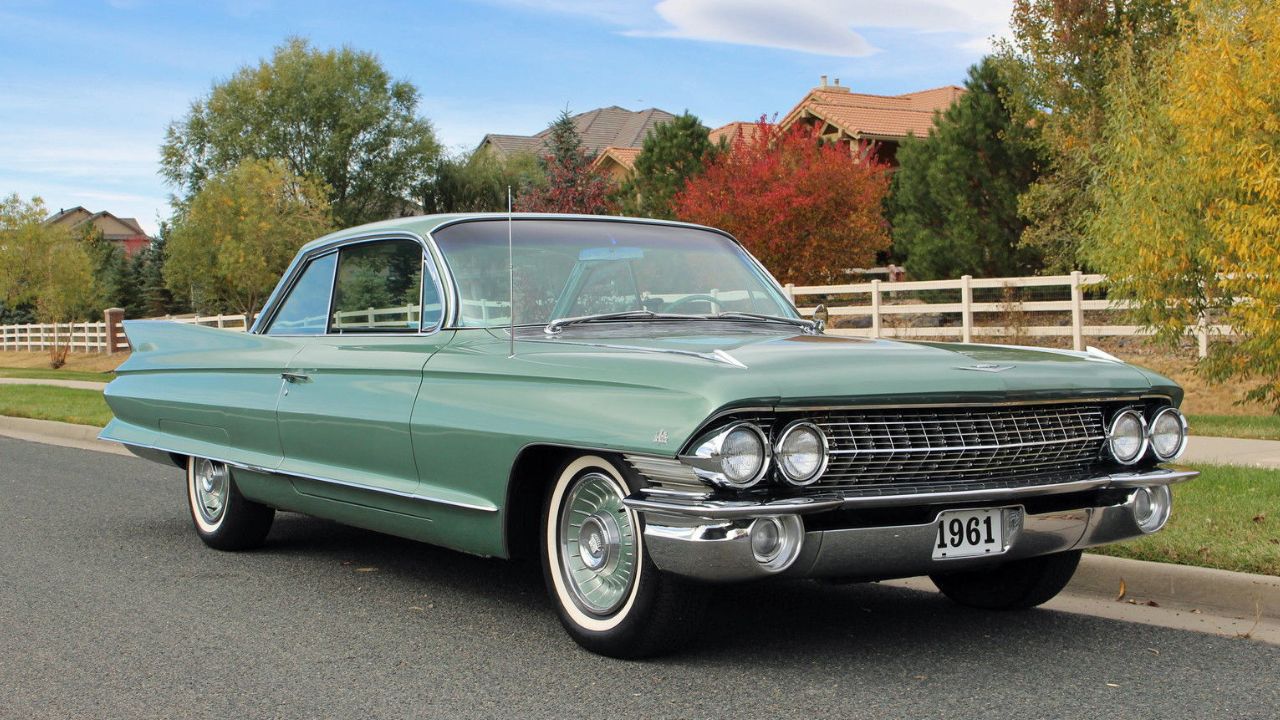
Changing Tastes and Safety Concerns
By the early 1960s, the automotive landscape was shifting. Consumer preferences were evolving, with a growing emphasis on practicality and efficiency. Safety concerns also played a role in the decline of tailfins, as their sharp protrusions were seen as potential hazards in accidents. As a result, car manufacturers began to adopt more conservative designs, focusing on functionality and safety over flamboyance. This shift marked the end of the tailfin era, as the industry moved towards a more pragmatic approach to design.
Legacy of the Tailfin Era
The tailfin phenomenon left an indelible mark on automotive history, shaping the future of car design in significant ways. It represented a period of bold experimentation and cultural expression, driven by a desire to capture the spirit of a rapidly changing world. While the tailfin may have fallen out of favor, its legacy endures in the continued pursuit of innovation and style in the automotive industry.
Like Fast Lane Only’s content? Be sure to follow us.
Here’s more from us:
*Created with AI assistance and editor review.