
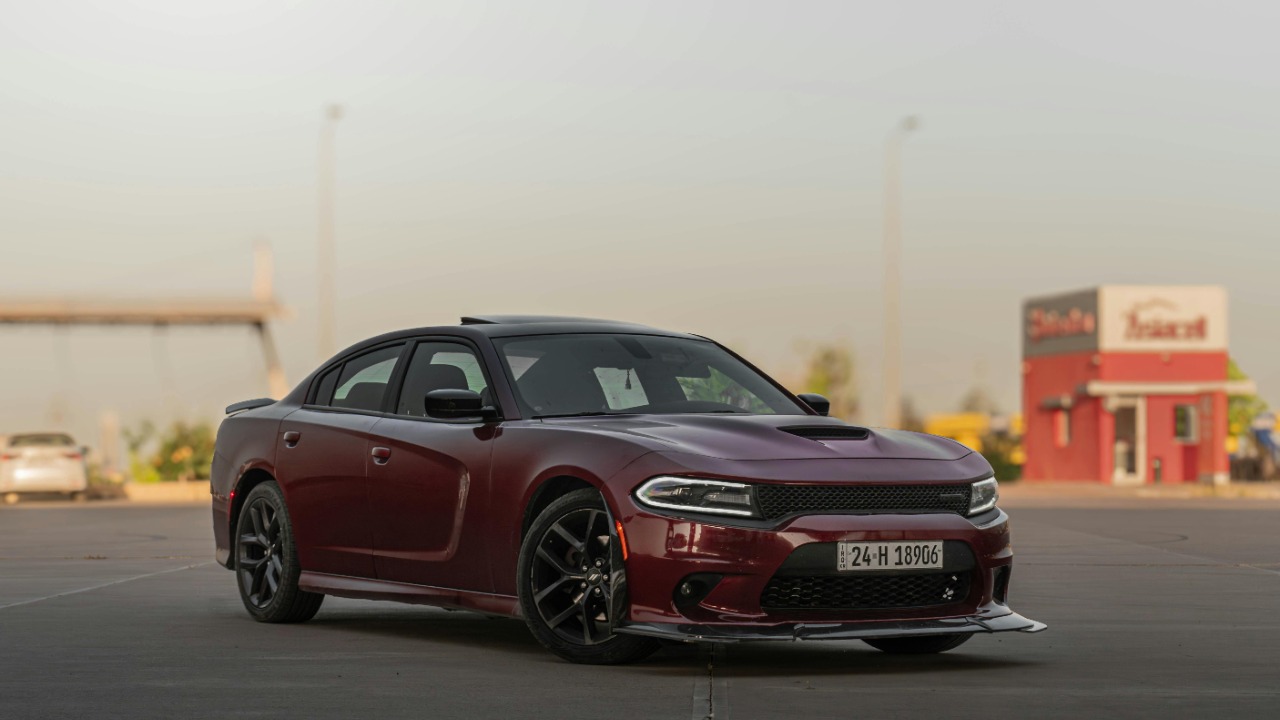
Dodge sits at a pivotal moment, with its next wave of performance models reshaping how muscle cars fit into an electrifying market. Buyers keep talking because the brand is trying to honor its loud, V8 past while building a faster, more flexible future.
The 2026 Charger aims to modernize classic muscle appeal
Designers treat the upcoming Dodge Charger as a statement that traditional muscle can evolve without losing its visual swagger. The official preview describes the 2026 lineup as a refined take on classic proportions, signaling that heritage styling still matters.
Engineers give the latest Dodge Charger an iconic widebody stance, a driver focused cockpit, and a pistol grip shifter. Those cues appear directly in the detailed description of the Dodge Charger, which leans heavily on nostalgia while promising thoroughly modern engineering.
Gas powered Chargers keep the muscle faithful engaged
Strategists inside Dodge understand that performance credibility still depends on gasoline powered options sitting alongside any new electric variants. Reporting on the brand’s plans notes that the Dodge Charger has carried a reputation for “legendary muscle car performance” for 60 years, and executives clearly want that streak to continue.
Dealers also highlight how the next generation will not abandon internal combustion, instead pairing electric innovation with familiar sound and feel. One overview of the 2025 models explains that Electric power is not the only thing moving the 2025 Dodge Charger forward, since gas powered six cylinder Hurricane engines will share showroom space.
Multi energy strategy gives buyers real powertrain choice
Product planners at Dodge increasingly frame performance not as a single engine choice but as a spectrum of propulsion technologies. Earlier coverage of the 2024 model year notes that the When you drive an electric car, whether it is a Tesla or something else, the instant torque can feel thrilling.
Executives now talk about serving both EV forward customers and those who still want the sound, power, and familiarity of an ICE engine. One analysis of the Charger Daytona strategy explains that Dodge sees an advantage in releasing both versions, positioning the car to capture a broader customer base.
Durango SRT Hellcat and SUVs push performance in new directions
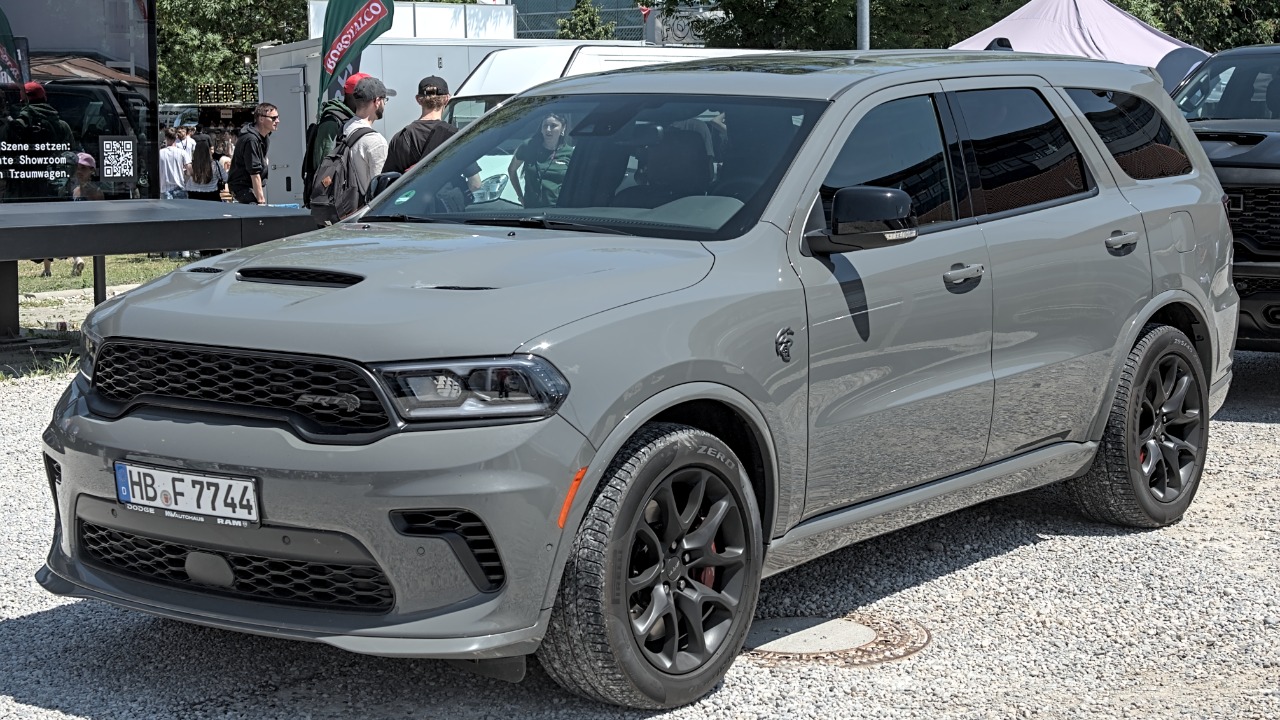
Performance at Dodge no longer lives only in coupes and sedans, because the brand now treats big family haulers as horsepower showcases. A recent announcement describes a HEMI powered Durango as the most powerful gas engine SUV ever, with the Dodge team emphasizing six million potential customization combinations.
That approach signals that Dodge wants enthusiasts who need three rows to feel included in the performance conversation. The same release underscores how the Dodge brand leans on its HEMI heritage, using the HEMI name prominently to reinforce its identity as a builder of outrageous family haulers.
Lineup reshuffles double down on muscle focused nameplates
Product decisions for 2026 show Dodge trimming some models while leaning harder into its most recognizable performance badges. A dealership analysis explains that several Performance variants will disappear, even as Dodge doubles down on its muscle car roots with a range of high output offerings.
Shoppers watching these changes see a brand that wants every remaining model to feel purposeful rather than generic. The same overview stresses that Dodge aims to blend classic muscle car feel with modern engineering, which helps explain why the Charger and Durango sit at the center.
Affordability and value remain central to Dodge’s performance pitch
Price sensitive enthusiasts increasingly scrutinize whether big power still feels attainable, and Dodge clearly wants that answer to stay positive. One breakdown of the current catalog notes that Dodge is taking the oldest angle in the book to drum up sales, making stuff cheaper without dulling the performance edge.
Brand strategists also see room for a more basic sports car that undercuts the pricing of halo models while still feeling special. A recent interview highlights that Will more attainable commuter vehicles join the lineup, and executives answer by saying Having a value play helps get people onto showroom floors.
Brand repositioning tries to balance heritage with broader appeal
Leadership inside Stellantis increasingly talks about Dodge as a brand with untapped potential that must reach beyond hardcore drag strip regulars. One detailed assessment argues that Learning from past missteps, Dodge must prioritize affordability and reliability in any compact sedan offering to bring performance to a broader audience.
Corporate planners also coordinate Dodge’s direction with the evolving strategy at sister brands that share showrooms and platforms. A recent update on Chrysler’s future notes that Feuell specifically cited the brand’s multi energy strategy as central to Chrysler, which reinforces how Dodge and Chrysler must complement rather than duplicate each other.



Leave a Reply