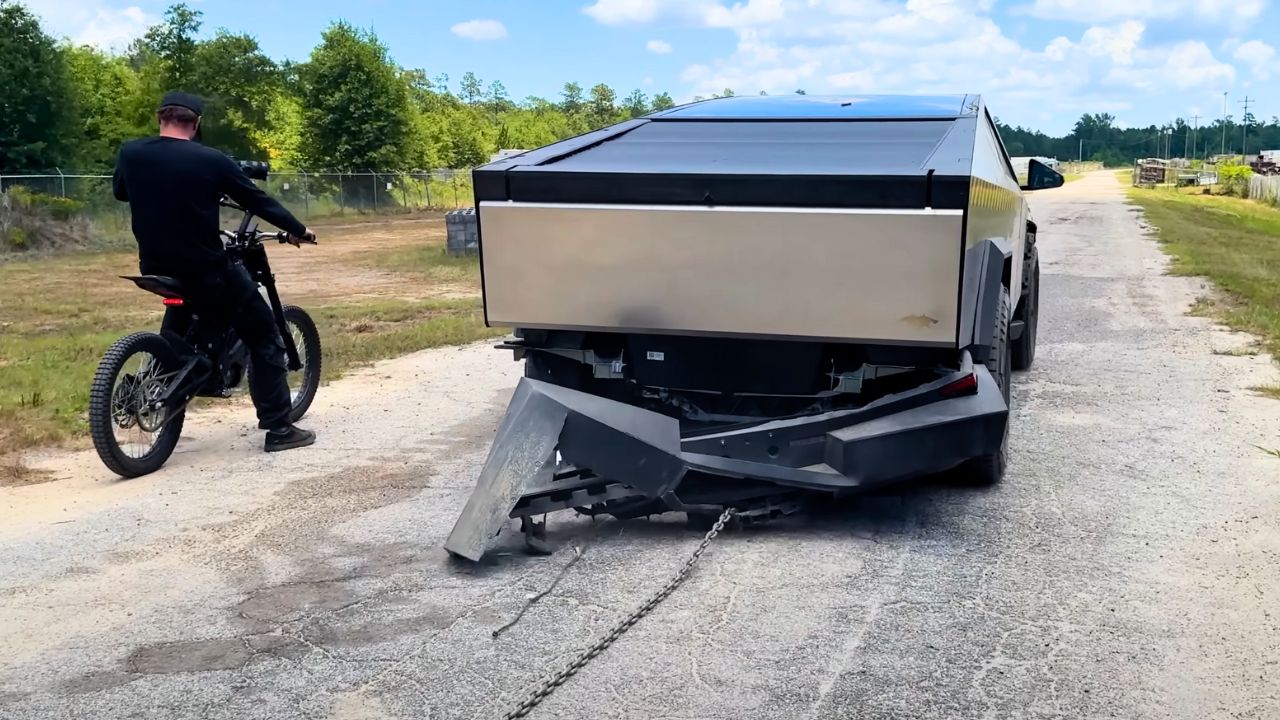
Electric pickup trucks have been heralded as the future of rugged, environmentally friendly transportation, but they often fall short of driver expectations. Despite advances in technology, many users find themselves frustrated by the limitations and challenges associated with these vehicles. This article delves into the key reasons why electric pickup trucks continue to disappoint their owners.
Performance Limitations
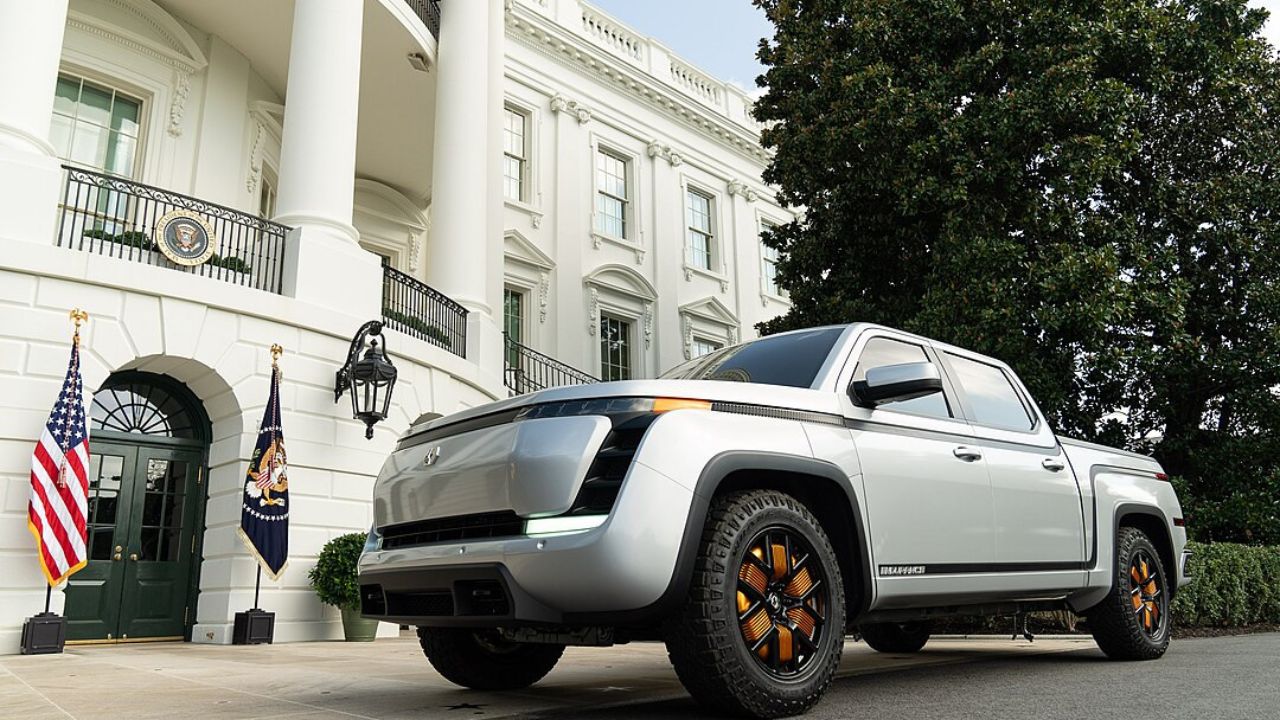
One of the primary concerns for pickup truck owners is towing capacity. Many electric pickup trucks struggle with reduced range and efficiency when towing heavy loads, which is a critical requirement for many truck owners. While traditional internal combustion engine trucks can haul substantial weights over long distances, electric models often see a significant drop in performance, raising questions about their practicality for those who rely on their trucks for heavy-duty tasks.
Battery performance in extreme conditions is another hurdle for electric pickups. Harsh weather can greatly affect battery life and overall reliability. In areas with extreme heat or cold, the battery can degrade faster, leading to a loss of power and efficiency. This issue not only impacts the vehicle’s performance but also its longevity, adding another layer of uncertainty for potential buyers who rely on consistent performance.
Despite some models boasting impressive torque figures, the real-world performance often falls short compared to traditional trucks. Acceleration and torque are vital for those who require quick response times and power on demand, yet electric pickups sometimes fail to deliver the same experience, leading to dissatisfaction among drivers used to the robust performance of conventional trucks.
Infrastructure and Range Anxiety

A significant challenge for electric pickup truck owners is the lack of charging stations. While urban areas are seeing a gradual increase in charging infrastructure, rural and remote areas remain underserved. This scarcity makes long-distance travel and work-related tasks daunting for electric truck owners who rely on their vehicles in less populated regions.
Range anxiety is another pressing issue. Electric pickup trucks often offer less range than anticipated, which can be particularly troubling for users who need to travel long distances. The constant concern of running out of power without a nearby charging station can deter potential buyers from making the switch to electric.
Moreover, charging times remain a significant drawback. Even with fast-charging options, the time required to recharge electric pickups is still considerably longer than refueling a traditional vehicle. This inconvenience can disrupt the daily routines of drivers who are accustomed to quick refueling stops, making electric pickups less appealing.
Economic Considerations
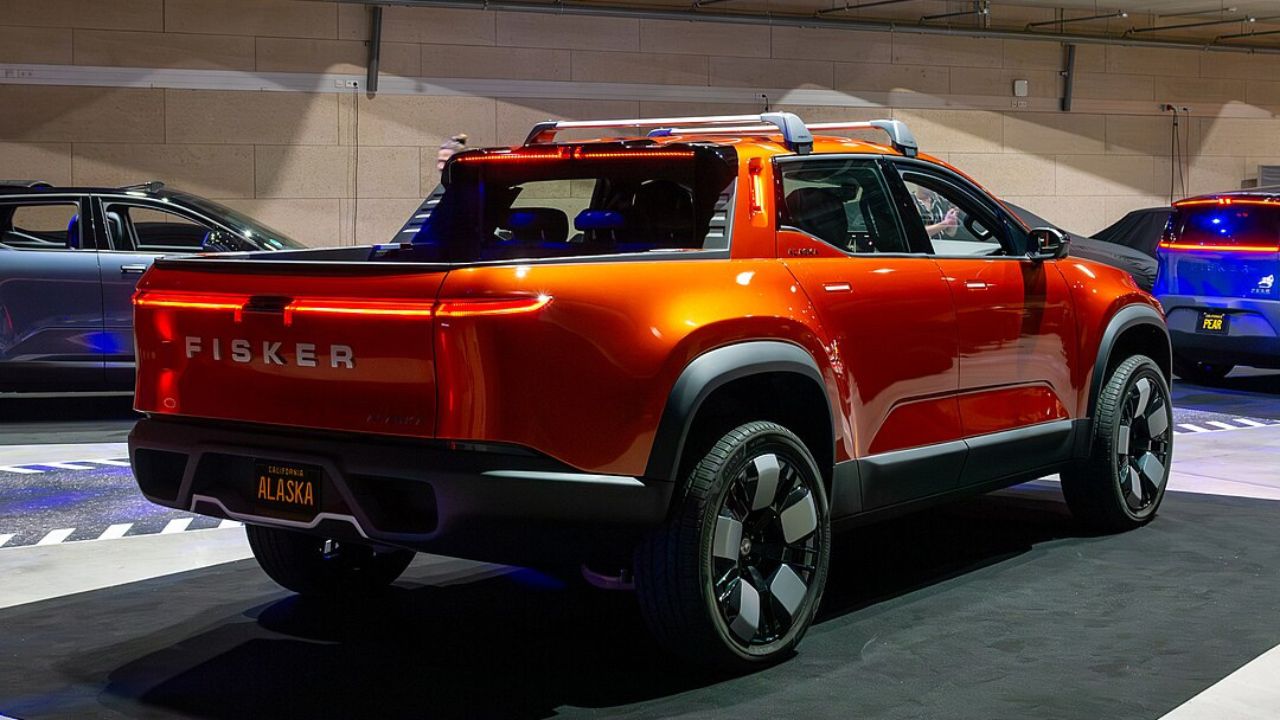
The high initial cost of electric pickup trucks is a major deterrent for many potential buyers. Compared to their gasoline or diesel counterparts, the upfront investment required for an electric model is significantly higher. This financial barrier can be difficult to justify, especially when the performance and utility of electric trucks do not always match expectations.
Depreciation concerns add another layer of complexity to the decision-making process. Electric vehicles tend to depreciate faster than traditional vehicles, partly due to rapidly evolving technology and battery degradation. As new models with improved technology are released, older electric pickups lose value more quickly, affecting their long-term viability as an investment.
While government incentives and rebates are available, they are often insufficient to offset the high purchase price. These incentives can be limited and vary by region, making electric pickups less accessible for average consumers who might otherwise be interested in transitioning to a more environmentally friendly vehicle.
Design and Utility Challenges
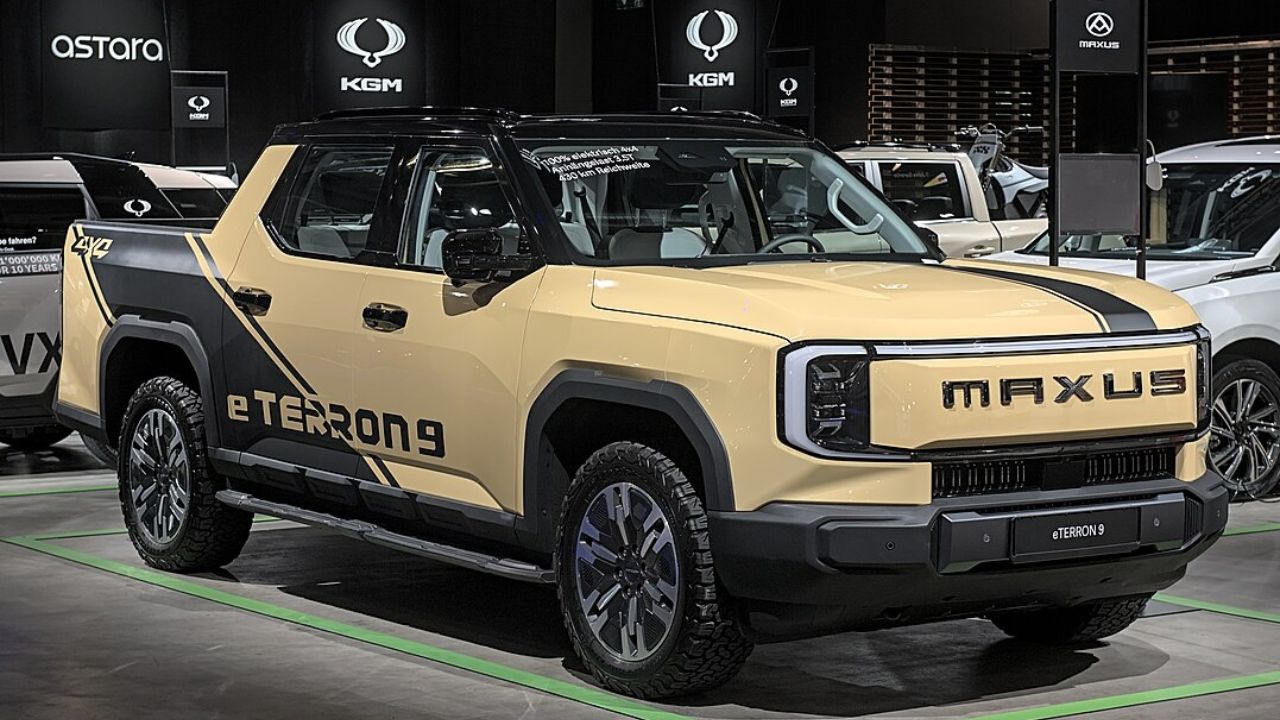
Electric pickups often face payload limitations due to the weight of the battery systems. This constraint reduces their utility for work-related tasks where carrying heavy loads is essential. Traditional truck owners may find this limitation unacceptable, as it compromises one of the core functionalities of a pickup truck.
Cargo space issues also arise from the design of electric pickups. The need to accommodate large battery packs can lead to restricted cargo space, impacting the vehicle’s functionality for traditional truck uses. This limitation can be particularly frustrating for drivers who rely on their trucks for transporting goods or equipment.
Customization restrictions further hinder the appeal of electric pickups. The limited availability of aftermarket parts and accessories makes it difficult for owners to customize their vehicles to suit their specific needs. Traditional truck owners often personalize their vehicles to enhance performance or aesthetics, and the lack of options in the electric sector can be a significant drawback.
Consumer Expectations vs. Reality

There’s a significant gap between marketing promises and the real-world performance of electric pickups. While manufacturers emphasize the environmental benefits and technological advancements, the reality often falls short, leading to consumer dissatisfaction. Drivers may feel misled by marketing campaigns that do not fully disclose the limitations and challenges of electric pickups.
Cultural and lifestyle misalignment is another factor affecting the adoption of electric pickups. Many traditional pickup truck drivers find that electric models do not align with their lifestyle or cultural expectations. The rugged, enduring image associated with traditional trucks is difficult to replicate with electric models, impacting their appeal.
The transition to electric pickups also requires changes in infrastructure and habits that many consumers find inconvenient or impractical. Adjusting to new charging routines and infrastructure can be a significant hurdle, particularly for those who are accustomed to the convenience and familiarity of traditional vehicles. This integration issue can slow down the adoption rate of electric pickups, as consumers weigh the benefits against the potential inconveniences.