European automobile brands have long been synonymous with luxury, capturing the imagination of car enthusiasts and dominating the high-end market. The factors contributing to this enduring dominance range from a rich heritage to technological innovation and beyond, setting a benchmark for what luxury truly means.
Heritage and Legacy
European car brands boast a deep-rooted history that has significantly contributed to their luxury status. Brands like Mercedes-Benz, BMW, and Rolls-Royce have been around for over a century, establishing themselves as pioneers in the automotive industry. This longstanding presence not only provides a sense of trust but also a rich tapestry of historical significance that adds to their allure and mystique.
Iconic models such as the Mercedes-Benz S-Class, known for its elegance and advanced technology, the BMW 7 Series with its dynamic performance, and the Rolls-Royce Phantom, a symbol of opulence, have set the standard for luxury automobiles. These models are not just cars but are seen as milestones in automotive design and engineering, embodying the pinnacle of what European luxury stands for.
The reputation built over decades continues to play a crucial role in consumer trust and brand loyalty. The heritage of European brands is interwoven with stories of innovation, craftsmanship, and a commitment to excellence, which resonate with customers seeking reliability and prestige. This legacy, carefully maintained and enhanced over the years, ensures that these brands remain relevant and desirable in the ever-evolving automotive landscape.
Craftsmanship and Design
Meticulous craftsmanship is a hallmark of European luxury cars, where every detail matters. From handmade components to precision engineering, the focus on quality is evident in every vehicle that rolls off the production line. Brands like Aston Martin and Bentley are renowned for their artisanal approach, where skilled craftsmen and women build cars that are as much about performance as they are about aesthetic beauty.
Sophisticated design plays a crucial role in creating vehicles that stand out in the luxury market. The sleek lines of a Porsche 911 or the timeless elegance of a Jaguar XJ are testaments to the aesthetic appeal that these cars offer. It’s not just about looks; the design is intricately linked to performance, with aerodynamic shapes enhancing driving dynamics and efficiency.
European brands also offer a high degree of customization, allowing buyers to tailor their vehicles to specific tastes and preferences. Whether it’s choosing unique leather interiors, bespoke paint colors, or personalized embroidery, the options are nearly limitless. This level of personalization ensures that each car is not just a mode of transport but a reflection of the owner’s personality and style.
Technological Innovation
European luxury cars are at the forefront of technological innovation, integrating advanced features that enhance both safety and driving pleasure. For instance, the Audi A8 offers a suite of driver-assistance technologies, including adaptive cruise control and night vision assist, while the infotainment systems in the latest Mercedes-Benz models provide seamless connectivity and intuitive operation.
In recent years, European brands have also taken a leading role in sustainability efforts, developing electric models and eco-friendly manufacturing processes. The BMW i8, a plug-in hybrid sports car, and the all-electric Porsche Taycan demonstrate a commitment to sustainable luxury without compromising on performance or style. These initiatives not only cater to the growing demand for environmentally friendly vehicles but also set a benchmark for the industry.
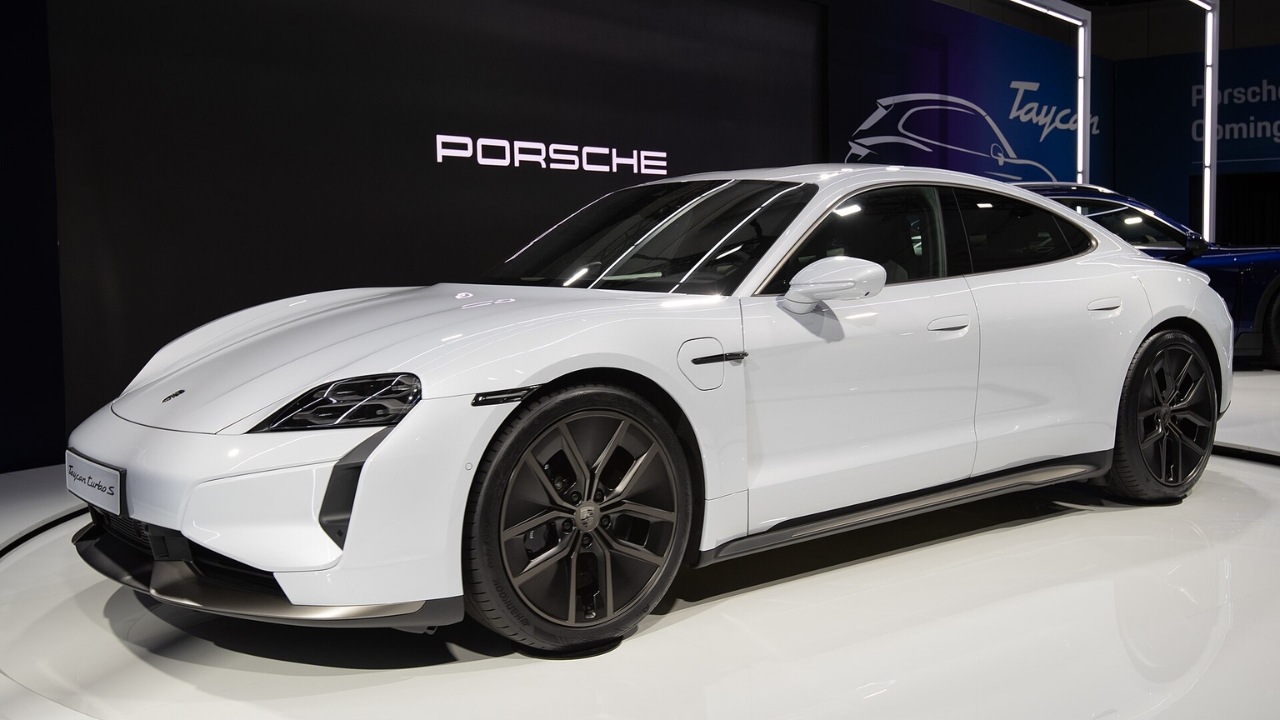
Performance engineering remains a key differentiator, with European luxury cars known for their superior driving experience. The precision handling of a Ferrari or the smooth ride of a Bentley Continental GT showcases the engineering prowess that these brands bring to the table. This relentless pursuit of performance excellence ensures that European cars continue to offer an unparalleled driving experience.
Global Influence and Market Strategy
European brands have strategically positioned themselves in the global market, targeting affluent consumers and maintaining an air of exclusivity. By focusing on quality over quantity, brands like Lamborghini and Bugatti have carved out a niche for themselves, appealing to a discerning clientele willing to pay a premium for superior craftsmanship and performance.
Marketing strategies play a crucial role in maintaining the allure of European luxury cars. Emphasizing heritage, quality, and innovation, these brands craft narratives that resonate with high-end consumers. Campaigns often highlight the storied past and cutting-edge technology of their vehicles, creating a compelling case for why these cars are worth the investment.
Adaptation and expansion are also key to the success of European brands, as they tailor their offerings to different markets. Collaborations with local designers or brand extensions, such as lifestyle products bearing the brand’s name, help maintain their luxury status while appealing to a broader audience. This adaptability ensures that European brands remain relevant and desirable across the globe.
Cultural Impact and Lifestyle
European luxury cars have transcended their role as mere vehicles, becoming symbols of status and success worldwide. Owning a car from brands like Ferrari or Maserati signifies not just wealth but also a certain level of achievement and taste. This cultural significance enhances the desirability of these vehicles, making them coveted possessions among the elite.
Celebrity endorsements and high-profile ownership further amplify the allure of European luxury cars. When figures like David Beckham or Rihanna are spotted driving a Bentley or a Lamborghini, it boosts the brand’s image and desirability. These endorsements serve as powerful marketing tools, aligning the brand with the glamour and prestige of celebrity culture.
European luxury cars also feature prominently in popular culture, reinforcing their status as symbols of luxury. From being showcased in blockbuster films like the James Bond series, where Aston Martins have become iconic, to appearances in music videos and art, these vehicles are firmly embedded in the cultural zeitgeist. This presence underscores their luxury image and continues to captivate the imagination of audiences worldwide.