
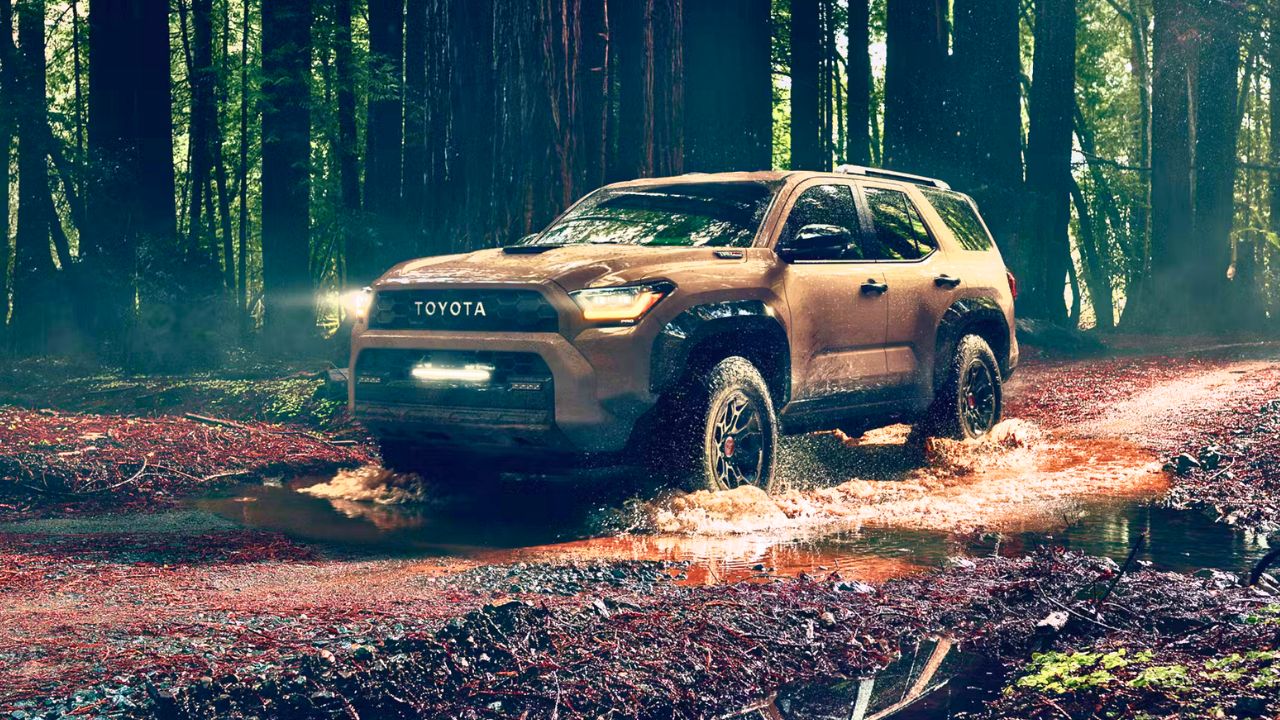
After years of minimal updates, Toyota finally gave the 4Runner the overhaul it’s been needing—and the result is drawing attention from just about everyone who cares about serious off-road capability and long-term reliability. This isn’t just a facelift; it’s a real shift in how the 4Runner feels, drives, and works for people who actually use their SUV for more than grocery runs.
With a new platform, modern tech, and refreshed performance under the hood, the 2025 4Runner is no longer stuck in the past. Here’s what’s actually worth talking about.
It Finally Got the TNGA-F Platform
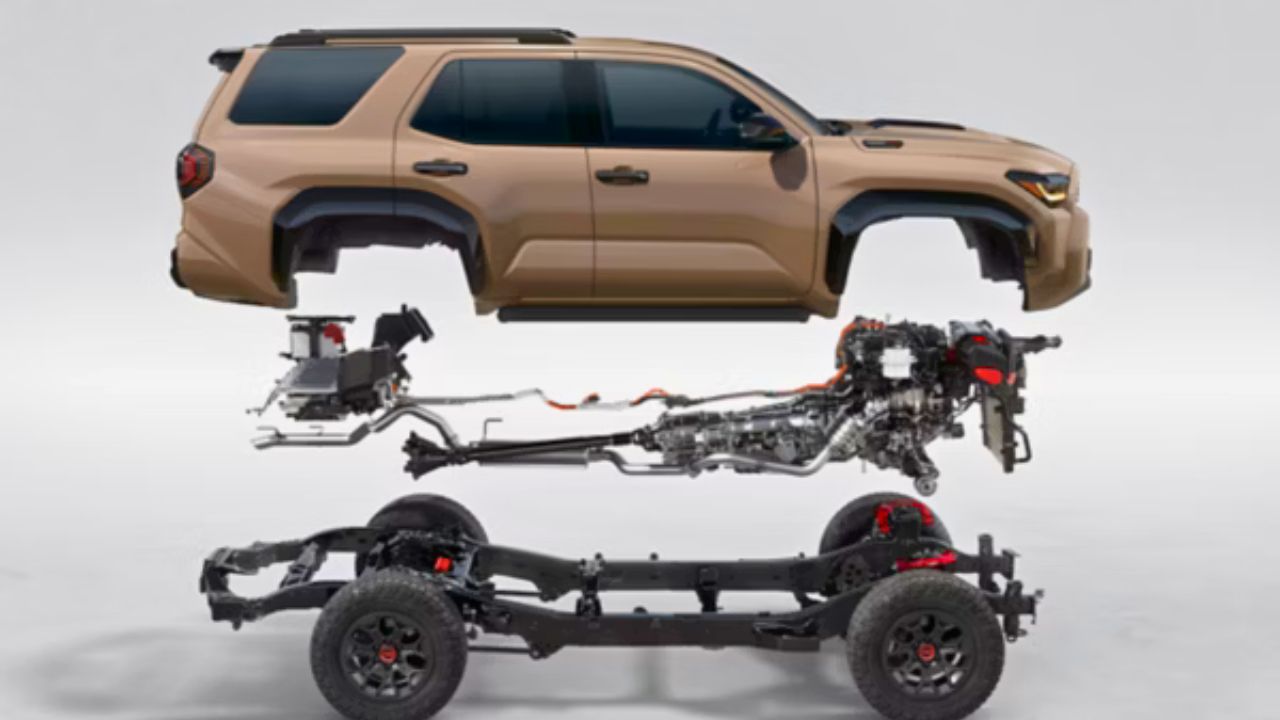
The 2025 4Runner now rides on Toyota’s TNGA-F body-on-frame platform, the same foundation used for the Tacoma and Land Cruiser. This upgrade means better ride quality, improved structural rigidity, and a more refined feel on the road without ditching its body-on-frame toughness.
Off-road, it still brings the same trail cred people expect—but with fewer squeaks, better suspension geometry, and more precise handling. It also paves the way for modern powertrains and safety tech that just didn’t make sense with the old platform.
The Turbo Four Replaces the V6
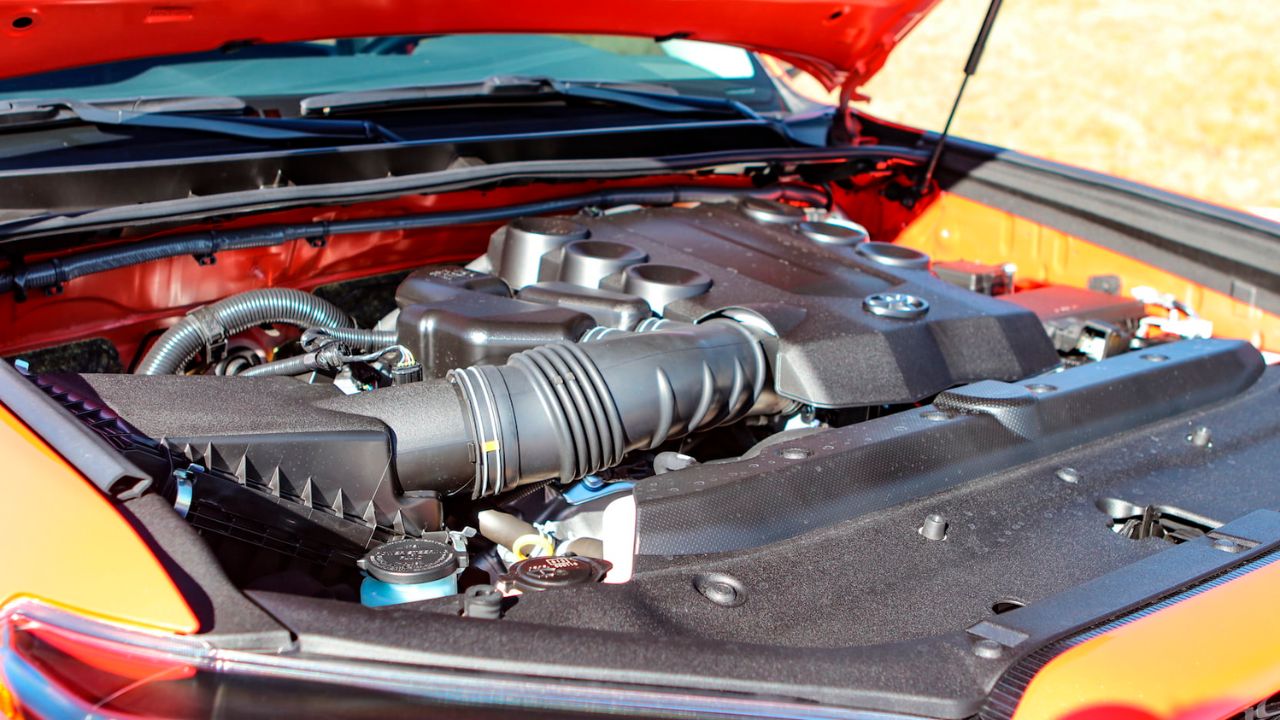
Say goodbye to the aging 4.0L V6. The new 2.4L turbocharged inline-four puts out 278 hp and 317 lb-ft of torque. It’s paired with an 8-speed automatic that feels more responsive than the old 5-speed, especially when passing or climbing hills.
This engine might not sound thrilling on paper, but the low-end torque makes it feel more alive in everyday driving. Plus, the improved fuel economy (mid-20s mpg combined) is a welcome shift for long-time 4Runner drivers used to frequent gas stops.
The Trailhunter Trim Means Business
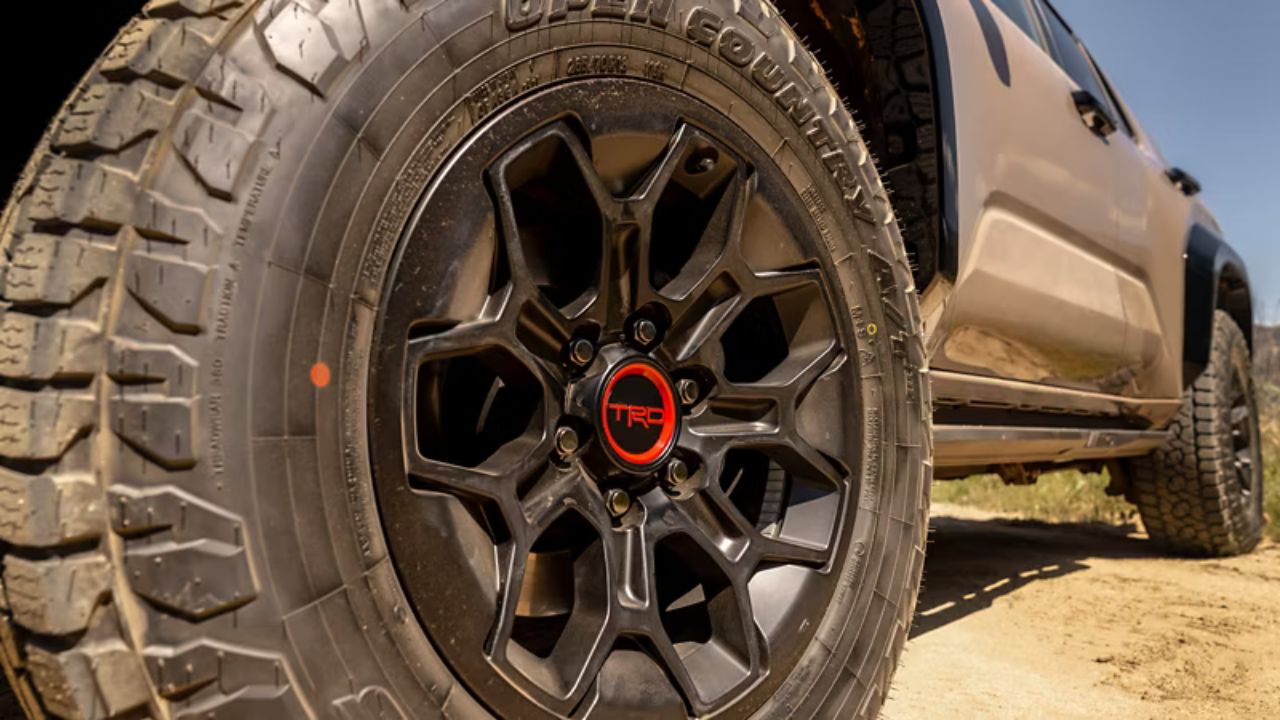
Toyota didn’t just slap on a badge—Trailhunter is a legit overland-ready build straight from the factory. It gets ARB Old Man Emu suspension, rock rails, 33-inch all-terrains, skid plates, and a roof rack designed for actual gear.
It’s not pretending to be rugged—it actually is. It comes pre-wired for accessories, and the rear locker, Multi-Terrain Select, and Crawl Control aren’t just fluff. This trim is for people who want to camp, climb, and explore without hitting the aftermarket catalog right away.
The Cabin Is Finally Up to Date
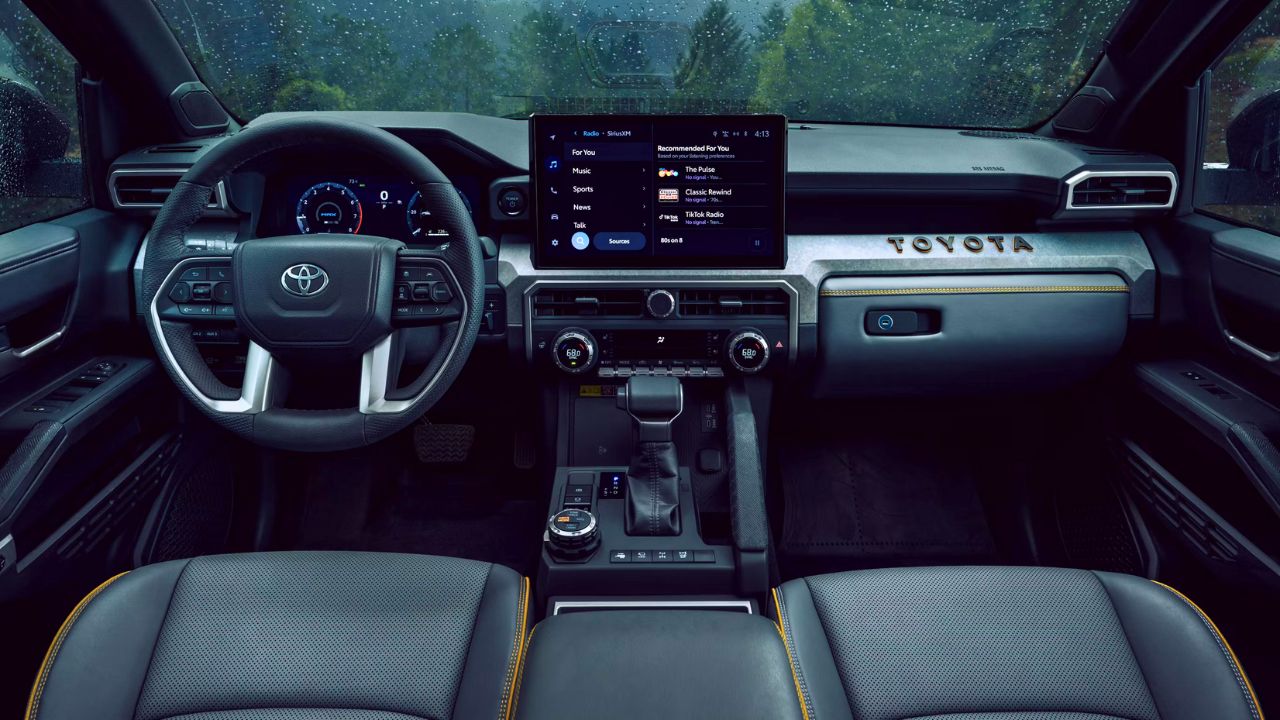
Inside, the 4Runner finally feels like it belongs in the 2020s. There’s an available 14-inch touchscreen running Toyota’s latest infotainment, wireless Apple CarPlay/Android Auto, and digital gauges. Materials are cleaned up too—more soft-touch, less rental-fleet plastic.
There’s also better use of space, improved ergonomics, and smart storage tweaks that make a difference for people who spend real time in their trucks. It’s still not luxury, and that’s not the point. But it no longer feels like Toyota forgot the interior existed.
More Off-Road Tech, Less Guesswork
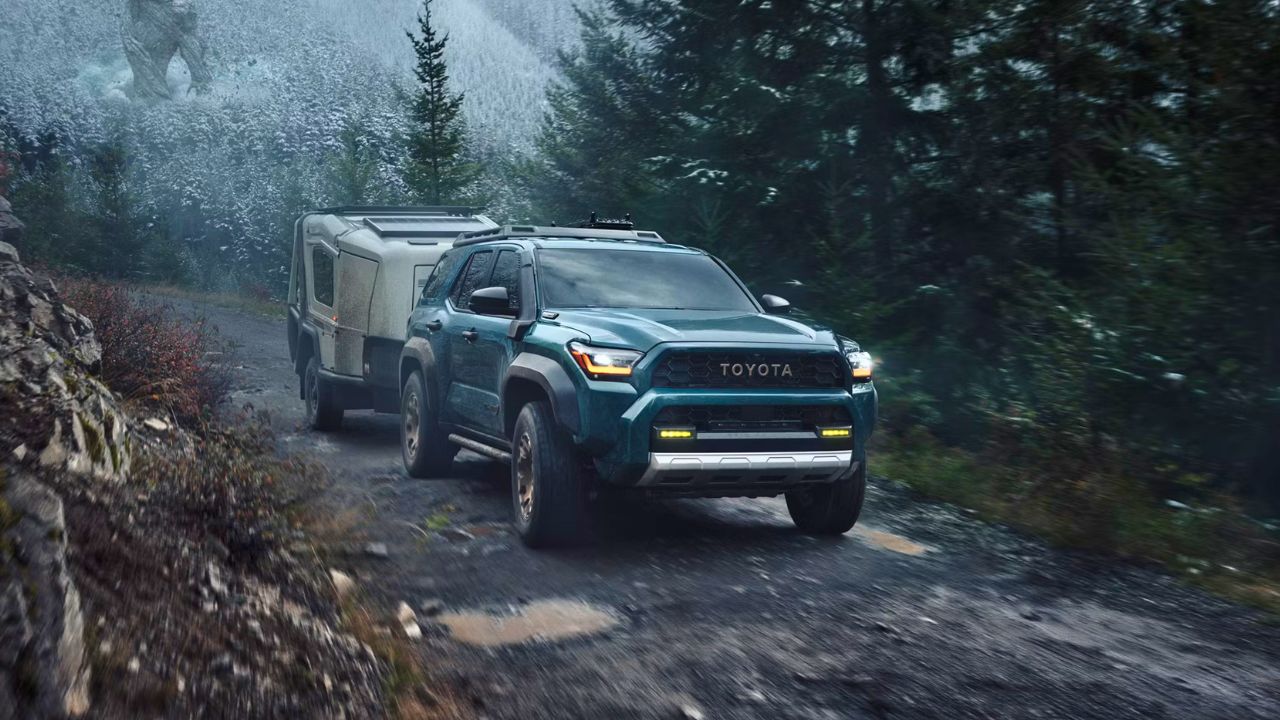
Off-road capability has always been a 4Runner staple, but now the tech helps without getting in the way. Features like Multi-Terrain Monitor, Downhill Assist, and the updated Crawl Control system make tricky trails more manageable—especially for drivers who aren’t rock-crawling pros.
The updated suspension tuning and available KDSS (Kinetic Dynamic Suspension System) allow better wheel articulation without ruining on-road manners. It’s smart without being fussy, and that balance is what makes the new 4Runner easier to use in real-world conditions.
The Hybrid i-FORCE MAX Is Coming
Toyota confirmed that the i-FORCE MAX hybrid powertrain will be available for the 4Runner, though details are still trickling in. Expect the same 326 hp and 465 lb-ft of torque seen in the Tacoma hybrid setup, which is a serious jump over the standard engine.
That torque figure isn’t just a brag—it makes a difference in towing, rock crawling, and getting out of deep ruts or sand. Plus, the hybrid system should bring improved efficiency, which is a rare combination with body-on-frame 4x4s.
Rear Glass Still Drops—Thankfully
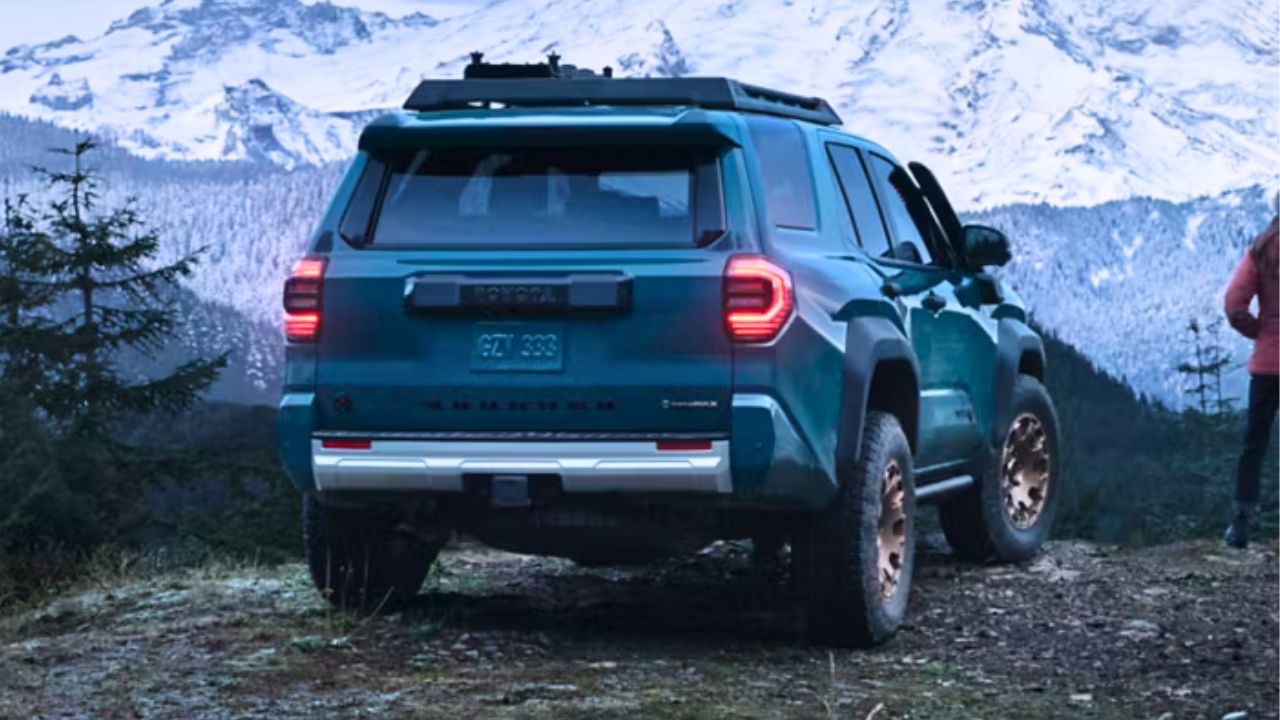
In a rare win for legacy features, Toyota kept the power rear window. It’s one of those small but incredibly useful things that longtime 4Runner drivers love, and thankfully, the redesign didn’t get rid of it for the sake of sleek lines or weight savings.
Whether you’re hauling lumber, dogs, or just want some air while camping, it’s a functional nod to what people actually use their trucks for. In a sea of disappearing physical features, it’s good to see one stick around that still adds real value.
New Suspension Makes It Less Bouncy
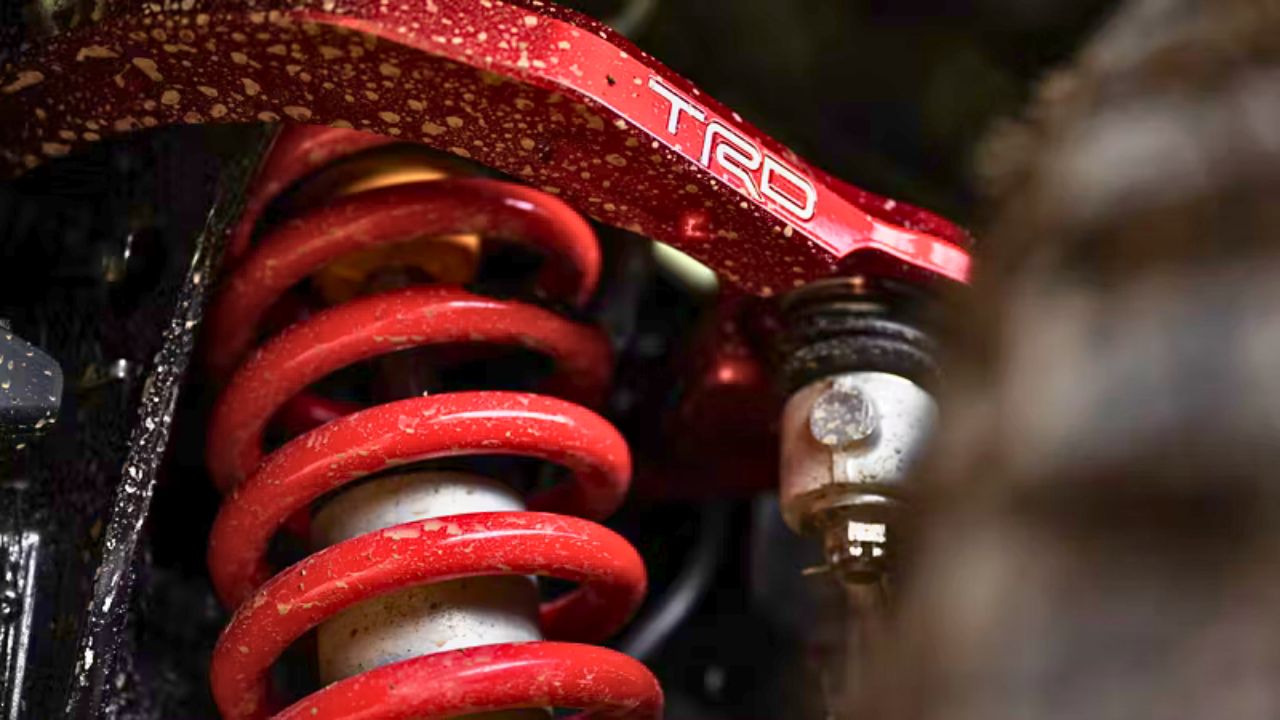
The outgoing 4Runner was famously rugged—and also famously bouncy on pavement. The new suspension setup dials that in. Even in the non-TRD trims, it feels more composed over bumps and ruts without losing its ground clearance or trail capability.
It’s still body-on-frame, so you’ll know you’re in a truck, but it doesn’t crash over potholes or get unsettled when the road gets uneven. The revised damping and coil spring tuning go a long way toward making it feel more refined without softening its off-road edge.
TRD Pro Still Leads the Pack
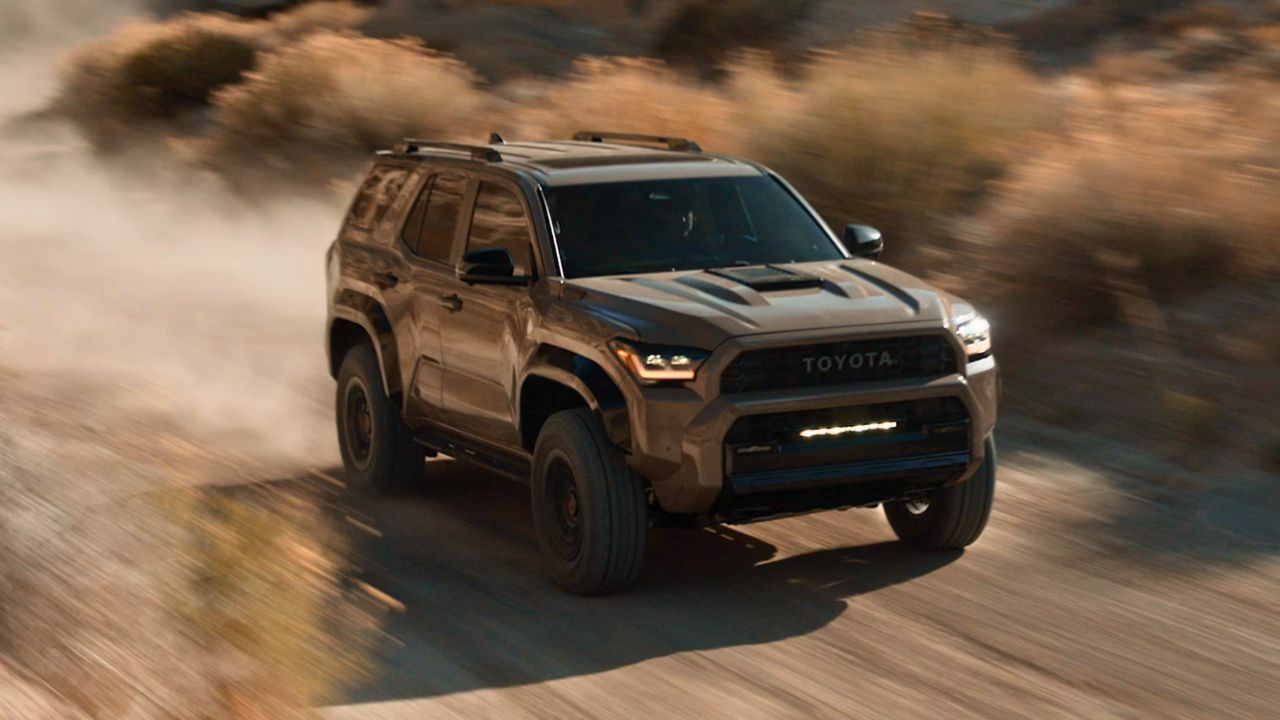
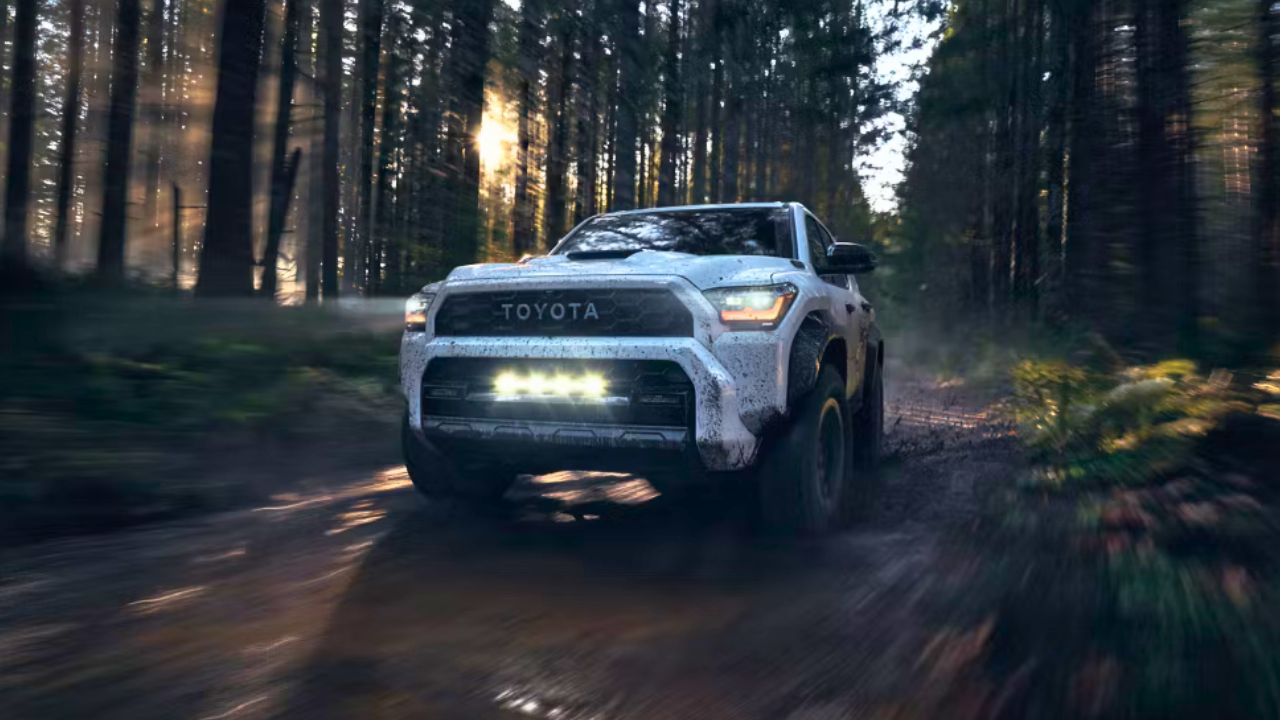
The TRD Pro version returns and still looks the part, with Fox shocks, a high-clearance front bumper, skid plates, and 33-inch tires. It’s not a gimmick—the suspension tuning and added trail hardware actually make a difference if you’re wheeling hard.
It also gets exclusive interior accents, unique badging, and a bit of extra noise insulation. This trim continues to be the choice for buyers who want capability with the support of a factory warranty. And it still looks right at home on muddy trails or tight forest roads.
It’s Still a 4Runner—And That Matters

Despite the updates, the 2025 4Runner didn’t lose the stuff that made it a 4Runner. It’s still a high-clearance, truck-based SUV with a serious off-road resume and resale value that puts most vehicles to shame. It doesn’t pretend to be something it’s not.
For people who’ve had one in the garage for years—or those just tired of soft-road crossovers—the new 4Runner hits the mark. Toyota didn’t reinvent it. They just made it better, smarter, and more usable for the next decade.
Like Fast Lane Only’s content? Be sure to follow us.
Here’s more from us:
*Created with AI assistance and editor review.



Leave a Reply