
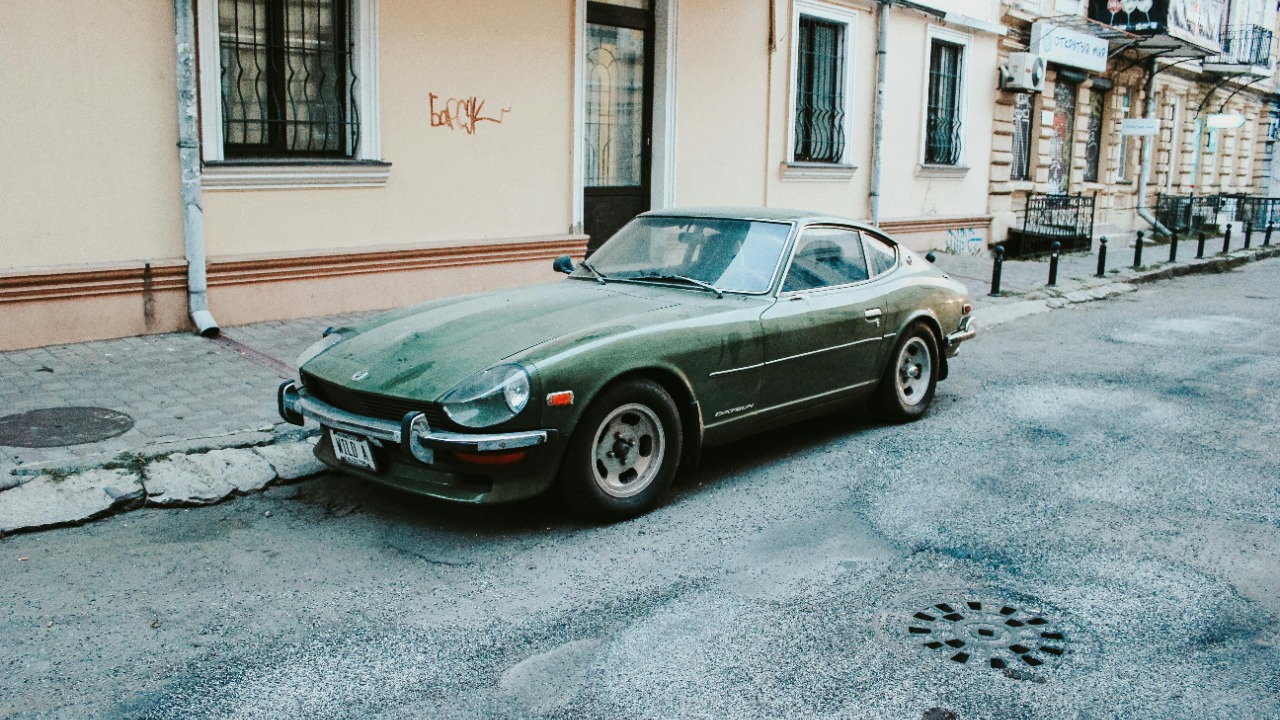
Classic nameplates that once felt out of reach now sit within striking distance of ordinary buyers. Prices on certain forgotten coupes, sedans, and sports cars have softened as tastes shift and newer generations chase different dreams. Enthusiasts who understand why this reset is happening can spot value before the next wave of demand arrives.
When nostalgia stops paying the premium
Collectors once treated every chrome bumper and carbureted V8 as a guaranteed ticket to future profit. That assumption now looks shaky as the people who grew up with 1960s and 1970s icons age out of the market. Jan captures the shift bluntly by noting that Nostalgia has an expiry date and the desire fades as the generation that wanted those cars disappears.
Values increasingly follow emotional demand rather than calendar age alone. Younger buyers often feel more connection to 1990s hot hatches or early 2000s performance sedans than to pre emissions muscle. Analysts of Classic car values already flag softer demand for many pre 1980s classics as buyers pivot toward newer metal, which leaves some once coveted models trading at more realistic numbers.
How rarity and demand can suddenly flip
Scarcity alone no longer guarantees a rising chart. Market watchers stress that Rarity only matters when Demand stays strong, and However, when owners start getting rid of unfashionable models, buyers can bag a bargain. Forgotten trims that once sat in collections now reappear at auction as owners rationalize garages and chase fresher toys.
The Nissan NX illustrates the paradox. The US Model carried a modest MSRP By Model Year Despite its sporty attributes and competitive pricing, the car struggled in period and slipped from public memory. That low profile kept values muted even as surviving examples became incredibly rare, which now gives informed buyers a chance to secure a distinctive Model before wider attention catches up.
Modern classics steal the spotlight
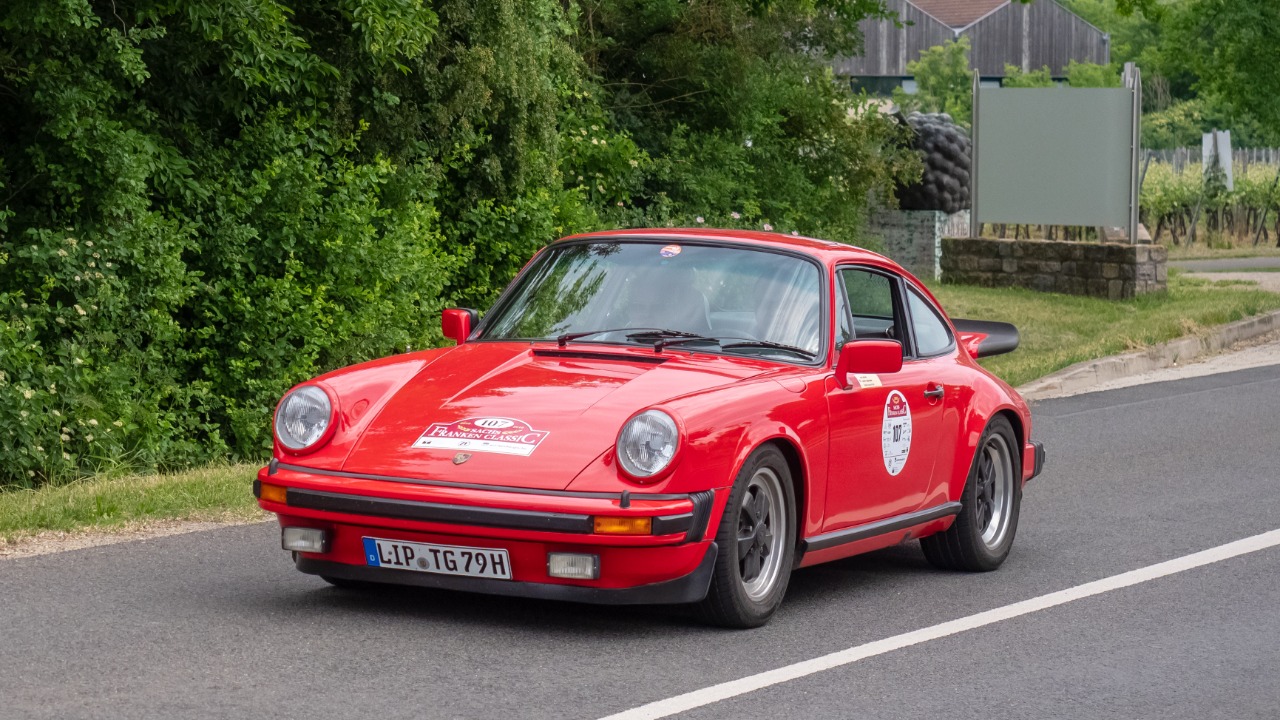
Enthusiasts increasingly chase cars that blend analog feel with modern usability. Analysts note that, Unlike traditional high priced collectibles or rarely driven exotics, many modern classics offer a more affordable option and a realistic entry point for new generations of car enthusiasts. That shift pulls money toward 1980s, 1990s, and early 2000s performance cars and away from some older metal that once dominated concours lawns.
Entry level air cooled Porsches from Porsche AG show how strong this new demand can become. Younger fans discovered these cars and kept the market resilient, and even a broader economic slowdown has not put a lasting dent in prices. As attention and money concentrate on these modern icons, less fashionable classics from earlier eras lose heat, which quietly improves affordability for buyers who still love chrome and carburetors.
Why some classics now look like used cars
Classic car appreciation never followed a simple upward line. Specialists emphasize that Classic car appreciation depends on multiple factors, including purchase price, condition, the model’s rarity, and overall desirability, and they stress that buyers should decide whether the enjoyment justifies the cost. When any of those pillars weaken, prices can flatten or fall until a car trades more like an ordinary used vehicle than a blue chip collectible.
Seasonal forces also push values around. Market guides point out that Why It is Good for buyers When new car models arrive, interest in older models drops and price drops follow for the previous year’s models. Similar psychology hits classics when fresh performance cars launch or when a new halo EV grabs attention, which can nudge owners to accept lower offers on older toys that suddenly feel dated.
Market psychology and stalled sales
Buyer and seller expectations often move out of sync. In some markets, Many owners hold on to their cars while they wait for better prices instead of selling at a loss, which creates a surplus of vehicles and makes the market stagnate. Similar behavior appears in classic circles when sellers anchor to peak auction results from previous years and refuse to recognize softer demand.
Buyers who stay patient can benefit from that stalemate. As storage costs mount and life priorities change, some owners eventually accept reality and list cars at more realistic numbers. Observers of What affordable classics look like note that Many models never become blue chip collectibles and that buyers are unlikely to find limited edition affordable classic cars, which means ordinary trims often carry the best value once sellers finally adjust expectations.
How to separate bargains from money pits
Falling prices do not automatically create smart buys. Seasoned investors stress that Condition is everything and restoration is expensive, with Various factors affecting desirability and originality being the most crucial factors. A cheap but rotten coupe can swallow more money than a well bought, higher priced survivor.
Insurance and ownership costs also matter. Guides to Many affordable classics highlight that buyers should budget for parts, storage, and specialist labor even when the purchase price looks low. Enthusiasts who run the numbers carefully, focus on solid bodies, and target models with stable parts support stand the best chance of turning today’s forgotten classics into tomorrow’s satisfying long term drives.

Leave a Reply