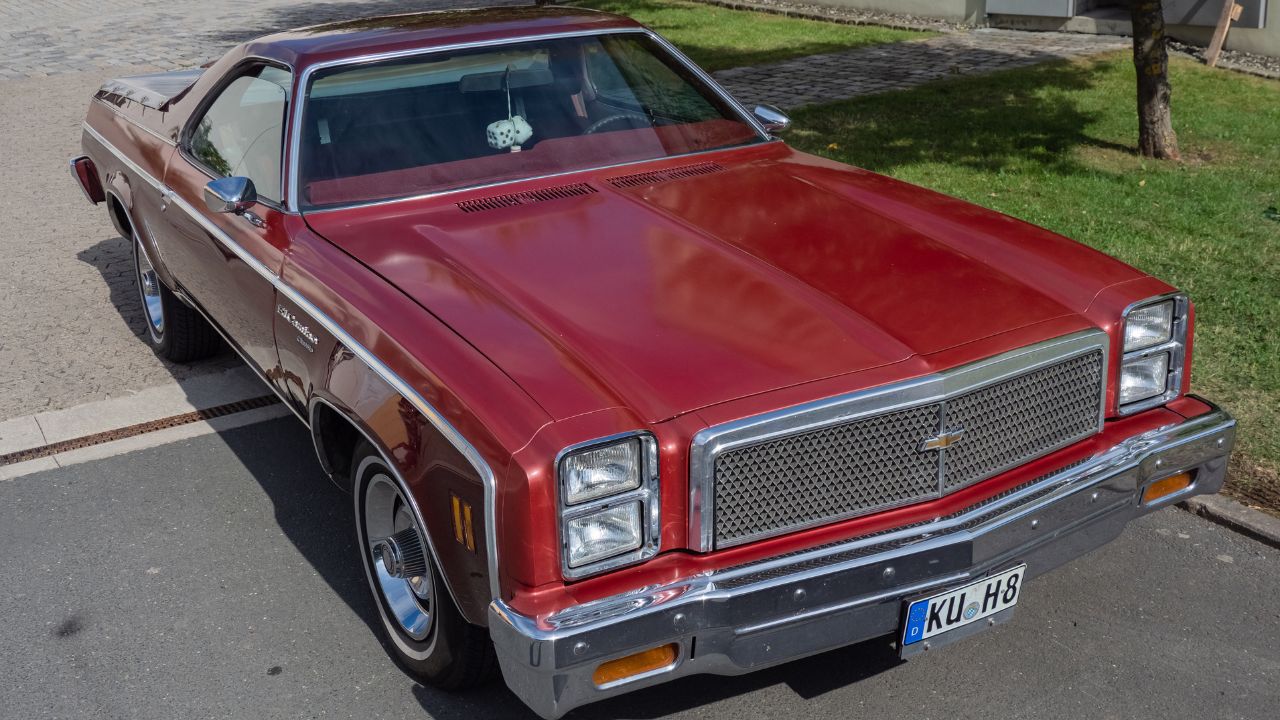
The Chevrolet El Camino, a unique blend of car and truck, has long held a special place in automotive history. Despite persistent rumors and fan enthusiasm, GM has made it clear that there are no plans to revive the iconic El Camino. Understanding the reasons behind GM’s decision requires delving into market dynamics, technological challenges, and the company’s broader brand strategy.
Market Dynamics and Consumer Preferences

In recent years, there has been a noticeable shift in consumer interest towards SUVs and crossovers. These vehicles offer the versatility and space that modern consumers demand, making them far more popular than car-truck hybrids like the El Camino. This trend is a significant factor in GM’s decision to focus on models that align with current market preferences.
From an economic standpoint, the financial implications of developing a niche vehicle like the El Camino are considerable. The potential sales volumes for such a model are likely to be limited, raising profitability concerns. Additionally, the automotive market is already saturated with diverse vehicle options that meet consumer needs more effectively, further diminishing the El Camino’s viability.
Technological and Regulatory Challenges

Today’s stringent emissions and fuel efficiency standards present significant challenges for reintroducing a model like the El Camino. Compliance with these regulations would require substantial innovation, potentially altering the very essence of the classic design that fans love. GM is currently focused on electrification, and their resources are prioritized for the development of electric and autonomous vehicles.
Updating the El Camino’s design to meet modern safety regulations poses another hurdle. Achieving compliance without losing the vehicle’s classic appeal would be difficult. As such, GM’s innovation and platform sharing efforts are more strategically aligned with their electric vehicle initiatives, leaving little room for a retro revival.
Brand Strategy and Heritage

GM places a strong emphasis on core models that align with their brand identity and heritage. The company’s strategic focus is on vehicles that reflect their forward-thinking vision rather than revisiting past designs. Reintroducing a retro model like the El Camino could potentially conflict with this forward-looking brand strategy.
The El Camino has a storied history, and its legacy is perhaps best preserved as a classic rather than attempting to relaunch it. With fans continuing to celebrate its historical significance, GM can maintain the vehicle’s heritage without the risks associated with reviving it for a modern audience.
Alternative Offerings and Future Directions

GM’s current and future vehicle lineup aims to address various consumer needs, thereby eliminating the necessity for an El Camino revival. The company’s commitment to electric vehicles underscores a strategic direction that leaves limited room for niche retro models. This focus aligns with both market demands and regulatory requirements, ensuring GM remains competitive in the evolving automotive landscape.
While the El Camino may not be making a comeback, GM continues to engage fans through concept cars, allowing for market interest testing without committing to production. This strategy not only fosters fan engagement but also enables GM to explore innovative designs that could influence future offerings.
Like Fast Lane Only’s content? Be sure to follow us.
Here’s more from us:
*Created with AI assistance and editor review.