Heated seats, once the hallmark of luxury vehicles, have transitioned into a contentious paywall in the automotive market. This shift raises questions about consumer expectations, manufacturing costs, and the broader implications for both car buyers and manufacturers.
The Evolution of Heated Seats in the Automotive Industry
Heated seats made their debut in the automotive world in the late 1970s, primarily featured in high-end models like the 1980 Cadillac Eldorado. Initially, these seats were considered a luxury, providing comfort during cold weather. Over the following decades, advancements in technology allowed automakers to incorporate heated seats into a wider range of vehicles, including mid-range sedans and SUVs. By the late 2000s, heated seats became a standard feature in many vehicles, reflecting a shift in consumer expectations.
As consumer demand for comfort and convenience increased, manufacturers responded by integrating heated seats into more affordable models. Brands like Honda and Toyota began offering this feature in their mid-tier models, such as the Honda Accord and Toyota Camry. This democratization of heated seats indicated a growing appetite for enhanced driving experiences, leading consumers to expect such features even in budget-friendly options.
The Rise of Subscription Models in Automotive Features
In recent years, a notable trend has emerged where automakers are monetizing features like heated seats through subscription services. BMW, for instance, introduced a subscription model for heated seat functionality in the 2022 BMW X5, allowing owners to activate the feature via a monthly fee. However, after widespread criticism, BMW ultimately chose not to proceed with the subscription model. This strategy nonetheless illustrates an experimental approach to generating revenue from features that were once included as standard equipment.
The impact of digital technology has been profound in this transition. With the rise of app-based controls, features like heated seats can be activated through smartphone applications. Tesla has been a pioneer in this area, leveraging software updates to offer new functionalities, including heated seats, as optional purchases. However, consumer reactions have been mixed; many feel frustrated at being charged for features that were previously standard and are questioning the value of such subscription models.
The Economics Behind Heated Seats as a Paywall
An examination of the economics behind heated seats as a paywall reveals significant implications for both manufacturers and consumers. From a cost-benefit perspective, automakers can reduce the base price of vehicles by offering features like heated seats as optional add-ons. This segmentation allows companies to target different market segments effectively. For example, a luxury car buyer might be willing to pay more for a vehicle that includes premium features, while a budget-conscious consumer may prefer a more stripped-down version.
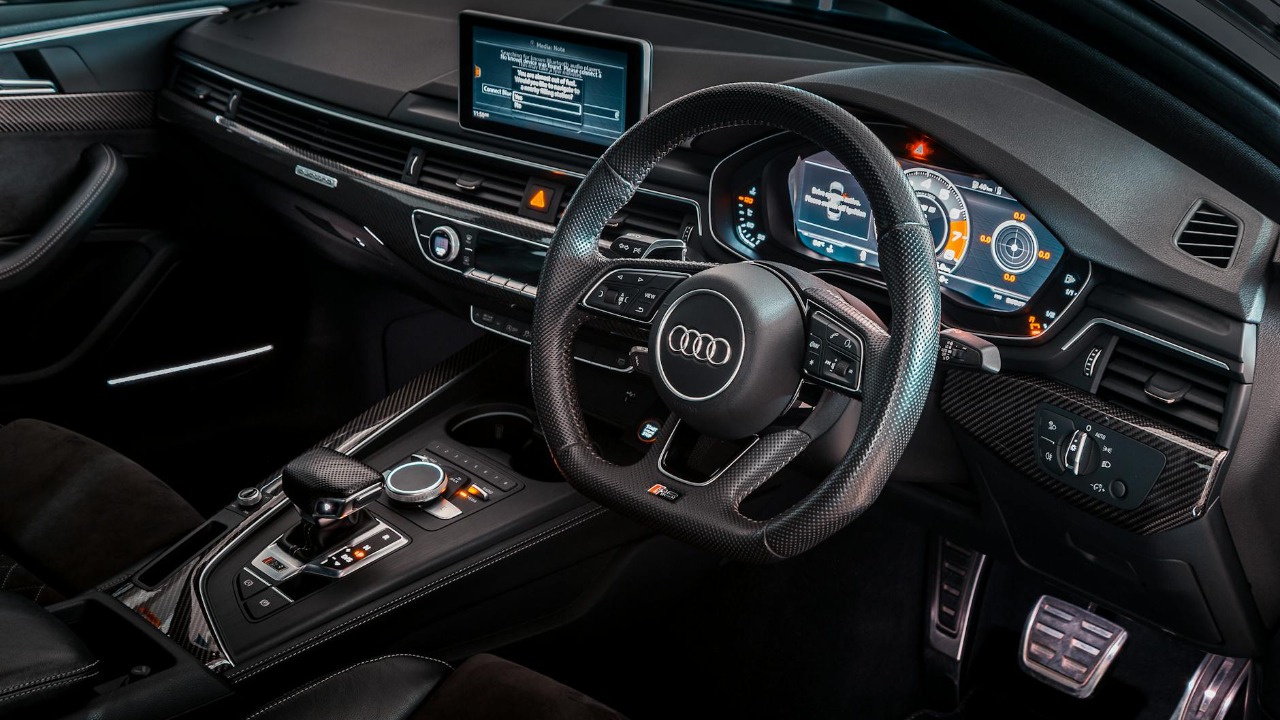
Profit margins also play a critical role in this equation. By charging for features that were once standard, manufacturers can boost their revenue streams. According to industry analysts, the subscription model for features like heated seats can generate significant profits, with some estimates suggesting that automakers can increase their revenues through these strategies. This financial incentive may lead to a continued reliance on paywalls for features that were previously considered essential.
The Future of Heated Seats and Automotive Innovation
The future of heated seats remains uncertain. Will they continue to be a paywall, or might they revert to being standard features? As consumer advocacy grows, automakers may need to reassess their strategies. Public sentiment around paying for basic comfort features could influence policy changes, potentially leading to a return of heated seats as a standard offering.
Sustainability is also likely to play a role in the evolution of heated seats. With the automotive industry increasingly focusing on eco-friendly technologies, there may be innovations that allow for more energy-efficient heating systems. For example, heated seats could be designed to consume less power in electric vehicles, making them a more viable feature without the environmental cost. As technology progresses, it will be intriguing to see how heated seats adapt to meet the changing demands of consumers and the planet.