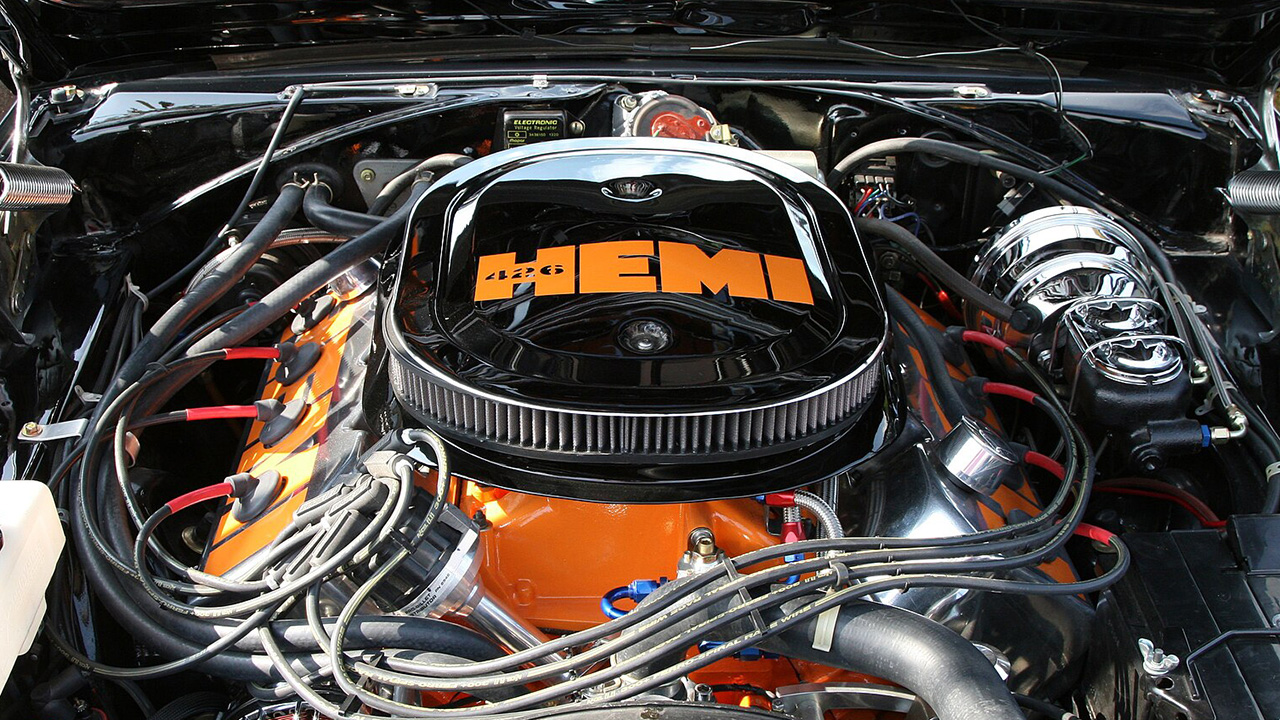
Hemi-powered cars have long been celebrated in the automotive world for their unique engineering and performance prowess. Known for their robust engines and historical significance, these vehicles often command the highest prices in the market. This article delves into the reasons why Hemi-powered cars remain highly coveted by collectors and enthusiasts alike.
The Engineering Marvel of Hemi Engines
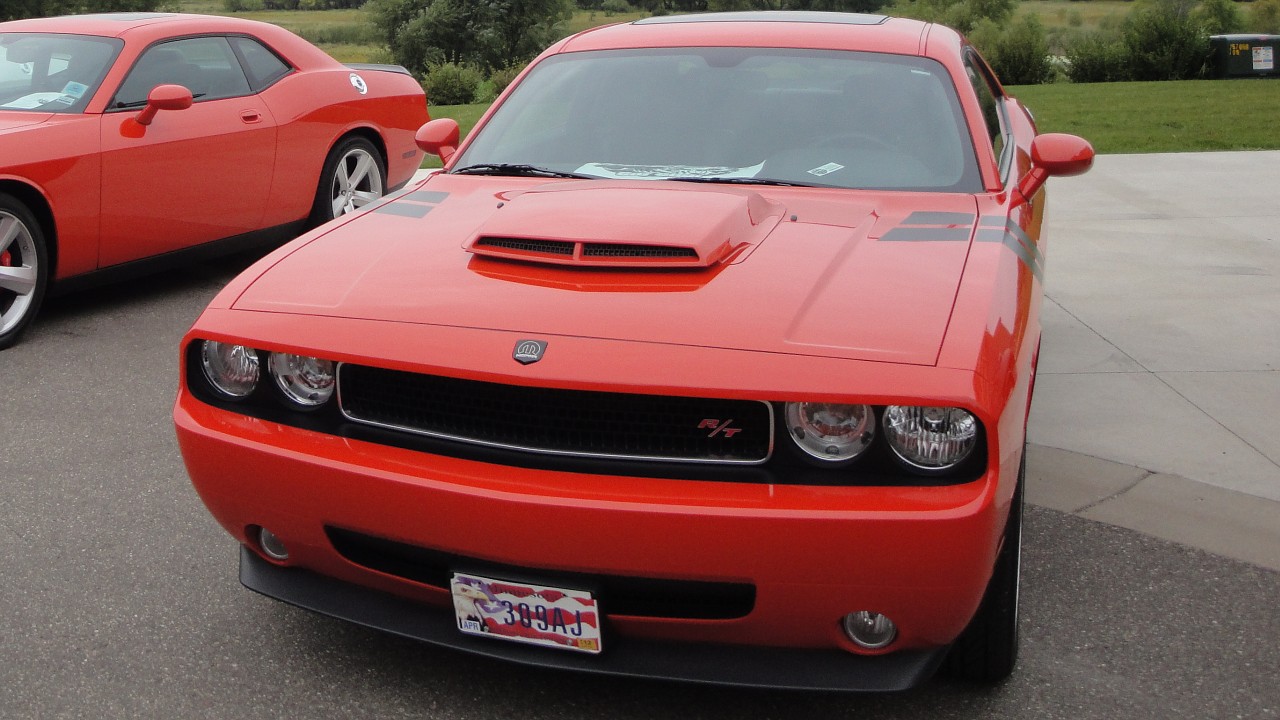
The hallmark of Hemi engines lies in their distinctive hemispherical combustion chambers. This design allows for efficient airflow and combustion, reducing heat loss and maximizing power output. Unlike flat-head engines, the Hemi’s hemispherical shape improves the engine’s breathing capabilities, resulting in more efficient fuel consumption and high performance. This engineering feat grants Hemi engines a unique edge in the automotive world, making them a favorite among those who appreciate both power and precision.
Performance benefits are at the core of the Hemi engine’s reputation. With their ability to deliver exceptional power and torque, these engines are a staple among performance enthusiasts. Take the 1970 Dodge Challenger R/T, for instance. This model was equipped with the formidable 426 Hemi engine, producing 425 horsepower and 490 lb-ft of torque. Such performance figures allow for breathtaking acceleration and top-end speed, characteristics that have cemented the Hemi’s place in automotive history.
The Hemi engine has evolved significantly over the decades. From its early days in the 1950s, when Chrysler first introduced the “FirePower” Hemi, to the modern iterations found in today’s vehicles, technological advancements have continually enhanced its capabilities. Innovations such as multi-displacement systems (MDS) and variable valve timing (VVT) have ensured that Hemi engines deliver performance while meeting contemporary efficiency standards. This evolution reflects the adaptability and enduring allure of Hemi technology.
Historical Significance and Cultural Impact

The muscle car era of the 1960s and 1970s is synonymous with raw power and aggressive styling, and Hemi engines were at the heart of this movement. During this time, vehicles like the 1969 Plymouth Road Runner and the 1971 Dodge Charger became icons, thanks in large part to their Hemi powertrains. These cars were more than just modes of transportation; they represented freedom and rebellion, embodying the spirit of an entire generation.
Among the most iconic Hemi-powered models are the Dodge Charger and Plymouth Barracuda. The 1971 Plymouth Barracuda, for example, with its 426 Hemi engine, is a testament to the era’s performance capabilities. These cars have transcended their initial purpose, becoming cultural icons that continue to inspire. From the big screen to music videos, Hemi-powered cars have left an indelible mark on pop culture, further fueling their desirability.
Hemi-powered cars have also been prominently featured in films and media, enhancing their allure. The 1970 Dodge Charger famously appeared in the “Fast & Furious” franchise, showcasing its power and style to a global audience. Such portrayals have helped solidify the Hemi’s place in popular culture, ensuring that these vehicles remain aspirational symbols of performance and style.
Rarity and Exclusivity
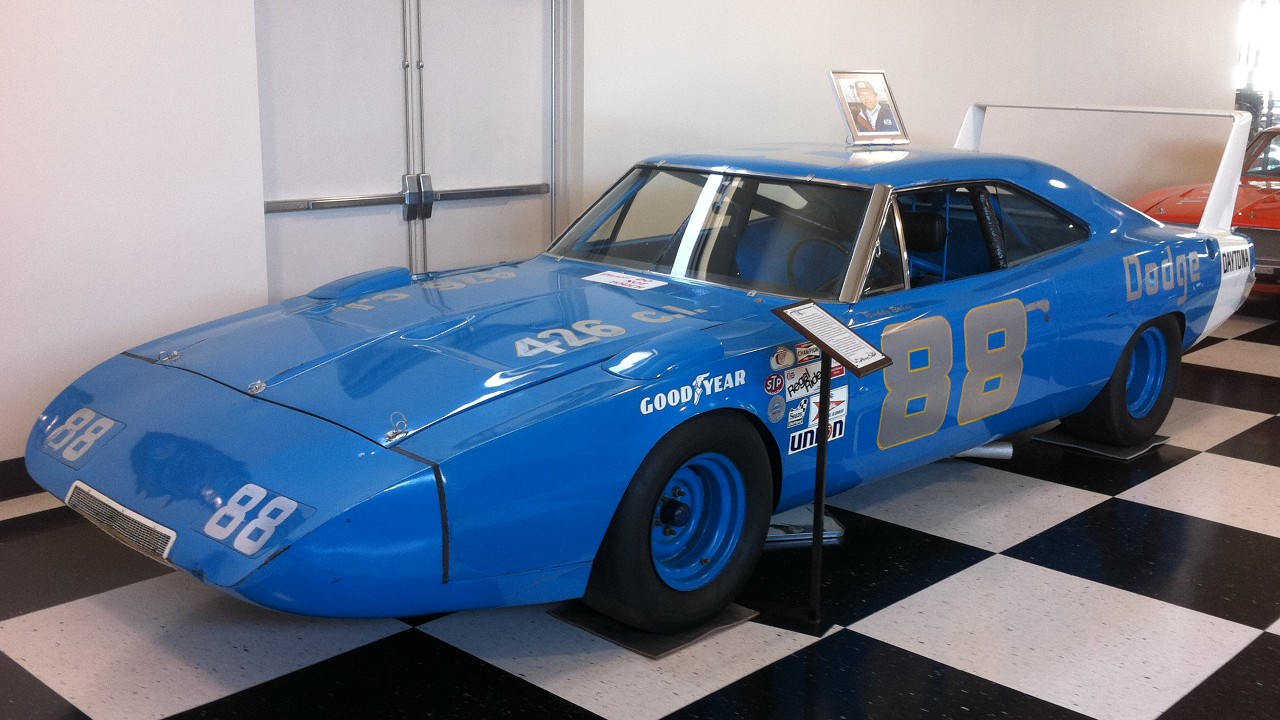
The scarcity of Hemi-powered models significantly contributes to their desirability. Many of these cars were produced in limited numbers, adding to their exclusivity. For instance, the 1969 Dodge Charger Daytona with a Hemi engine saw only a handful of units produced, making it a rare find in today’s market. This limited production has only intensified the competition among collectors to own a piece of automotive history.
Special editions and collectible Hemi vehicles hold a special place in the hearts of enthusiasts. The 1971 Dodge Challenger R/T with a 426 Hemi engine is one such example, often considered the holy grail among collectors. These cars not only offer a glimpse into a bygone era but also represent a significant investment opportunity due to their rarity and historical significance.
Recent auction trends underscore the premium prices these cars command. A 1970 Plymouth Hemi ‘Cuda Convertible, for example, fetched over $2 million at auction, highlighting the market’s willingness to pay top dollar for these coveted machines. This trend reflects the ongoing demand for Hemi-powered vehicles and their status as prized collectibles among car enthusiasts.
Performance and Driving Experience
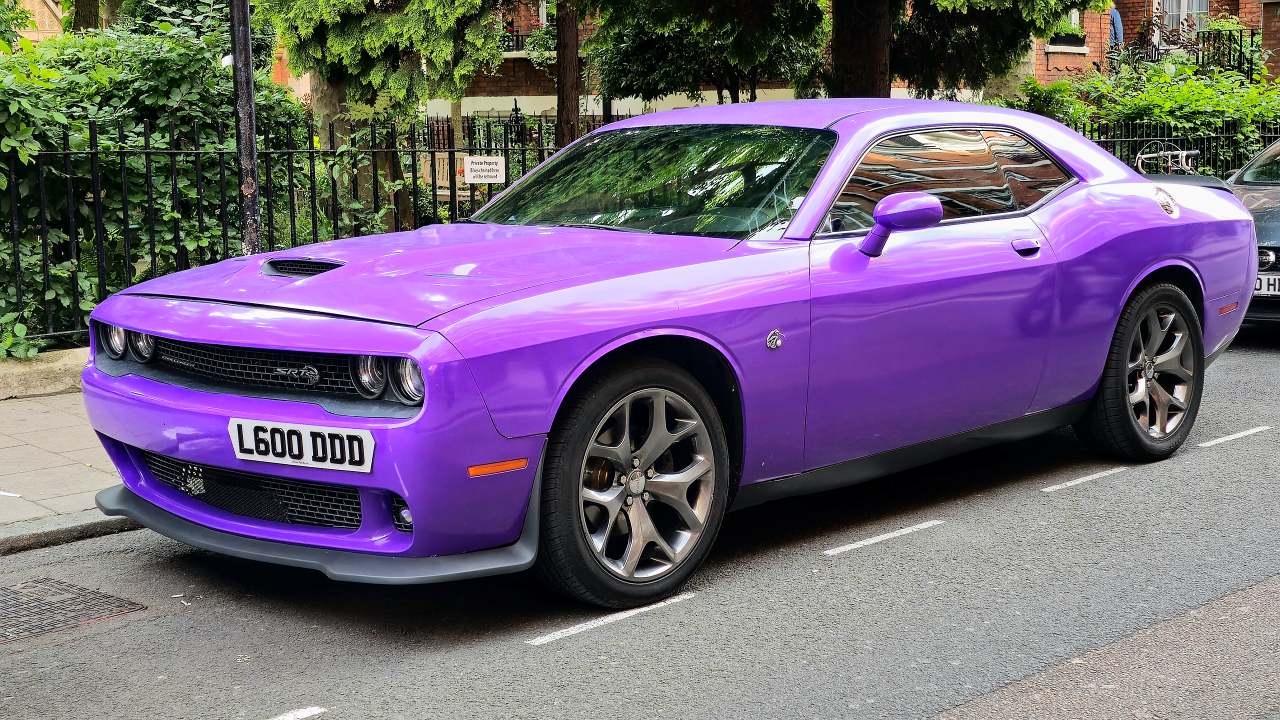
The driving experience offered by Hemi-powered cars is unlike any other. With their raw power and thrilling acceleration, vehicles like the 2021 Dodge Challenger SRT Hellcat exemplify the exhilarating performance that has captivated drivers for decades. The combination of a powerful Hemi engine and a well-tuned chassis provides an unmatched driving experience that appeals to those with a passion for speed and performance.
Enthusiasts of Hemi-powered cars form a dedicated community, united by their appreciation for performance and authenticity. Car clubs, online forums, and enthusiast gatherings provide platforms for like-minded individuals to share their passion and knowledge. This community fosters a sense of camaraderie and ensures that the legacy of Hemi-powered vehicles continues to thrive.
Modern automotive companies have also embraced Hemi technology, incorporating it into contemporary vehicles. The 2023 Ram 1500, for example, offers a 5.7-liter Hemi V8 engine, showcasing how the essence of the original design has been maintained while adapting to modern needs. This integration of classic engineering with modern innovation ensures that Hemi engines remain relevant and revered.
Investment Potential

Hemi-powered cars have demonstrated impressive appreciation over time, making them attractive investments. Historical price trends reveal how models like the 1970 Plymouth Hemi ‘Cuda have seen substantial increases in value, with some examples appreciating by hundreds of thousands of dollars. This appreciation reflects both the rarity and the enduring appeal of Hemi-powered vehicles.
Market demand for Hemi-powered cars remains robust, driven by factors such as historical significance, performance, and cultural impact. Collectors and enthusiasts are willing to invest in these vehicles, recognizing their potential for continued appreciation. The combination of rarity and performance makes Hemi-powered cars a compelling choice for those looking to diversify their investment portfolios.
Experts in the automotive field agree that the future of Hemi-powered car values remains bright. Many believe that as the demand for classic cars continues to grow, so too will the value of these iconic machines. The blend of engineering excellence, cultural significance, and scarcity ensures that Hemi-powered vehicles will continue to hold a special place in the market, appealing to both collectors and investors alike.