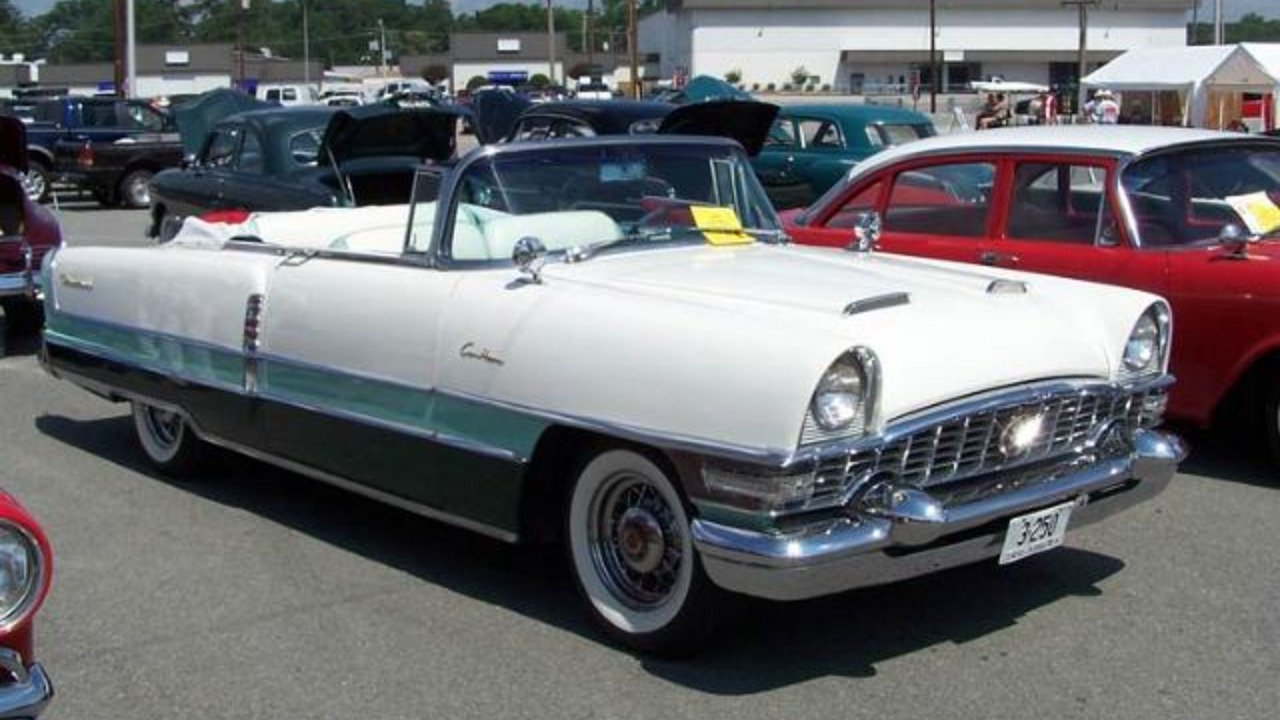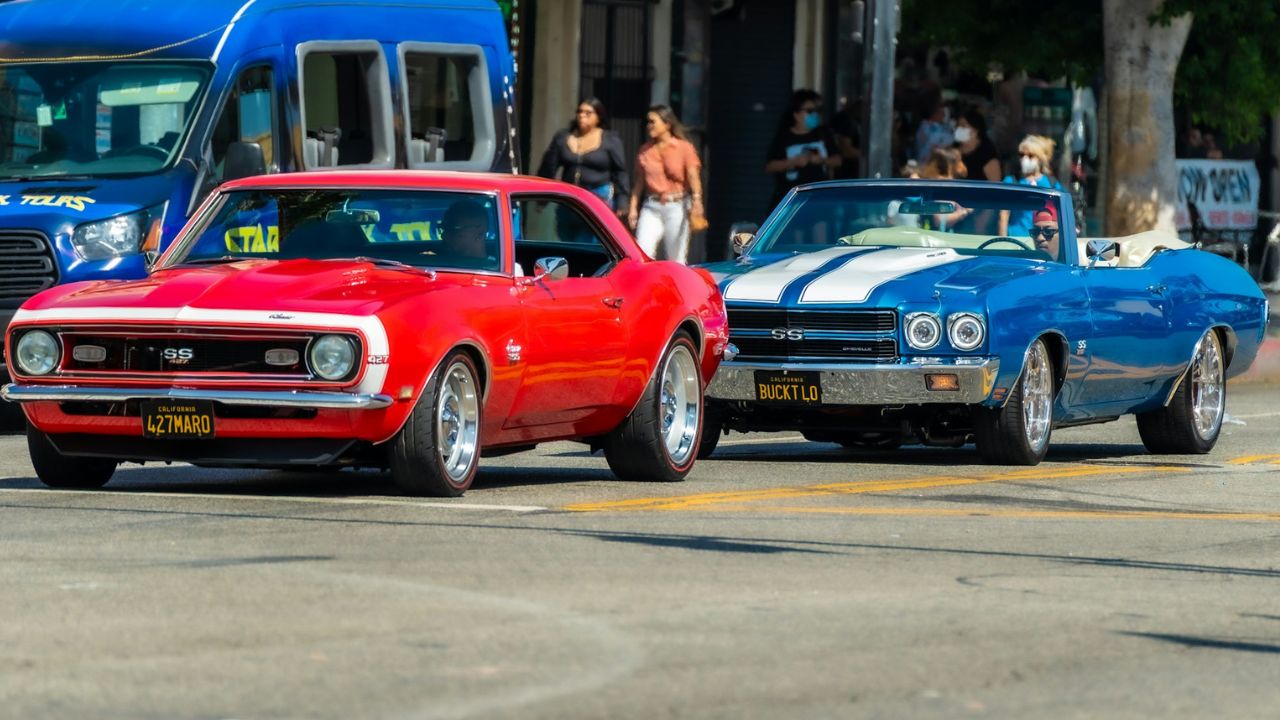
Muscle cars have long been an emblem of American automotive prowess, capturing the imagination of car enthusiasts and casual drivers alike. Despite the evolution of the automotive industry and shifts towards more sustainable transportation, muscle cars continue to hold a special place in American culture. Their enduring appeal and cultural significance are worth exploring, as these high-performance vehicles symbolize a unique era and spirit that persists to this day.
Historical Significance
The origins of muscle cars date back to the 1960s, a decade marked by innovation and a burgeoning car culture. The 1964 Pontiac GTO is often credited as the first true muscle car, setting a precedent that other manufacturers would quickly follow. Key models such as the Ford Mustang, introduced in 1964, and the Chevrolet Camaro, debuting in 1966, quickly became icons. These cars were designed to offer high performance at an affordable price, appealing to a youthful market eager for speed and style.
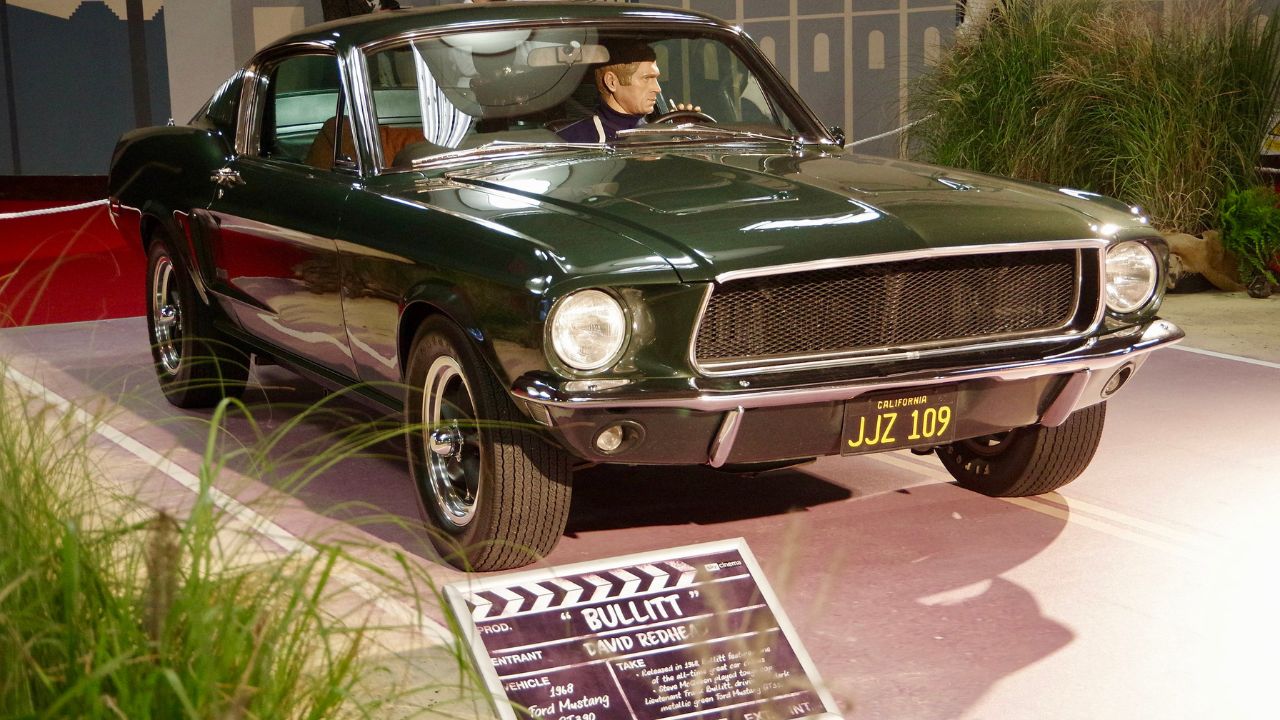
Muscle cars became symbols of freedom and rebellion during the 1960s and 1970s, a time when American society was experiencing significant cultural shifts. The raw power and aggressive styling of these vehicles resonated with a generation seeking to challenge norms and assert individuality. Shows like “The Dukes of Hazzard” and films like “Bullitt” and “Vanishing Point” further entrenched muscle cars in the public consciousness, portraying them as vehicles of choice for those living on their own terms.
While muscle cars have evolved over time, adapting to changes in design and technology, they have managed to maintain their core appeal. The Dodge Challenger, for example, has seen numerous iterations since its 1970 debut but continues to capture the essence of what makes a muscle car special. Modern versions incorporate advanced engineering and technology, such as fuel-efficient engines and enhanced safety features, while preserving the powerful performance and bold aesthetics that enthusiasts love.
Performance and Engineering
At the heart of every muscle car is its engine, an engineering marvel designed to deliver exceptional power and speed. The 1969 Chevrolet Camaro ZL1, for instance, boasted an impressive 427-cubic-inch V8 engine, capable of producing over 500 horsepower. This focus on performance is a defining characteristic of muscle cars, ensuring they remain top contenders in the world of high-speed driving.
Design aesthetics play a crucial role in the appeal of muscle cars. Their distinctive styling elements, such as wide stances, aggressive front grilles, and sleek lines, make them instantly recognizable. The 1971 Plymouth Barracuda, with its bold bodywork and eye-catching colors, exemplifies the visual impact these cars can have. Such design choices not only enhance performance but also contribute to the car’s overall allure.
In recent years, muscle cars have embraced innovation and technology to modernize without compromising their performance heritage. The 2020 Ford Mustang Shelby GT500, for example, features a supercharged V8 engine and advanced aerodynamics, allowing for both impressive speed and improved handling. These advancements ensure that muscle cars continue to offer thrilling driving experiences, appealing to both traditionalists and a new generation of car enthusiasts.
Pop Culture and Media Representation
Muscle cars have enjoyed prominent roles in pop culture, appearing in countless movies, TV shows, and music videos. The 1968 Ford Mustang GT fastback driven by Steve McQueen in “Bullitt” remains one of the most iconic film cars of all time, thanks to its unforgettable chase scenes. Similarly, the Dodge Charger from “The Fast and the Furious” franchise has become synonymous with high-octane action and street racing culture.
Celebrity endorsements have further contributed to the allure and mystique of muscle cars. Stars like Jay Leno and John Cena are known for their extensive collections, showcasing both classic and modern models. These public figures often speak about their passion for muscle cars, highlighting the vehicles’ unique blend of performance and style. Such endorsements help maintain the cars’ status as aspirational symbols of success and individuality.
Muscle cars have influenced automotive trends beyond their own segment, often serving as benchmarks for car design. The aggressive styling and performance capabilities of vehicles like the 2018 Dodge Challenger SRT Demon have inspired other manufacturers to adopt similar elements in their own models. This cross-pollination of design ideas ensures that the spirit of muscle cars continues to resonate across the automotive industry.
Community and Enthusiast Culture
The muscle car community is vibrant and dynamic, with car clubs and events playing a pivotal role in fostering a sense of camaraderie among enthusiasts. Events like the Woodward Dream Cruise and Hot Rod Power Tour attract thousands of participants and spectators, celebrating the legacy and ongoing appeal of these vehicles. These gatherings provide opportunities for enthusiasts to connect, share experiences, and showcase their prized possessions.
Restoration and customization are integral aspects of muscle car culture, allowing enthusiasts to breathe new life into classic models. Projects involving cars like the 1970 Chevrolet Chevelle SS demonstrate the dedication and skill required to restore these vehicles to their former glory. Customization options, ranging from engine upgrades to aesthetic modifications, enable owners to personalize their cars, ensuring they remain unique expressions of individual taste and style.
Muscle cars possess an intergenerational appeal, attracting both older enthusiasts who remember the heyday of these vehicles and younger audiences discovering them for the first time. The shared passion for muscle cars can bridge generational gaps, fostering connections between different age groups. This enduring appeal ensures that muscle cars will continue to captivate new generations of car lovers for years to come.
Economic and Market Factors
The market demand for muscle cars remains robust, with both new and classic models attracting significant interest. Vehicles like the 2021 Dodge Charger SRT Hellcat Redeye exemplify the ongoing appeal of modern muscle cars, offering cutting-edge performance and technology. Meanwhile, classic models such as the 1969 Pontiac Firebird Trans Am continue to be highly sought after by collectors and enthusiasts.
Muscle cars have also proven to be sound investment vehicles, with certain models appreciating significantly over time. The rarity and desirability of cars like the 1970 Plymouth Hemi ‘Cuda contribute to their strong resale value, making them attractive options for collectors. This financial aspect adds another layer of allure to muscle cars, appealing to those with an eye for both performance and potential profit.
Automotive manufacturers are adapting to market changes while continuing to produce muscle cars, balancing tradition with innovation. Companies like Ford and Chevrolet are exploring ways to incorporate sustainable technologies, such as hybrid and electric powertrains, into their muscle car lineups. These efforts ensure that muscle cars remain relevant in an evolving automotive landscape, preserving their legacy while embracing the future.
Like Fast Lane Only’s content? Be sure to follow us.
Here’s more from us:
*Created with AI assistance and editor review.