
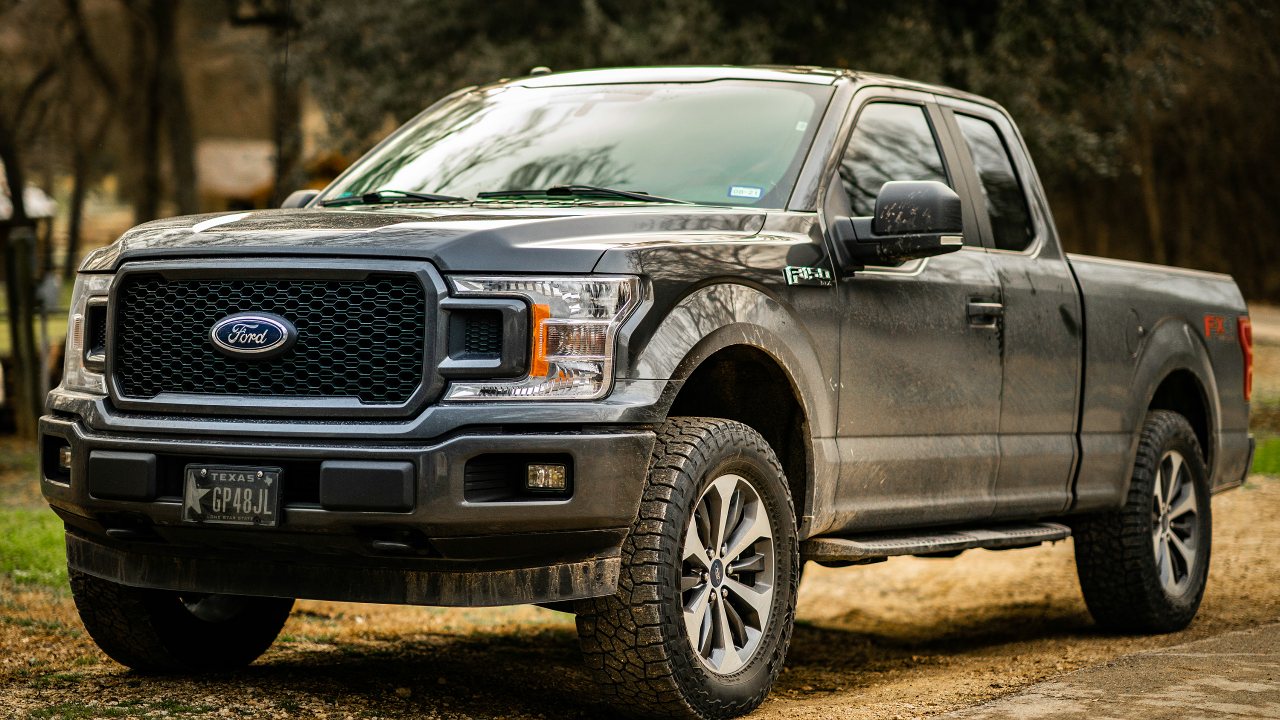
Used truck shoppers are discovering that older pickups priced under $15,000 are not the leftovers of the market but one of its most competitive corners. As new trucks climb in price and complexity, I see buyers gravitating toward simpler, higher-mileage workhorses that still deliver real capability without a punishing monthly payment.
That shift is reshaping what sells on dealer lots and private listings, and it is forcing shoppers to rethink what “old” really means in a truck. Instead of chasing the newest body style, more buyers are weighing durability, repairability, and total cost of ownership, then finding that a 10‑ to 20‑year‑old pickup often hits the sweet spot.
Why budget truck shoppers are looking backward instead of trading up
The starting point is simple economics: new trucks have become luxury products, while wages and household budgets have not kept pace. Full‑size pickups that once anchored the working‑class market now routinely crest $60,000, and even mid‑trim models with four‑wheel drive and crew cabs often land far beyond what a cost‑conscious buyer can justify. Against that backdrop, a truck that costs less than $15,000, even with age and miles, looks less like a compromise and more like the only realistic way to get a body‑on‑frame vehicle with a bed.
At the same time, the used market has been distorted by supply shortages and elevated demand, which pushed prices for late‑model trucks to levels that blur the line with new inventory. When a five‑year‑old half‑ton with 80,000 miles is still priced in the $30,000 range, I find that many buyers simply drop down another tier and shop older models instead, where depreciation has already done its work and the remaining value is tied to mechanical condition rather than styling or the latest tech.
The appeal of simpler, proven hardware in an era of complex tech
Older trucks under $15,000 tend to share a common trait: they were engineered before the current wave of large touchscreens, intricate driver‑assist suites, and tightly integrated software. For a growing slice of buyers, that is not a drawback but a selling point. A 2006 Toyota Tacoma or a 2004 Ford F‑150 with a straightforward V6 or V8, hydraulic steering, and basic four‑wheel‑drive hardware can be easier to diagnose and repair than a newer model packed with sensors and proprietary modules. That simplicity translates into lower long‑term costs, especially for owners who are comfortable doing some of their own maintenance.
Durability reputations also loom large. Certain generations of trucks, such as early‑2000s Toyota Tundra and Tacoma models, GMT800‑era Chevrolet Silverado and GMC Sierra, and pre‑emissions‑equipment diesel pickups, have built a track record for running well past 200,000 miles when maintained properly. I see that history reflected in buyer behavior: shoppers are willing to accept cosmetic wear and higher odometer readings if the underlying platform is known for robust drivetrains, stout frames, and widely available replacement parts that keep repair bills predictable.
How scarcity and niche demand are inflating values below $15,000
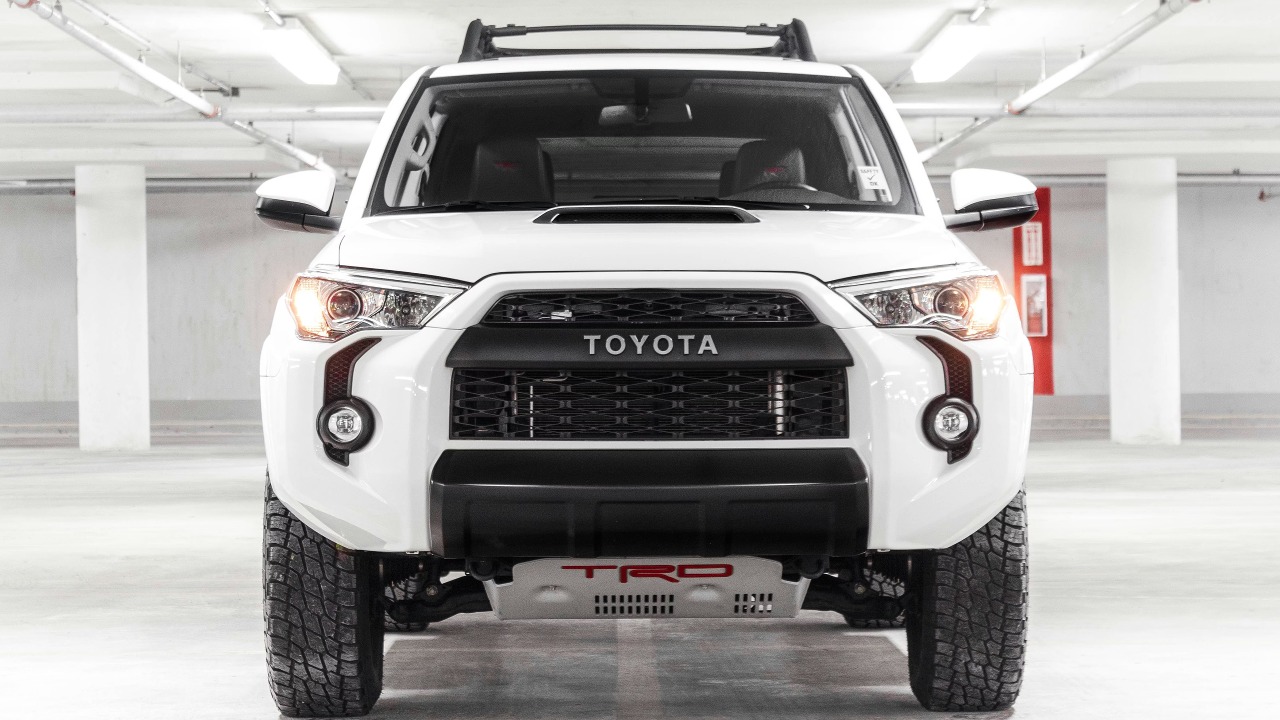
What surprises many shoppers is that the under‑$15,000 truck segment is not a bargain bin so much as a tight, competitive market shaped by scarcity. Owners who bought their trucks new in the early 2000s or early 2010s often hold onto them longer, especially if the vehicle is paid off and still meets their needs. That behavior keeps supply thin, which in turn props up prices for the clean examples that do reach the market. When a 15‑year‑old pickup with a documented maintenance history appears in local listings, it can attract multiple buyers quickly, pushing transaction prices higher than traditional depreciation curves would suggest.
Specific configurations are even more constrained. Regular‑cab, long‑bed work trucks, manual‑transmission models, and older diesels with simpler emissions systems have become niche products with loyal followings. Contractors and small businesses value them for payload and towing, while enthusiasts seek them out for their mechanical feel and modification potential. Because automakers have largely shifted production toward crew‑cab, short‑bed, automatic‑only trucks, the older layouts are not being replaced in significant numbers. I find that this imbalance between limited supply and focused demand is a key reason why certain older trucks command strong money even when they fall under the $15,000 threshold.
What buyers actually get for less than $15,000
For shoppers willing to cast a wide net, the sub‑$15,000 range can still deliver a surprisingly capable truck. In many markets, that budget can buy a mid‑2000s to early‑2010s half‑ton like a Chevrolet Silverado 1500, Ford F‑150, or Ram 1500 with four‑wheel drive, a crew or extended cab, and between 120,000 and 200,000 miles. These trucks typically offer towing capacities in the 6,000‑ to 9,000‑pound range, enough for small campers, utility trailers, and boats, along with modern conveniences such as air conditioning, power windows, and basic infotainment with Bluetooth on later model years.
Dropping back another generation or accepting higher mileage can open the door to heavier‑duty options. I often see buyers in this price bracket cross‑shopping three‑quarter‑ton models like the Ford F‑250, Chevrolet Silverado 2500HD, and Ram 2500, especially older diesels that can tow larger equipment or fifth‑wheel trailers. The trade‑off is that these trucks may need more immediate investment in suspension components, brakes, and rust repair, particularly in regions that use road salt. Still, for someone who needs serious capability a few times a month rather than every day, an older heavy‑duty truck can deliver far more utility per dollar than a newer half‑ton financed over six or seven years.
Risks, trade‑offs, and how I would shop this segment
The heat in this corner of the market does not erase the risks. Trucks under $15,000 are old enough that deferred maintenance, hidden rust, and prior accident damage become real concerns. I advise buyers to budget not just for the purchase price but also for an immediate round of catch‑up work: fluids, belts, hoses, tires, and any looming repairs identified by a pre‑purchase inspection. On certain models, that might include timing belt service, transmission fluid changes, or replacement of known weak points like intake manifold gaskets or front suspension components. Factoring those costs in up front helps avoid the trap of buying a cheap truck that quickly becomes expensive.
There is also the question of safety and comfort. Older trucks may lack side‑curtain airbags, modern stability control tuning, advanced driver‑assistance systems, and the crash‑structure improvements that have arrived over the past decade. For some buyers, especially those hauling family members regularly, that gap matters more than the savings. Others prioritize the lower payment and accept that trade‑off, particularly if the truck will spend most of its time on job sites or rural roads. When I weigh those factors, I see the under‑$15,000 truck not as a universal answer but as a targeted solution for buyers who value mechanical honesty, low monthly costs, and the ability to keep a vehicle on the road with basic tools and a trusted local shop.



Leave a Reply