
Across the classic car world, the easy bargains that once lured first-time enthusiasts are suddenly lingering in classifieds and on auction blocks. Prices have not collapsed across the board, but the segment of once-affordable “starter” classics is clearly struggling to find new homes, even as some higher end metal still attracts strong bids. I want to unpack why that middle and lower tier is stalling, and why the same forces that are cooling demand might quietly be creating the best buying conditions in years for patient, picky shoppers.
The market is cooling, not collapsing
From a distance, it is tempting to declare that the classic car boom is over, yet the data points to a more nuanced slowdown. Analysts tracking the collector scene describe a market that surged through the pandemic and is now giving back some of those gains, with several indices showing broad declines and a cluster of segments off by double digits. One detailed review of recent auction results notes that a previously relentless rise has flattened, with some categories of collectible vehicles down around 14 percent, a shift that has put more downward pressure on sellers who had grown used to quick, profitable flips.
That cooling trend has now carried into a second year in the United States, where a market that had not seen a meaningful correction in years is finally adjusting. Recent analysis of the 2025 season describes how, In the US, prices for collector cars have fallen for two consecutive years, with some indices down 11 percent while others still show modest gains of about 4 percent depending on which slice of the market you track. That split personality helps explain why a cheap MGB or 1990s hot hatch might sit unsold for months while a rare homologation special still sparks a bidding war.
From “cheap classics” to cautious buyers
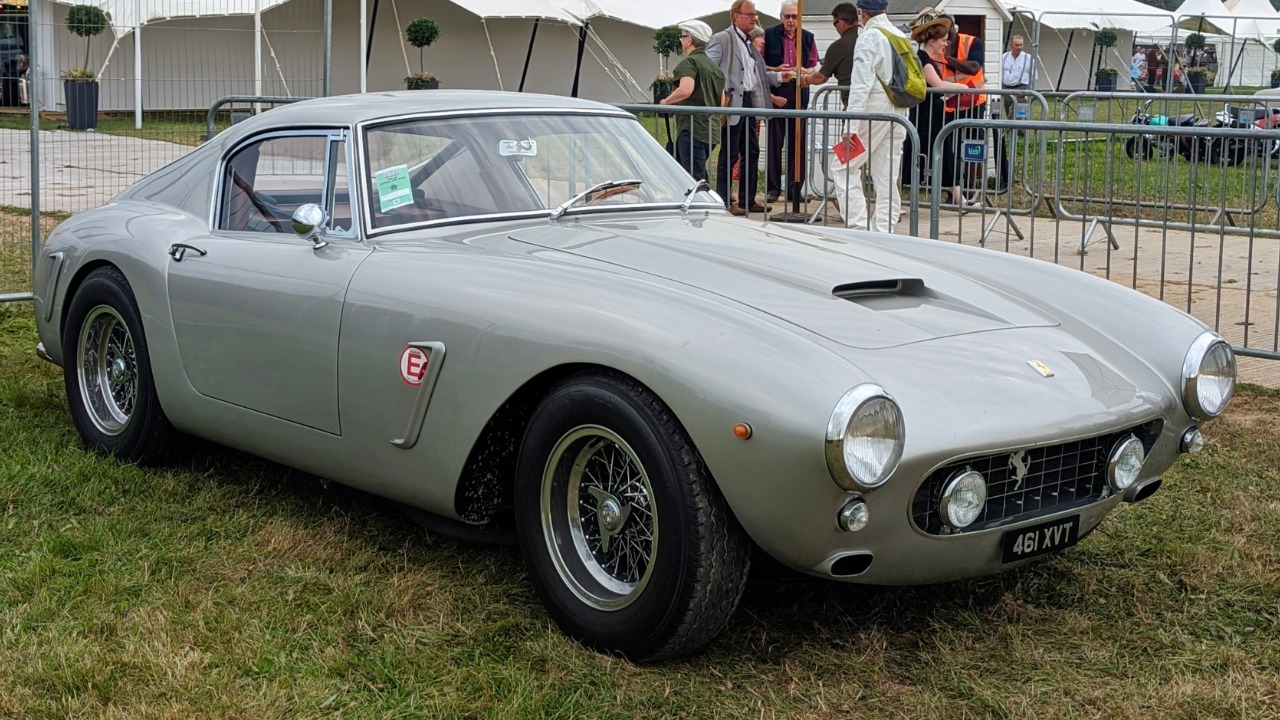
On the ground, the most visible change is in the once-buoyant world of budget classics, the cars that used to be the gateway into the hobby. A few years ago, lists of “10 of the best for under £15k” celebrated how enthusiasts could still find usable icons for sensible money, even as the same piece warned that the era of truly cheap classics was already fading and pointed to VW T1 Buses heading toward around £100k as a sign of how far values had run ahead of wages. That tension between aspiration and affordability has only grown since guides to budget classic cars first tried to square the circle.
Now the pendulum has swung the other way, and those same “starter” cars are struggling to move. Recent reporting on the lower end of the market describes how buyers who once snapped up anything with chrome bumpers are quietly walking away from projects and driver-grade examples, even when asking prices look reasonable on paper. The story is that Cheap classics that used to be the entry ticket into the collector world are now sitting unsold, because the people who might have stretched for them are facing higher living costs, pricier parts and a more uncertain economic backdrop.
Economic strain is thinning the entry-level crowd
To understand why those once-affordable cars are stalling, it helps to look beyond the auction tent and into household budgets. Across the wider car market, there is a growing sense that basic transportation itself has become a luxury, with low income workers complaining that they are being priced out of even modest used vehicles. One widely shared comment captured the mood bluntly, arguing that “transportation is a basic need” and that it feels like people on the bottom rungs are being excluded from the market entirely, a frustration that was echoed in a report on low income workers who see car ownership slipping out of reach.
That squeeze shows up in more informal corners of the internet too, where users vent about how “people are so poor right now” and swap stories of listings that attract only lowball offers or no interest at all. In one discussion on a busy marketplace forum, a commenter simply wrote “Please contact the moderators of this subreddit if you have any questions or concerns” as a reminder of the rules, only for another to respond “Agreed” while lamenting how few buyers can actually follow through on a purchase, a snapshot of the mood captured in a thread titled people are so poor right now. When everyday drivers are struggling to finance a ten year old hatchback, it is no surprise that a non essential second car, even a cheap classic, slides down the priority list.
Generational tastes and the “Are Buyers Dying Off” question
Money is only part of the story, because the pool of people who actually want a carbureted saloon or a chrome laden coupe is changing too. Longtime observers of the hobby have started asking, quite literally, “Are Buyers Dying Off” as the generation that grew up with 1950s and 1960s cars ages out of active collecting and younger enthusiasts gravitate toward the machines they remember from childhood. In a detailed look at this shift, writer Charlie Warner Fri describes how the market for older metal is softening while interest in newer “modern classics” grows, a pattern that has reshaped the shifting landscape of the classic car market.
You can see that generational pivot in enthusiast chatter as well, where younger buyers openly say they would rather have an 80s or 90s hero car than a 50s or 70s cruiser. In one discussion about why classic cars feel overpriced, a user named werchoosingusername pushed back by saying “Actually prices are coming down because Millenials are more into 80s 90s cars now,” arguing that demand is draining away from older segments and that this is already softening values for all 50 to 70s cars. That comment, preserved in a thread on why classic cars are so overpriced, neatly captures how shifting tastes can leave yesterday’s entry level classics stranded between generations.
Correction, not catastrophe, for serious collectors
For all the gloom around unsold listings, many seasoned observers insist that what we are seeing is a correction rather than a crash. One long running specialist firm framed it exactly that way, arguing that the current environment is a “Classic Car Market Correction not Crash” and urging buyers to focus on quality, provenance and good history rather than chasing the cheapest example. Their advice is that, What matters Now is being selective and careful, because the best cars are holding up while mediocre ones are being marked down.
That distinction is visible at the very top of the market, where blue chip cars have eased back from peak pandemic highs but remain hugely valuable. One vivid example involves a 1959 Ferrari 250 G LWB California Spider, described as one of only eight in the world with an aluminum body, which an Industry expert and auction analyst named Rick Carey highlighted when speaking to Hagerty the about how values have retreated to more rational levels. The story of that Ferrari 250 G LWB shows that even the rarest cars are not immune to a broader reset, yet they are still trading at sums that keep them firmly in the realm of serious collectors rather than casual hobbyists.
EV policy, petrol bans and the psychology of future rules
Hovering over all of this is a policy cloud that makes some would-be buyers nervous about the long term future of combustion engines. In the United Kingdom, for example, the government has been planning to bring forward a ban on the sale of new petrol and diesel cars, a move that has been “mooted for years” but now appears to be gathering pace, with officials warning that the change may come about earlier than previously expected. That kind of language, captured in a briefing that begins “There has been talk for a long time,” feeds a perception that anything with a fuel tank might soon be legislated off the road.
The reality for classics is more nuanced, and arguably more reassuring, than those headlines suggest. Detailed guidance on the 2035 petrol ban makes clear that Cars already on the road will stay legal and that Many classic cars are expected to keep running on existing fuels, with owners likely to adapt through careful maintenance and, in some cases, sympathetic upgrades. That perspective, set out in a discussion of what will happen to classics after the 2035 petrol ban, suggests that regulation is more likely to change how and where classics are used than to wipe out their value entirely. Still, the uncertainty is enough to make some cautious buyers hold off, which adds another headwind for cars that were marginal purchases to begin with.
EV queues, daily drivers and the “second car” squeeze
At the same time, the transition to electric vehicles is creating its own distortions in the new car market, which then ripple into used prices and household decisions. In the UK, for instance, Critics have accused carmakers of continuing to push the sale of petrol and diesel cars even as they trumpet their electric ambitions, a strategy that has left Britons at the back of a year long queue for new Teslas and facing long waiting lists for some electric models. That tension, described in a report on how Critics view the current EV rollout, means many households are hanging on to older daily drivers for longer, which in turn leaves less room in the driveway and the budget for a hobby car.
For enthusiasts, that practical squeeze can be the difference between browsing listings and actually wiring a deposit. If your main car is aging and the wait for a new EV stretches into next year, it becomes harder to justify taking on a second vehicle that needs storage, insurance and regular exercise. That is one reason why some insurers now argue that falling prices are making classic car ownership more accessible than ever, pointing out that it is not simply that cheaper cars are coming to market but that the value of vehicles has shifted relative to other costs, with one analysis noting that premiums for certain policies have been soaring by 51 percent over the past year. In that context, the claim that falling prices make classic car ownership more accessible comes with a big asterisk: the purchase price might be lower, but the total cost of ownership still bites.
Why this “stall” might be the best time to buy
For all the headwinds, there is a growing chorus of voices arguing that the current lull is a rare opportunity for buyers who are prepared to think long term. Commentators like Aug have been asking whether the classic car market is crashing or whether this is actually the best time to buy in 2025, pointing to segments that have cooled sharply and others that remain resilient. In one widely shared video, Aug notes that some parts of the market are clearly “what’s not” right now, yet he also highlights how the reset is flushing out speculative money and leaving better cars available at more realistic prices, a theme that runs through his look at the classic car market in 2025.
Others, like Oct, frame the current mood as a “calm before the storm” rather than a permanent winter, suggesting that the market is catching its breath after a frenetic few years. In a separate analysis, Oct talks about seeing a lot of chatter online about whether the classic car market is dead, only to argue that what we are really witnessing is a sorting process in which the best documented, most usable cars will emerge stronger. That perspective, laid out in a discussion titled Is The Classic Car Market Dead, dovetails with the idea of a correction not a crash and offers some comfort to owners watching their once “can’t lose” investments sit unsold.
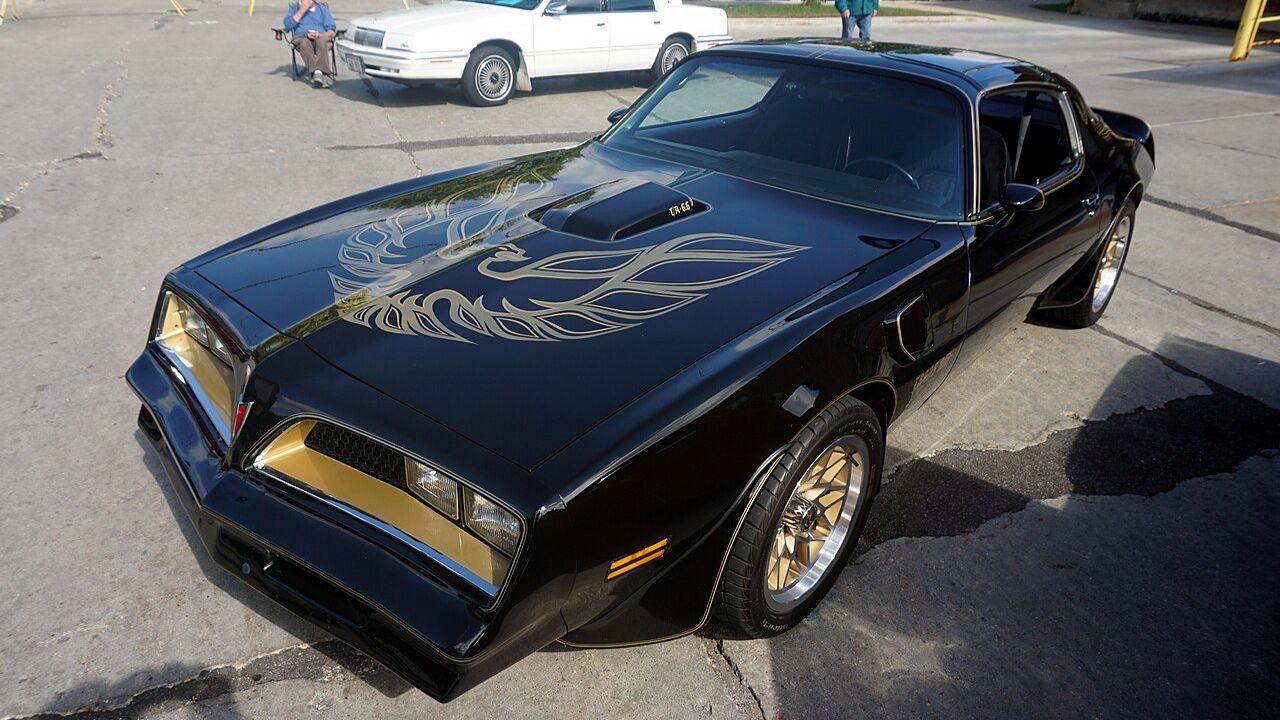
Even within specific niches, the pattern is similar. In the muscle car world, for example, one detailed breakdown notes that the market has been crashing in the sense that it is down over 10 percent in the last two years alone, a sharp reversal for a segment that once seemed bulletproof. Yet the same analysis argues that this drop is shaking out over restored or poorly documented cars while rewarding the rare, well kept examples, a point made in a video on how Classic Car Prices Are CRASHING. For a patient buyer with cash in hand, that kind of environment can be ideal: fewer flippers, more realistic sellers and a better chance of landing the right car at a price that reflects its true condition rather than the froth of a speculative bubble.



Leave a Reply