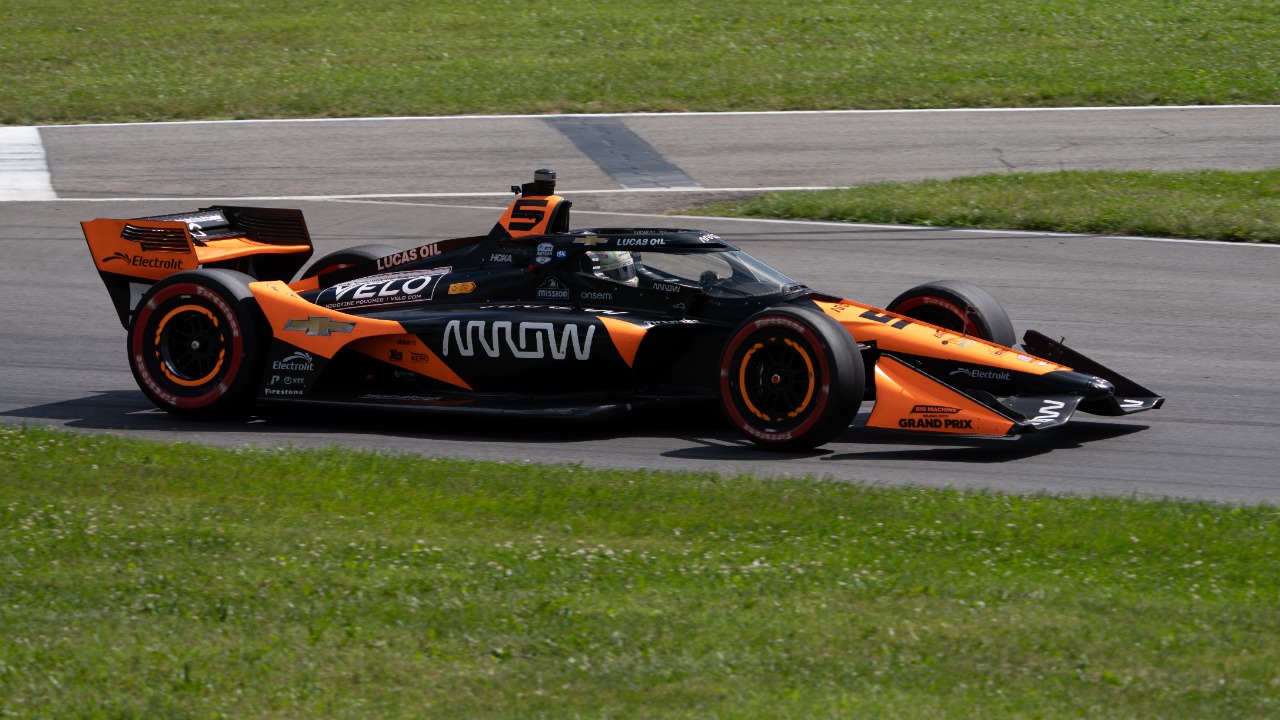
Pato O’Ward’s first IndyCar victories did more than validate a rising talent, they signaled a generational shift in how the series thinks about youth, global reach, and crossover appeal. His breakthrough wins turned a promising prospect into a central figure in the championship fight and forced teams, sponsors, and rival series to reckon with a new kind of star power.
By turning raw speed into results, O’Ward changed expectations for what a young driver can achieve in modern open-wheel racing and helped reposition IndyCar as a destination for ambitious talent, not a fallback. His trajectory from early wins to title contention and Formula 1 opportunities has become a blueprint for the series’ future.
From San Antonio to the Speedway: How O’Ward Became IndyCar’s Next-Gen Star
I see the roots of O’Ward’s impact in the way his career bridges cultures and paddocks. His family’s move in 2010 to San Antonio, Texas in search of better opportunities in American motorsport gave him a uniquely cross-border identity that now mirrors IndyCar’s own push to grow beyond a single national base. That relocation into the heart of the U.S. racing scene, while he maintained deep ties to Mexico, set up a driver who could speak to fans on both sides of the border and attract sponsors looking for reach in multiple markets.
By the time he reached the top level, O’Ward was not just another rookie, he was a product of a globalized ladder system that IndyCar increasingly depends on. His rise into the NTT INDYCAR SERIES showed how a driver shaped by American karting, Mexican support, and international junior formulas could arrive fully prepared to challenge established veterans. That background made his early wins feel less like an upset and more like the natural arrival of a new era, one in which IndyCar’s talent pipeline is as international as its ambitions.
The Texas Breakthrough That Rewired Expectations
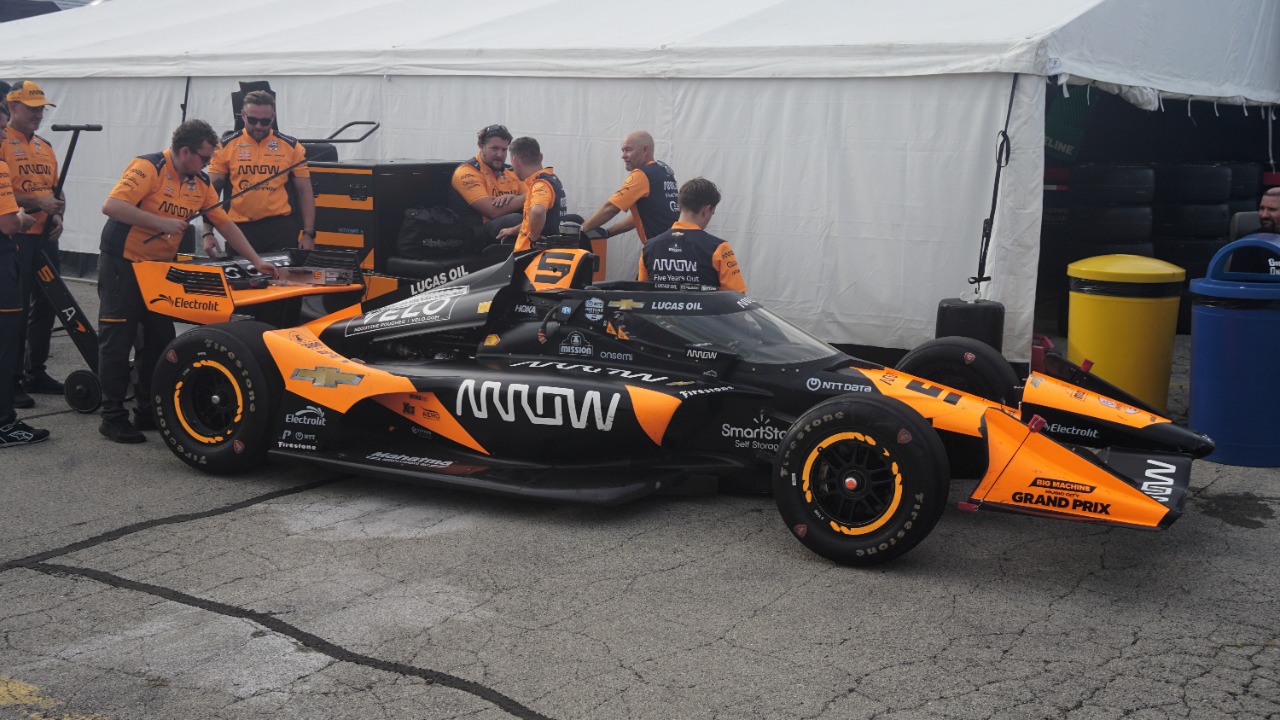
The inflection point came in FORT WORTH, Texas, when Pato O’Ward finally converted potential into a first IndyCar victory. Under the lights at Texas Motor Speedway, he broke through on a Sunday night that turned him from fast prospect into proven winner, a moment that resonated far beyond the box score. That initial triumph in FORT WORTH, Texas, where Pato Ward finally stood on the top step, proved that his aggressive style could be harnessed over a full race distance rather than just in qualifying or late-race charges.
That win also reset what teams expect from young drivers. Instead of treating early seasons as long apprenticeships, O’Ward showed that a driver in his early twenties could master ovals, manage traffic, and close out races at one of the series’ most unforgiving tracks. The fact that Pato Ward delivered that performance in Texas, the same state that had become home after his family’s move, added a symbolic weight to the breakthrough. It was a local hero winning on home soil, but it was also a signal to the rest of the paddock that the next wave of contenders was ready to fight for victories immediately, not years down the line.
From First Wins to Full-Fledged Title Contender
Once O’Ward had that first victory, the question shifted from whether he could win to how far he could push the championship fight. Over the following seasons, he turned sporadic flashes of brilliance into sustained consistency, climbing the standings and forcing his way into the title conversation. That evolution culminated in 2025, when he finished a career-best second in the NTT INDYCAR SERIES standings behind champion Palou, confirming that his early wins were the foundation of a sustained run at the top rather than a brief surge.
That runner-up finish behind Palou mattered for the series as much as it did for O’Ward. It showed that a driver who had been marketed as a youthful, high-risk, high-reward attraction could also deliver over the grind of a full season. His ability to stay in the hunt deep into the calendar, while still racing with the same attacking edge that defined his first wins, gave IndyCar a modern title protagonist who appealed to hardcore fans and casual viewers alike. In a championship that prides itself on parity, O’Ward’s ascent from first-time winner to consistent challenger helped prove that the system can elevate new stars without diluting the competitive balance.
Life Between Two Paddocks and the F1 Effect
O’Ward’s breakthrough wins did not just change his status inside IndyCar, they opened doors in Formula 1 and created a new kind of dual-platform profile. After establishing himself as a race winner and then a title contender, he began splitting his time between IndyCar commitments and F1 testing and reserve duties, effectively living between two paddocks. Reflecting on 2025, when Pato delivered his strongest IndyCar season, his second-place finish in the standings was paired with increased involvement in F1 machinery, a balance detailed in McLaren’s account of how Reflecting Pato INDYCAR His year unfolded across both programs.
That crossover has real consequences for IndyCar’s future. By proving that a driver can contend for an American open-wheel title while also earning laps in F1 cars, O’Ward has turned the series into a more credible part of the global single-seater ecosystem. Young drivers now see a path where success in IndyCar does not close the door on F1, it can actually help open it. For teams and sponsors, his dual presence offers a template for how to leverage a driver’s profile across championships, using IndyCar results to build a narrative that resonates with fans who follow both series.
What O’Ward’s Rise Signals for IndyCar’s Next Decade
Looking ahead, I view O’Ward’s early wins and subsequent rise as a preview of how IndyCar will define itself in the coming decade. His story blends American roots in San Antonio, Texas, Mexican heritage, and a career that now touches both IndyCar and Formula 1, which aligns with the series’ push to grow its audience beyond traditional boundaries. The official INDYCAR platform increasingly highlights drivers with similar cross-cultural appeal, and O’Ward sits at the center of that strategy as a proven winner who can headline marquee events and attract international attention.
His trajectory also raises the bar for the next wave of prospects. The standard is no longer to spend years learning the ropes before challenging for wins and titles. Instead, O’Ward’s path from breakthrough victories in FORT WORTH, Texas to a runner-up finish behind Palou in the NTT INDYCAR SERIES has shown that young drivers can, and perhaps must, deliver quickly if they want to shape the series’ future. In that sense, his early triumphs did more than fill a trophy cabinet. They rewrote the expectations for what a modern IndyCar star looks like and set a new template for how the championship can thrive in a crowded global motorsport landscape.