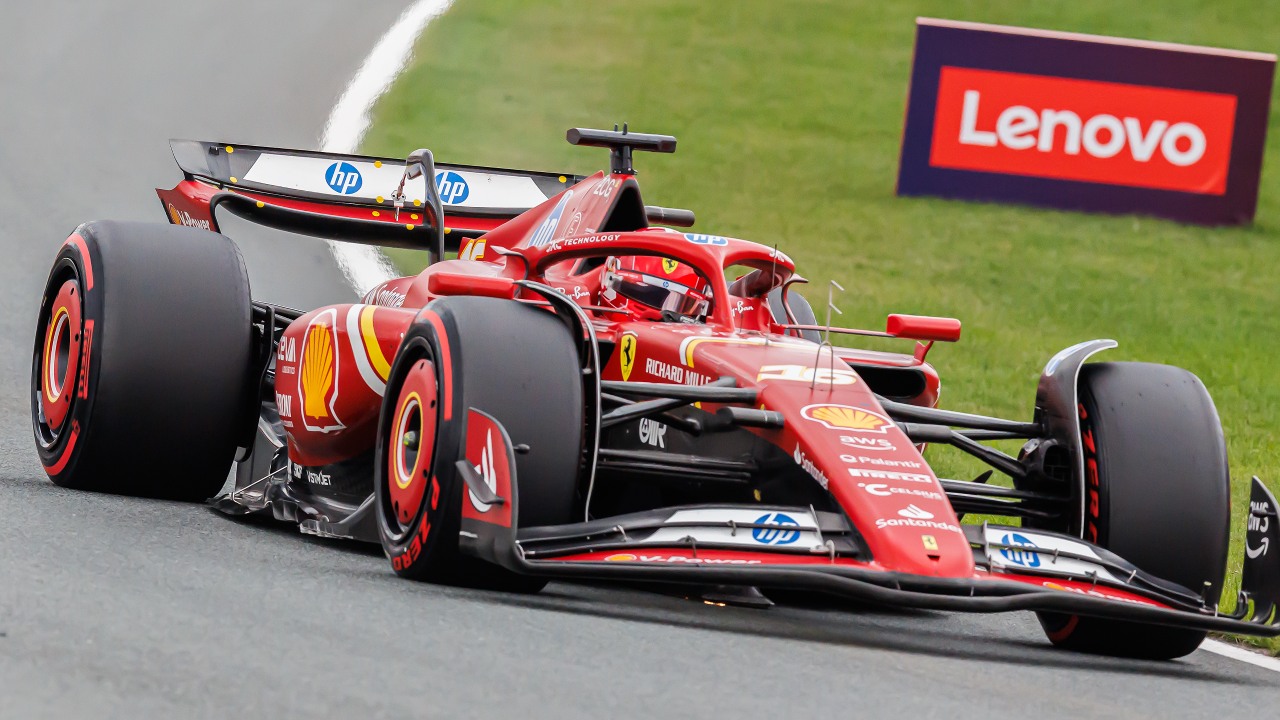
In the world of motorsports, every detail counts, and tire pressure is no exception. Race cars often run staggered tire pressures to optimize performance, handling, and safety. Different pressures for each tire can make all the difference on the track, thanks to the precise science and strategies involved.
The Science of Tire Pressure in Racing
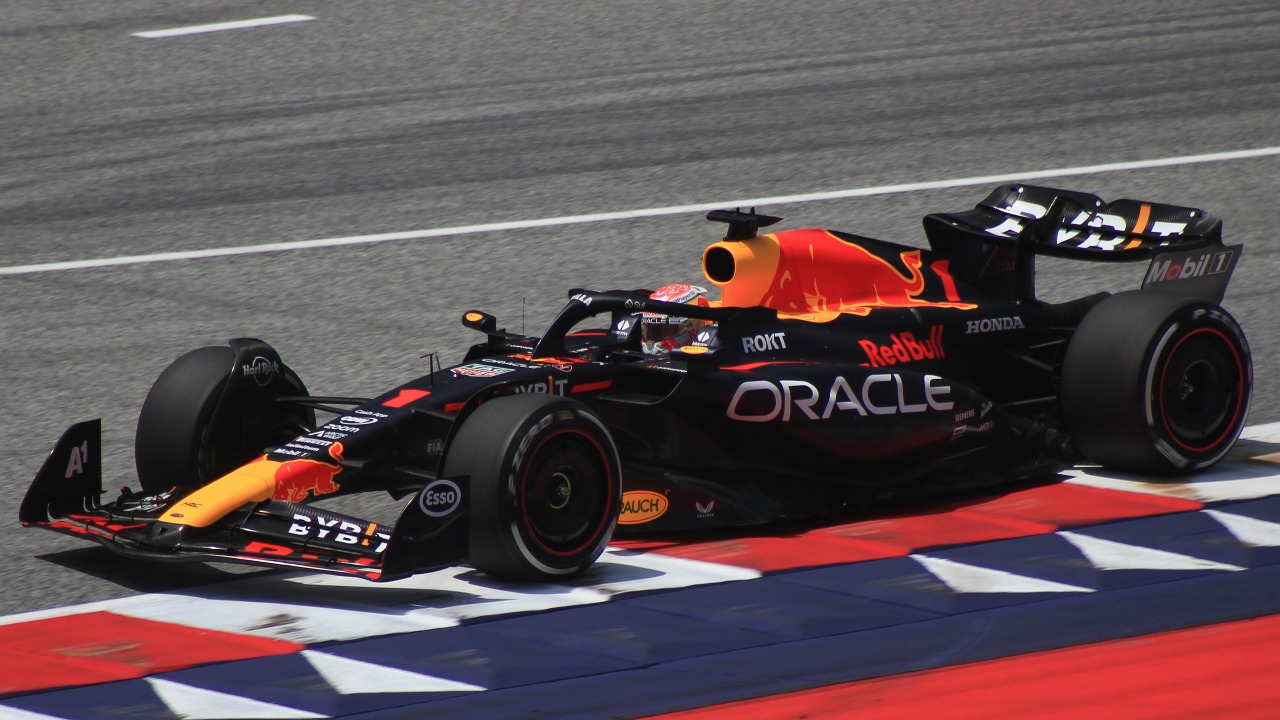
Tire pressure plays a crucial role in the performance of a race car by affecting the contact patch dynamics. The size and shape of the contact patch, where the tire meets the track, are influenced by the pressure within the tire. Lower pressures can increase the size of the contact patch, enhancing grip and traction, while higher pressures can reduce it, potentially leading to less grip but faster straight-line speeds. Racers often adjust pressures to find the perfect balance between these dynamics to suit specific track conditions.
The relationship between temperature and tire pressure is another critical consideration. As a tire heats up during a race, its internal pressure increases, which can alter the tire’s performance. By running staggered pressures, teams can manage heat distribution across different tires, ensuring that each tire operates within its optimal temperature range. This strategy is particularly beneficial in maintaining consistent handling characteristics throughout a race, as uneven heat distribution can lead to unpredictable performance.
Moreover, staggered tire pressures can have a significant impact on tire wear. Uneven pressures can lead to different wear patterns, which teams exploit to their advantage in various racing conditions. For instance, in high-speed corners, different pressures can help maintain even tire wear across all four tires, extending their life and improving overall performance. By carefully monitoring and adjusting pressures, teams can avoid excessive wear and gain a competitive edge on the track.
Benefits of Staggered Tire Pressures

One of the primary benefits of running staggered tire pressures is improved handling. By customizing pressure settings for each tire, teams can enhance the car’s cornering abilities and stability. This adjustment allows drivers to push their vehicles to the limit, knowing they can rely on consistent grip in corners. In a sport where fractions of a second matter, improved handling can make the difference between winning and losing.
Optimized performance is another advantage of staggered pressures. By tailoring the pressure in each tire to the specific demands of the track, teams can achieve better lap times and overall vehicle performance. For example, higher pressures might be used for the tires on the inside of a turn to reduce rolling resistance, while lower pressures on the outside tires provide additional grip. This level of precision can lead to significant improvements in race results.
Staggered pressures also contribute to enhanced safety. By reducing the risk of blowouts and maintaining better control under unpredictable conditions, teams can ensure the safety of both drivers and other competitors. Additionally, managing pressures helps maintain the structural integrity of the tires, preventing failures that could lead to accidents. Safety is paramount in motorsports, and staggered pressures play a vital role in maintaining it.
Strategic Applications in Different Racing Disciplines

In oval track racing, staggered tire pressures are commonly used to counteract the constant left turns and maintain vehicle balance. On oval tracks, the forces acting on the tires are uneven due to the continuous turning direction. By adjusting pressures, teams can compensate for these forces, allowing the car to maintain a stable trajectory and preventing excessive tire wear on one side.
In road racing, where varied terrain and conditions require precise adjustments, tire pressures play a crucial role in optimizing performance. Different sections of the track may demand different levels of grip and stability, which can be achieved by fine-tuning tire pressures. For instance, a long straight might require higher pressures for increased speed, while a series of sharp corners might call for lower pressures to enhance grip and control.
In the world of dirt racing, staggered pressures help manage the unique challenges posed by loose surfaces. On dirt tracks, traction and control are paramount, and varying pressures can aid in managing these aspects. By adjusting pressures, teams can maximize traction on slippery surfaces, allowing drivers to navigate turns effectively and maintain control, even in the most challenging conditions.
Tools and Techniques for Managing Tire Pressures
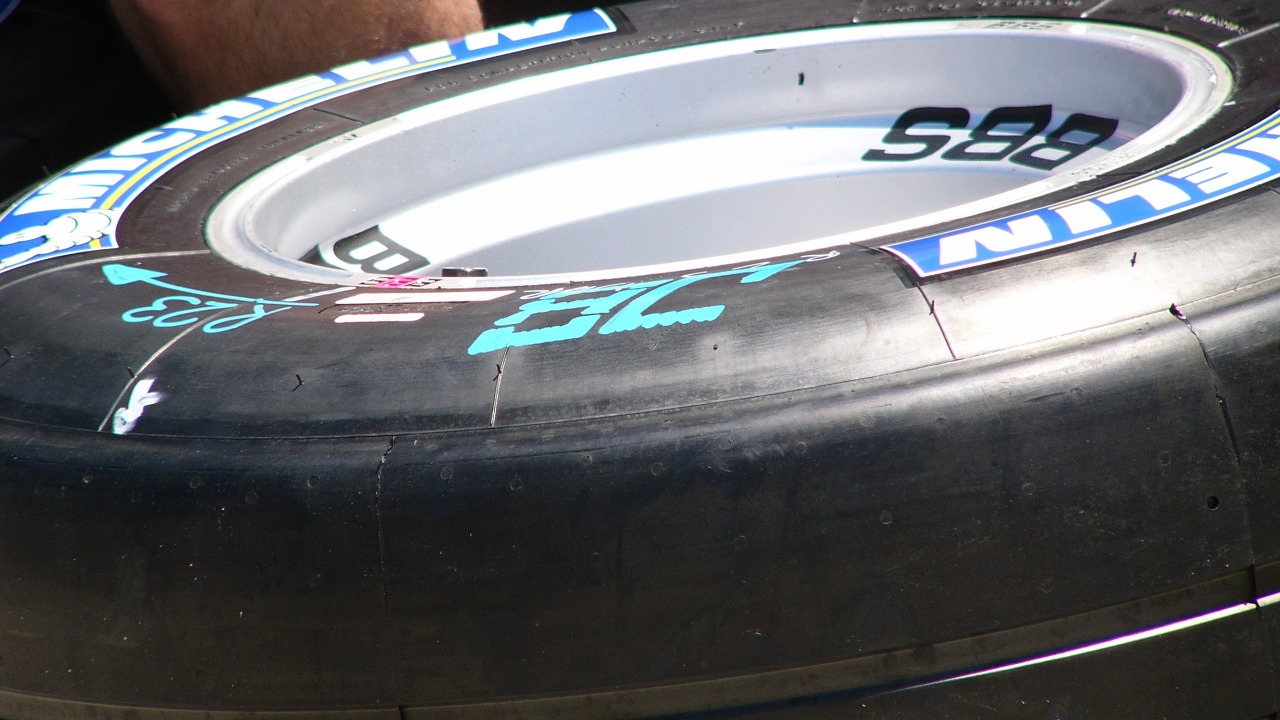
Modern racing teams use advanced pressure monitoring systems to track and adjust tire pressures in real-time during a race. These systems provide crucial data that helps teams make informed decisions about pressure adjustments on the fly. By monitoring pressures closely, teams can react to changing track conditions and ensure that tires are always performing at their best.
Before a race, teams undergo meticulous preparations to determine the ideal pressure settings for each tire. This process involves analyzing track conditions, weather forecasts, and car setup to tailor pressures that will provide the best performance. By considering these factors, teams can set up their cars to excel in the specific conditions they will face during the race.
Post-race analysis is equally important in refining pressure strategies. Teams evaluate tire performance, wear patterns, and pressure data to adjust their strategies for future races. By learning from past experiences, teams can continuously improve their approaches to tire pressure management, ensuring they remain competitive in the ever-evolving world of motorsports.
Challenges and Considerations
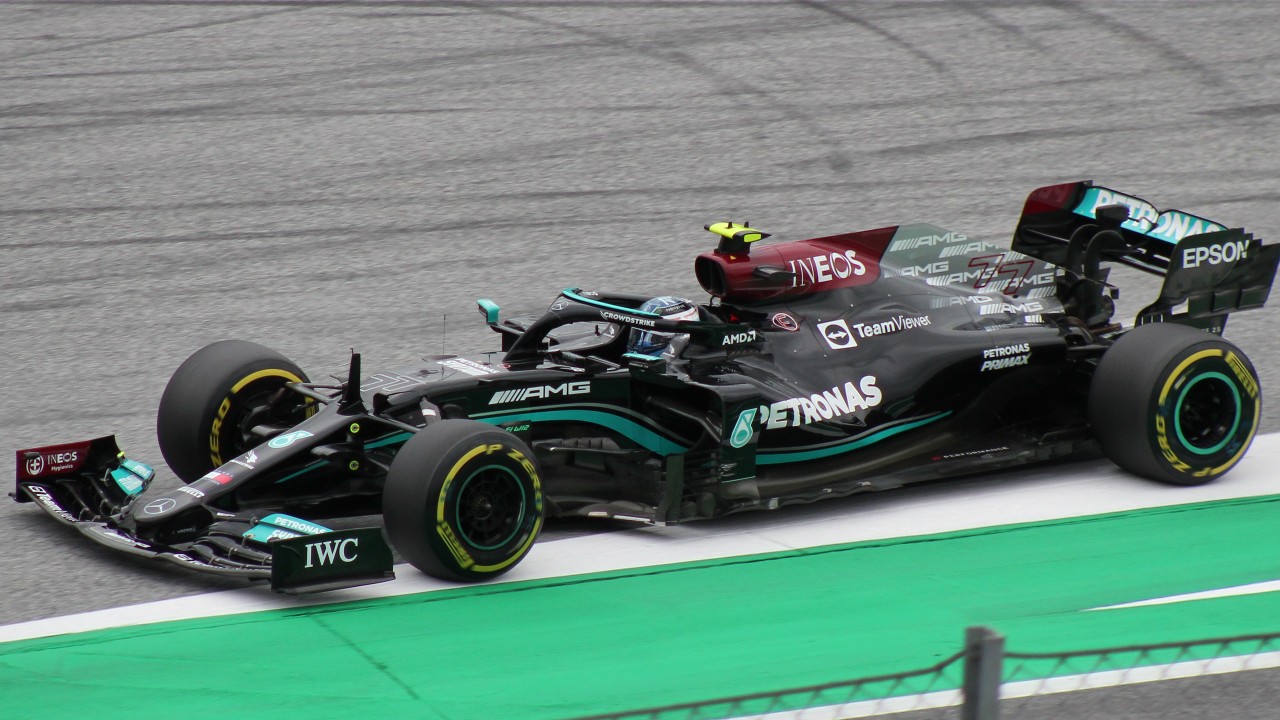
Finding the perfect balance of tire pressures to suit varying track conditions and racing strategies is a complex task. Teams must weigh numerous factors, such as track temperature, surface type, and vehicle setup, to determine optimal pressures. Achieving this balance requires experience, precision, and a deep understanding of the dynamics involved.
Environmental factors, such as weather and track surface, play a significant role in tire pressure decisions. Fluctuations in temperature or unexpected rain can impact the effectiveness of pre-determined pressure settings. Teams must be adaptable, ready to make quick adjustments to ensure their cars maintain peak performance and safety under changing conditions.
Regulatory compliance is another consideration in managing tire pressures. Different racing leagues have specific rules governing tire pressures, and teams must navigate these constraints to remain competitive. Understanding and adhering to these regulations is essential to avoid penalties and maintain a fair playing field.
Like Fast Lane Only’s content? Be sure to follow us.
Here’s more from us:
*Created with AI assistance and editor review.